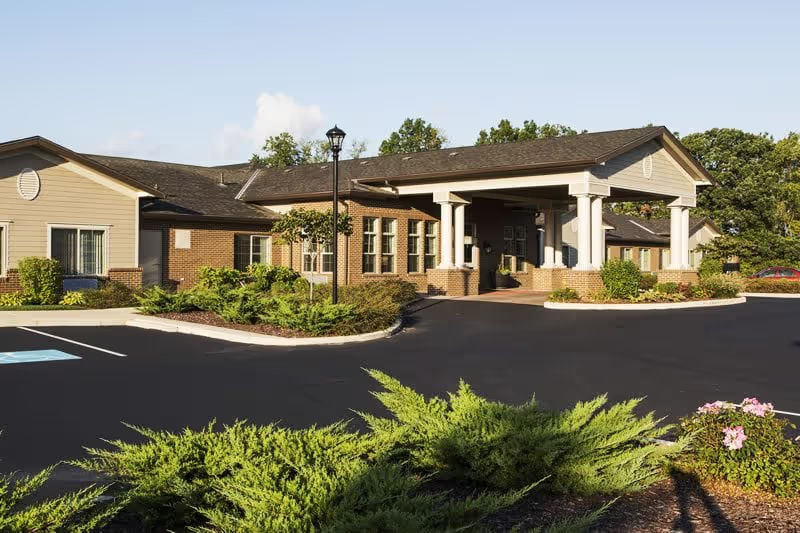
Overall impression: Reviews of Vannoni Living Center are mixed, with a cluster of clear operational strengths alongside recurring concerns about core services and building conditions. Positive comments emphasize a staffed nursing presence, accessible low-cost amenities, and a waterfront setting; negative comments point to a range of service-delivery, sanitation, safety, and billing issues that prospective residents and families should evaluate closely.
Care quality and staff: Many accounts praise individual staff members and note timely maintenance responses, helpful interactions, and an on-site nursing station that supports assisted-living needs. Conversely, there are consistent references to concerns about staff conduct and responsiveness in certain situations, and to inconsistencies in medication handling. These contrasting observations indicate variability in day-to-day caregiving and clinical practices rather than a uniform standard of care.
Dining and activities: The facility offers assisted meals as part of its program, but dining services appear limited for residents who do not qualify for prepared meal plans. Reviewers describe missed or inflexible meal services and an unwillingness to modify meals for individual preferences or needs. Prospective residents should clarify which meal services are included with a given level of care and how dietary accommodations are handled.
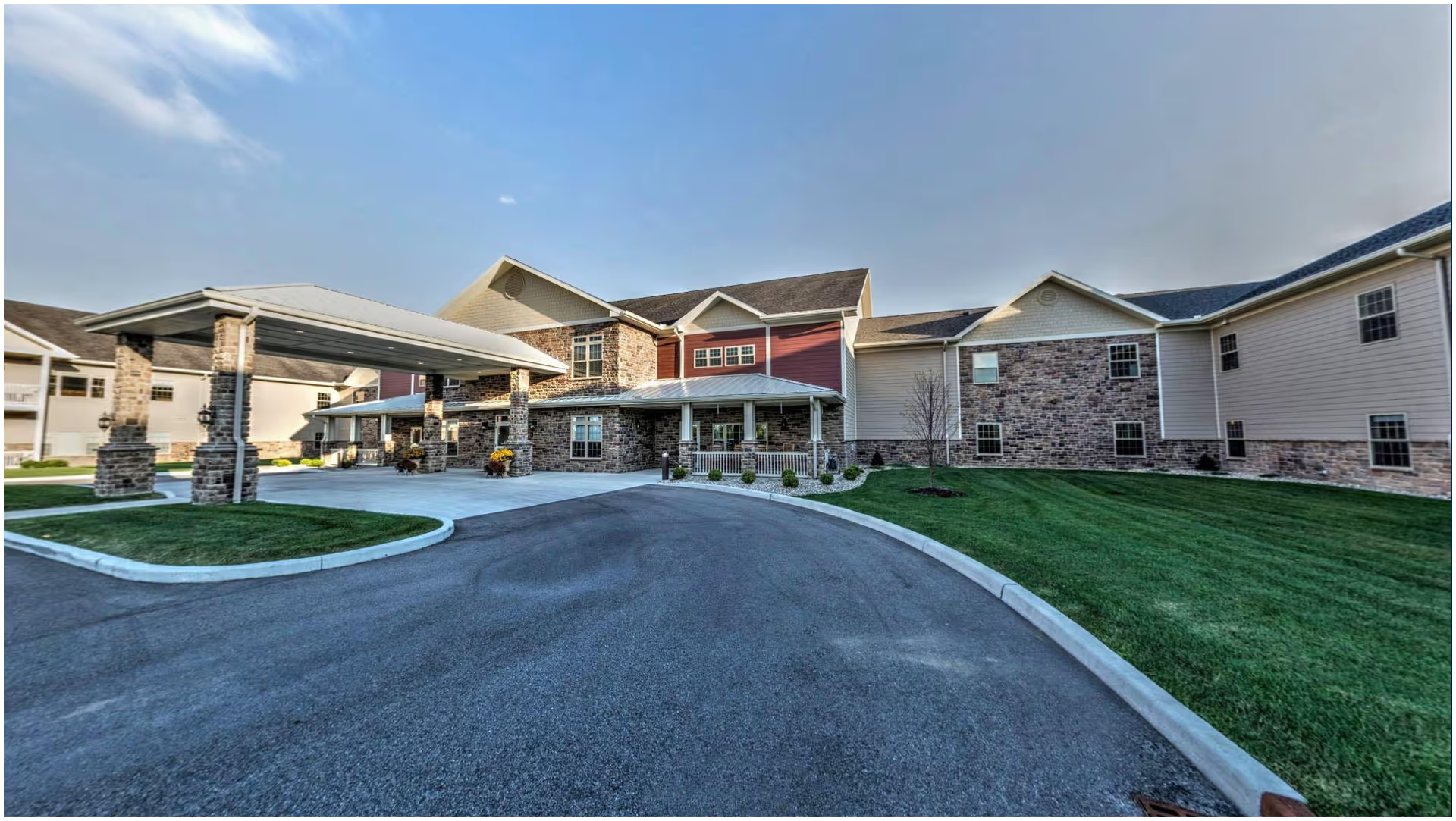
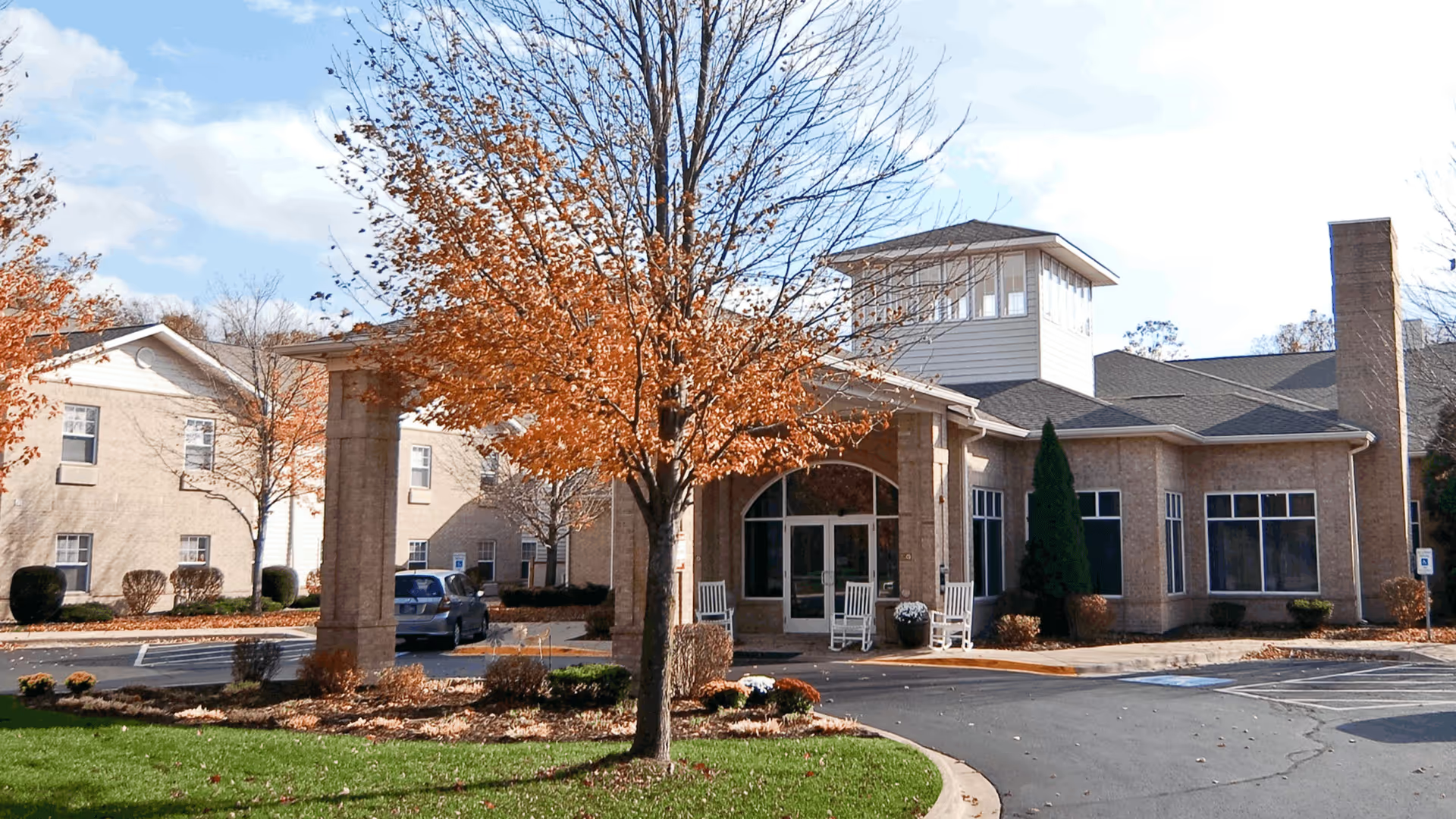
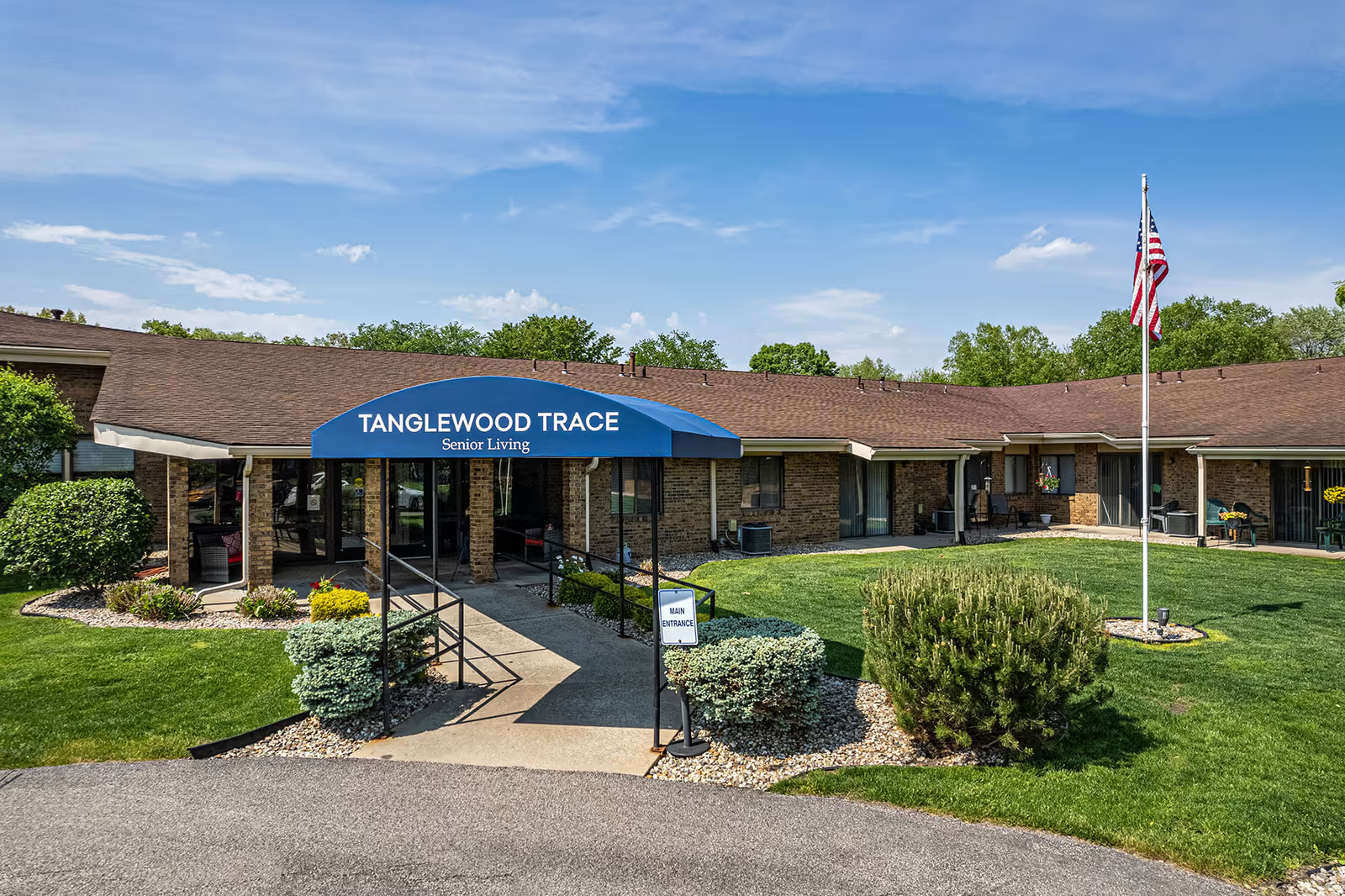
Facilities and safety: Strengths include clean, well-kept common areas, security cameras, and a generally secure campus feel for some residents. Noted weaknesses include very small unit sizes and occupancy restrictions, sanitation and pest-control concerns in certain resident spaces and food-storage areas, and appliance or hot-water reliability problems. Frequent alarm activations and concerns about resident screening and onsite safety controls were also raised, suggesting that safety systems and screening practices may be unevenly applied.
Management and finances: The center operates a subsidized assisted-living program and several low-cost services, which are beneficial for affordability; however, reviewers report unpredictable ancillary charges, billing/account-handling issues, and strict enforcement of lease and conduct policies that carry eviction risk for noncompliance. There are remarks about recent management changes and variable leadership practices that may affect consistency of services and resident screening.
What to do next: Families and prospective residents should conduct an in-person visit to inspect a typical unit, ask for a written fee schedule and billing practices, review pest-control and sanitation protocols, inquire about medication administration procedures, request sample menus and meal scheduling details, and confirm policies for lease enforcement and grievance resolution. Asking about recent management turnover, staff-training standards, and alarm-system reliability can help clarify whether the facility’s strengths align with a prospective resident’s needs.