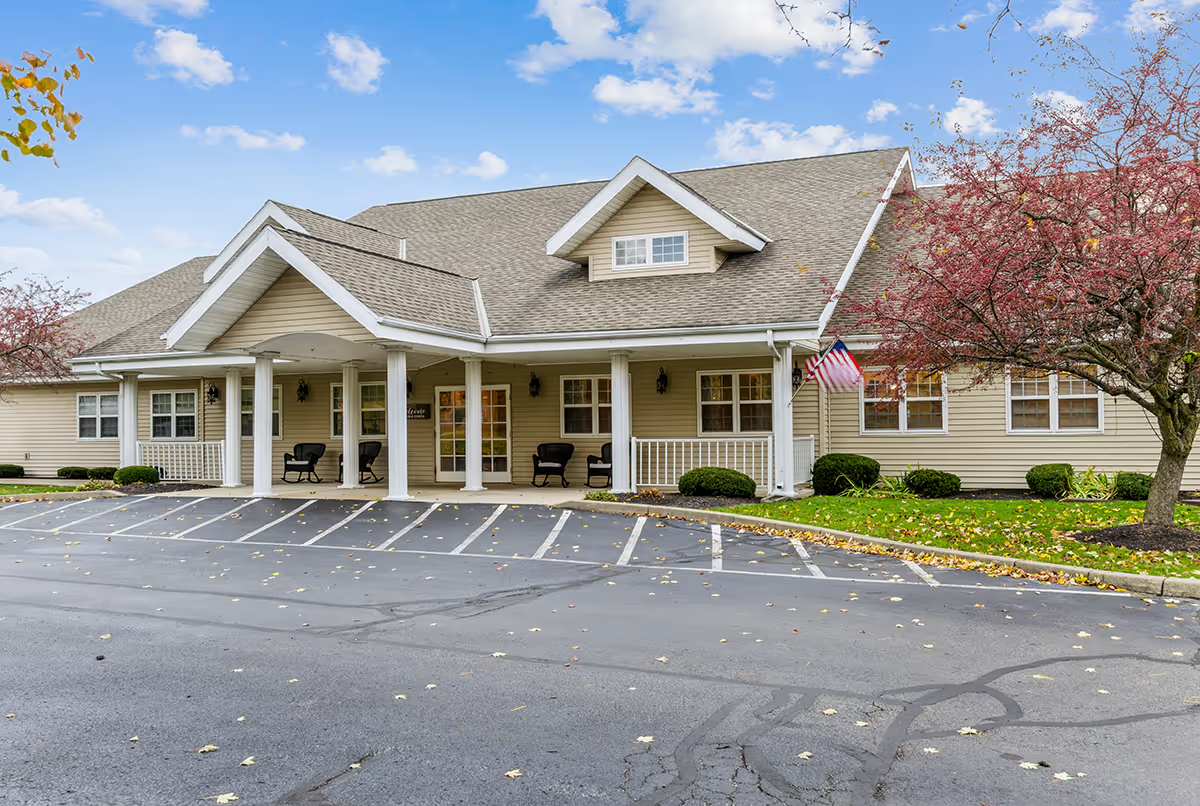
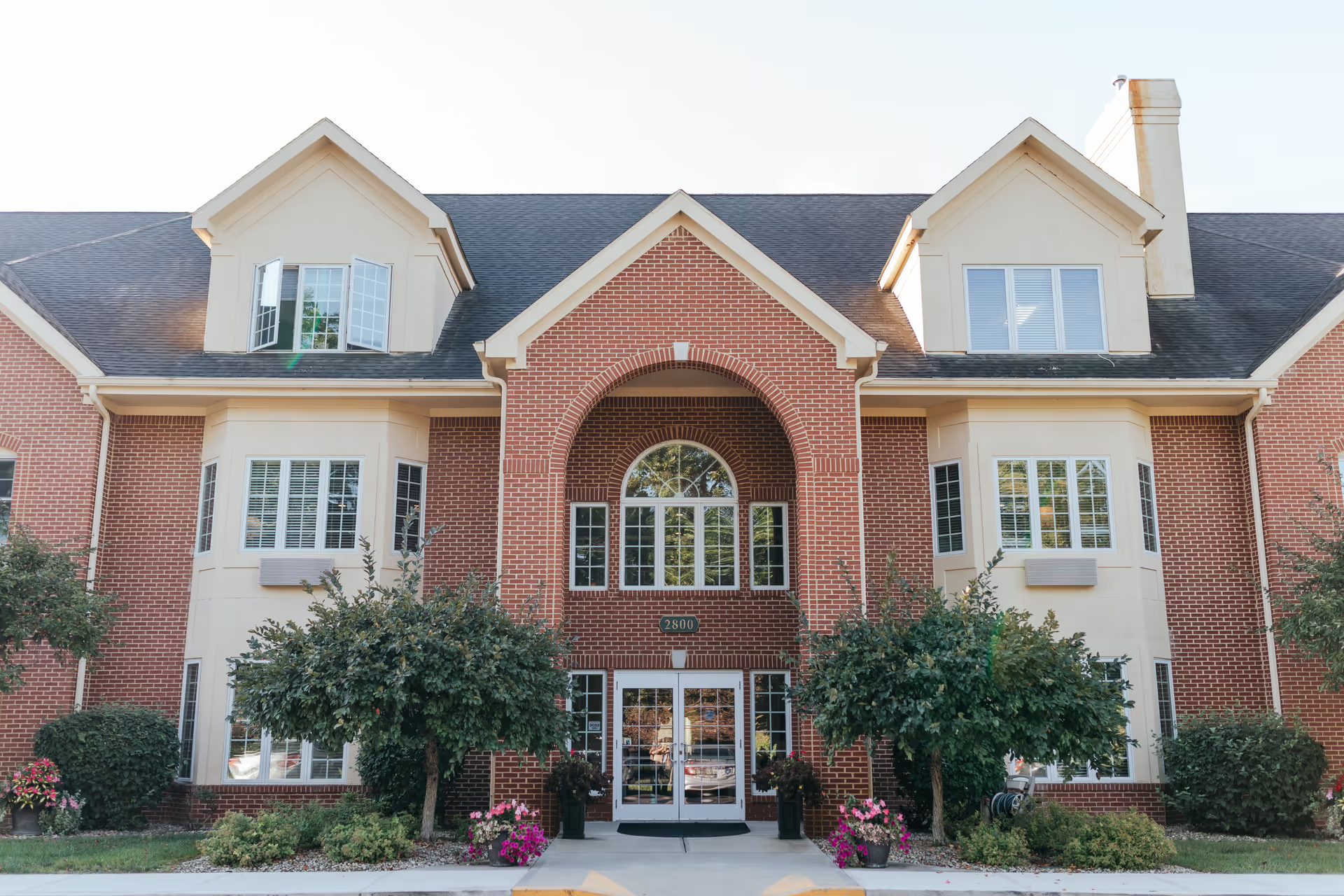
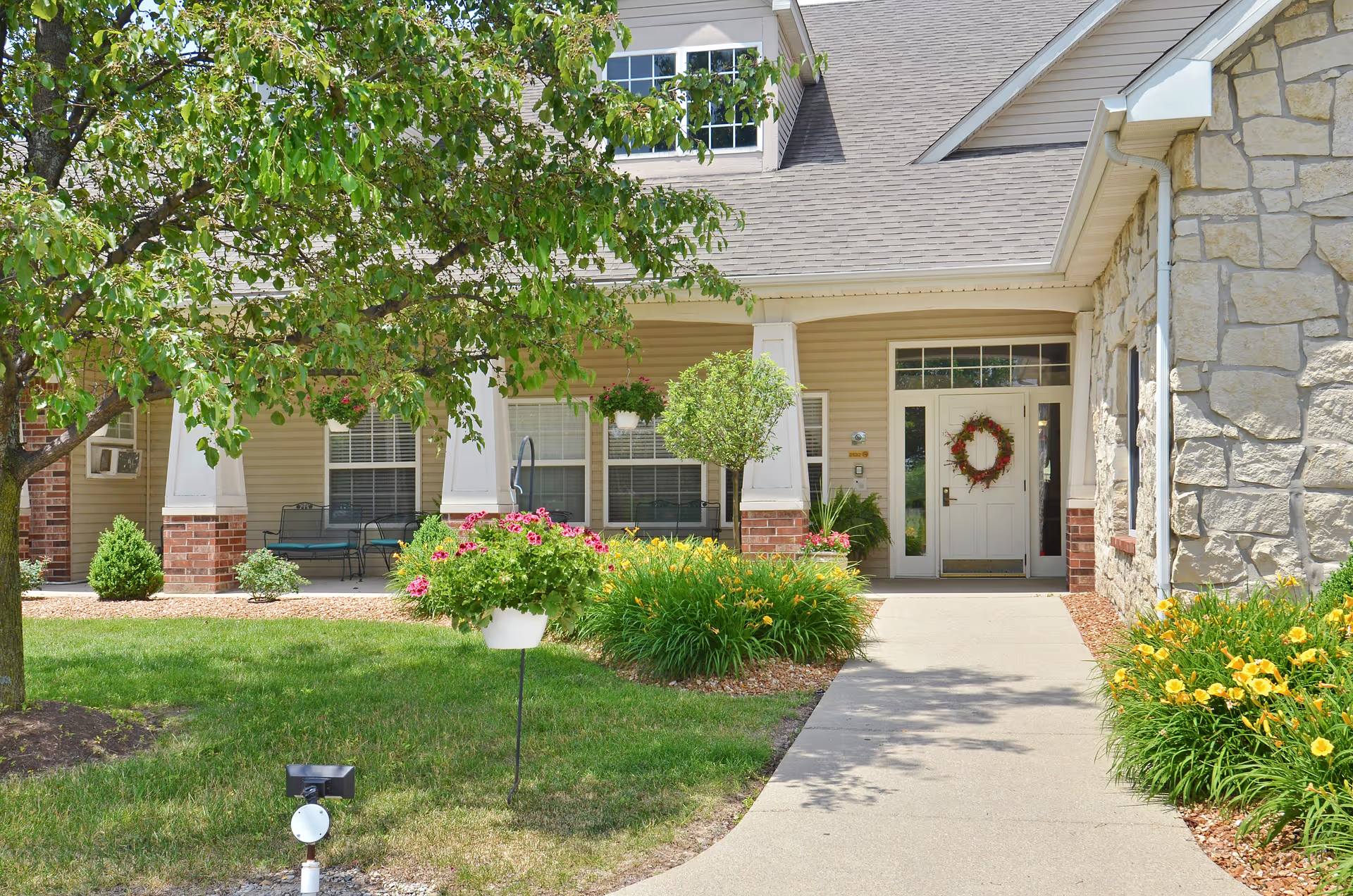
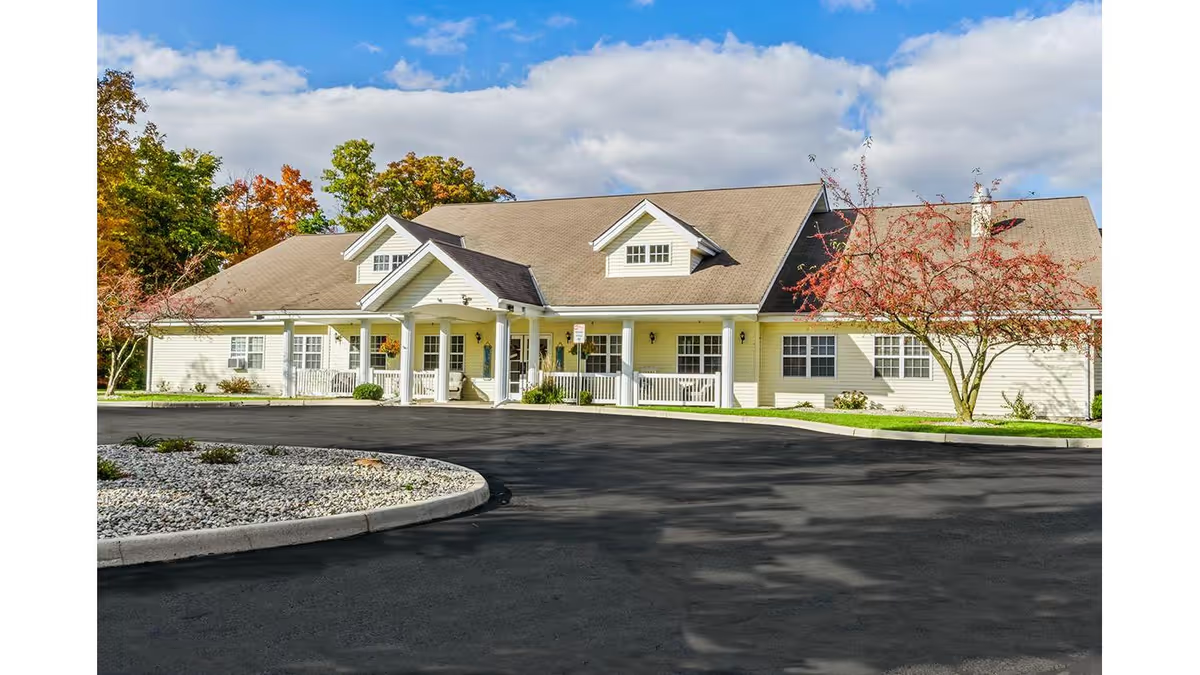
Reviews of Hickory Creek at New Castle present a mixed but informative picture. Many families and visitors describe a clean, bright, and homey facility with a pleasant scent and welcoming communal spaces, including outdoor porches. Staff are frequently characterized as friendly, courteous, and caring; several accounts describe a family-like atmosphere in which caregivers and nurses know residents’ names and provide emotional support, including at end of life. The facility’s central location, walk-in-tour availability, variety of activities (piano, bingo, board games, outings, and even exotic birds), and generally nutritious meals are recurring strengths.
At the same time, a pattern of operational and clinical concerns appears in the feedback. A common theme is staffing pressure — reviewers reference insufficient staffing levels and overworked personnel — which correlates with variability in clinical-care consistency and occasional delays in attending to resident needs. Related issues include inconsistent availability of rehabilitation/therapy services and concerns about continuity of medication management. Management and coordination gaps are also cited, with comments pointing to disorganization or uneven administrative responsiveness.
Dining receives largely positive remarks about food quality, but there are notable weaknesses: the dining room is described as noisy and crowded at times, and presentation of texture-modified (pureed) meals is criticized. Facility layout and accommodation limits are also mentioned — rooms are often small and many lack private bathrooms — which may affect privacy and long-stay comfort. Cost is another practical consideration; some reviewers find pricing high relative to a fixed income.
Finally, while many accounts praise the facility and recommend it, a subset of reviews contains strong, emotionally charged complaints and allegations of recurring quality problems. These comments stand in contrast to the positive reports and suggest variability in experience across residents, shifts, or units. Prospective residents and families should consider in-person visits, ask specific questions about current staffing ratios and shift coverage, therapy schedules, medication oversight, dining accommodations for modified diets, and how management investigates and communicates about serious concerns. Checking recent inspection histories and speaking with current families on-site may help clarify whether the strengths described are consistently delivered and whether the operational issues have been addressed.