Reviews of Riverwalk Village present a mixed but instructive picture. Many families and clinicians praised its clinical strengths — notably hospice adaptation, wound care expertise, and effective physical therapy for those receiving focused rehabilitation. Several accounts described compassionate bedside care, named staff who provided continuity, and an environment that felt safe during infection-control periods. The facility's location near a hospital, available housekeeping and laundry services, memory-care programming, and overall clean common areas are commonly cited positives.
At the same time, a number of reviews describe uneven execution of care. Strengths appear concentrated among specific teams or individuals, while other areas show inconsistent responsiveness to routine and urgent needs. Concerns include delays in attending to resident needs, lapses in following physician orders or medication plans, and variability in rehabilitation outcomes. There are also multiple mentions of communication gaps — families who experienced good, clear updates and others who struggled to reach social workers or to obtain timely information after significant events, including concerns following a resident's death.
Staffing and workplace culture emerge as important drivers of variability. Reviewers identify several highly regarded nurses, therapists, and case managers by name and describe a family-like atmosphere in many units. Conversely, high turnover, uneven aide performance, and occasional concerns about staff conduct and managerial pressure contribute to inconsistent day-to-day care. There are isolated allegations of inappropriate conduct and of management behavior that may have affected staff morale; these should be explored directly during a tour and intake process.
Dining and housekeeping produce a split impression. Some residents enjoy the meals and found the dietary team responsive to restrictions, while others described limited menu variety and bland meals when therapeutic diets were required. Housekeeping, laundry, and bathing services are generally noted as available and helpful, but a subset of reviews raises sanitation and cleanliness inconsistencies in individual rooms or bathrooms.
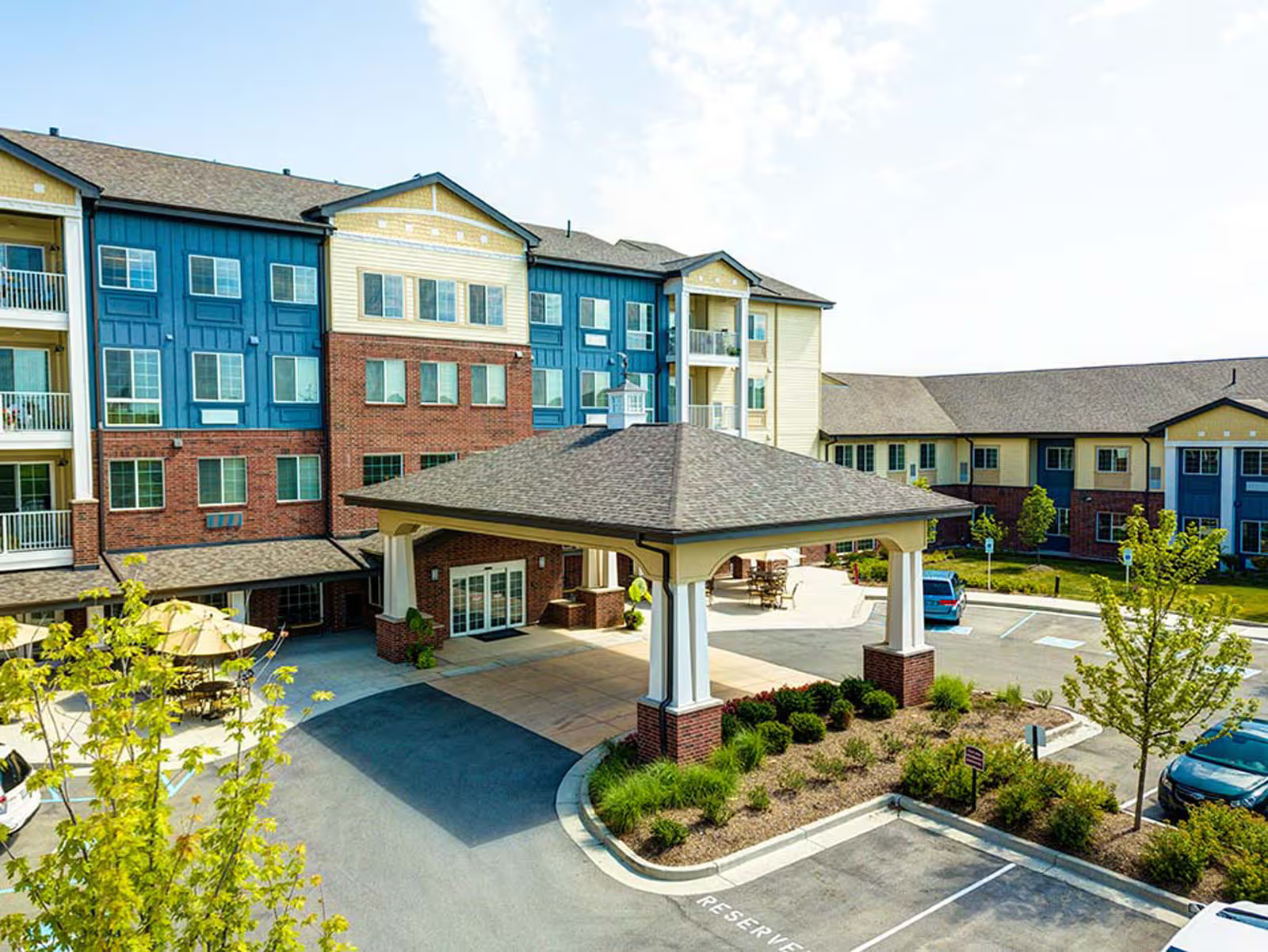
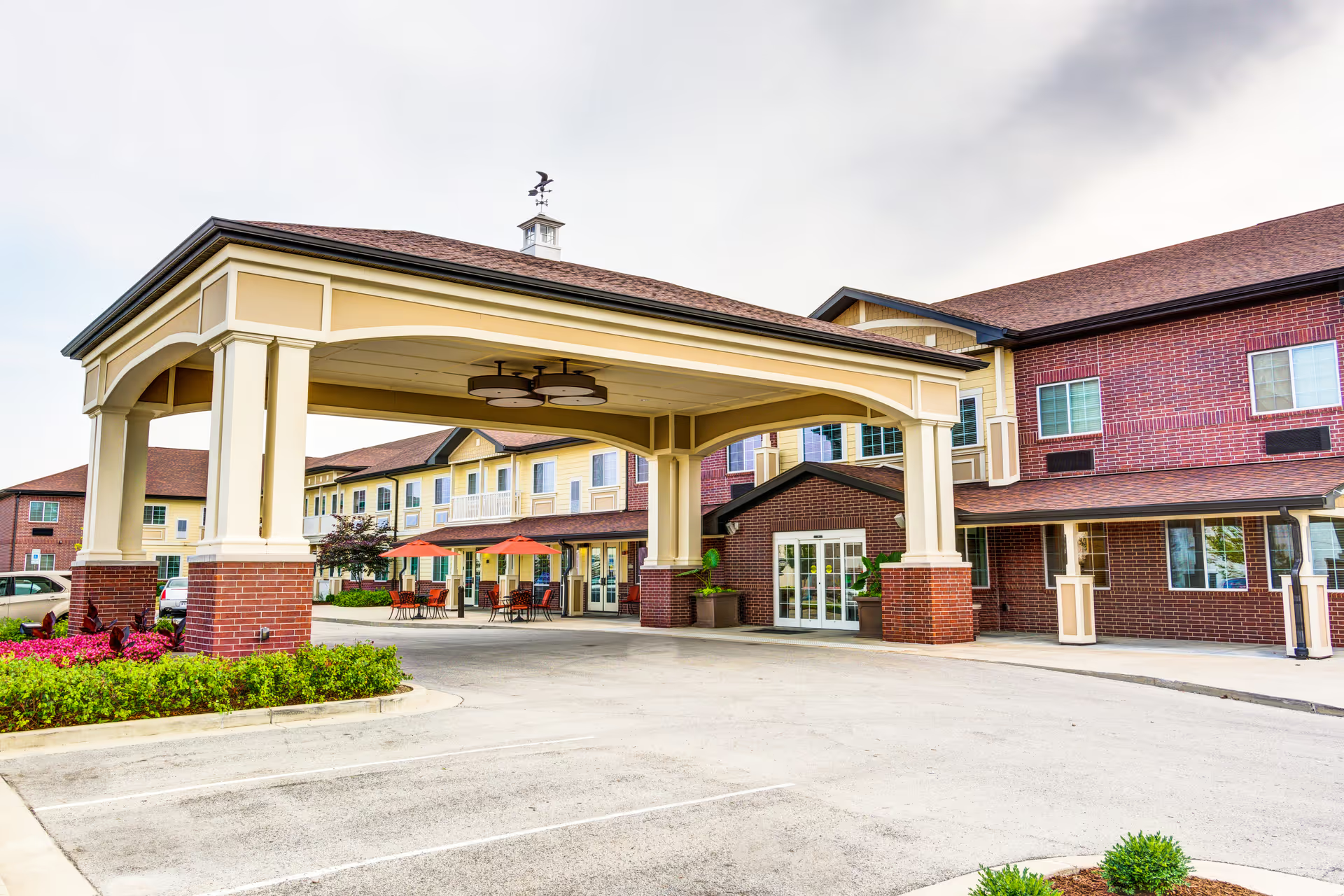
Facility amenities and operations are similarly mixed. Common areas are described as clean and well maintained, yet several units and resident rooms are characterized as small or dated and may lack modern finishes. Noise can be an issue for rooms close to nursing stations. Operational weaknesses also include transport delays, logistical coordination problems, and perceived lack of transparency around billing and discharge processes — factors that affect family trust.
For prospective residents and families: the site shows clear clinical strengths when the right staff and teams are involved, but consistency is uneven across shifts and units. When evaluating Riverwalk Village, prioritize asking for names of primary clinical contacts, examples of recent outcomes for residents with similar needs, written care-plan and medication-adherence policies, sample menus for therapeutic diets, and details on staffing stability and shift handoffs. A targeted tour that includes the specific unit, observation of a therapy session, and conversation with the charge nurse and case manager will provide the best sense of whether the facility’s strengths align with an individual’s care priorities.