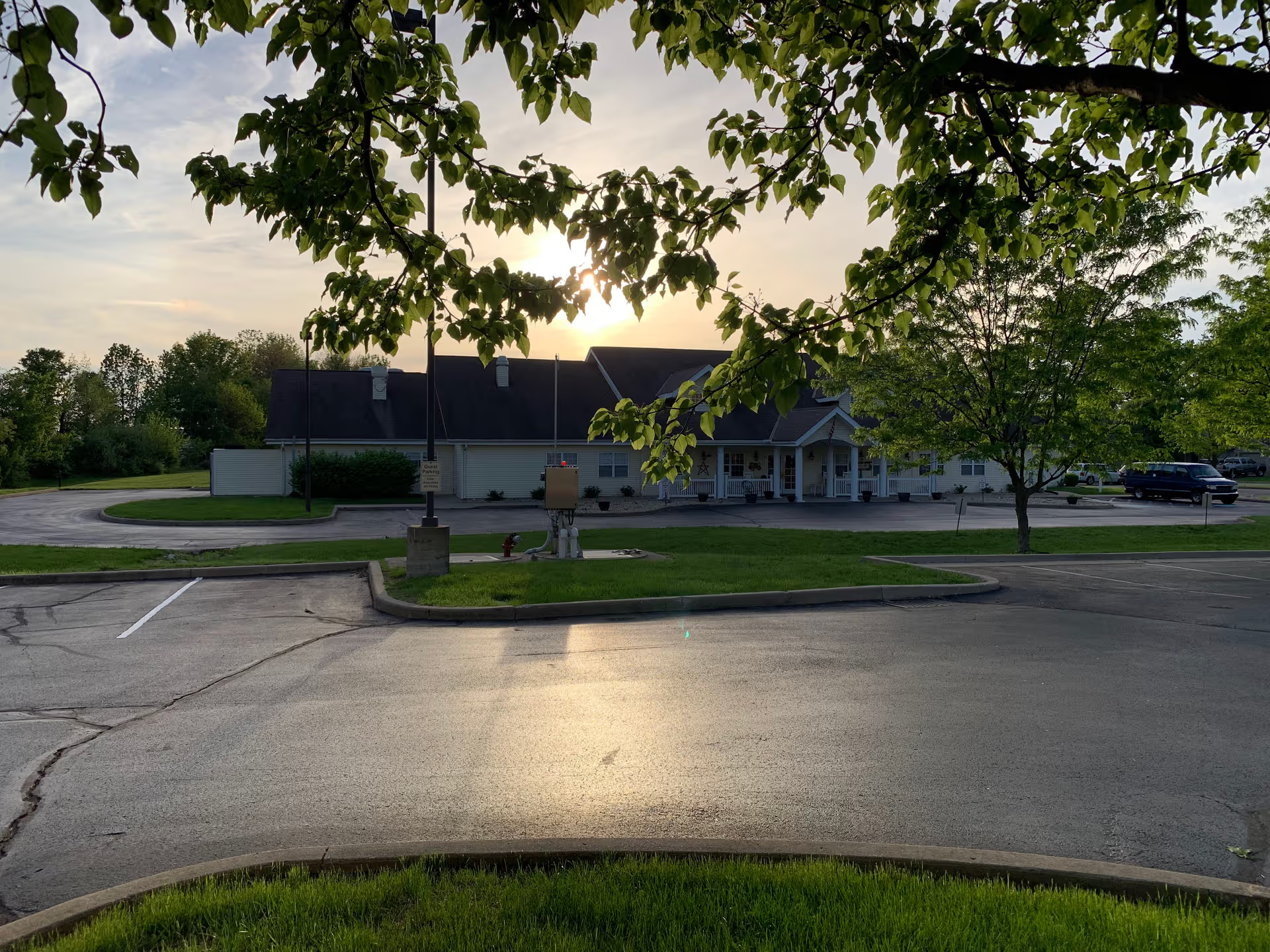
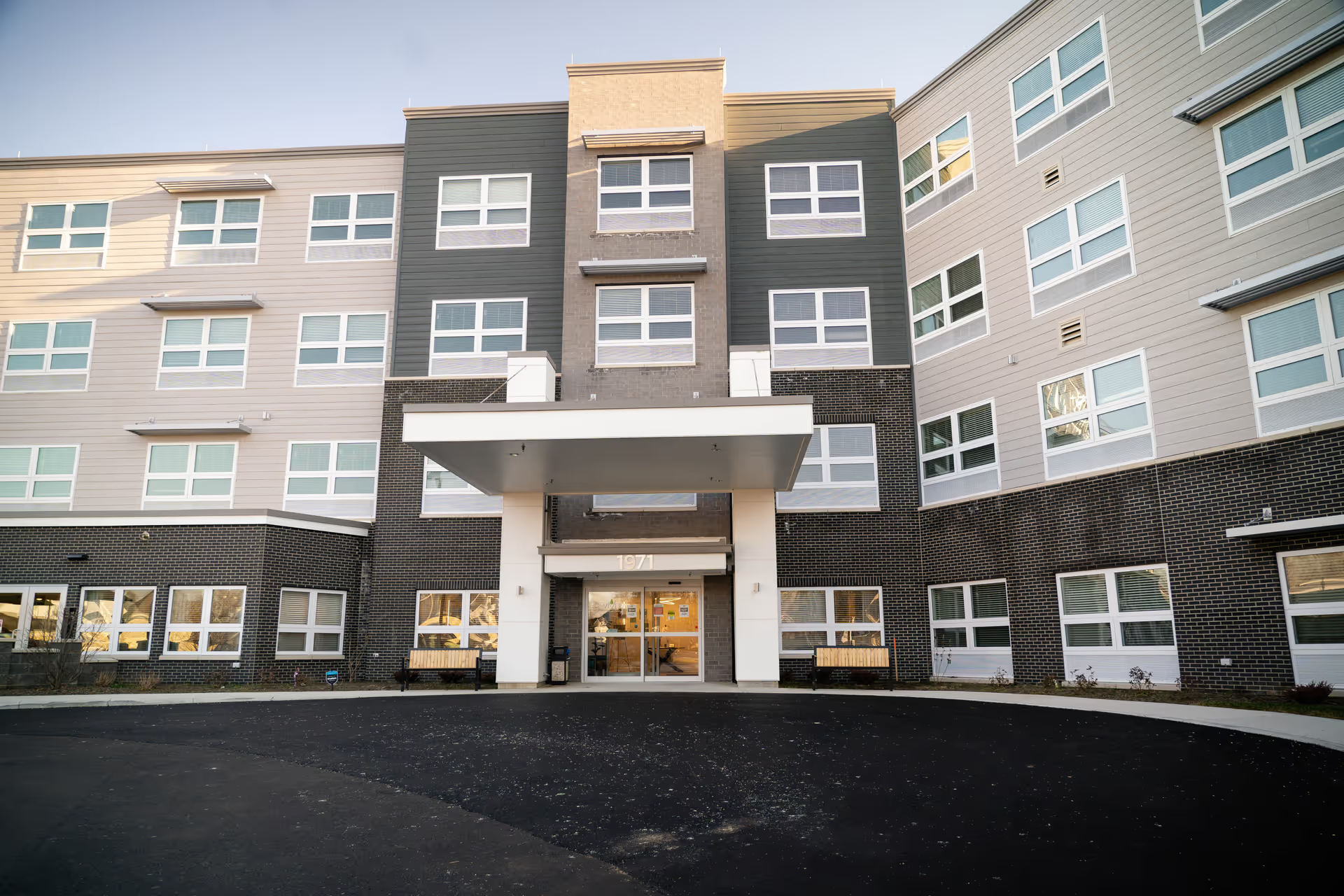
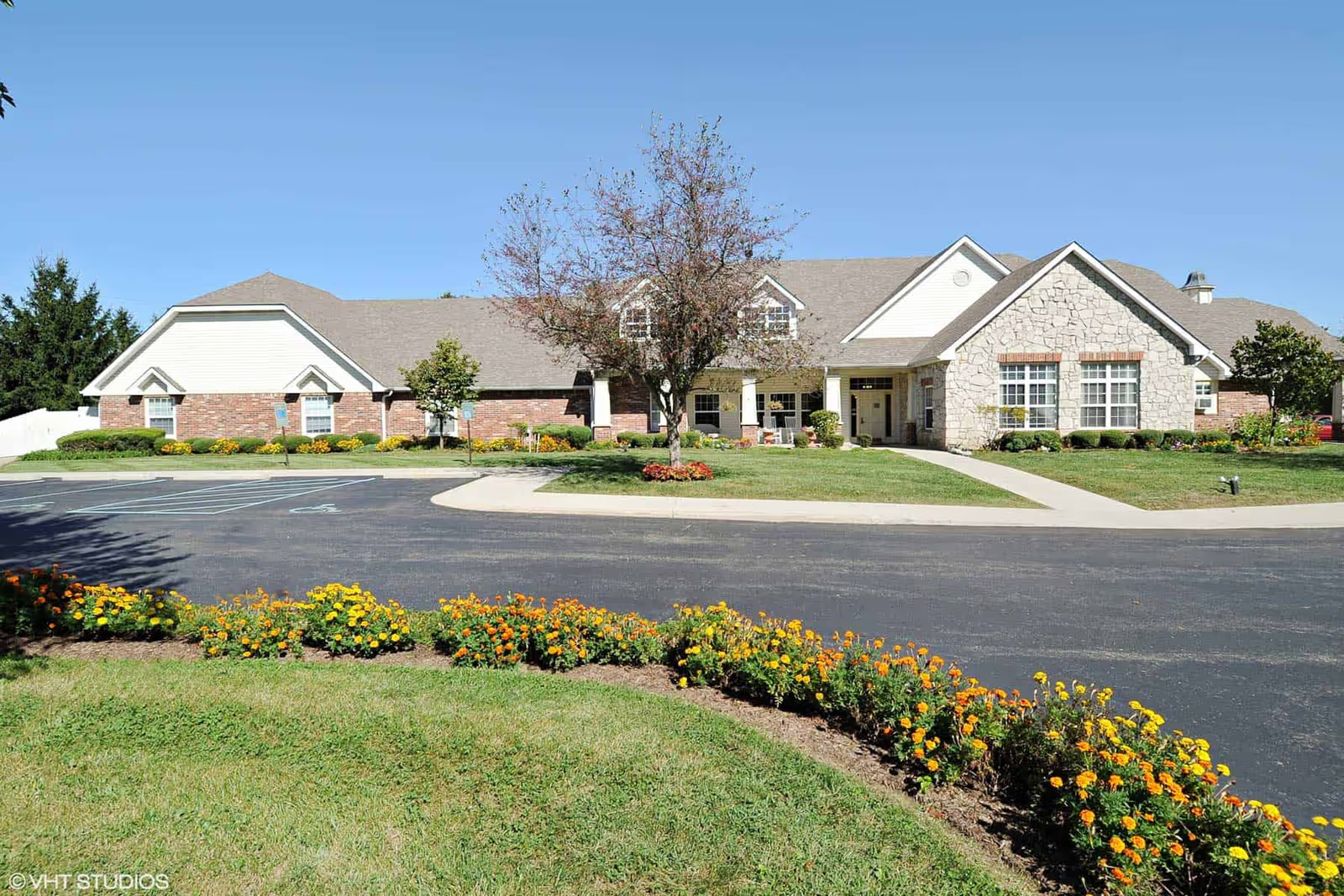
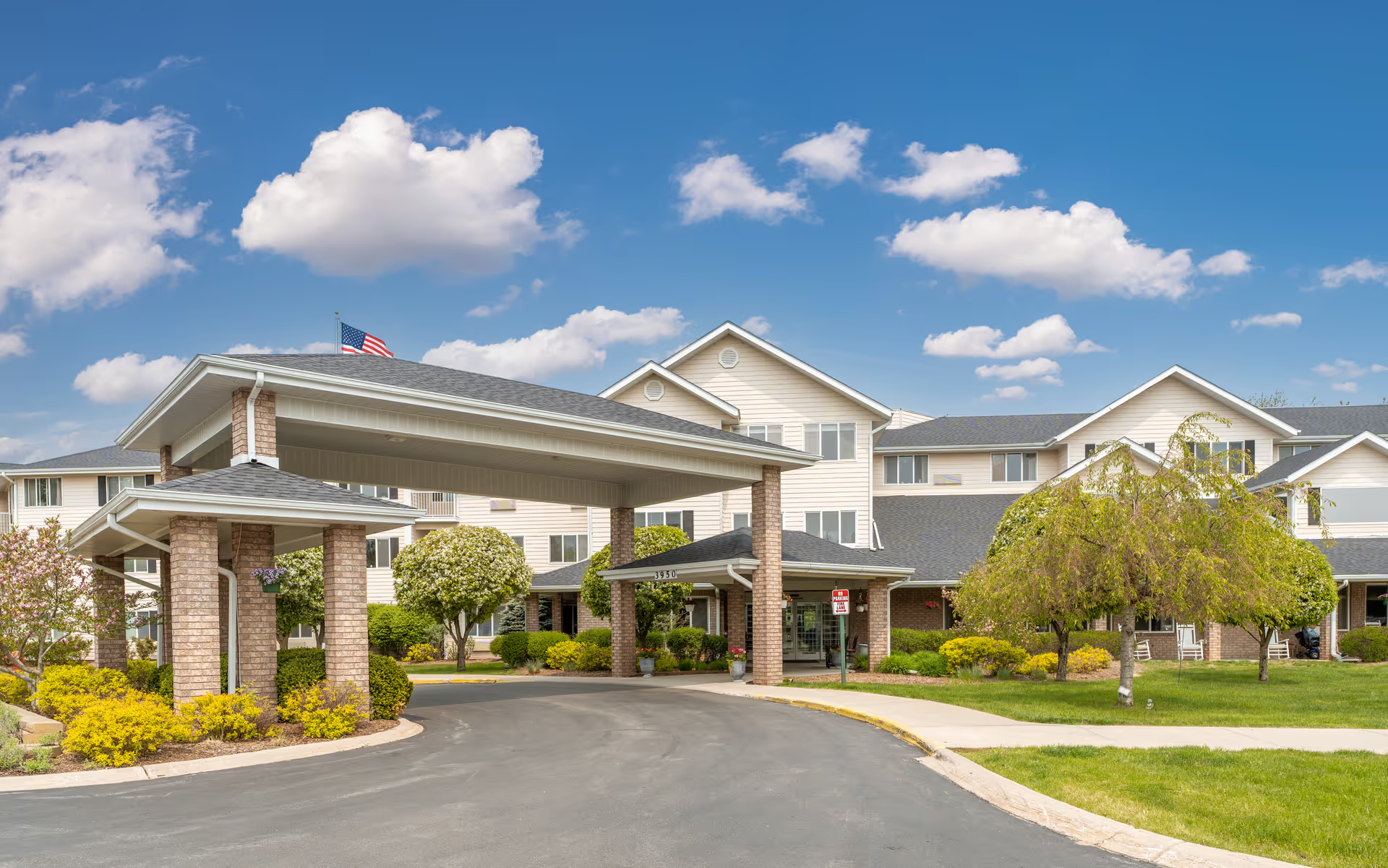
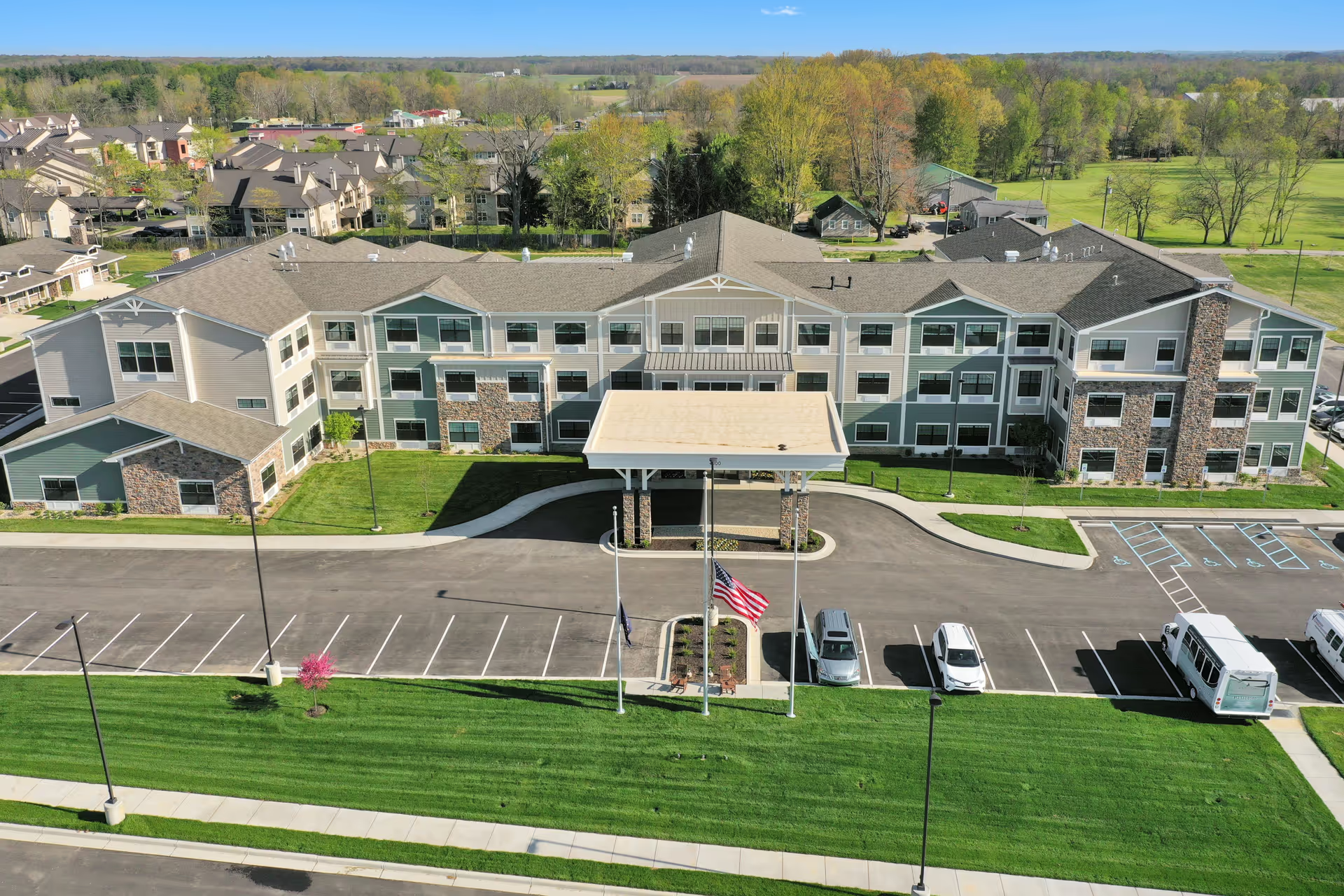
Autumn Trace North Vernon presents as a new, attractive senior living community with many facility-level strengths. Multiple reviewers praise the building’s appearance and upkeep — clean, sunny common areas, well-kept apartments, screened porches, laundry on each wing, and on-site amenities such as a beauty salon. Admissions and tour experiences are frequently described as informative and helpful, and the executive leadership receives positive mentions for responsiveness during some visits.
Staff and caregiving receive mixed but notable commentary. Many families and residents describe staff as compassionate, friendly, and professional — often characterizing the care team as family-like and willing to go beyond routine duties. Several accounts describe clear explanations of care scope, problem-solving beyond typical duties, and gratitude for hands-on assistance. At the same time, a recurrent operational concern is staffing continuity: reviews reference caregiver shortages, loss of experienced personnel, and periods without consistent on-site nursing coverage. Those staffing patterns are tied to reports of variable responsiveness and uneven care quality across different stays or shifts.
Dining and activities are generally seen as strengths, though not uniformly. Numerous reviewers highlight flavorful meals, daily-menu variety, and special events (for example, entertainment shows and themed activities). The community offers a schedule of daily activities with flexible participation, and reviewers mention both routine engagement and one-off attractions. Contrasting comments describe bland meals or limited off-site outings; these point to inconsistency in dining satisfaction and in availability of transportation for external activities.
Clinical oversight and management impressions are mixed. Positive feedback includes staff who provide peace of mind, clear communication about care plans, and compassionate attention during stays. However, some families raised concerns about infection-control processes and outbreak management, including questions about testing and follow-through after serious clinical events. Several reviewers also expressed reservations about operational oversight relative to the facility’s cost, suggesting uneven performance in day-to-day clinical and administrative coordination.
Taken together, the pattern is one of a well-appointed, welcoming facility with many staff members who deliver compassionate, resident-centered care and engaging programming — paired with operational vulnerabilities that affect reliability. Prospective residents and families would benefit from direct verification of current staffing ratios and on-site nursing schedules, inquiry into the facility’s infection-control and outbreak-response protocols, clarification of transportation and activity scheduling, and taste-testing or meal-sampling to assess dining consistency. These checks can help determine whether the facility’s strong amenities and many praised staff behaviors align with the level of clinical and operational reliability required for a particular resident’s needs.