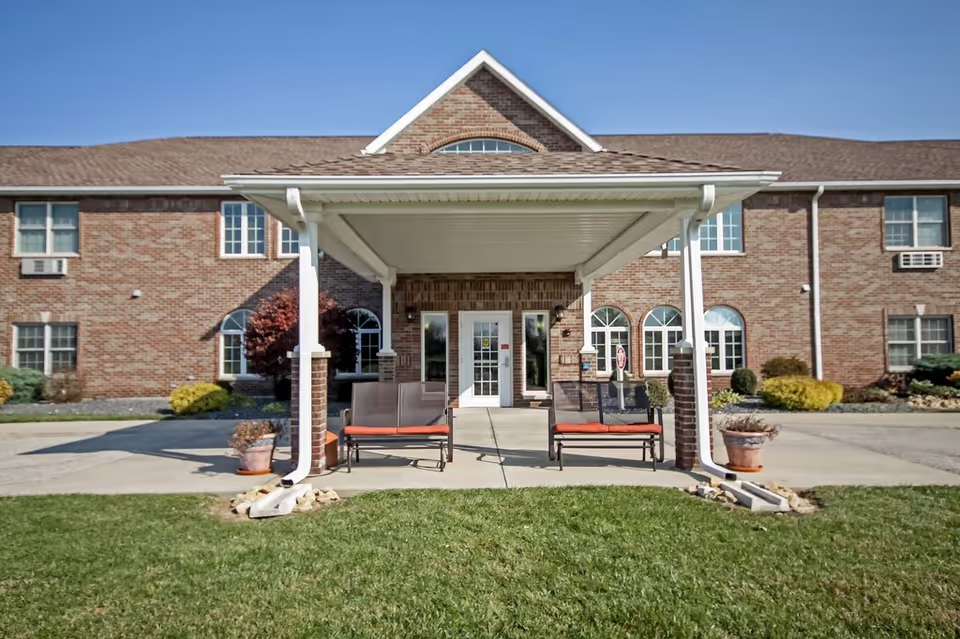
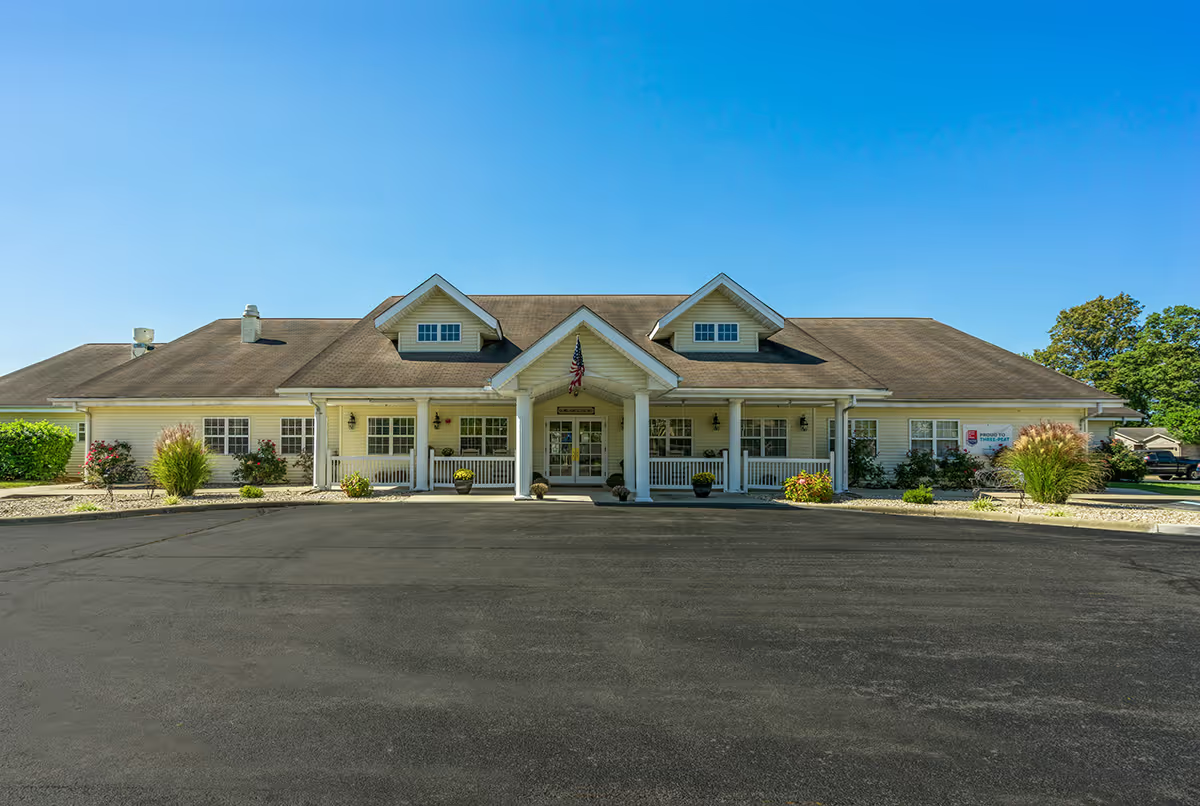
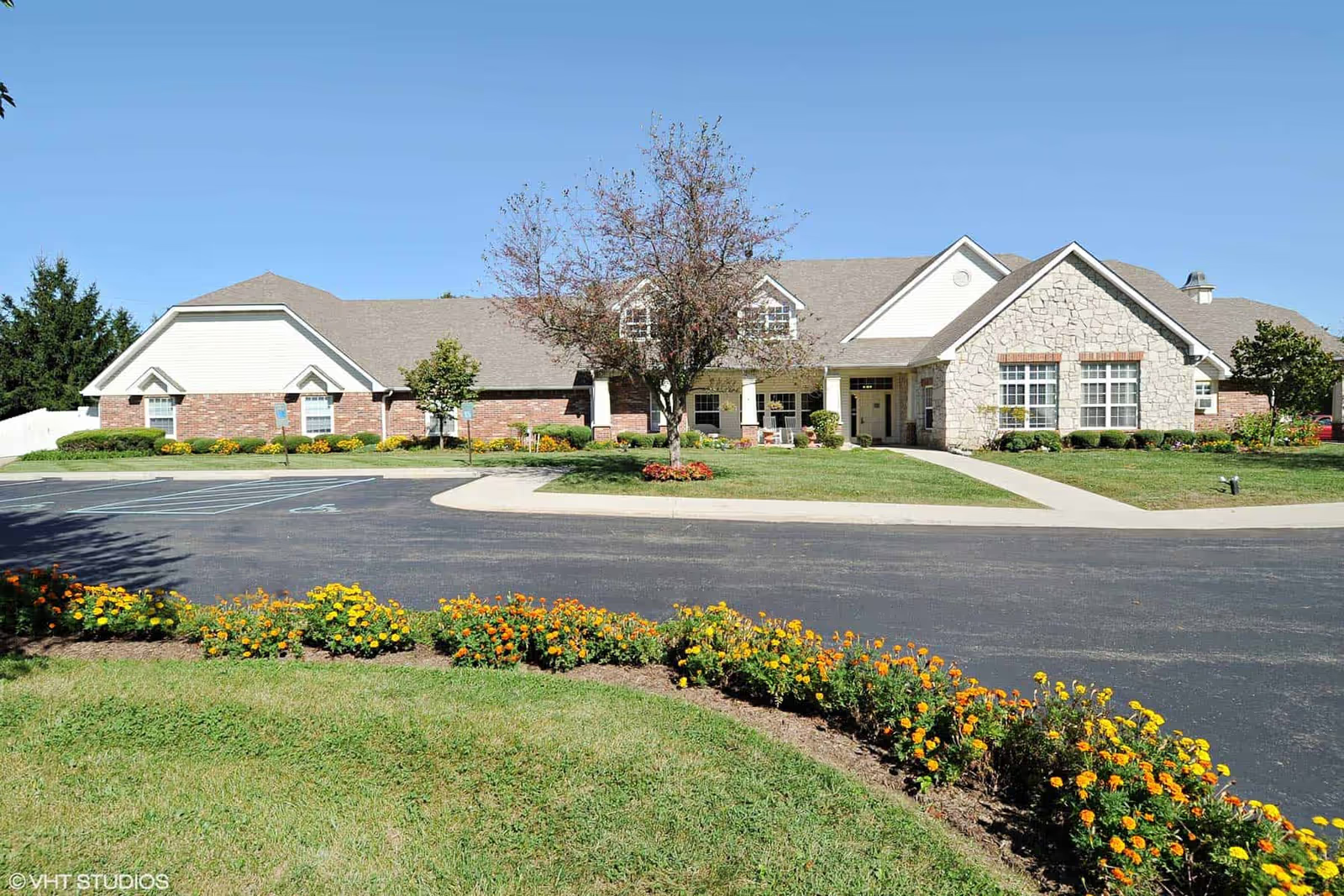
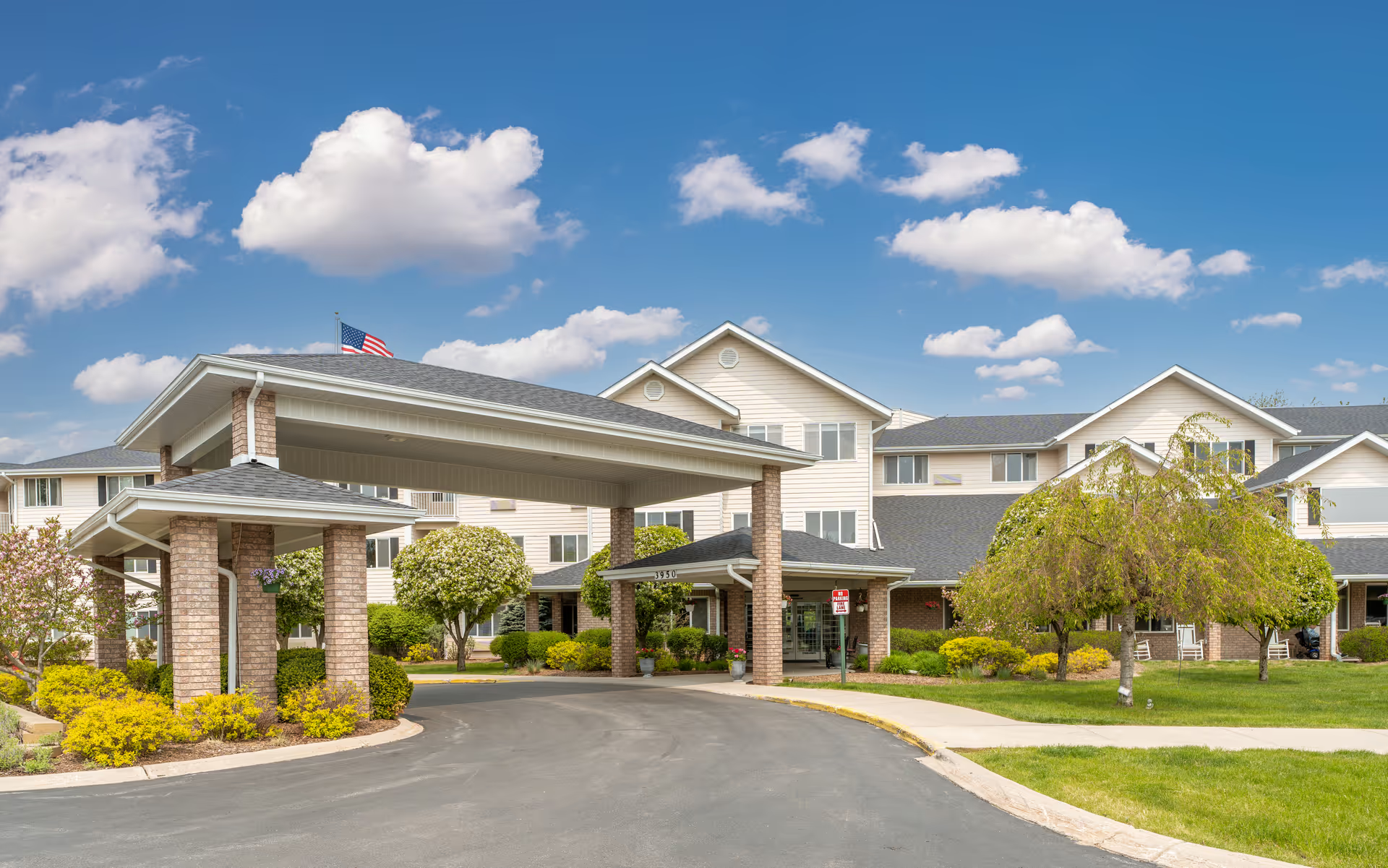
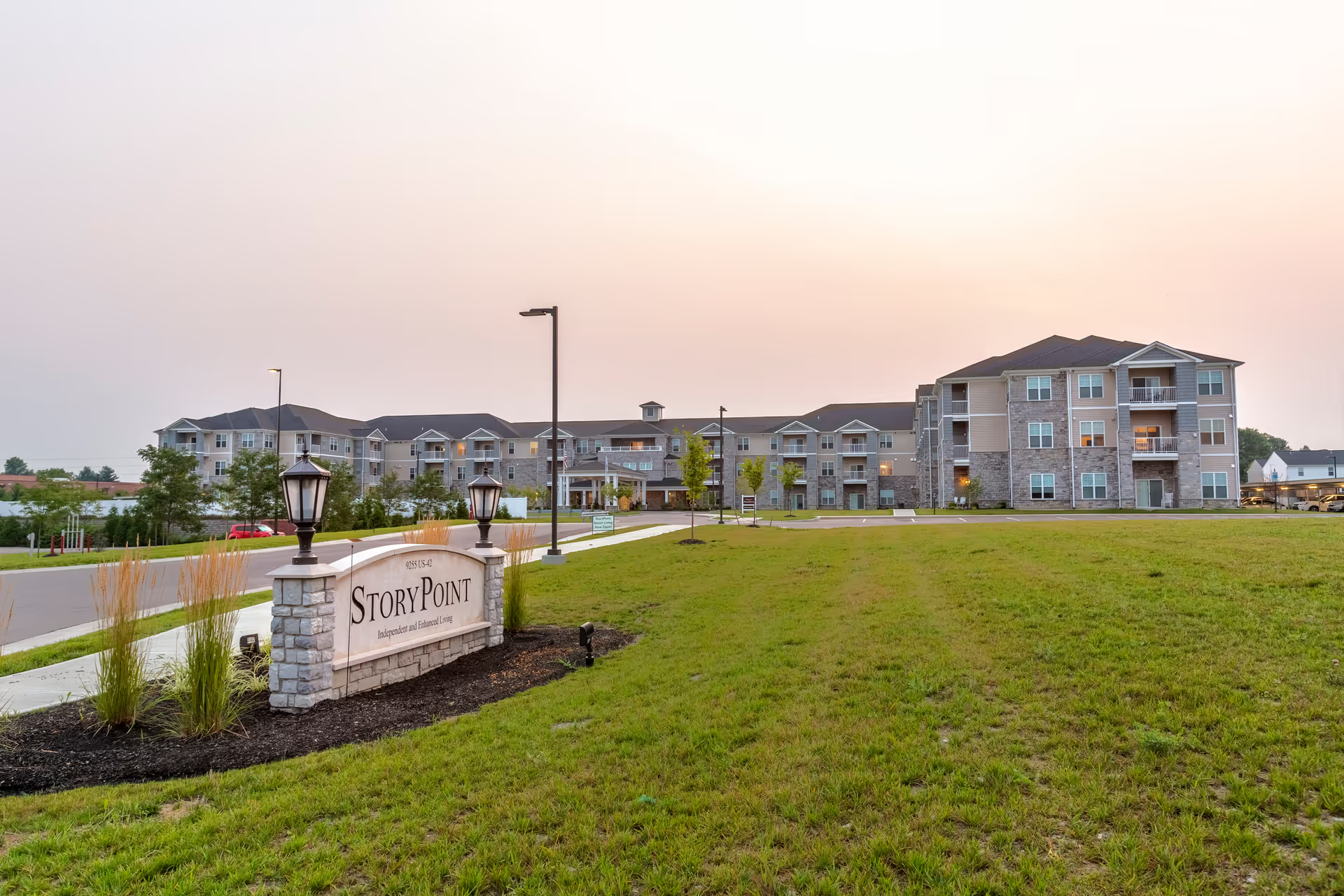
Overall impression: Reviews portray Manderley Health Care Center as a small, family-oriented facility with many strengths in day-to-day caregiving, housekeeping, dining, and therapy services. Families and visitors frequently describe a warm, homelike atmosphere; staff are repeatedly characterized as compassionate and committed, and administrators and the director of nursing receive positive mention for hands-on leadership. The facility is consistently described as clean and well maintained, with active rehabilitation programming and an engaged activities schedule that keeps residents involved.
Care and staffing: Clinical and direct-care staff — nurses, CNAs, therapists — receive substantial praise for compassion, professional competence, and a collaborative team approach. Several accounts highlight CNAs and therapists who go above and beyond routine duties and a night-nurse presence noted for positive engagement. At the same time, reviews indicate operational stressors: intermittent understaffing and periods when response times lengthen (for example, waits for assistance). These staffing limits appear to drive variability in responsiveness and contribute to occasional unevenness in care quality across shifts.
Dining, activities, and facilities: The dining program and kitchen leadership are presented as strengths, with reviewers noting accommodating dietary staff and generally satisfying meals. Housekeeping and maintenance are consistently mentioned as attentive, which aligns with frequent comments about cleanliness and orderly common areas. Activities and therapy are described as active and beneficial, particularly for short-term rehab patients; visitors report residents as engaged and comfortable during visits.
Management and communication: Management and ownership receive favorable comments for accessibility and family-oriented communication in routine matters. However, there are notable exceptions: some families reported breakdowns in communication during critical incidents and expressed concern about how certain serious events were handled and communicated. A subset of feedback describes initial problems that were later addressed, indicating that the facility has implemented changes that improved care for those residents. Prospective families should weigh the generally positive culture and strong therapy/dining/housekeeping services against occasional operational weaknesses — particularly staffing-related delays and variability in communication during high-acuity events — and may want to ask specific questions about staffing patterns, incident communication protocols, and recent quality-improvement measures during visits.