Reviewer feedback for Aperion Care Peru is notably mixed, with a clear pattern of strong interpersonal strengths alongside operational inconsistencies. Many families and visitors praised the caregiving teams for being compassionate, respectful and engaged; staff are frequently described as welcoming, attentive, and communicative. Multiple comments highlight effective admission support, helpful visit accommodations, and cases where rehabilitation and therapy staff produced positive outcomes. Dietary management and meal preparation are also cited as a strength by several reviewers who described professionally run food services and appealing meals.
At the same time, a substantial set of critiques point to operational weaknesses that affect day-to-day care. Concerns include inconsistent staffing levels and CNA coverage that appear to create delays in assistance. Reviewers described unreliable medication administration and missed or late personal-care tasks (for example, bathing and wound-care follow-up), as well as interruptions in promised post-discharge support and equipment delivery. Rehabilitation outcomes are described as uneven: while some residents had good progress, others experienced disappointing therapy results and limited follow-through after discharge.
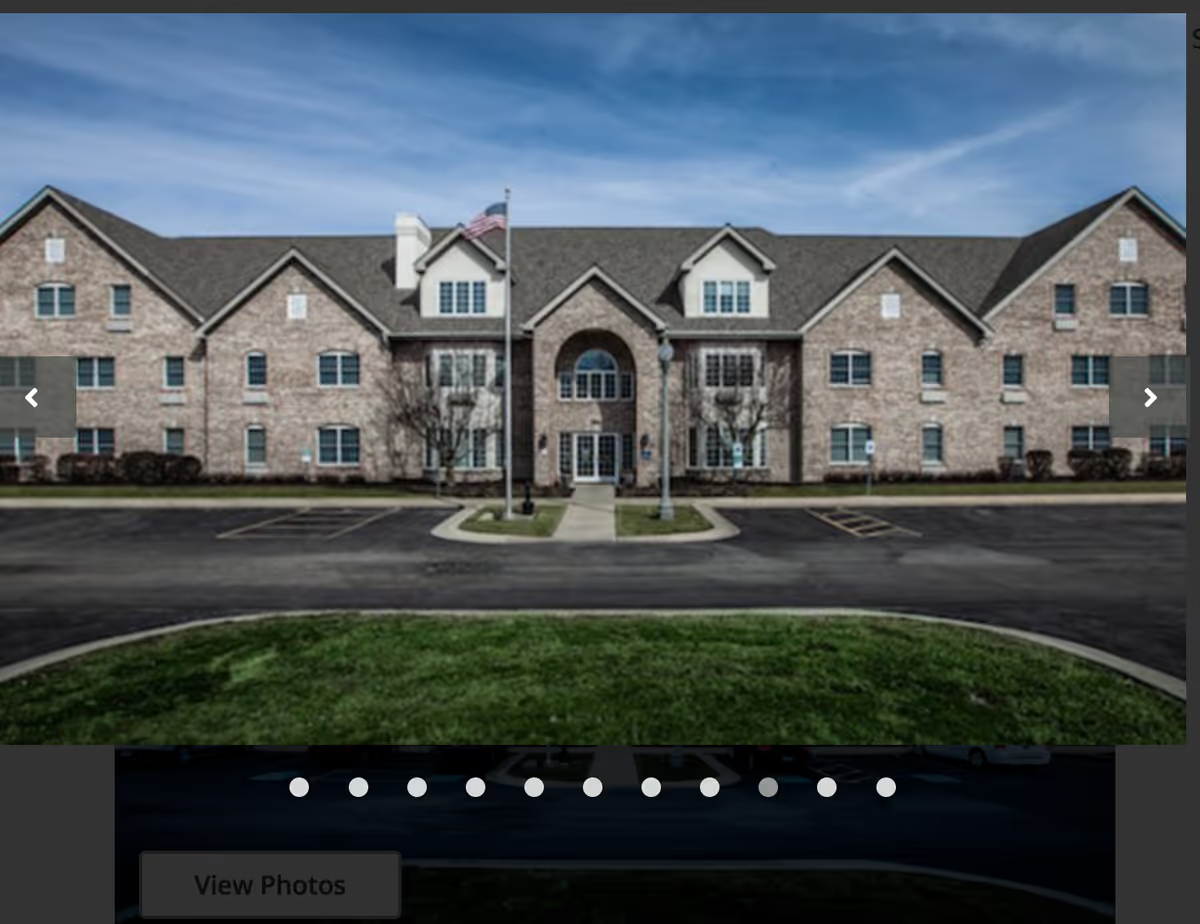
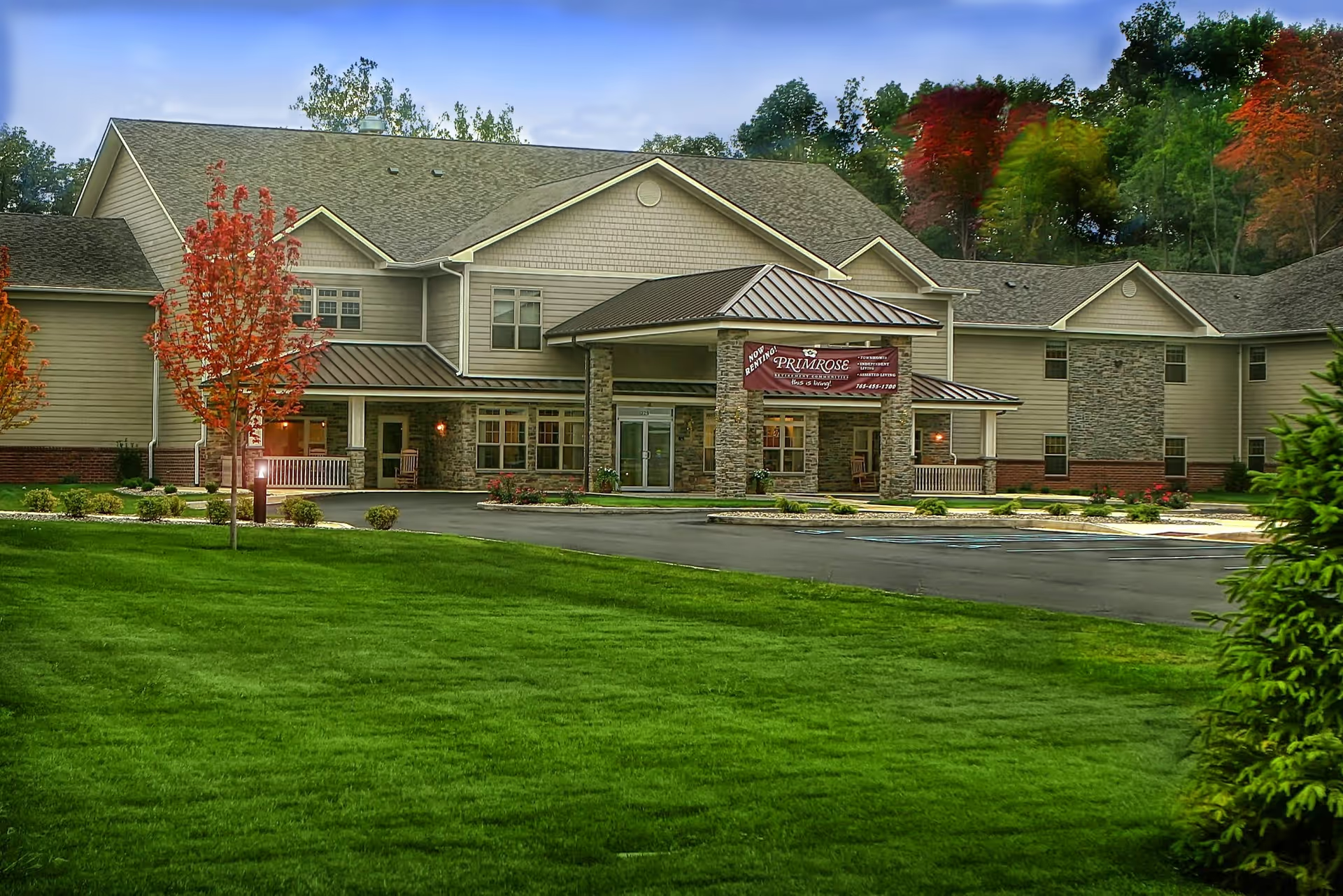
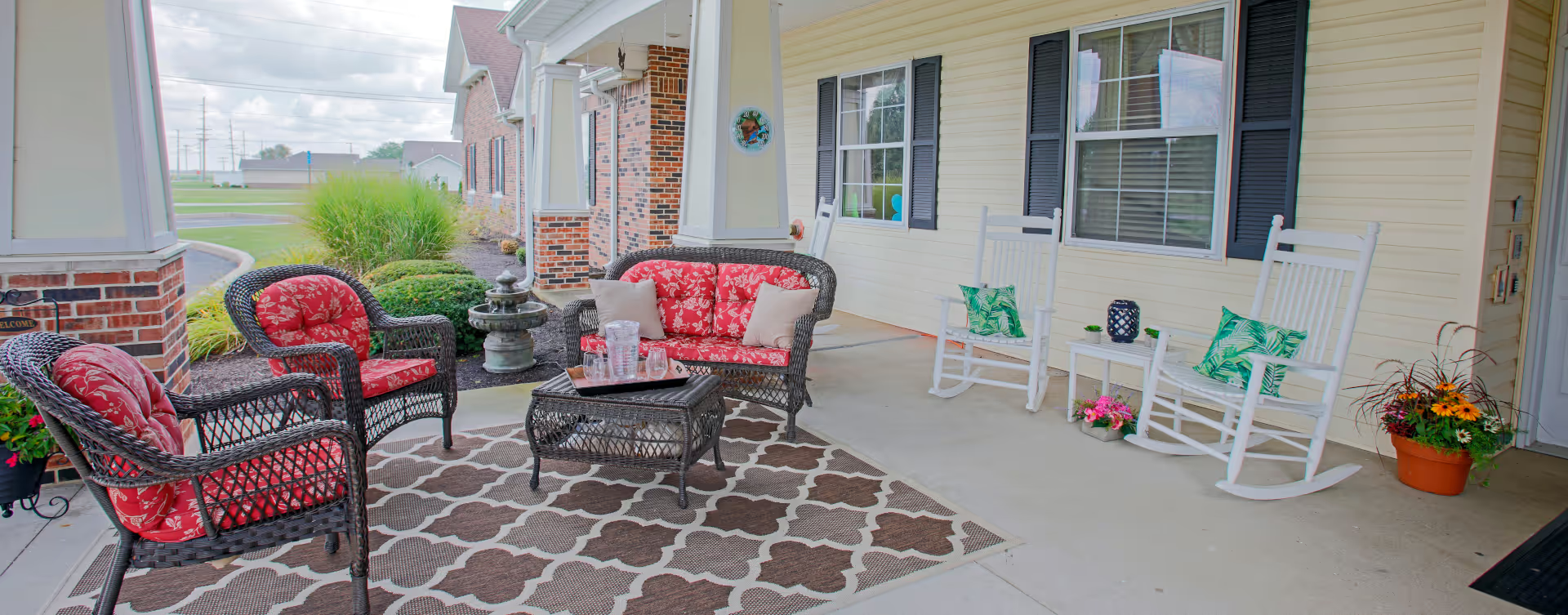
Dining and facility environment drew mixed reactions. While some reviewers praised the dietary manager and meal quality, others noted limited menu variety and a tendency toward uniform diets that reduce meal personalization. Physical environment observations vary: several accounts describe clean, well-kept areas, whereas others raise sanitation and odor-control issues in certain units and report temperature-control problems and muted décor in the memory-care neighborhood that contribute to a less comfortable atmosphere.
Safety, management, and regulatory issues are recurring themes. A subset of reviewers raised safety and security process concerns, including allegations of missing items, and some referenced external oversight or public inquiries into quality. Reports of variable staff conduct — ranging from warm and professional to brusque or dismissive — suggest unevenness in training, supervision, or staffing stability.
Overall, the facility appears to offer strong relational care and pockets of high-quality services, especially where staffing is stable and leadership is engaged. However, the mixed nature of reviews indicates variability in consistency and execution across shifts and units. Prospective residents and families would benefit from an in-person visit that specifically evaluates staffing ratios at relevant times, medication-administration procedures, bathing and wound-care schedules, post-discharge planning processes, security measures, temperature control in memory-care units, and menu flexibility. Requesting recent survey findings or regulatory reports and speaking with current family-members about consistency across shifts can help form a balanced assessment before placement.