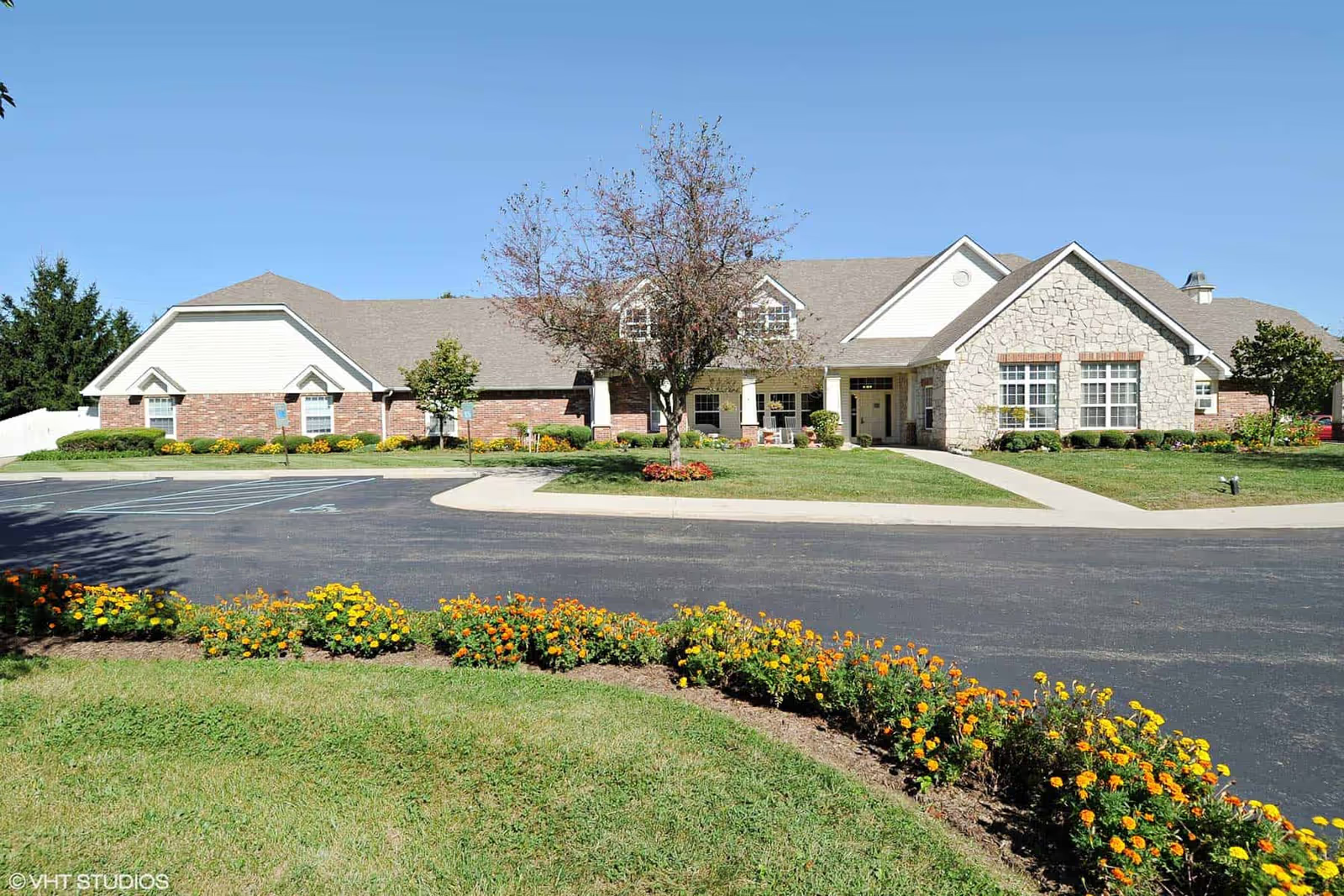
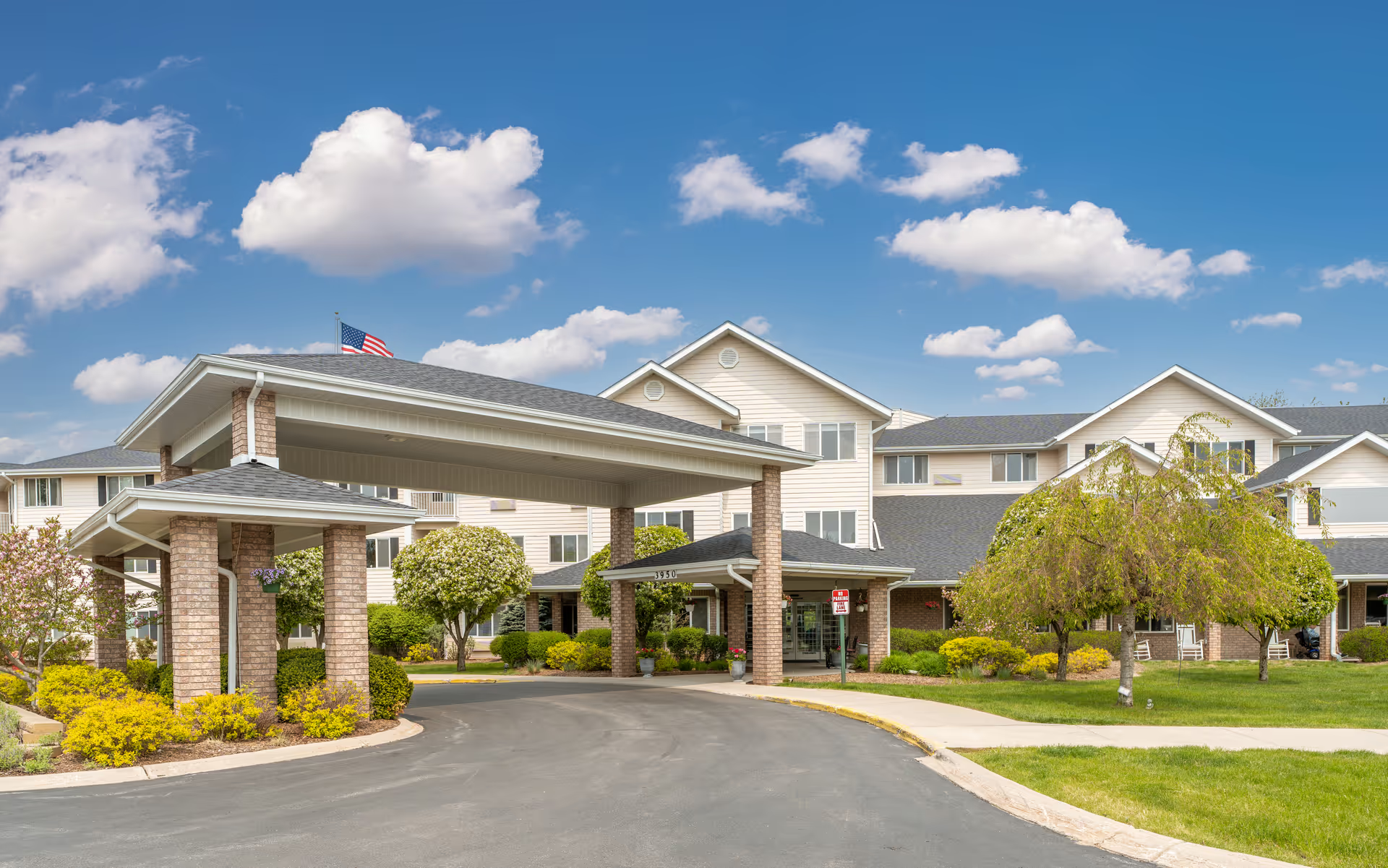
Overall impression: Seymour Crossing receives substantial positive feedback for its welcoming atmosphere, supportive staff, and strong therapy and dining programs. Many families describe a sense of community, noting friendly residents, frequent social programming, and staff who treat residents in a family-like manner. Multiple comments highlight effective rehabilitation outcomes and successful discharges home, which suggests a capable therapy department. Housekeeping and general cleanliness are consistently praised, and the campus location and common spaces support social engagement.
Care and staff: Reviewers commonly describe nursing and caregiving staff as attentive, professional, and compassionate. Positive anecdotes emphasize individualized attention, good communication from management, and staff who go above and beyond for residents. At the same time, there are notable concerns about inconsistent care quality and staff conduct: some feedback points to variability in responsiveness across shifts and specific instances where clinical escalation was delayed. These patterns indicate the facility may perform well under normal conditions but has occasional lapses in urgent clinical response and in the tone of staff–family communication.
Dining and therapy: Dietary services receive strong endorsement; reviewers use terms like exceptional and recommend the meals. Therapy and rehabilitation services are repeatedly credited with producing measurable improvements and successful returns home, suggesting structured programs and capable therapists. Those strengths are among the facility’s core positive attributes.
Activities and social life: Seymour Crossing appears to offer a robust activity schedule, including regular card games, chapel events, social gatherings, and special celebrations like a chapel wedding. The social environment is cited as a major contributor to residents’ wellbeing, with an active resident community and opportunities for engagement in lounges and communal spaces.
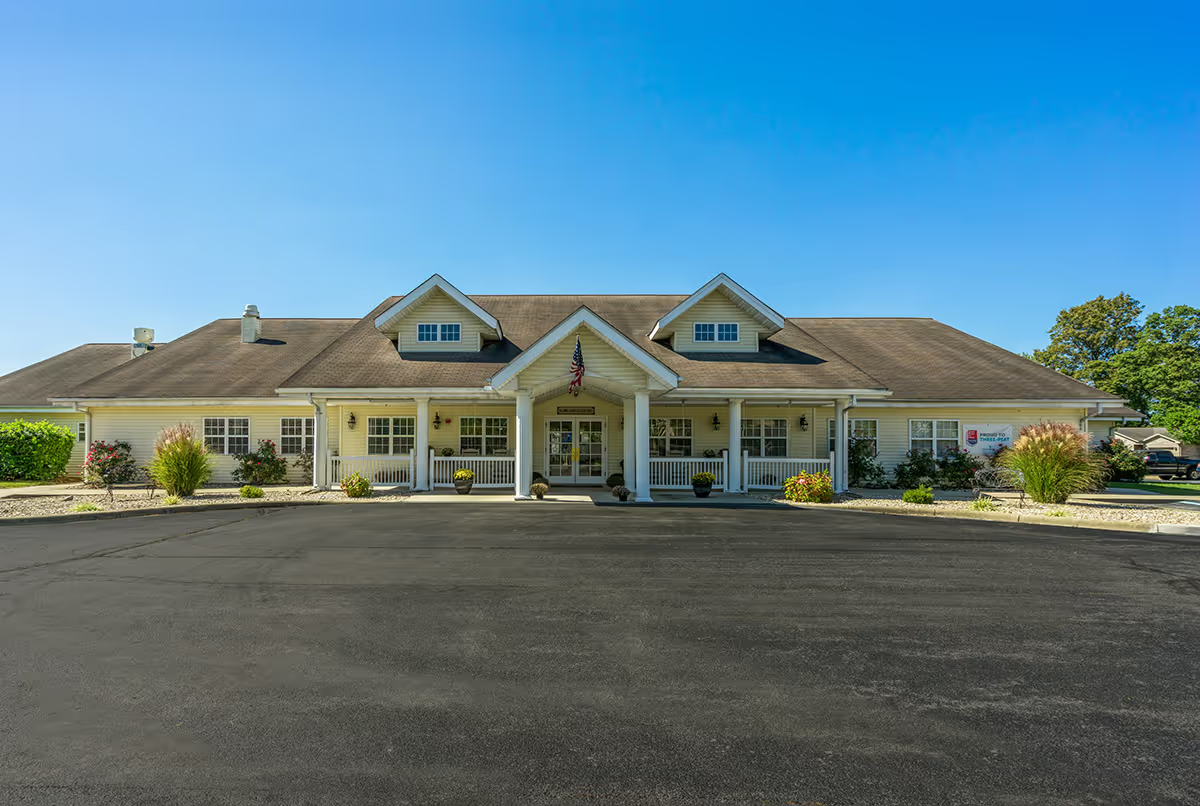
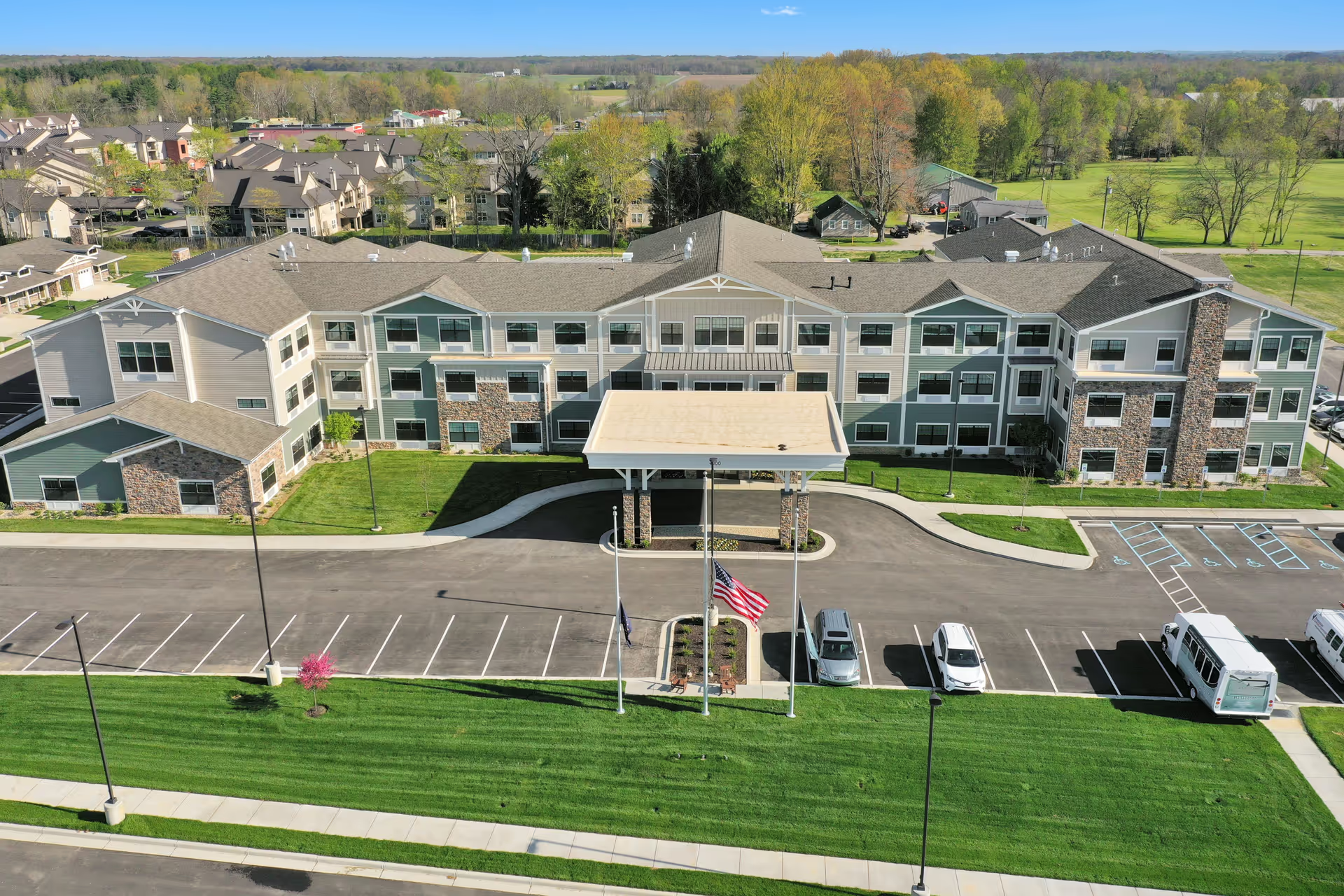
Facilities and management: The facility is generally described as clean and well-kept, with excellent housekeeping. However, several comments describe the building as somewhat dated, indicating that while maintenance is good, some areas may benefit from updates. Management is frequently described as responsive and accommodating, though there are also reports that communication around serious clinical incidents could be improved. A few serious complaints raise concerns about infection recognition and escalation; these are not the facility’s dominant narrative but are significant where they occur.
Notable patterns and takeaway: The dominant themes are strong interpersonal care, effective rehabilitation, good food, and an active social program within a clean, community-oriented setting. Counterbalancing that are operational concerns about occasional lapses in clinical responsiveness, infection-control monitoring, and consistency of staff conduct across shifts. Prospective residents and families would likely benefit from touring the facility, observing current staffing patterns, and asking targeted questions about clinical-incident protocols, infection-control practices, and recent improvements to the physical plant and staff training. This balanced view reflects frequent praise for day-to-day life and therapy outcomes alongside isolated but serious clinical concerns that warrant direct discussion with facility leadership.