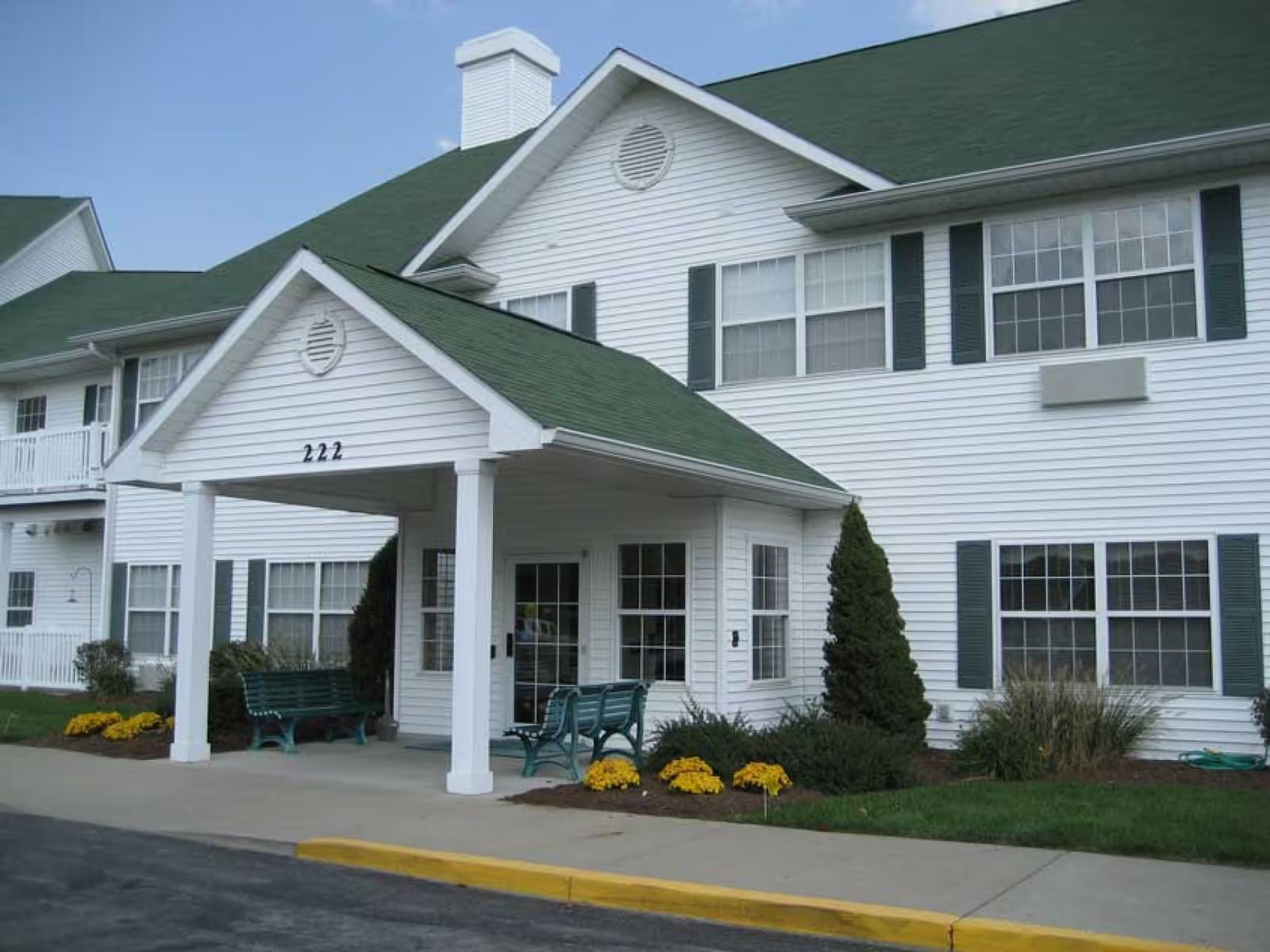
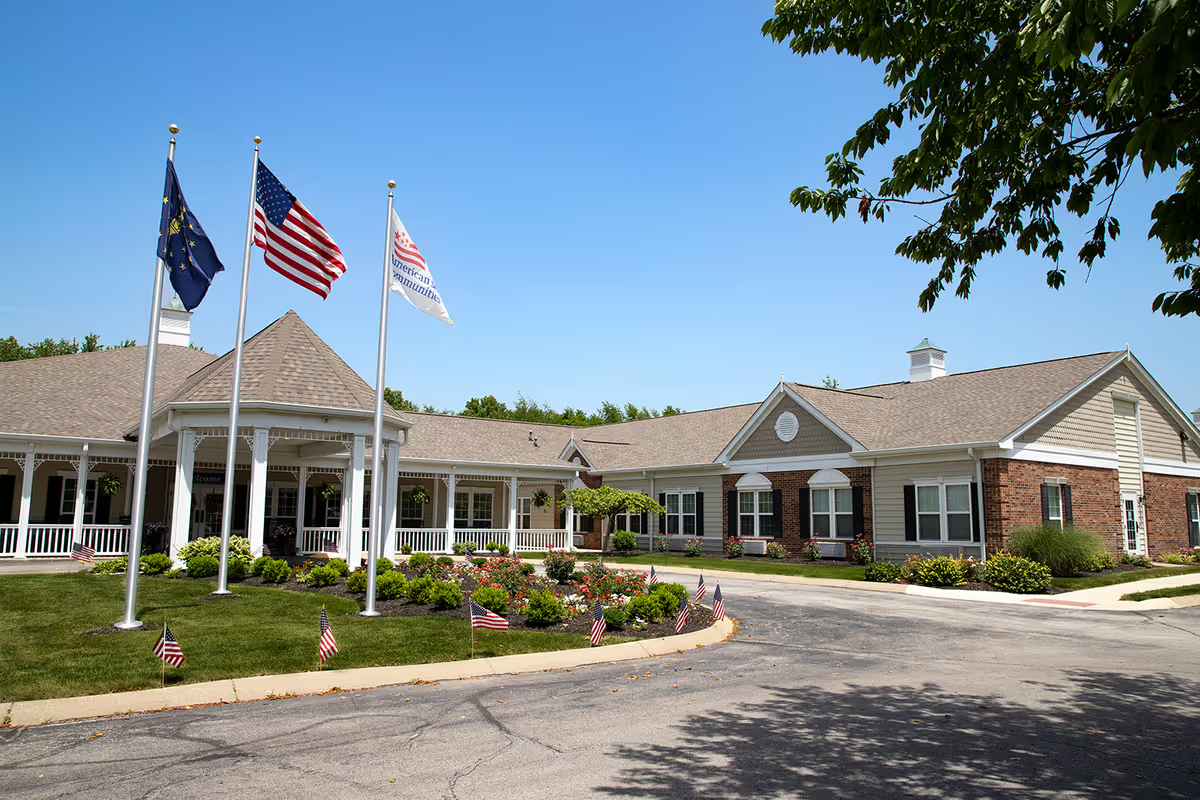
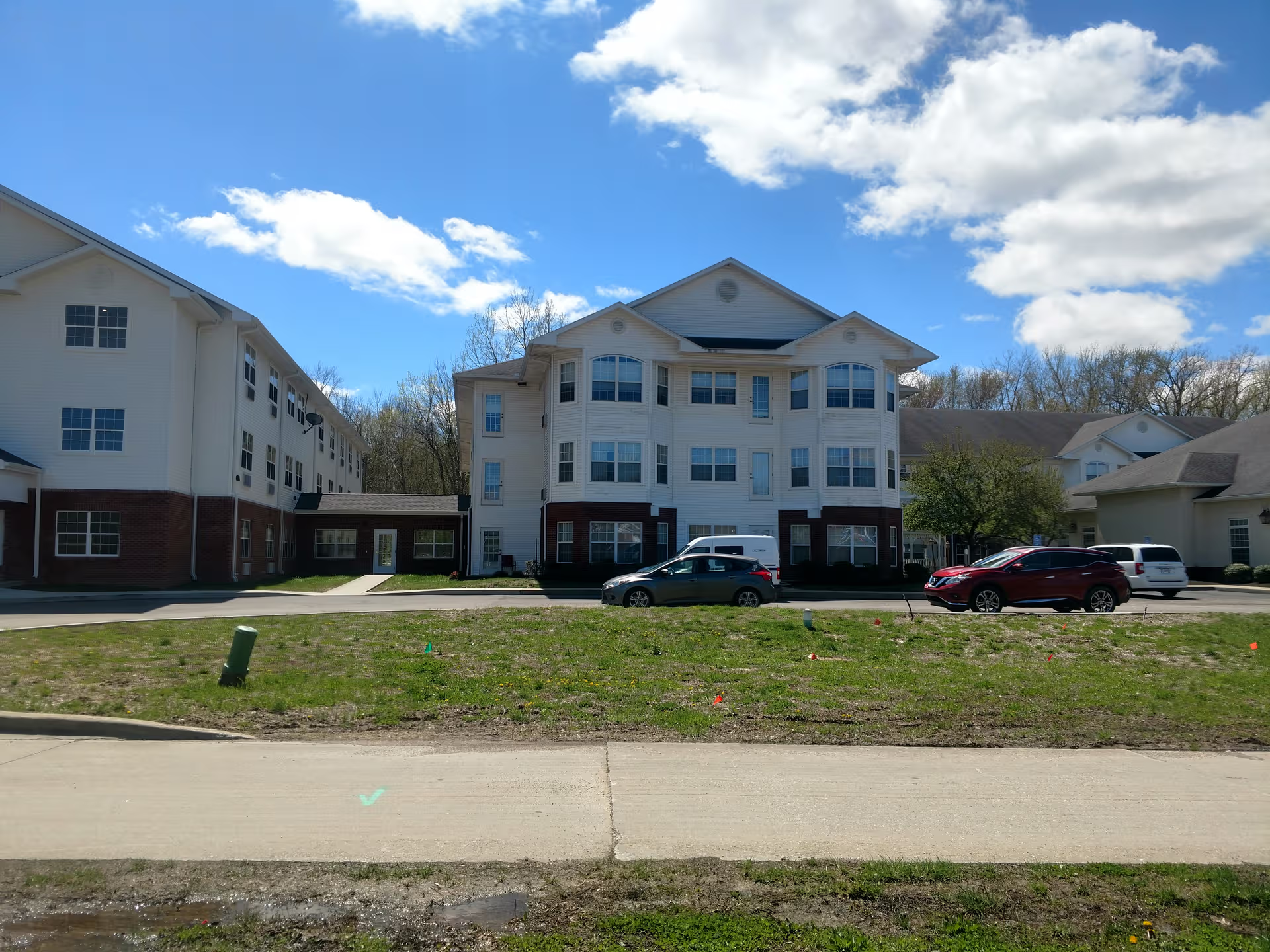
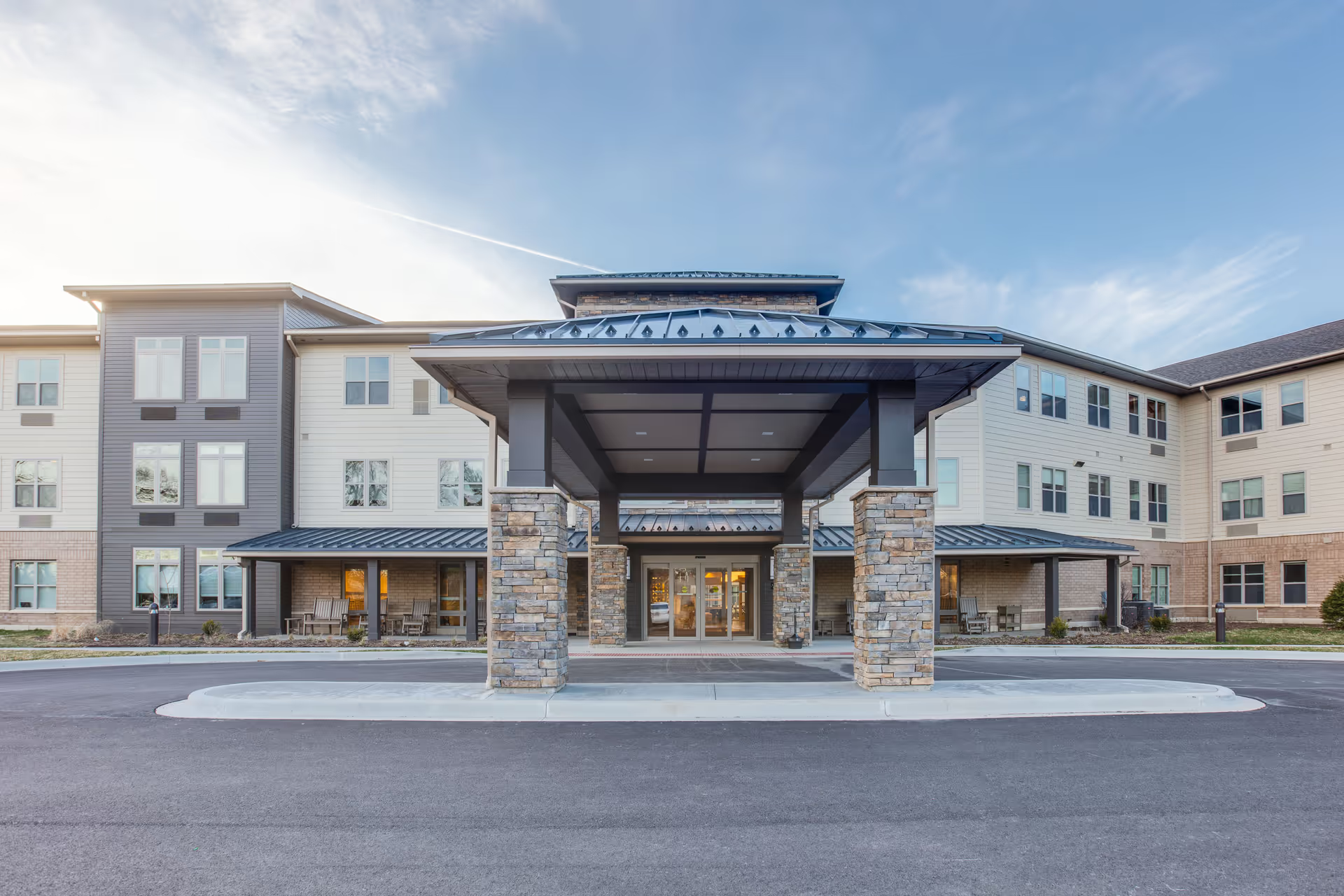
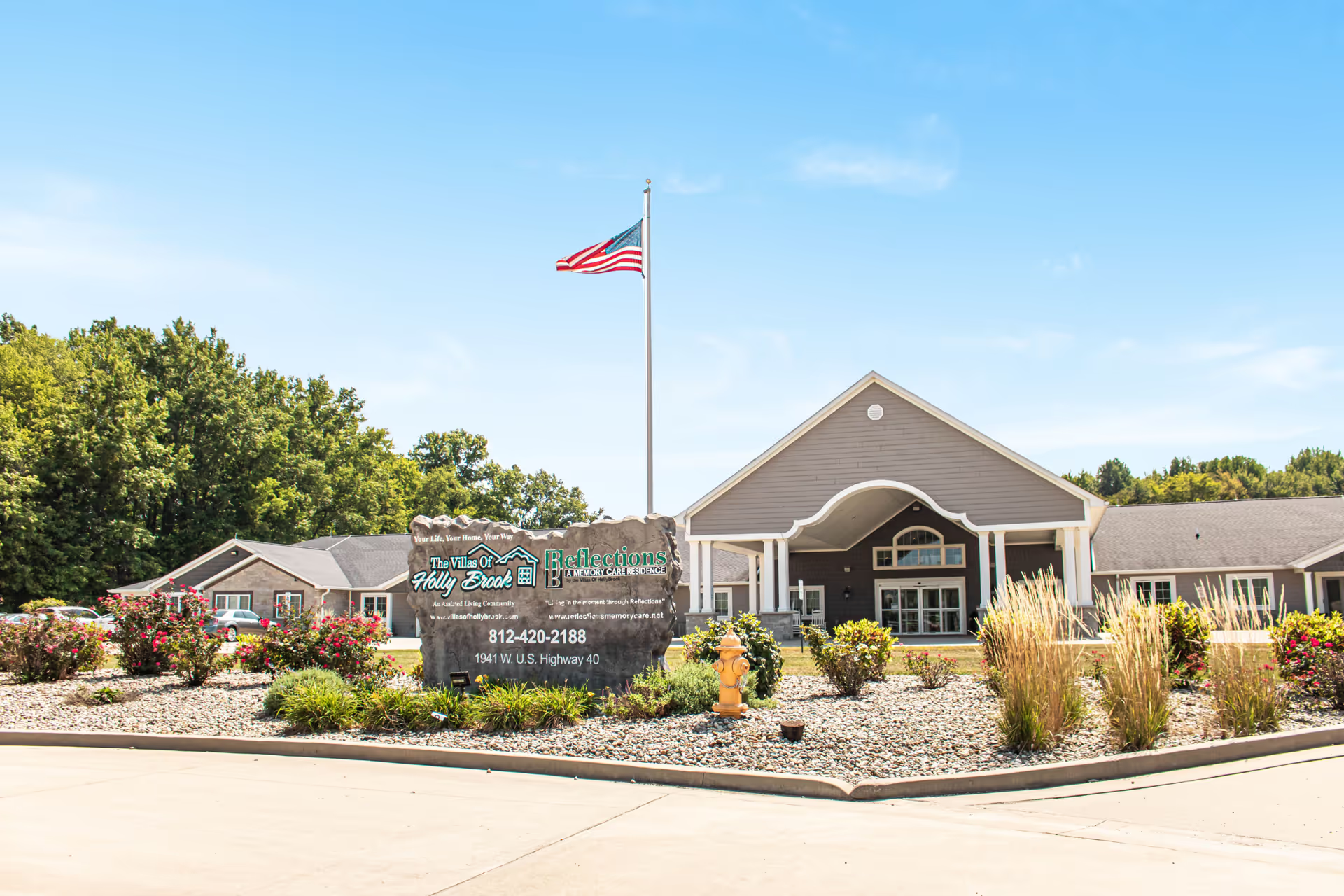
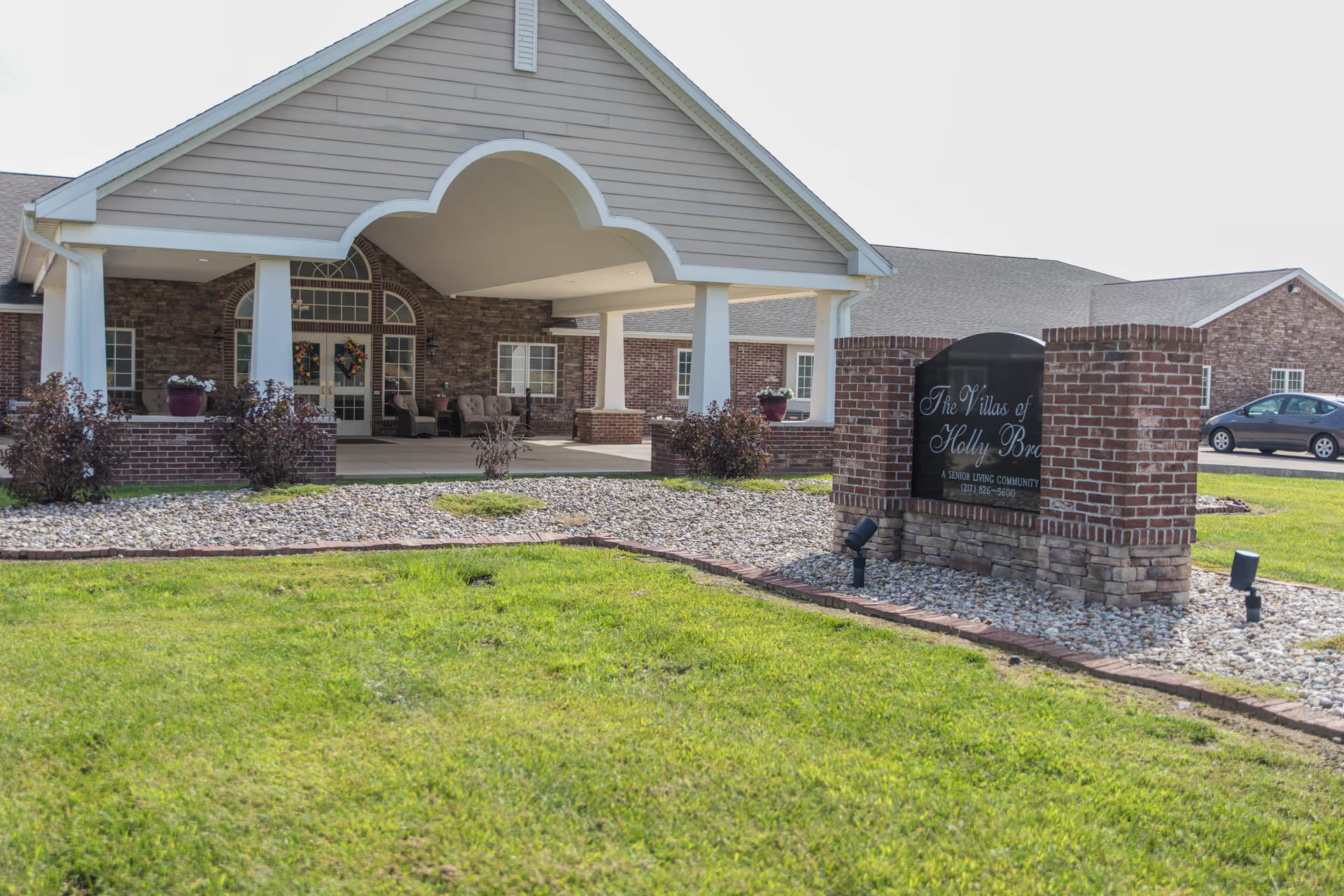
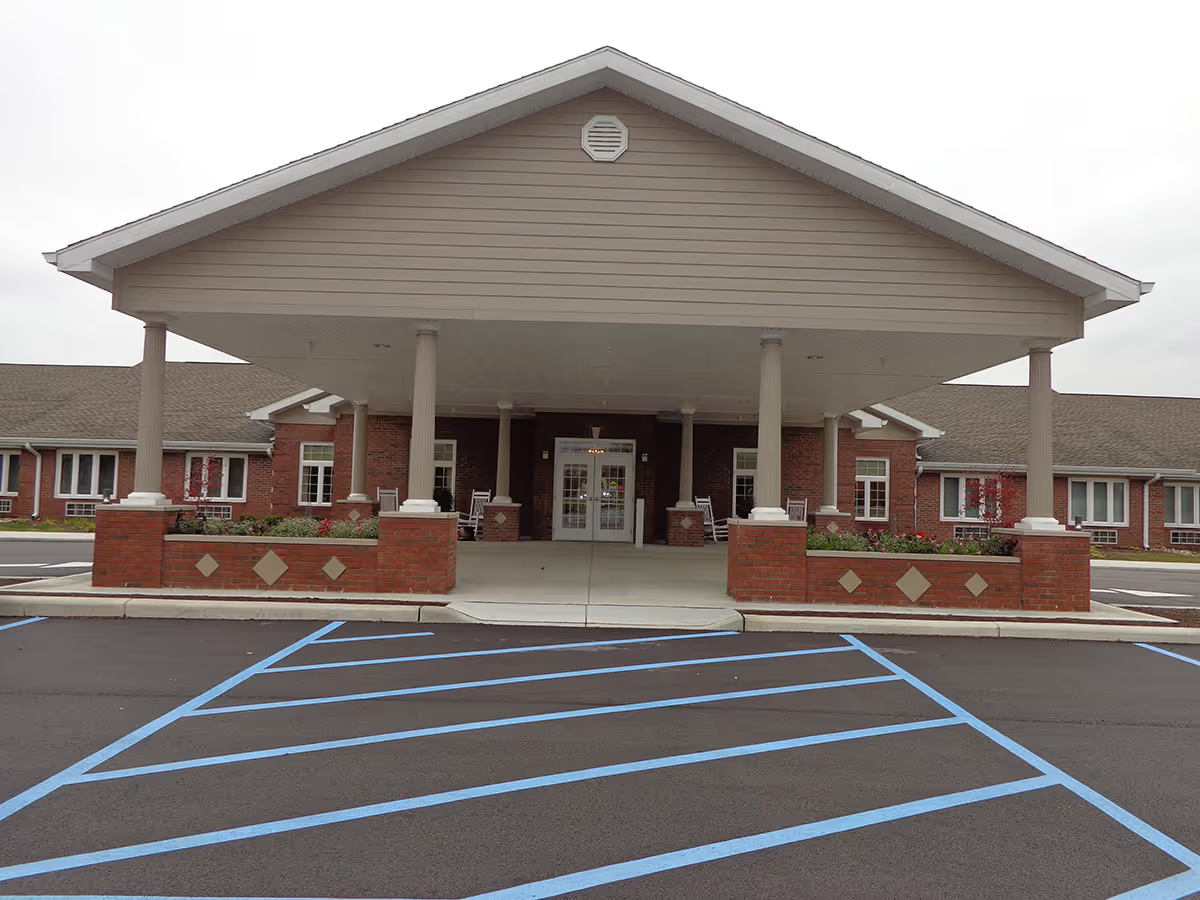
Reviews describe a facility with clear strengths in amenities, social programming, and certain aspects of clinical access, paired with recurring operational challenges. Positive accounts emphasize a welcoming front desk, friendly staff, attractive common areas (including a bird sanctuary), and available private rooms that are often described as clean and comfortable. Families frequently note a pleasant dining room and a varied menu, an active calendar of arts, music, crafts and church services, onsite amenities such as a billiard room and beauty shop, and organized family-friendly events. Clinical access is sometimes cited as a strength via daily physician and respiratory visits and available hospice services.
At the same time, there are repeated concerns about basic operational consistency. Many reviewers describe uneven staffing levels and slow responses to requests, which are tied to reports of delayed assistance for toileting, bathing, and mobility help. Several accounts indicate gaps in clinical monitoring and medication-administration controls; one account specifically raised an allegation of a medication-related adverse event. These patterns point to potential weaknesses in clinical oversight, handoffs, and incident response procedures.
Sanitation and maintenance are mixed: while some resident rooms and public spaces are described as well-kept, other accounts identify cleanliness issues in rooms and bathrooms, broken or poorly maintained equipment, and exterior maintenance shortfalls. Housekeeping inconsistencies interact with reports of lost or mishandled personal items and laundry problems, creating family frustration around personal-property handling and asset accountability.
Communication and management responsiveness emerge as a major theme. Families report delayed or incomplete notifications about clinical changes and end-of-life events, difficulty reaching corporate or administrative contacts, and a perception of limited accountability when problems are raised. There are also repeated remarks about staff conduct and tone — including unprofessional comments, gossiping, and poor bedside communication — which contrast sharply with other reviewers who praise individual caregivers as compassionate and attentive.
Dining and activities are generally strengths, with many families noting engaging programming and pleasant meals; however, there are operational inconsistencies such as restricted kitchen access during some meal periods and uneven meal-assistance practices for residents who require help eating. Therapy and rehabilitation services are sometimes described as delayed or inconsistent, which affects families seeking predictable rehab pathways.
Overall, the facility appears to offer substantial amenities and certain areas of strong clinical availability, but those positives are counterbalanced by systemic issues in staffing consistency, clinical monitoring, sanitation/maintenance, property handling, and family communication. Prospective residents and families should weigh the facility’s activity and amenity offerings and available clinical services against these operational risks, and consider asking for current staffing ratios, incident-response protocols, medication-administration safeguards, and documentation of housekeeping and maintenance practices before placement.