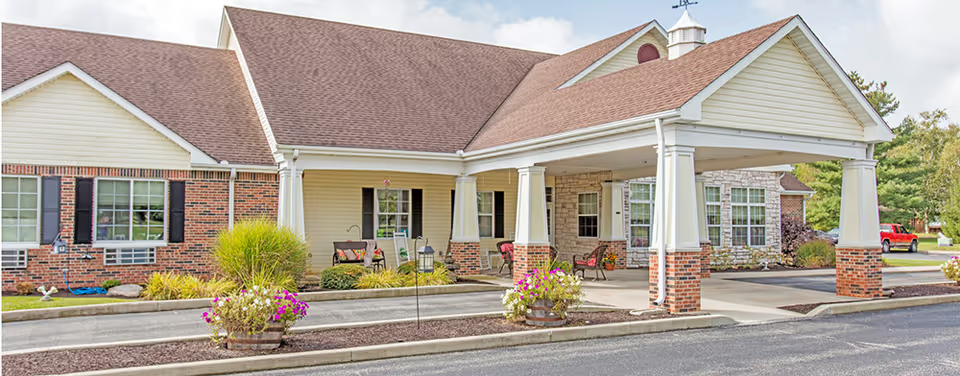
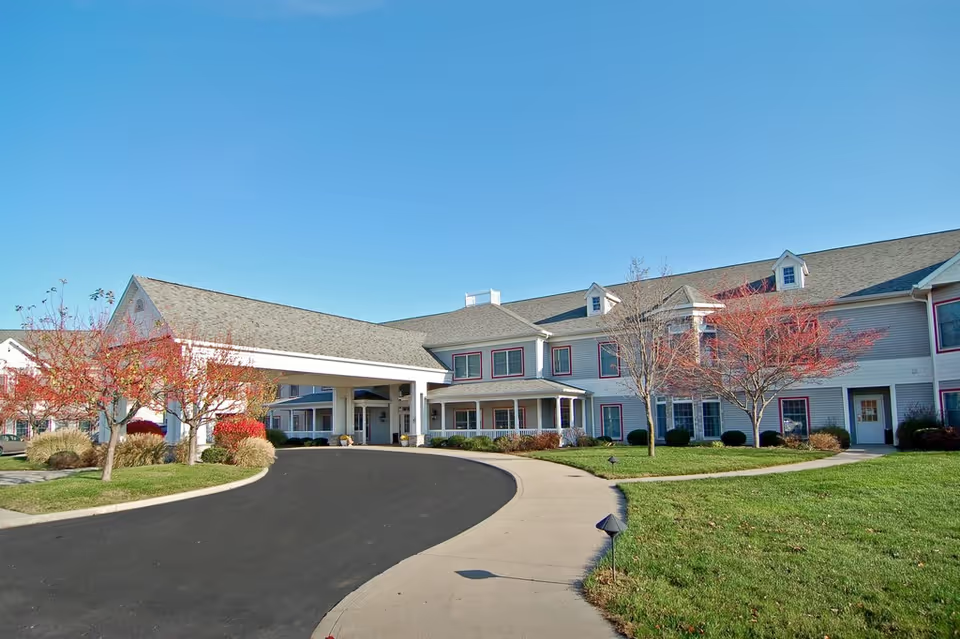
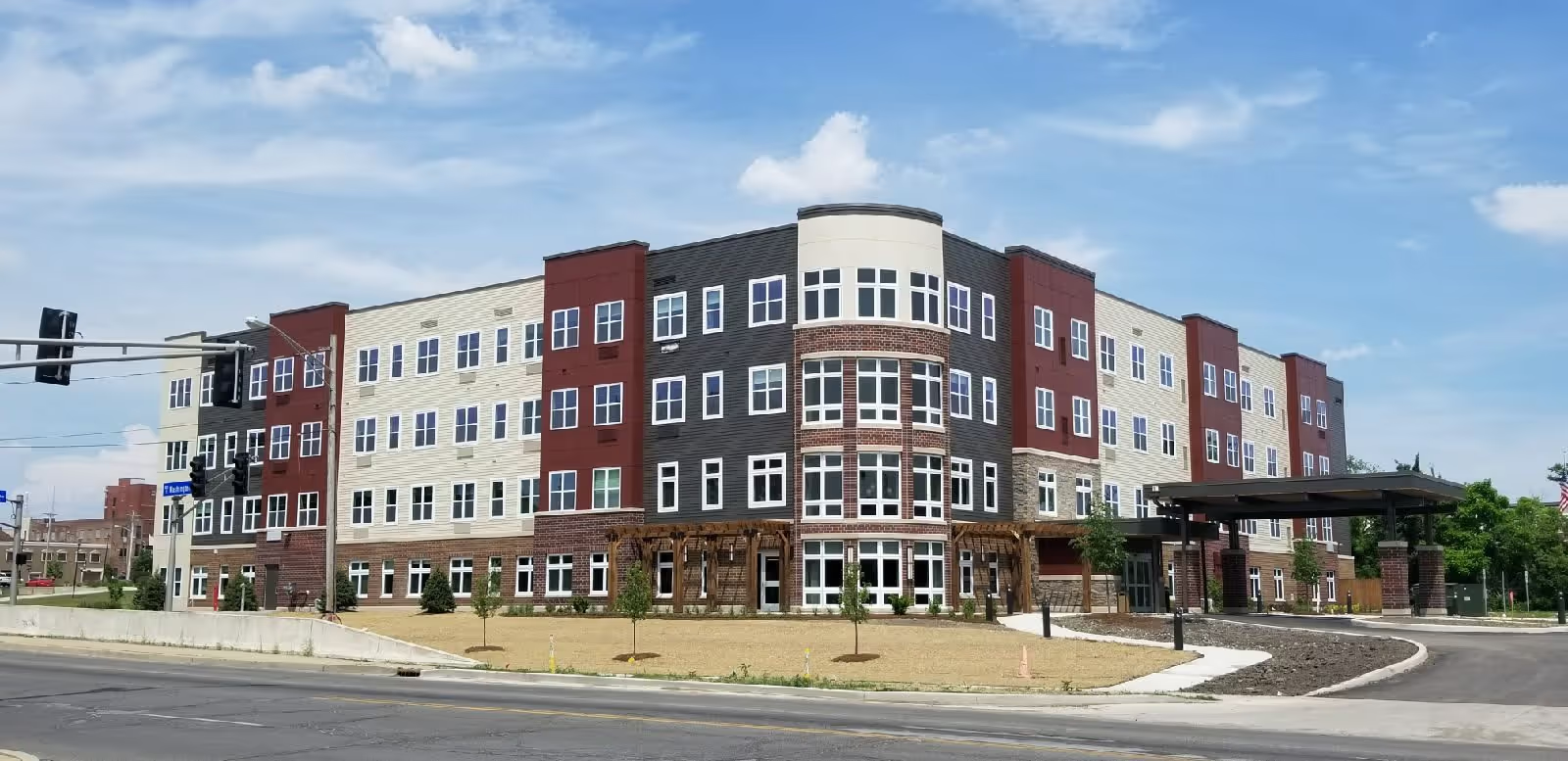
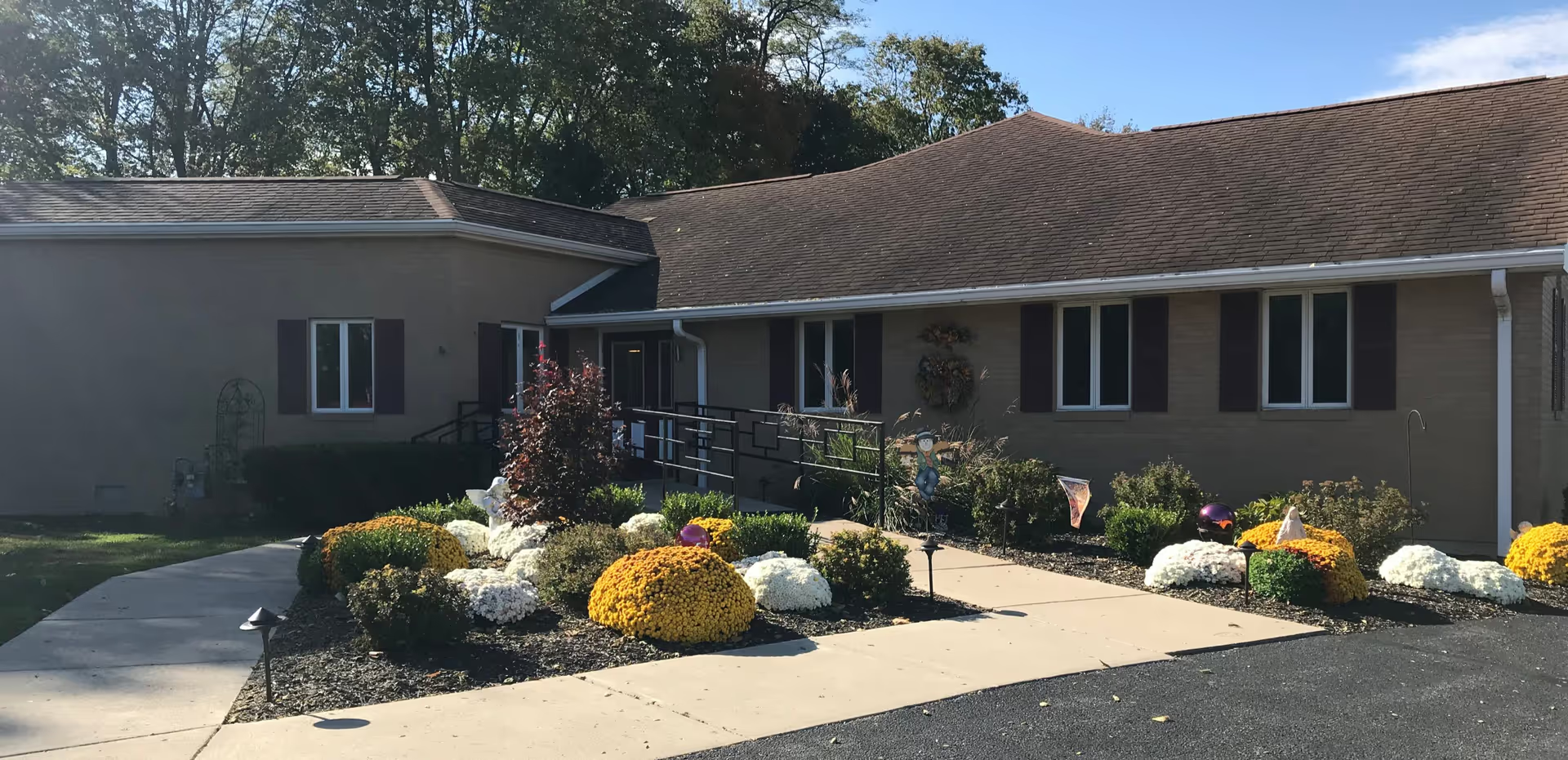
Wellbrooke of Wabash is consistently described as a warm, well-appointed senior living campus with a strong emphasis on social programming, rehabilitative services, and a family-like culture. Reviewers frequently highlight the facility’s clean, attractive grounds and spacious private apartments, and note that dining is a clear strength: meals are described as well-prepared, nutritious, and able to accommodate dietary needs in a communal dining setting. The community offers multiple levels of care (independent living, assisted living, long-term care) and on-site therapy, which many families found convenient when transitioning from hospital to facility.
Staff competency and compassion are recurring positive themes. Many families praised individual team members — including admissions and nursing staff — for proactive discharge coordination, hands-on assistance, and warm interpersonal engagement. Short-term rehabilitation and therapy staff are often described as knowledgeable and motivating, and front-line employees such as nursing aides and dining personnel are frequently credited with creating an inviting daily experience and strong resident relationships.
At the same time, reviewers describe notable inconsistencies in operational areas. Communication and responsiveness appear uneven: while some families experienced proactive updates and coordinated hospital discharges, others reported delays or difficulty getting timely information. Infection-control practices and sanitation procedures were called out as areas needing attention, with examples citing inconsistent availability of sanitizer and inconsistent equipment disinfection. Staffing levels and shift-to-shift variability were also raised as contributors to slower response times and uneven clinical-care experiences.
Additional operational concerns include pricing and billing transparency — several families noted unexpected cost increases after move-in — and intermittent therapy-scheduling limitations. The facility’s larger scale is a fit for many but may not align with those seeking a smaller, more intimate community. Finally, while the majority of feedback is positive, there are serious, isolated concerns regarding incident escalation and complaint follow-up that some families felt were not handled to their satisfaction. Prospective residents and their families should weigh the facility’s strong programming, dining, and rehabilitative capabilities against these operational variability patterns; asking targeted questions about communication protocols, infection-control procedures, staffing ratios, and billing practices during a tour or admissions discussion is recommended.