Overall impression: Mason Health Care Center elicits a mixed but instructive pattern. Many accounts describe a facility with strong core strengths — notably compassionate direct caregivers, a well regarded rehabilitation program, and consistently maintained physical spaces — while a subset of operational weaknesses appears to undermine those strengths for some residents. Prospective residents and family members will see both high‑quality clinical and rehabilitative services and areas where processes and consistency could be improved.
Care quality and clinical services: Clinical care is characterized by contrasts. Numerous families and residents praise nursing staff, CNAs, therapists, and wound/medication management when services run smoothly; rehabilitation and swallowing/therapy expertise are frequently highlighted as a major strength. At the same time, reviews indicate intermittent delays in initiating therapies and in supplying necessary respiratory equipment (for example CPAP), and there are specific concerns about timeliness of incontinence management and catheter care. Taken together, the pattern suggests generally capable clinical teams but variability in responsiveness and in certain clinical workflows.
Staff and staffing patterns: Praise for compassionate, attentive caregivers and specific staff members is frequent; CNAs, therapists, and social‑work/admissions personnel received particular positive mention. However, there is notable variability in staff competency and responsiveness across shifts, with several comments about weaker night‑shift performance and inconsistent behavior from some employees. This shift‑to‑shift variability appears to be a principal driver of differing family experiences.
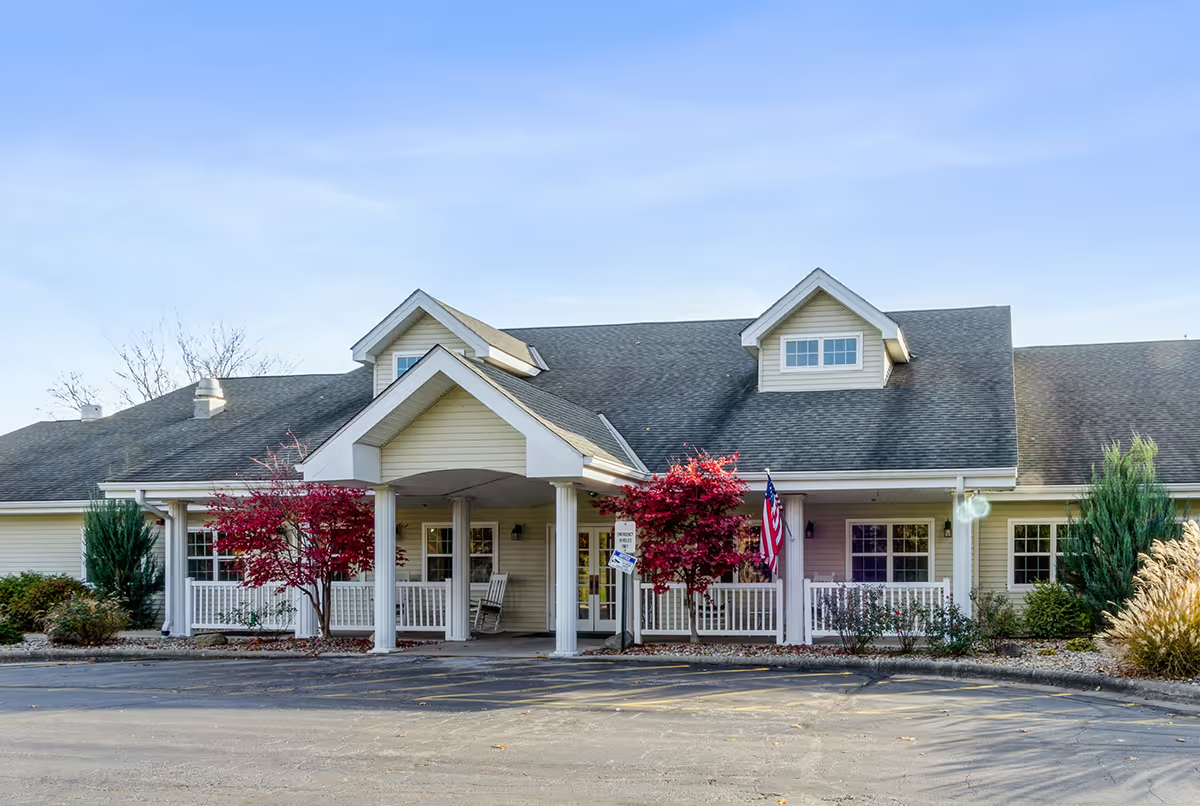
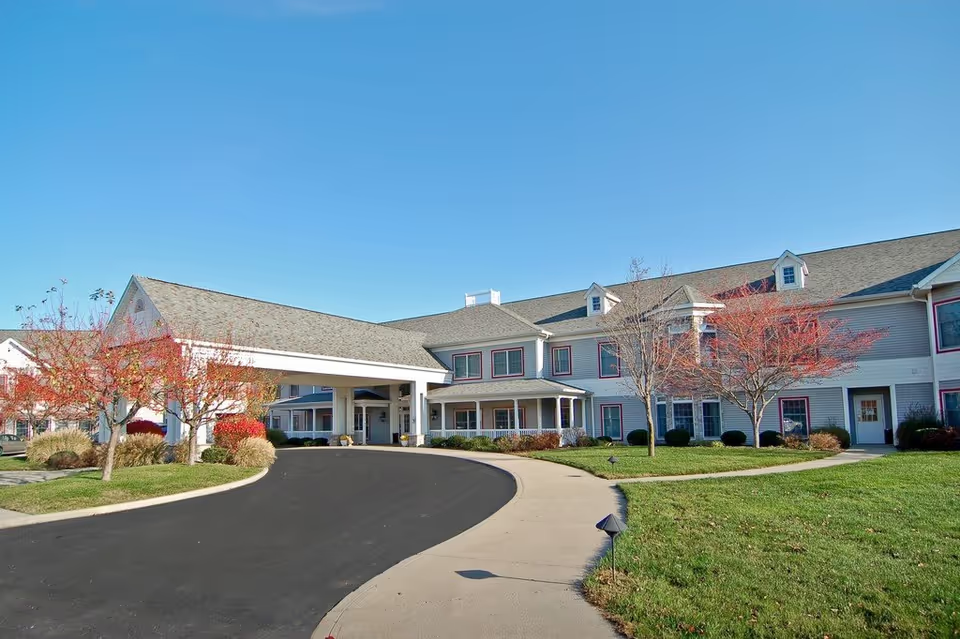
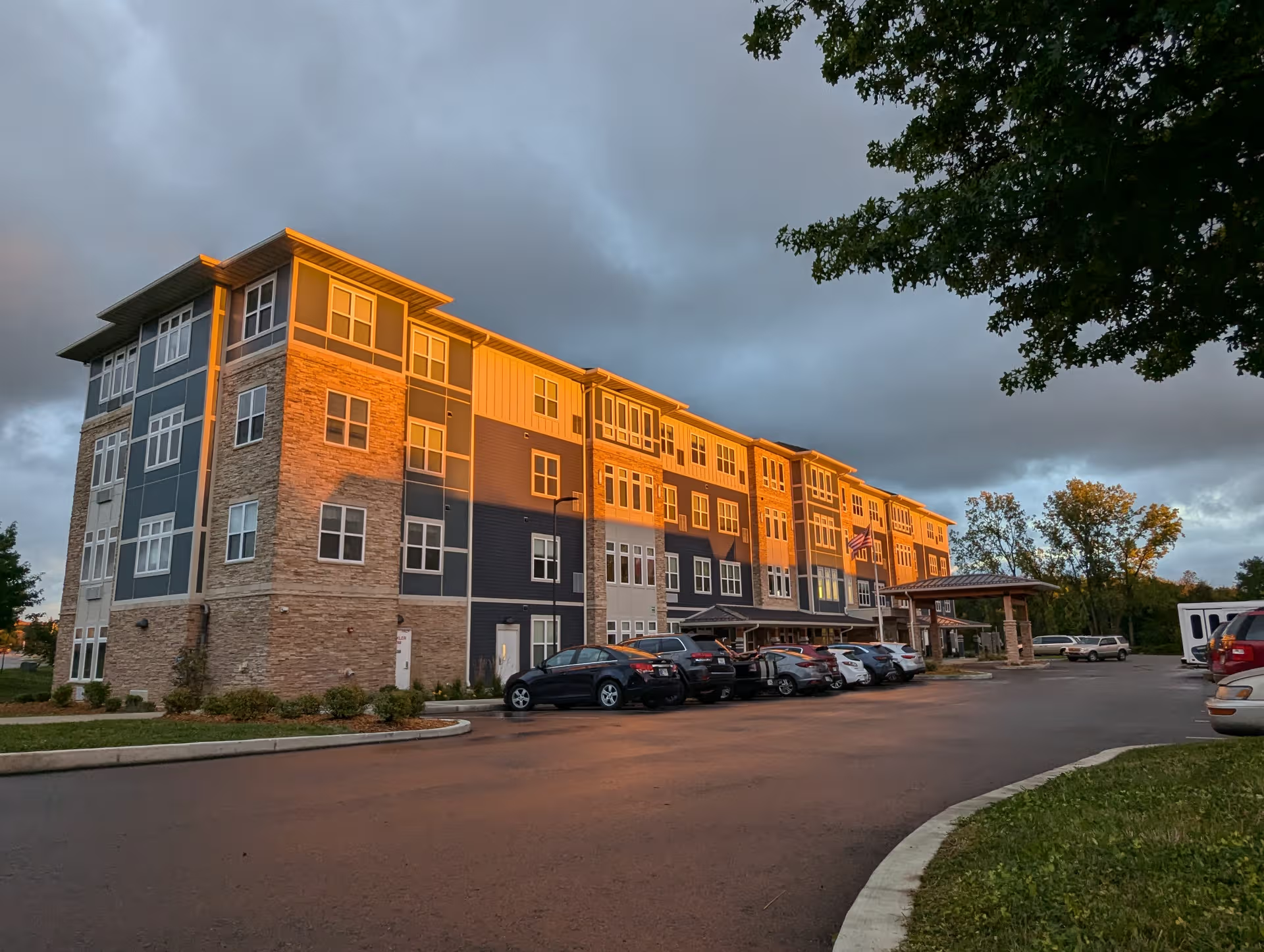
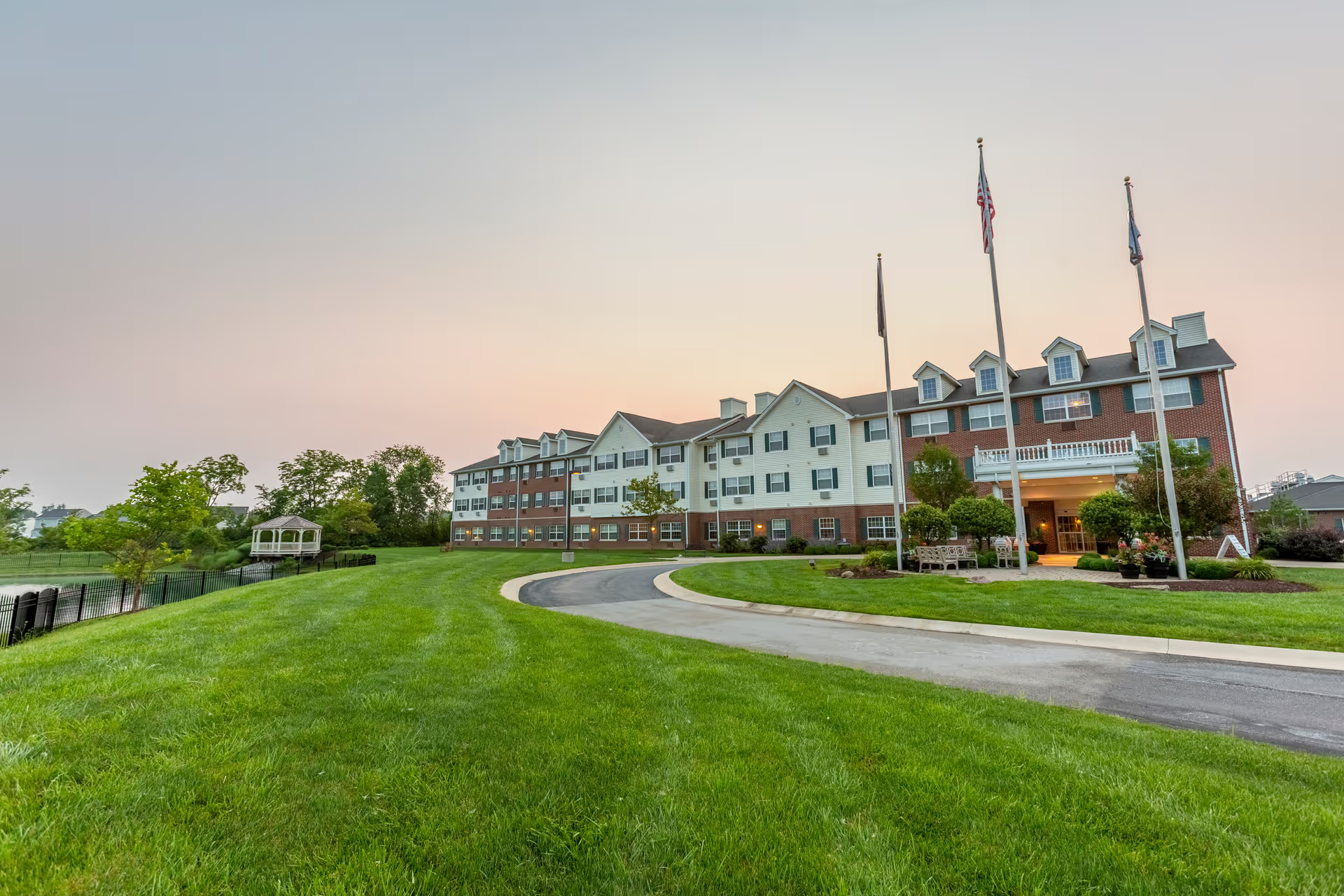
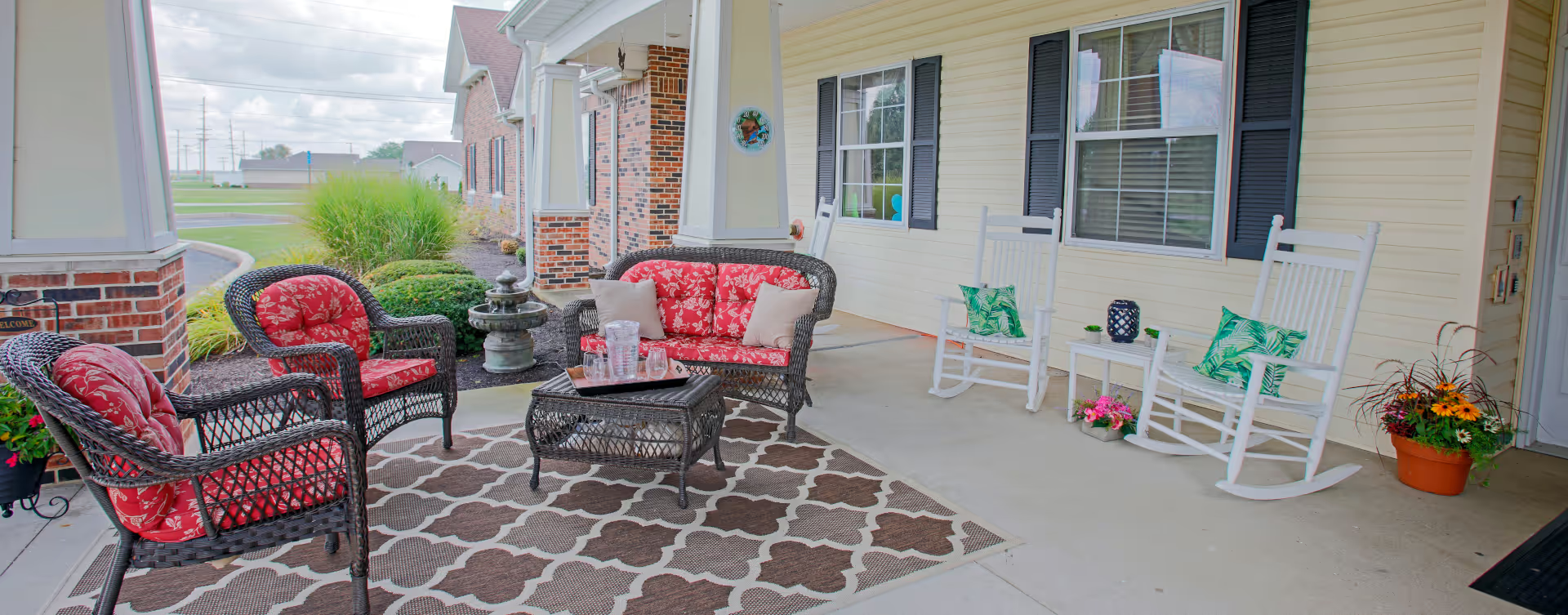
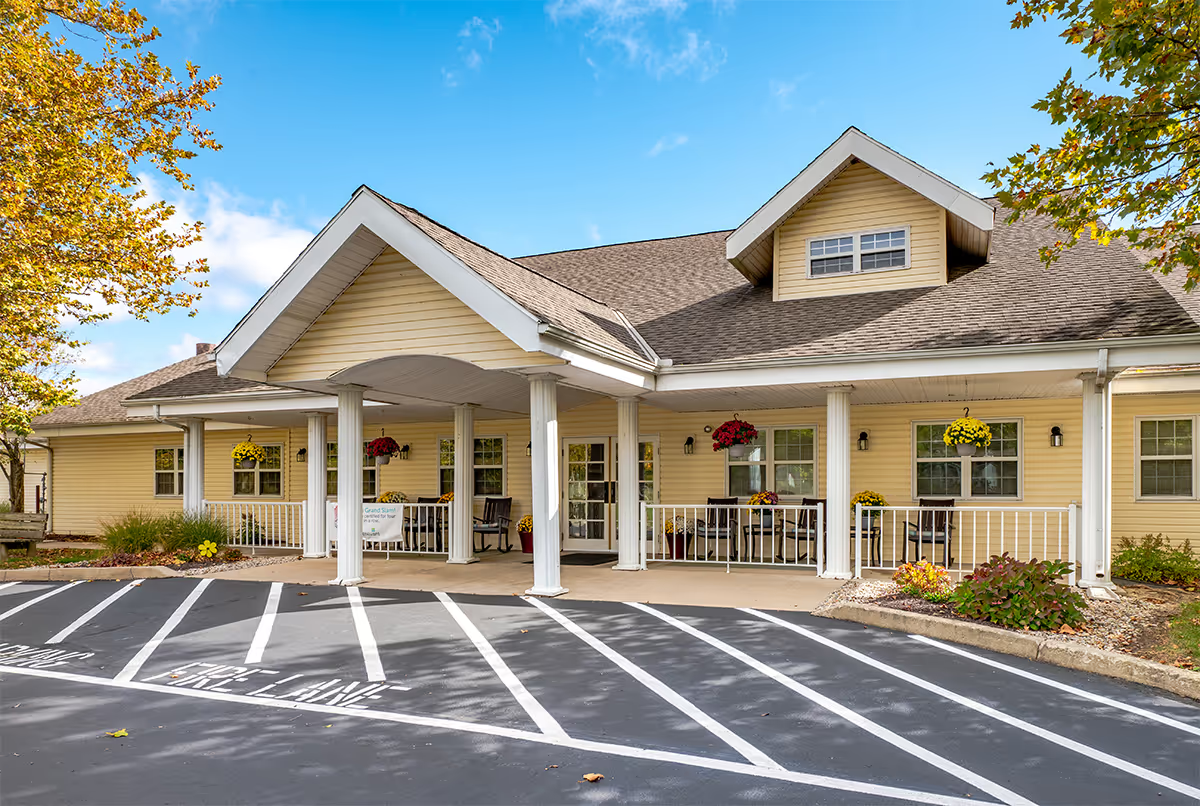
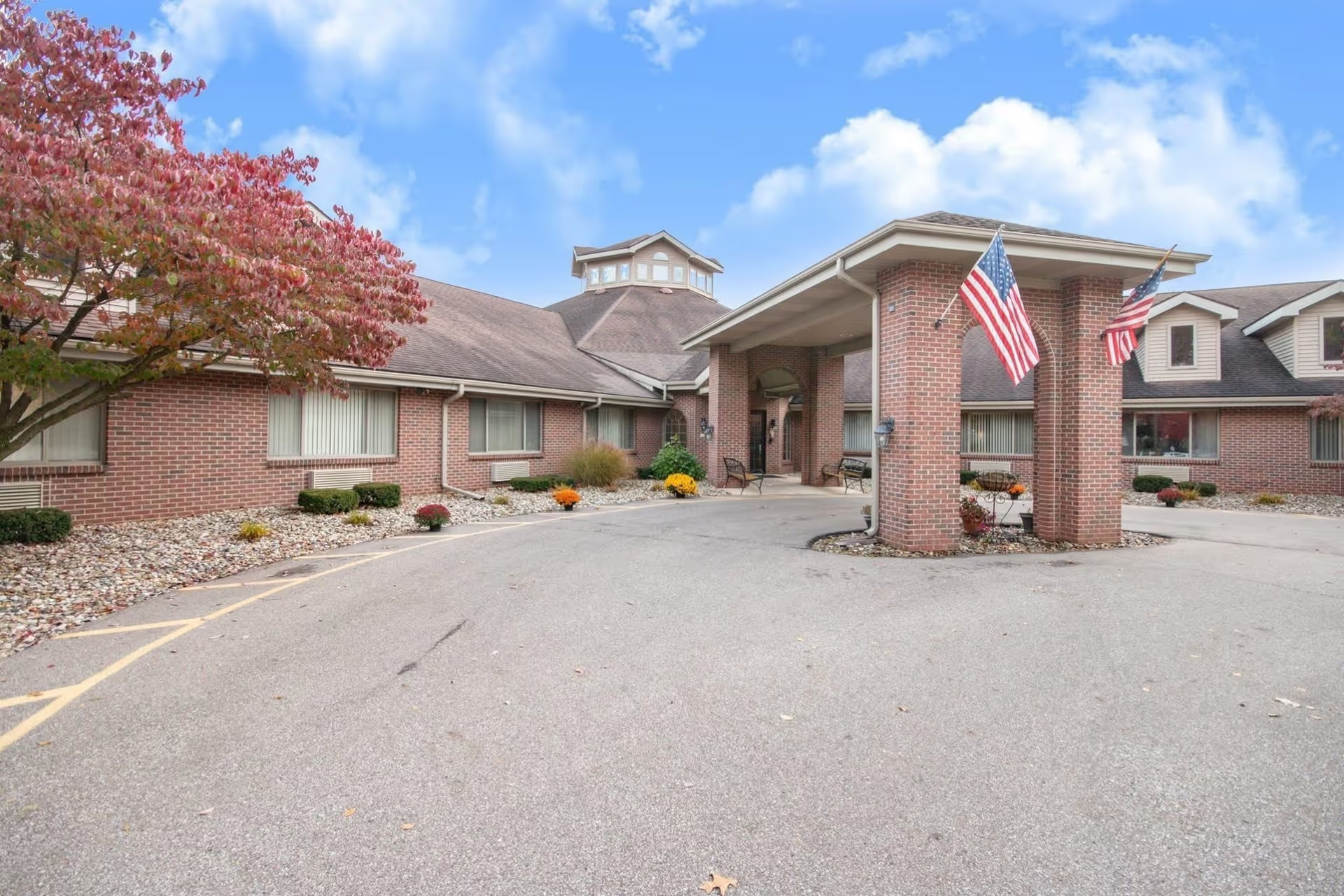
Dining, activities, and environment: The facility environment receives consistently positive remarks — clean hallways, well‑maintained rooms, and effective housekeeping. Activities programming is described as engaging and uplifting, and social work/therapy coordination is seen as supportive. Dining feedback is mixed: many reviewers praise the meals and nutrition services, while others report issues with meal timing or temperature. The net picture is of a comfortable, socially engaging environment with occasional service interruptions in dining.
Safety, documentation, and transitions: A recurring theme involves safety and process gaps rather than isolated staffing attitude problems. Several comments point to fall‑prevention and transfer‑safety shortcomings, inconsistent use of environmental supports, and documentation delays (for example, lagging clinical records or diabetes documentation checks). Discharge planning and care transitions are another area of concern; at least one account connects premature discharge planning to subsequent hospitalization, indicating that transition protocols and family involvement in those decisions may require closer review.
Management and communication: Reviewers describe helpful and accessible frontline staff (admissions, social work, therapists) but also note limited accessibility of higher‑level management and mixed communication with families. Some families perceive administrative priorities as focused on operational/financial considerations rather than family input, and others describe frustration with follow‑up or responsiveness when problems arise. This suggests room for improvement in leadership visibility and structured family communication processes.
Notable patterns and considerations for families: The dominant pattern is one of strong day‑to‑day caregiving and rehabilitation capabilities moderated by operational inconsistencies — especially around night coverage, safety processes, timeliness of certain clinical supports, and communication. Prospective residents and families should consider asking about fall‑prevention protocols, night‑shift staffing ratios and supervision, timelines for therapy and equipment setup, incontinence‑care procedures, meal‑service schedules, documentation access, and how discharge decisions involve family members. Those who prioritize robust rehab services, a clean facility, and engaged activities are likely to find many aspects of Mason favorable; those most concerned about consistent night coverage, rapid clinical responsiveness for specialized equipment, and proactive management communication should discuss those areas directly with facility leadership before placement.