Overall impression: The facility receives frequent praise for its frontline caregiving, rehabilitation services, social programming, and campus environment. Many comments emphasize compassionate, patient staff; effective short-term rehab and recovery support; a broad calendar of activities and family-friendly events; and a well-maintained, comfortable setting where rooms can be personalized. These features contribute to a generally positive resident atmosphere and multiple strong recommendations from families who had favorable experiences.
Care and staff: Caregivers and unit staff are commonly described as kind, helpful and engaged, with several families highlighting knowledgeable nursing and therapy teams that support effective recoveries. At the same time, there is evidence of variability in how care is delivered: some families described operational lapses that point to inconsistent practices across shifts or units. There are also serious individual claims involving medication handling; one way reviewers characterized this was as medication diversion or inappropriate removal of medications, and others raised concerns about staff conduct and on-site safety controls. These issues suggest areas where tighter clinical controls and clearer protocols would be beneficial.
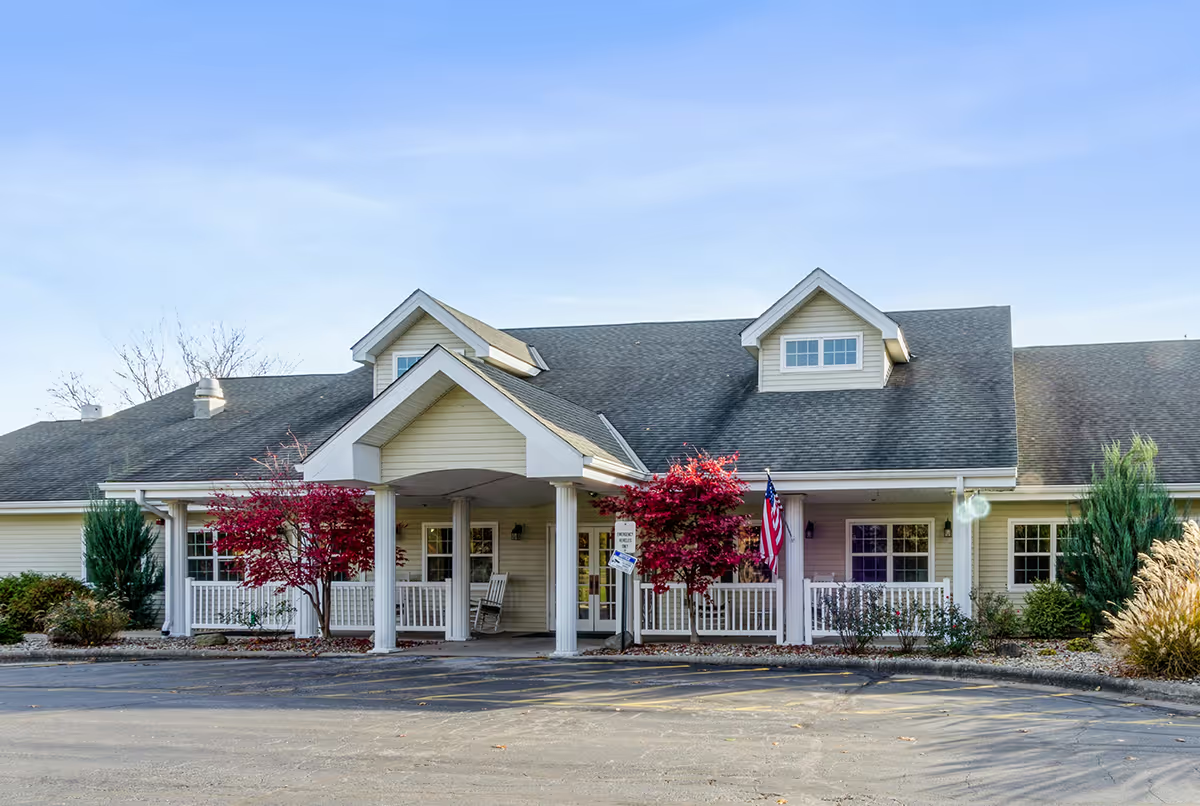
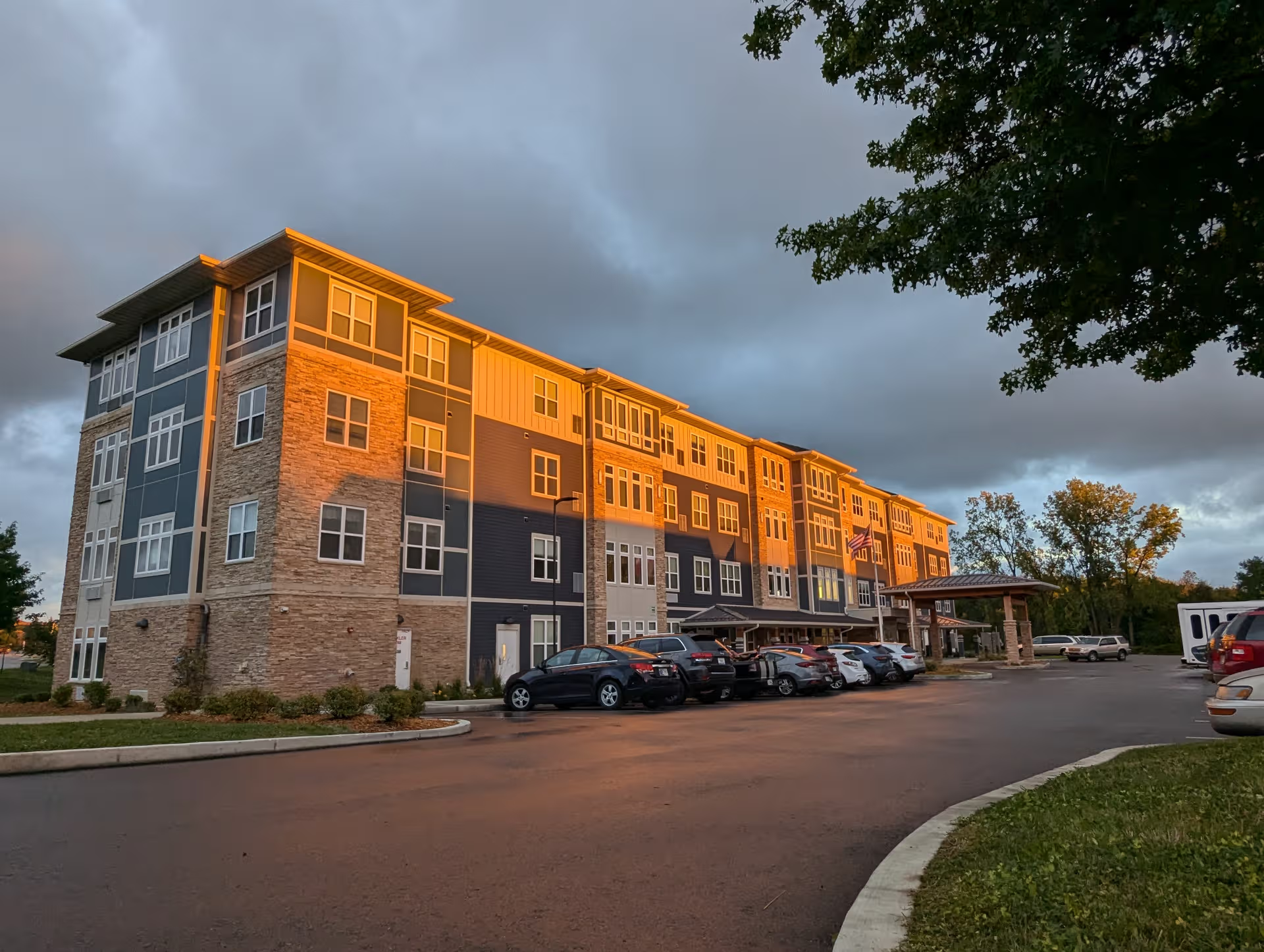
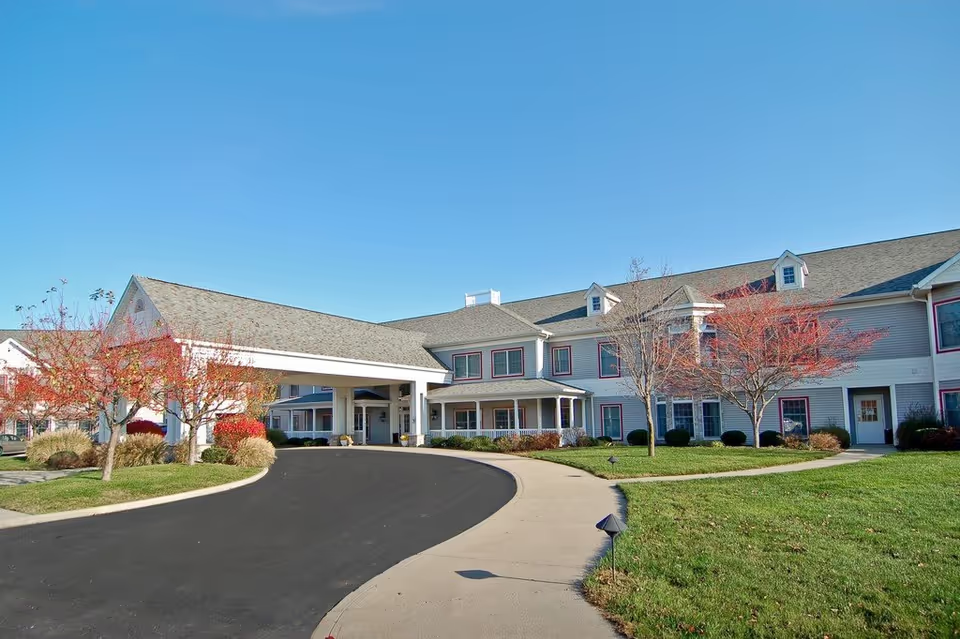
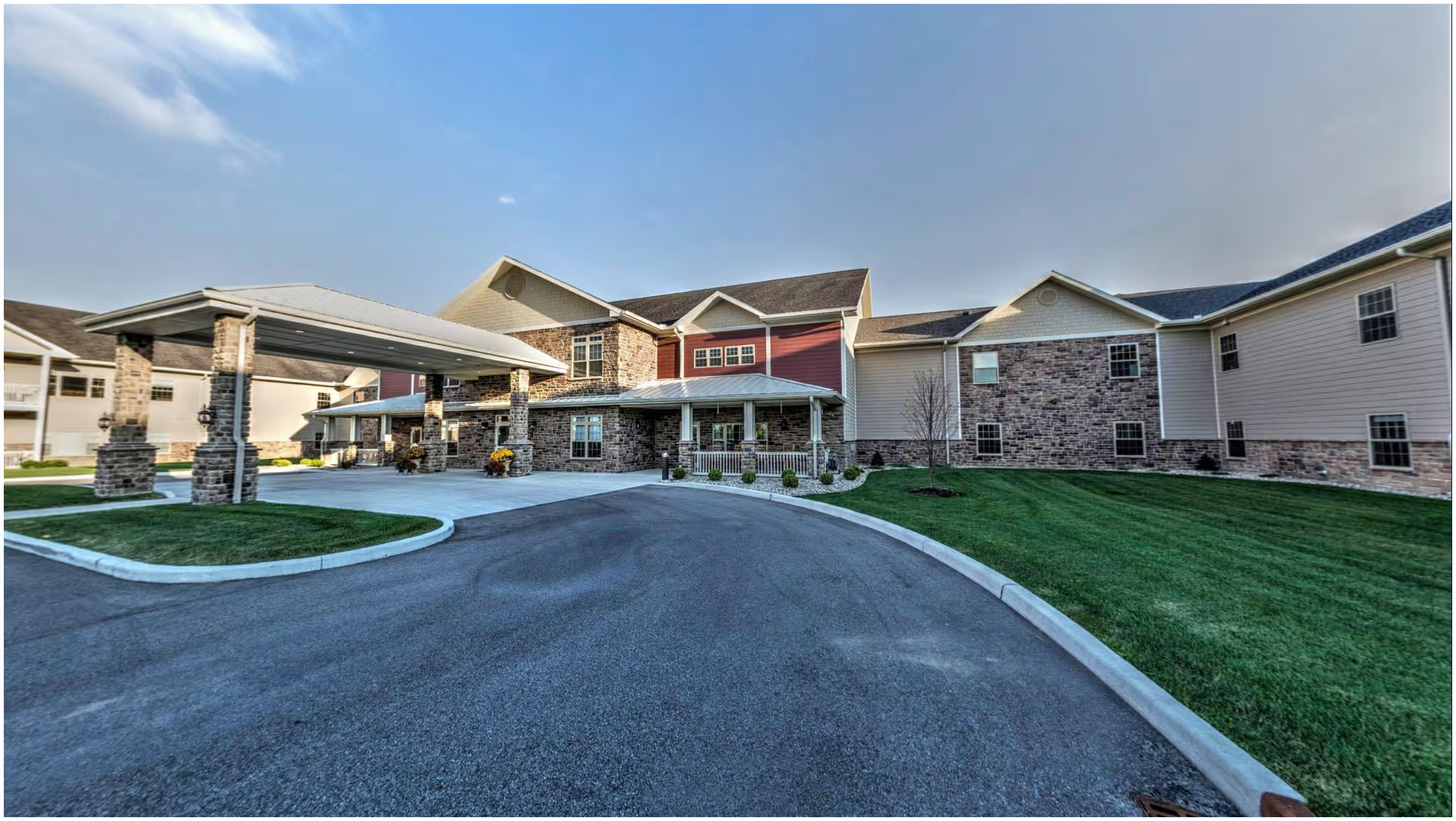
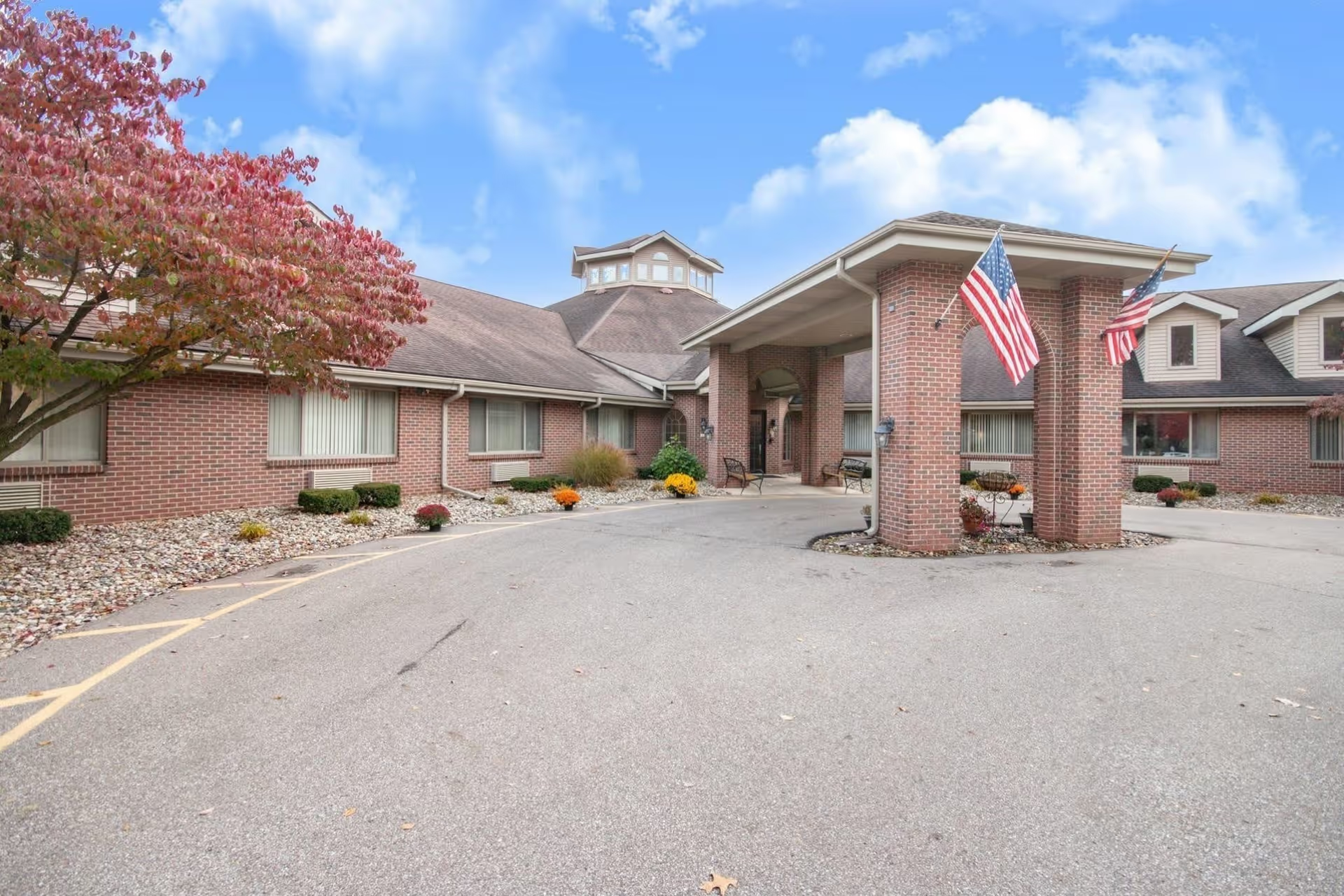
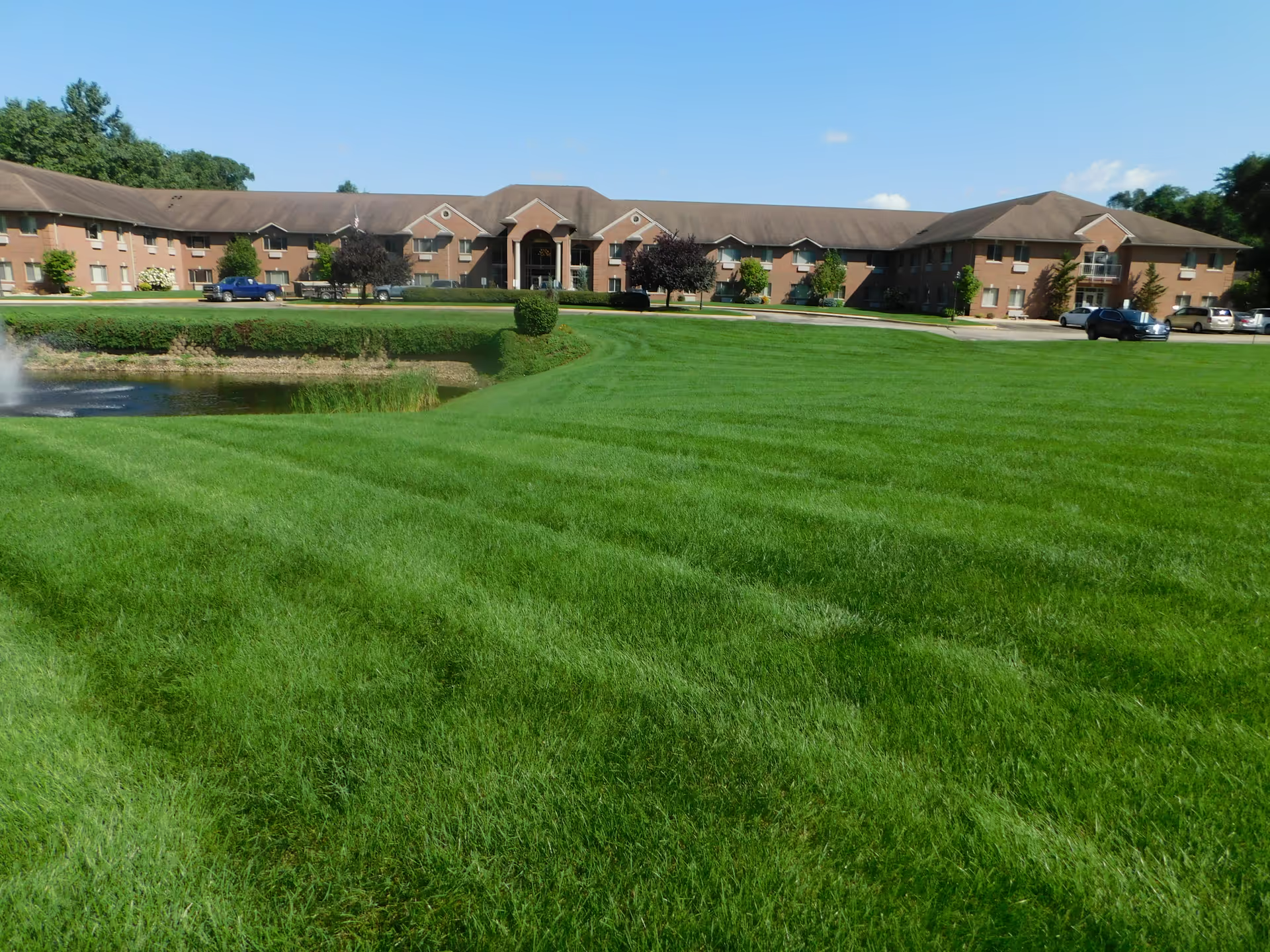
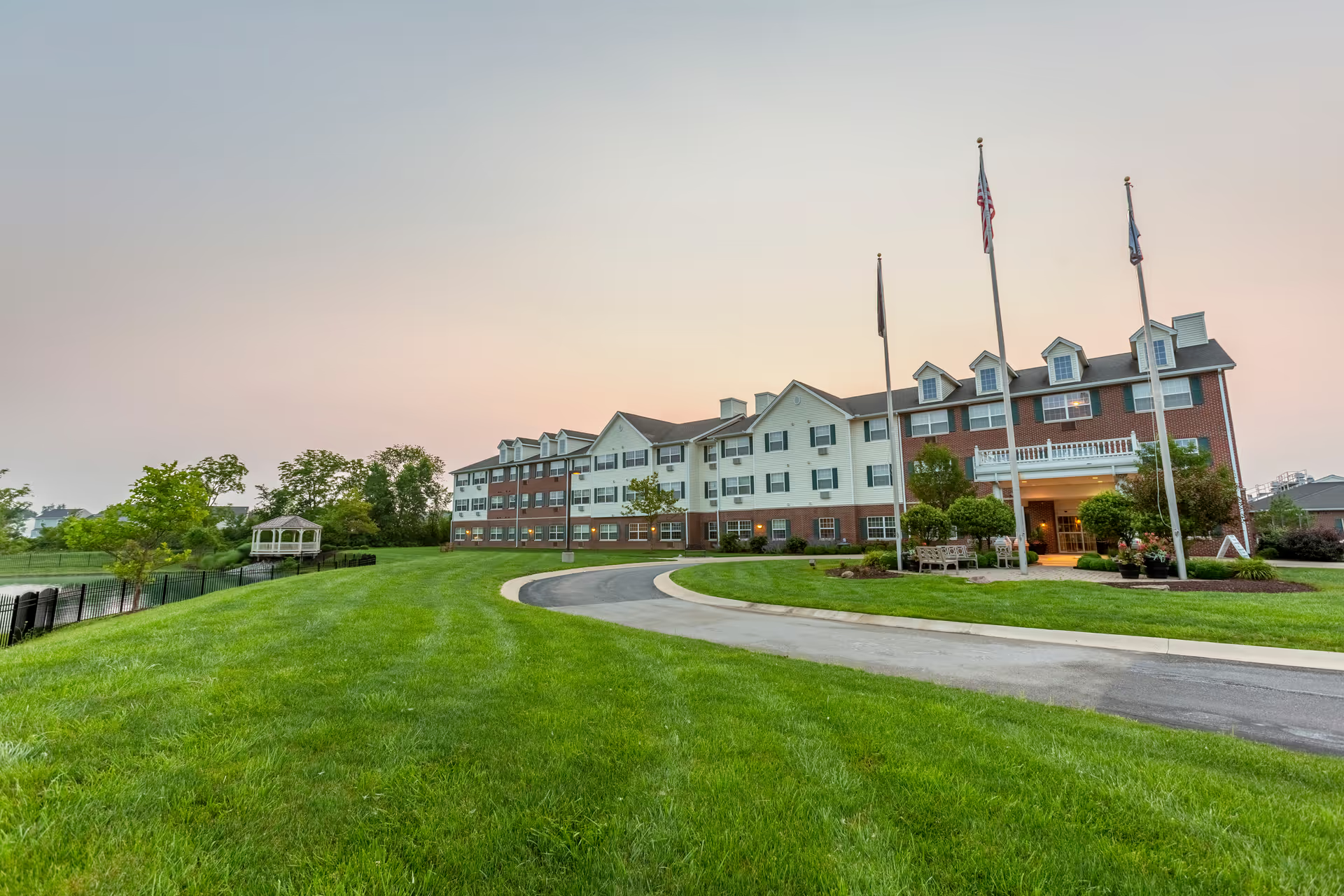
Dining, activities and facilities: Reviewers commonly note good meals, special dinners, and well-run family events such as brunches and happy hours. The activity program appears broad and engaging, including themed nights and opportunities for families to join. The campus, common areas and resident rooms are described as attractive, spacious and clean, and volunteer involvement is noted as a positive contributor to resident social life.
Management and communication patterns: A recurring theme is mixed experience with management and communication. Many families describe attentive, responsive unit-level staff and managers who answer questions promptly; others report difficulty obtaining consistent updates, coordination around prescriptions, and a sense that operational or financial priorities influence decisions. This variability suggests that management responsiveness and communication processes may differ by team or circumstance. Prospective families may wish to ask specific questions about medication protocols, incident escalation, staffing patterns, and how the community documents and communicates care changes.
Notable patterns and considerations: The overall picture is of a facility with strong strengths in caregiver engagement, rehab, activities and environment, coupled with operational gaps that have led to significant concern for some families—most notably around medication management, safety controls and consistent communication. Those evaluating the community should balance the many positive reports about daily life and therapy outcomes with direct inquiries into clinical governance, medication controls, and how management handles complaints and follow-up. Observing a mealtime, attending an event, and requesting policy documentation on medication administration and incident reporting can help assess whether the community’s operational practices align with a family’s expectations.