Feedback on Eastgate Manor Nursing & Rehabilitation is sharply divided, with a large body of commentary praising the facility’s clinical teams and campus while a distinct set of accounts raises operational and care‑quality concerns. Positive commentary emphasizes strengths in nursing, rehabilitation, hospice, and direct caregiving; critical commentary focuses on inconsistent practices around cleanliness, responsiveness, communication, and administrative processes.
Care and staff: Many accounts describe compassionate, clinically capable nurses, CNAs, therapists and hospice personnel who contribute to positive recovery and end‑of‑life experiences. Reviewers highlight attentive caregiving, strong therapy outcomes, and a sense that staff take personal pride in residents’ wellbeing. At the same time, there are recurring operational concerns that affect care delivery: inconsistent professionalism and tone on some shifts, delays responding to resident call signals, and staffing instability that appears to degrade timeliness and oversight. These patterns suggest variability in day‑to‑day execution despite overall clinical capability.
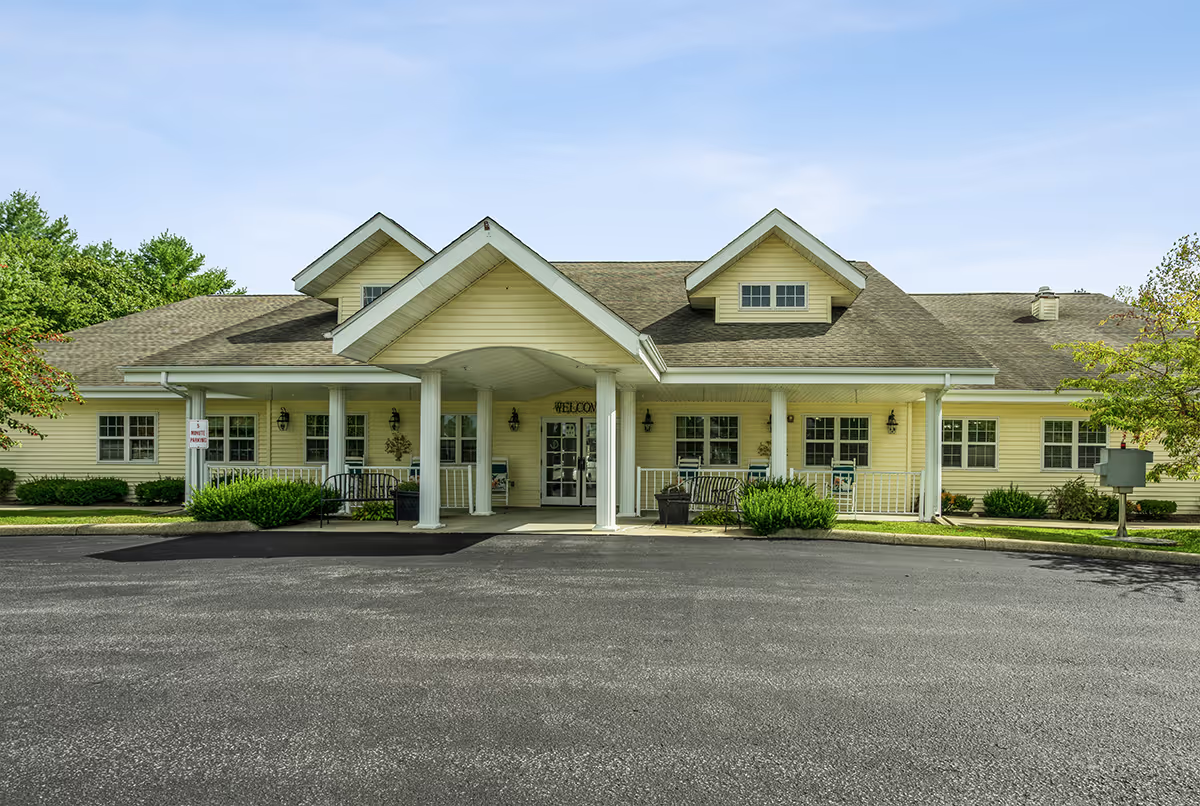
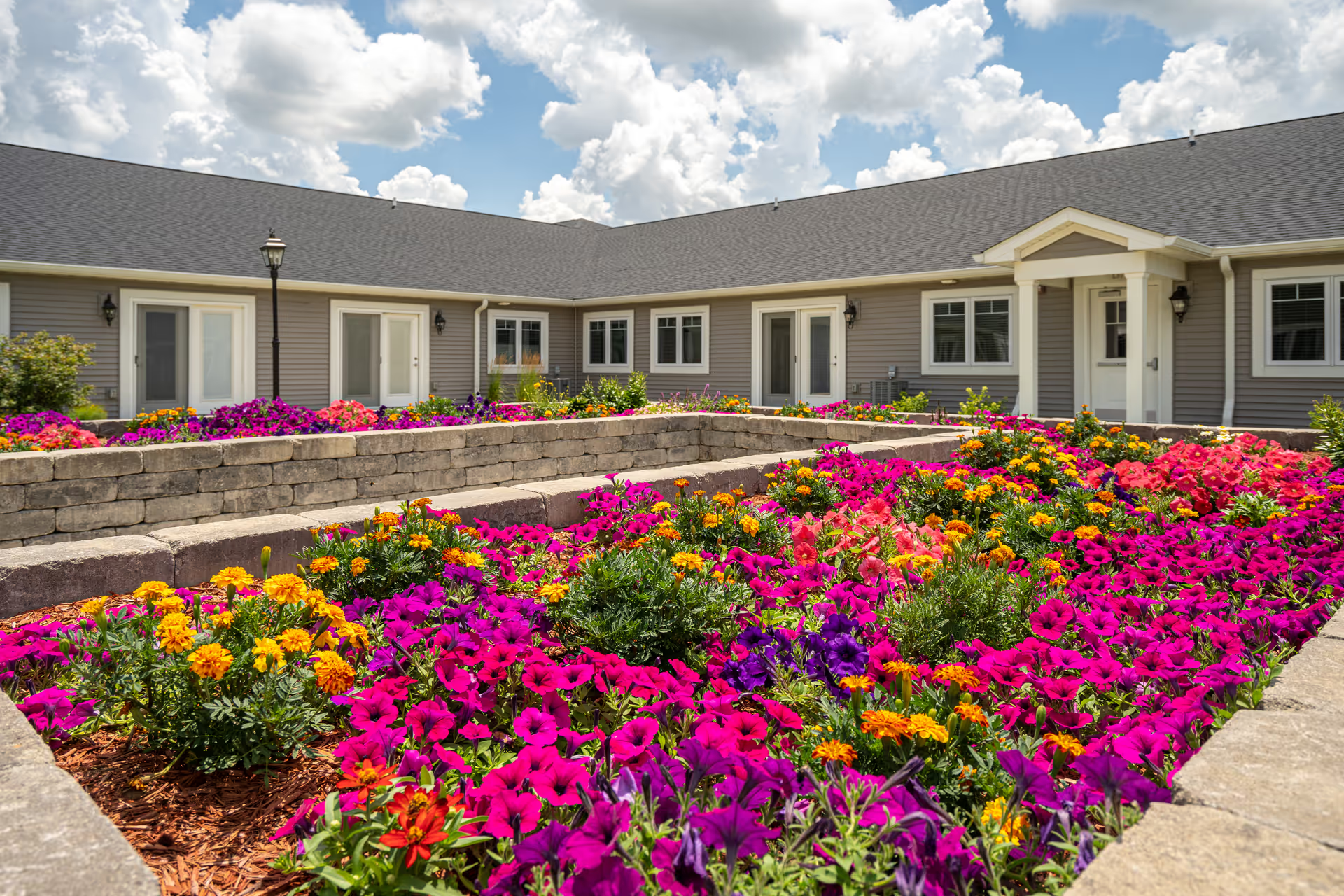
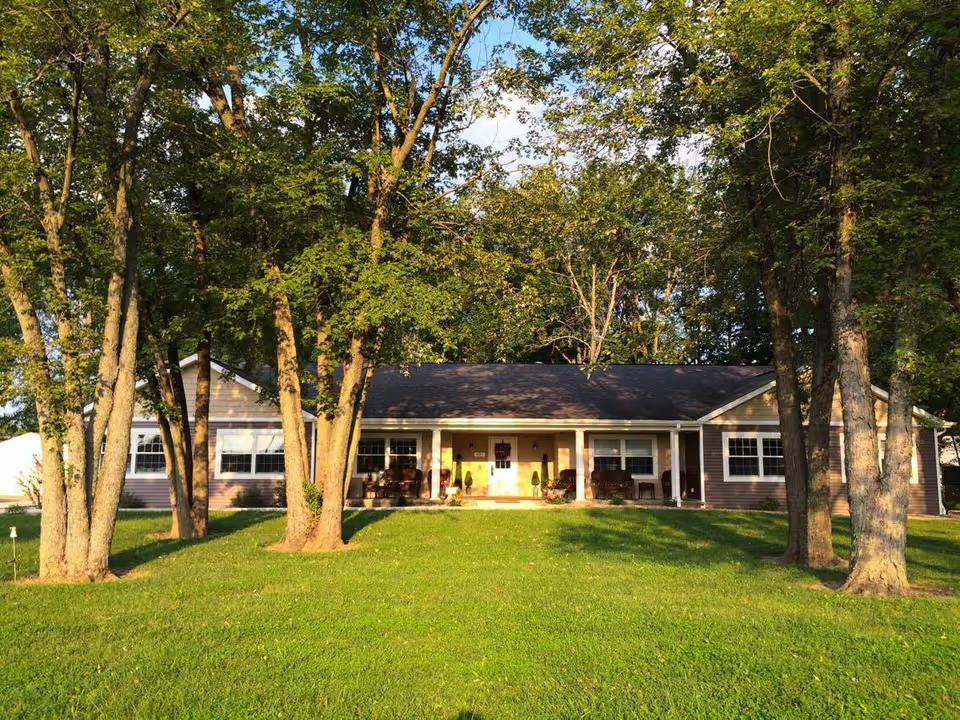
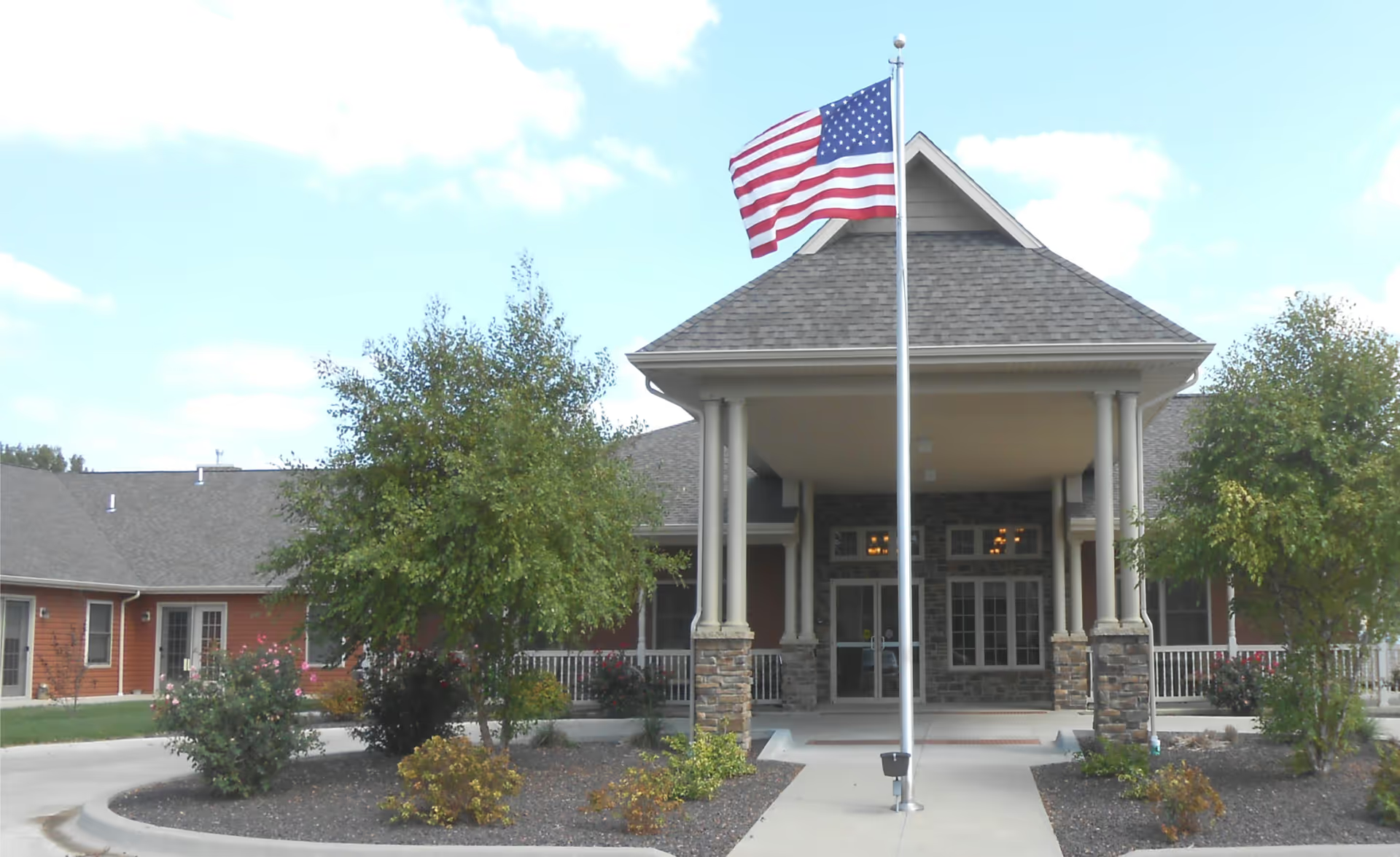
Dining, activities and facilities: The facility’s physical environment and programming receive favorable comments: a well‑maintained building, engaging activities, and food service that several accounts describe as appealing. The campus is often characterized as homelike and family‑oriented. Counterbalancing this, some feedback points to sanitation concerns and inconsistent housekeeping practices in particular areas or situations, plus limited resident connectivity (Wi‑Fi or similar) that may affect social engagement and family contact for some residents.
Management and administration: Administrative strengths include visible housekeeping and kitchen staff and a positive annual survey outcome cited by reviewers. Administrative weaknesses raised include disorganized discharge and paperwork processing, poor communication with families about clinical or release timelines, and occasional delays in clinical follow‑up or safety oversight. These are operational traits that can materially affect a family’s experience, particularly during transitions such as admission, transfer, or discharge.
Notable patterns and practical recommendations: The pattern is one of pronounced variability — strong, dedicated clinical teams and a pleasant campus coexist with inconsistent operational execution in certain areas. Prospective residents and families should consider an in‑person visit, observe cleanliness and staff interactions across different shifts, and ask targeted questions about staffing ratios, call‑response metrics, sanitation/incontinence‑care protocols, recent survey results, discharge paperwork timelines, and resident internet access. Speaking with current family members and reviewing recent regulatory findings or facility quality metrics can help clarify whether the facility’s strengths align with an individual resident’s needs.