Overall impression: Reviews present a mixed picture. Many families and visitors emphasize positive interpersonal qualities — polite, compassionate caregivers, attentive CNAs, and housekeeping that keeps much of the facility clean and comfortable. At the same time, other accounts raise operational concerns that affect confidence in consistent clinical care and facility upkeep.
Care and staff: Strengths appear concentrated in direct caregiving roles. CNAs are frequently described as watchful and attentive, and some families highlight inclusive communication from the care team and a compassionate tone. However, reviewers also describe inconsistent nurse responsiveness and variability in the level of clinical care. Comments suggest that response times to nurse call requests and perceived thoroughness of nursing attention can fluctuate; several accounts link those concerns to staffing constraints. Prospective residents should clarify current staffing levels and nurse-call response expectations during a visit.
Dining and activities: There is limited specific information about dining quality and organized activities in the available comments. One summary noted that meals could not be assessed, which indicates a lack of consistent commentary rather than a clear strength or weakness. If dining and programming are priorities, prospective families should request meal samples, menus, and an activities calendar during a tour.
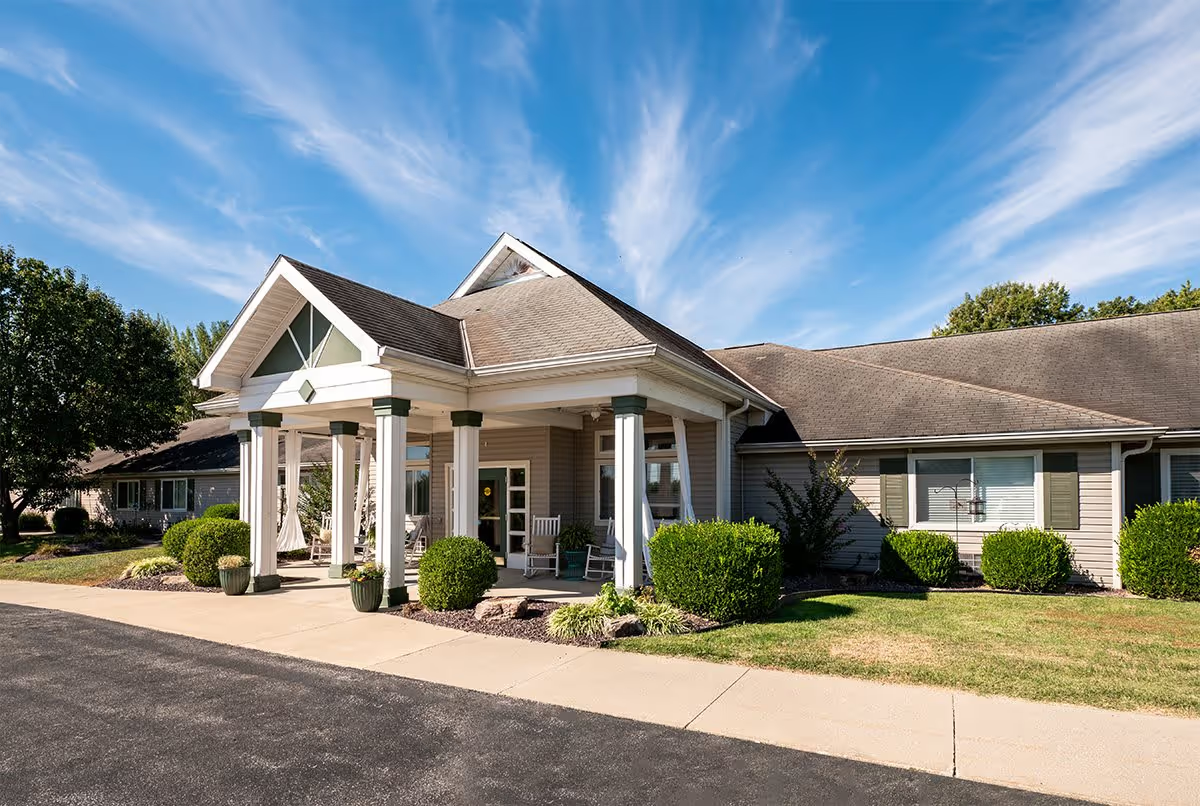
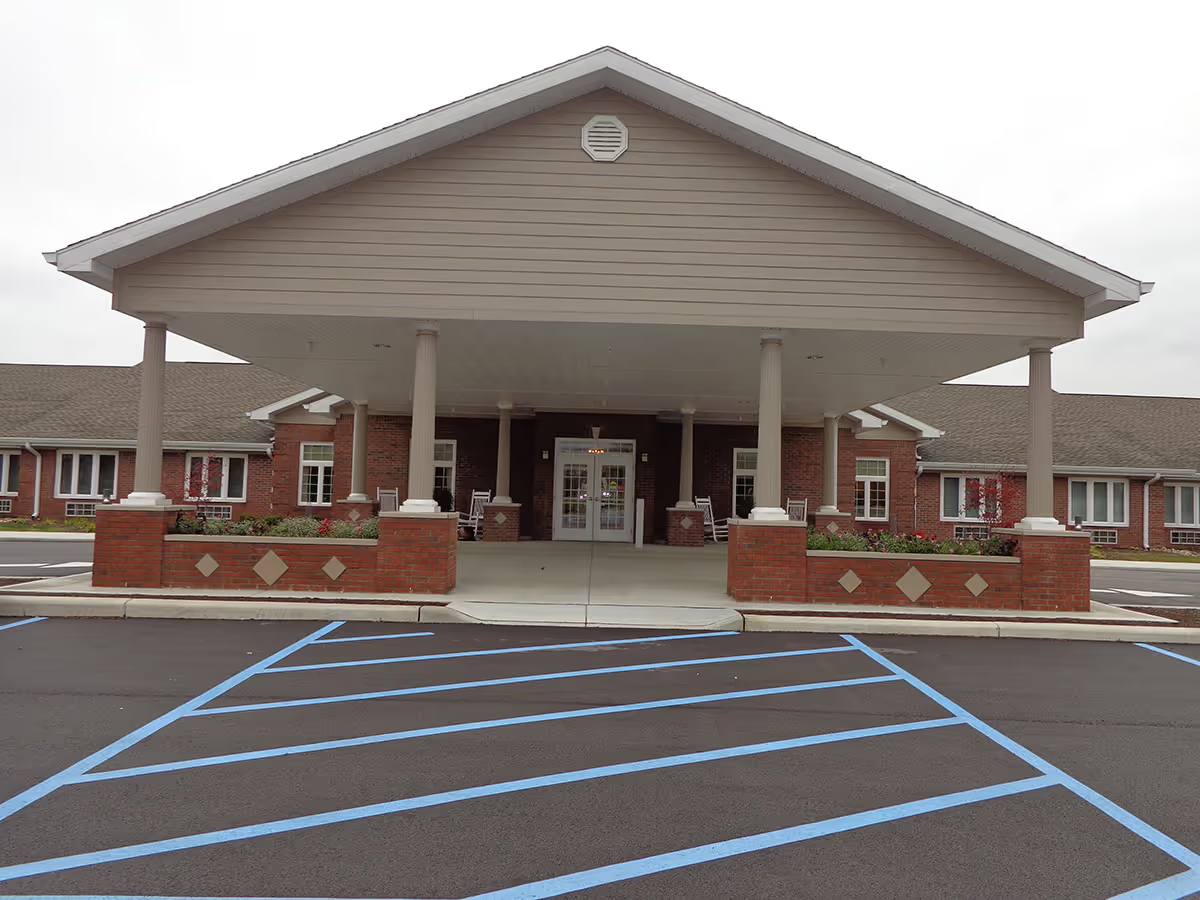
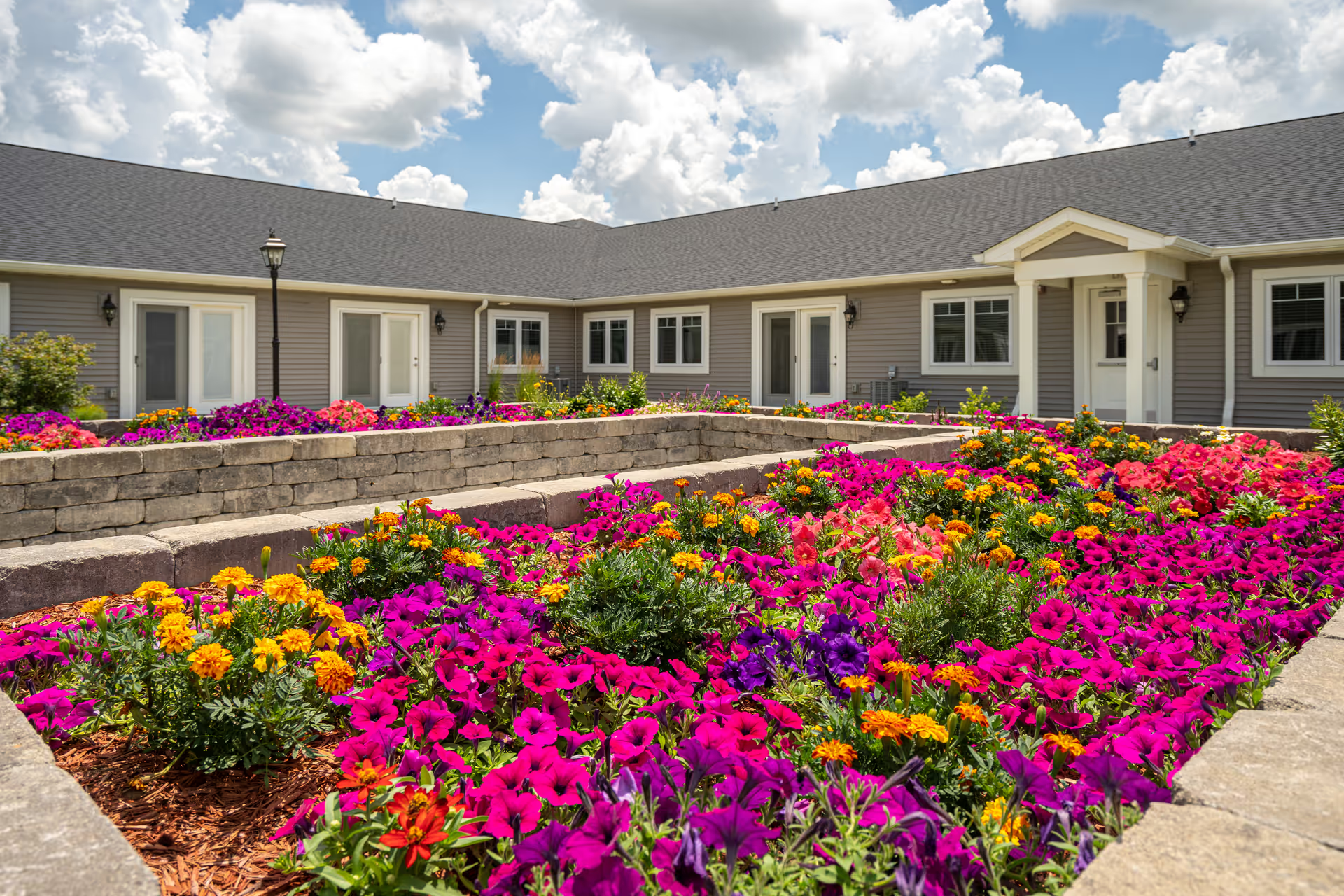
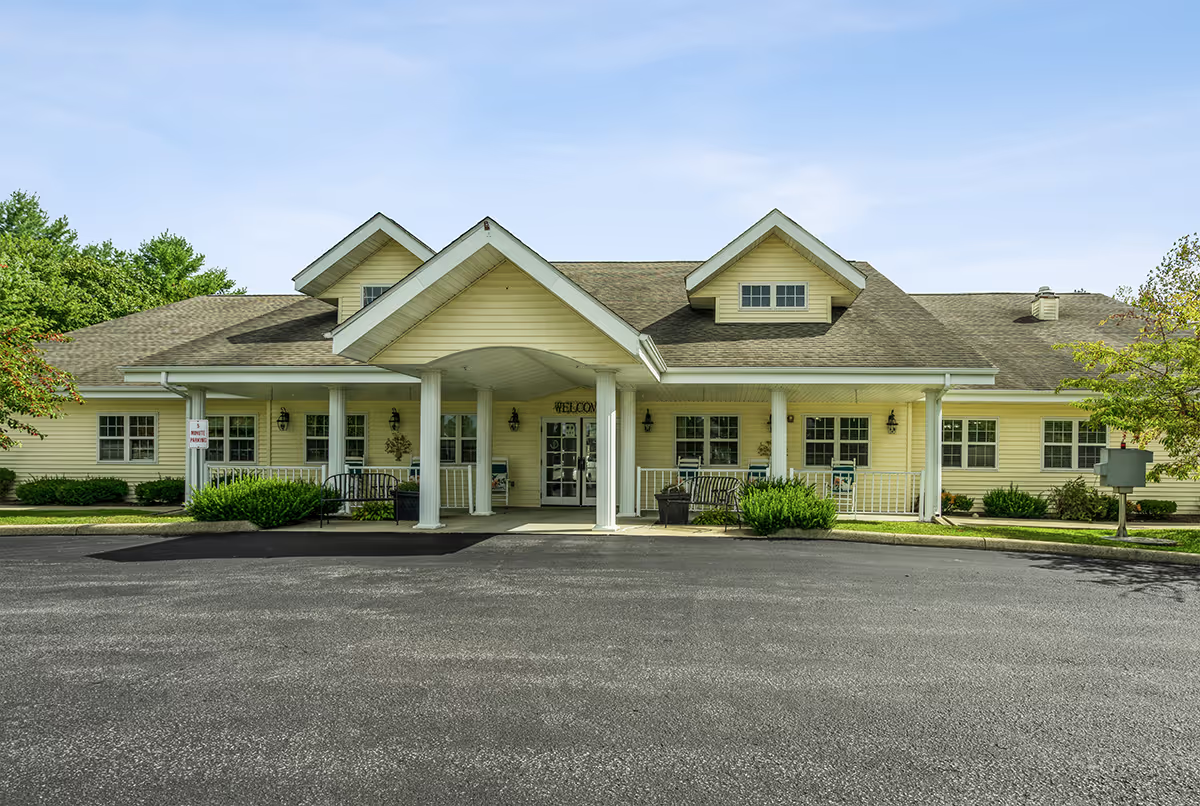
Facilities and housekeeping: Housekeeping and general cleanliness are cited as strengths in a number of accounts, and several families describe the building as well kept and comfortable. Conversely, some reviews highlight areas of the campus with maintenance issues, including references to a run-down condition and mold in portions of the facility. This suggests uneven facility maintenance; an on-site inspection of resident rooms, common spaces, and any recent inspection reports is advisable.
Management and administration: Administrative experience is characterized as mixed. Positive notes about communication coexist with reports of difficulty reaching staff by phone and expressed frustration with administrative responsiveness. There are also references to management changes and perceived instability, which can influence both care coordination and admissions processes. Additionally, inquiries listed by the public (about CNA classes, costs, schedules, and age eligibility) indicate that information for prospective residents and applicants may not be consistently accessible; asking for written admissions materials and points of contact can help resolve this.
Notable patterns and practical guidance: The predominant positive themes are interpersonal — respectful caregivers, attentive CNAs, and strong housekeeping in many areas. The predominant negative themes are operational: inconsistent nurse responsiveness, staffing shortfalls, variable maintenance, and communication gaps with administration. For families considering this facility, recommended steps include: touring during different times of day, testing nurse-call response, asking for recent staffing ratios and inspection reports, reviewing written admission and cost information, and verifying remediation plans for any maintenance or mold concerns. This approach will help determine whether the facility’s strengths align with the prospective resident’s priorities and whether operational weaknesses are being addressed.