Overall impression: The collection of reviews presents a largely positive portrait of the facility, with consistent praise for compassionate caregiving, a home-like atmosphere, strong social interaction among residents, and well-regarded therapy services. Many families highlight staff who go “above and beyond,” easy communication with administrators, and a facility that feels like an extended family. Regulatory performance and facility cleanliness are also noted positively in multiple accounts.
Care quality and clinical concerns: Reviewers overwhelmingly describe attentive, caring direct-care staff and a high standard of day-to-day assistance for most residents. However, a small number of reviews raise operational concerns that cluster around clinical-care consistency — specifically, gaps in pressure-injury prevention and wound-care management and uneven responsiveness from some staff. These concerns suggest variability in how clinical protocols are applied across shifts or units rather than a uniform program failure.
Staffing and therapy: The therapy department and rehabilitation services receive frequent commendation for professionalism and effectiveness; several families credited therapy staff with meaningful functional improvements. At the same time, there are indications of inconsistent staff conduct and periodic staffing reliability issues, which can affect continuity of care and family confidence. Reviewers who were dissatisfied tended to point to staff attitude or responsiveness as the primary driver of their negative experience.
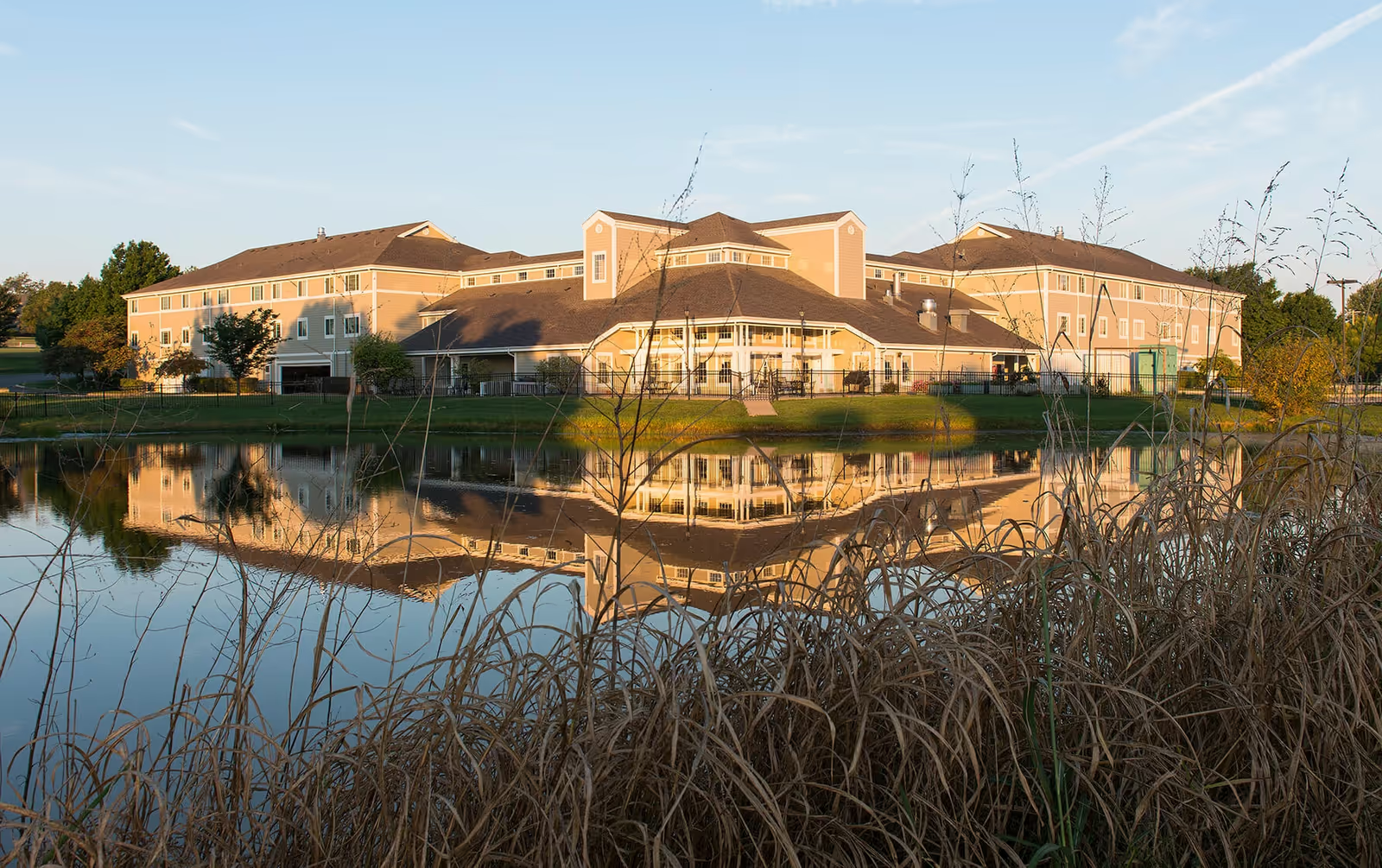
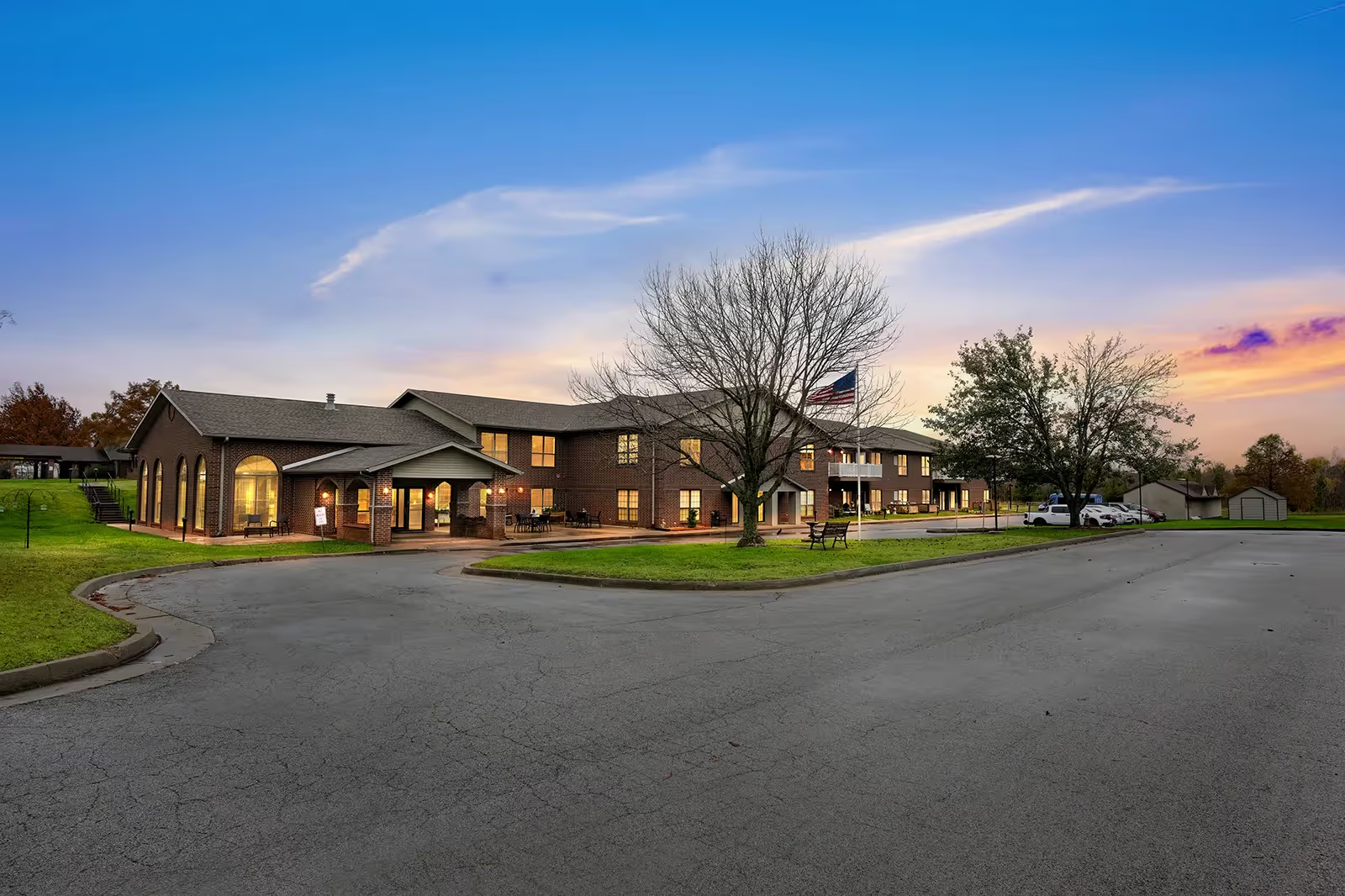
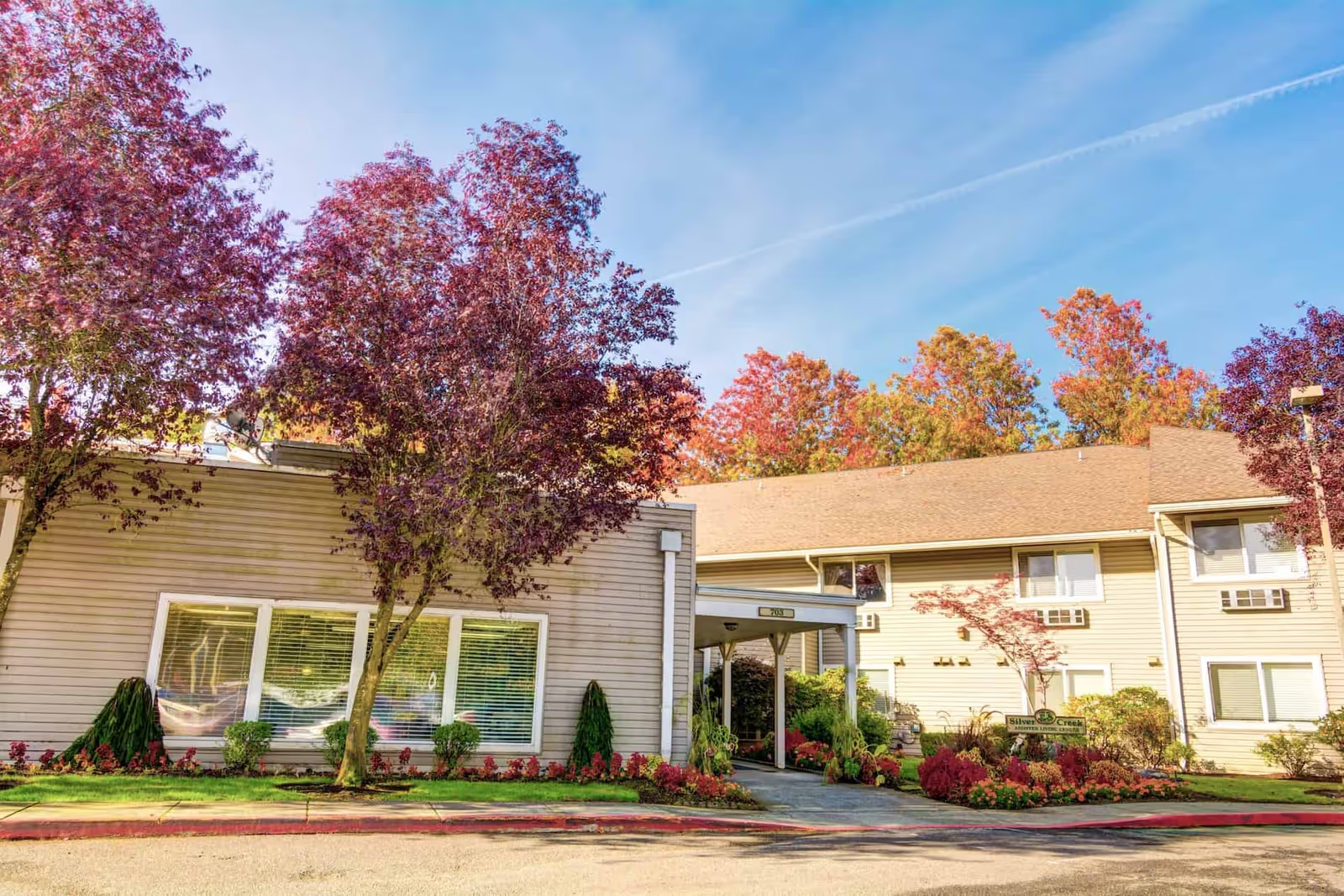
Dining, activities, and environment: Dining is consistently mentioned as a strength, with meals described as homemade and enjoyed by residents and families. The facility’s atmosphere is repeatedly characterized as homelike, friendly, and socially engaging, with residents appearing content and involved. Cleanliness and a lack of regulatory deficiencies are cited as supporting evidence of an orderly environment.
Management and communication: Leadership and specific administrators receive positive mention for accessibility and support; family communication is generally portrayed as clear and helpful. Nonetheless, given the operational concerns noted above, prospective families should verify current staffing patterns, pressure-injury and wound-care protocols, and outcomes from recent discharges or rehabilitation courses.
Notable patterns and recommendations: The dominant pattern is one of high satisfaction with caregiving, therapy, dining, and facility upkeep, coupled with isolated but meaningful reports of inconsistent staff behavior and clinical follow-through. For families considering this facility, recommended due diligence includes asking about staff-to-resident ratios by shift, documentation of pressure-injury prevention measures, recent rehabilitation success metrics, and how management monitors and resolves conduct or responsiveness issues. These targeted inquiries will help confirm whether the facility’s frequently praised strengths are reliably in place for a particular prospective resident.