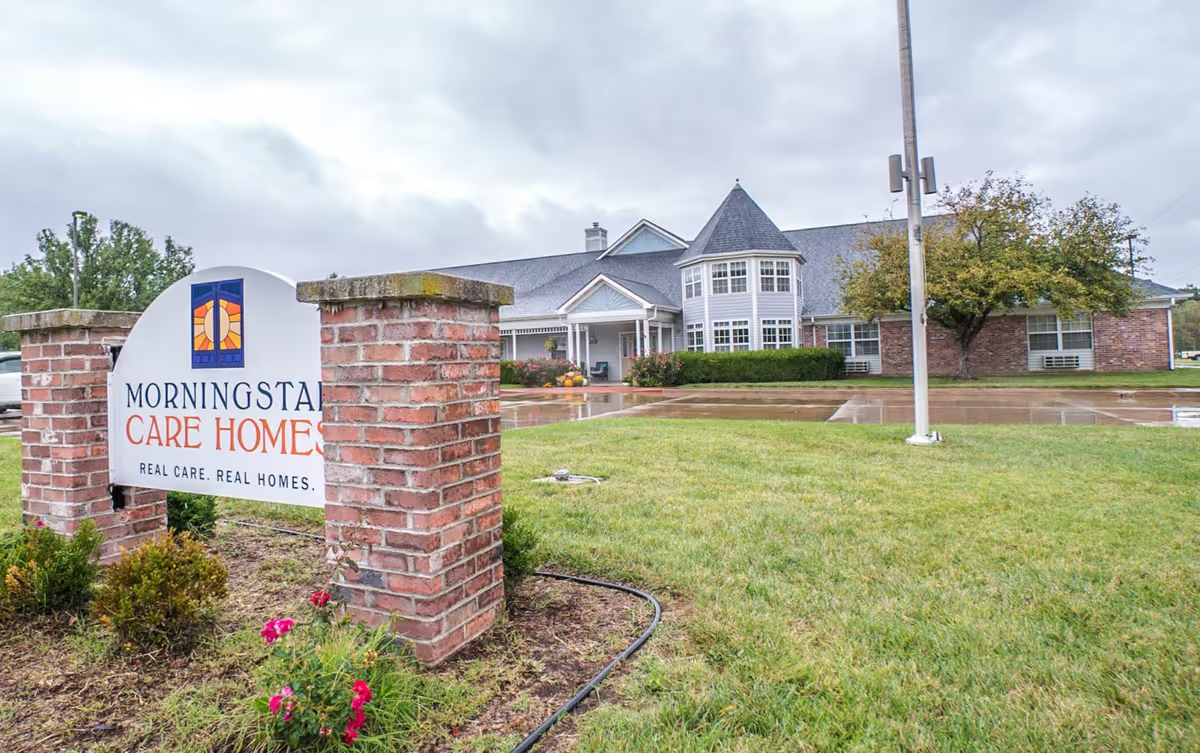
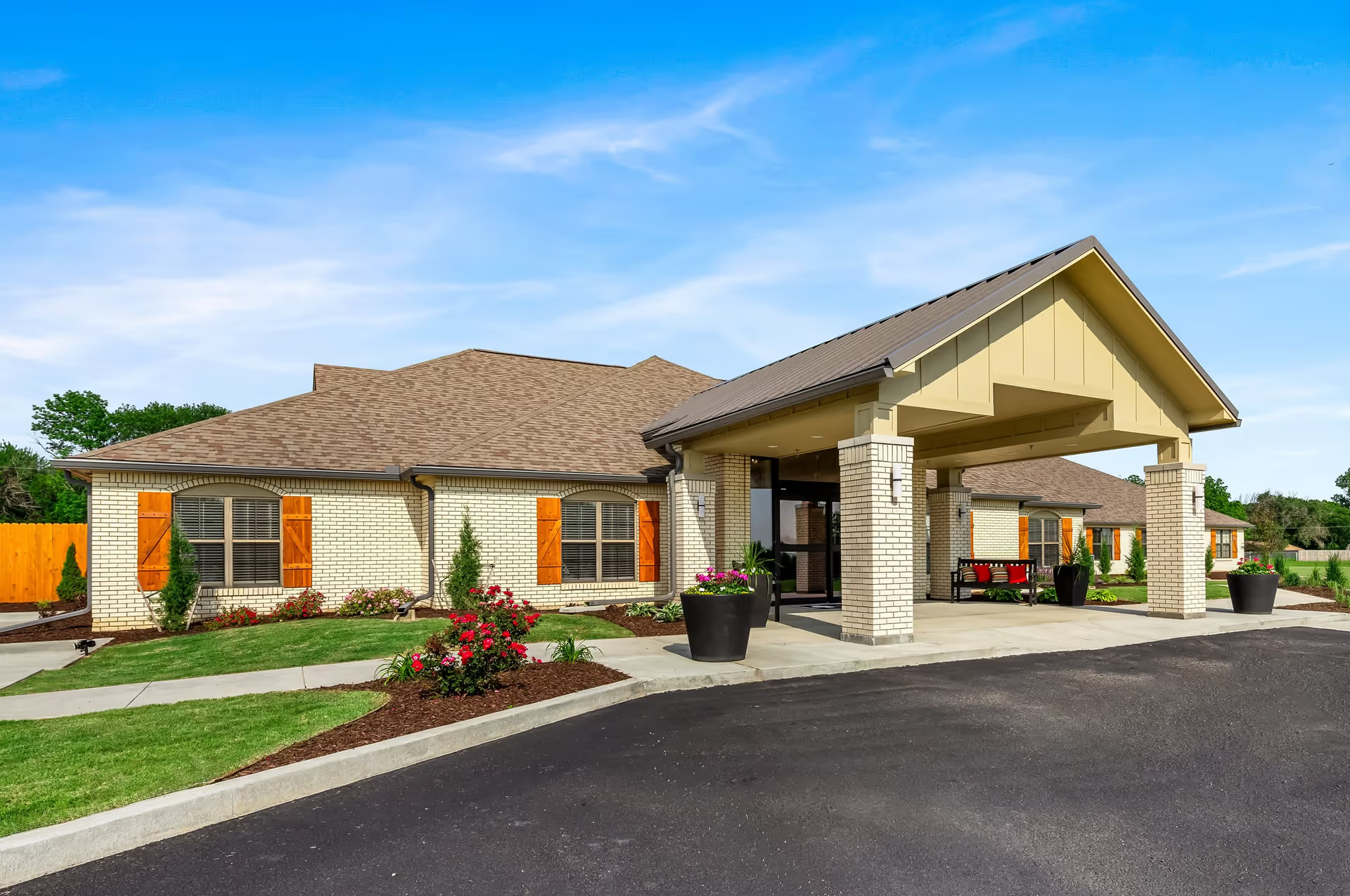
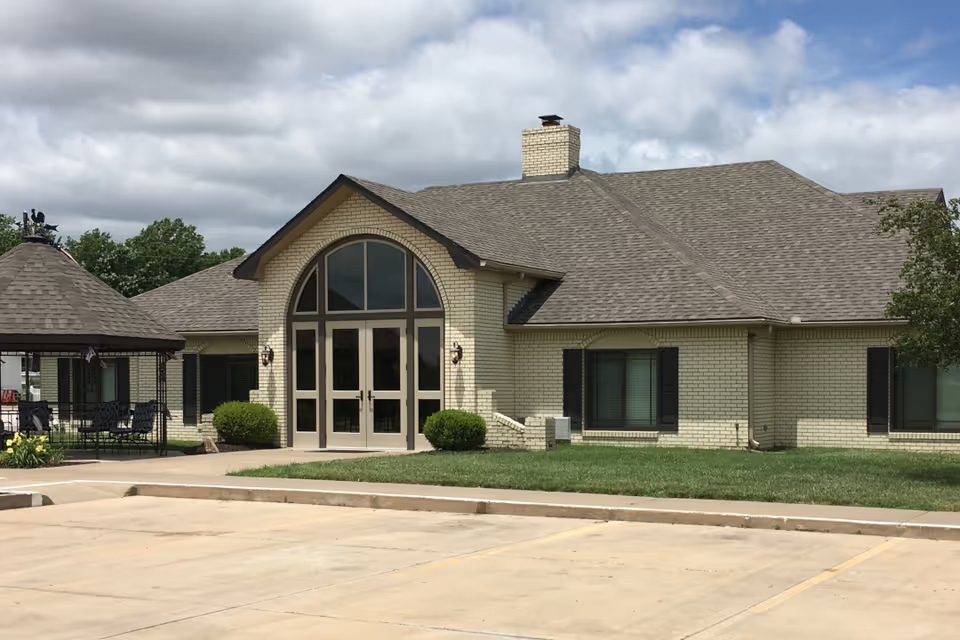
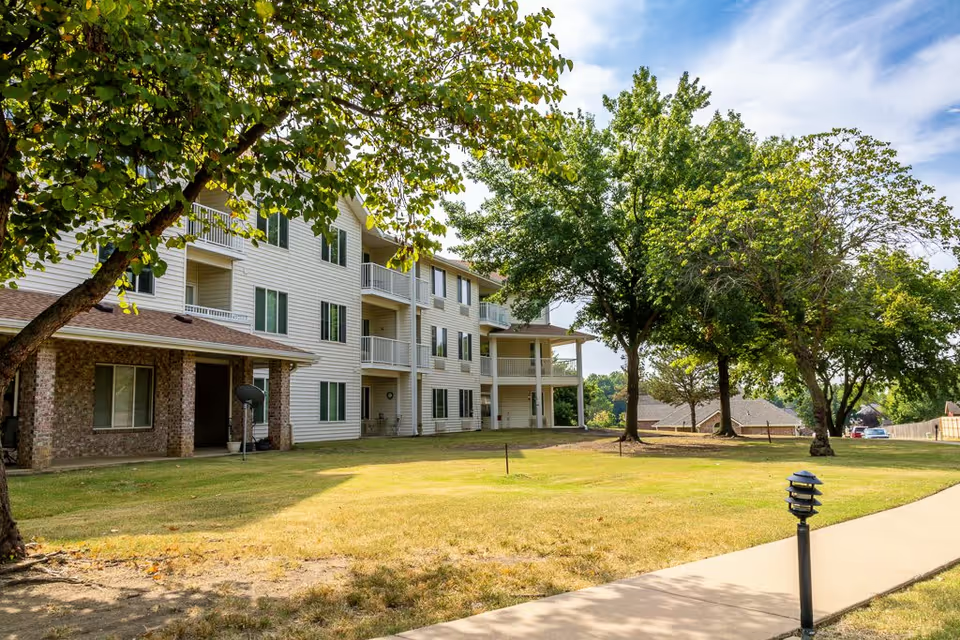
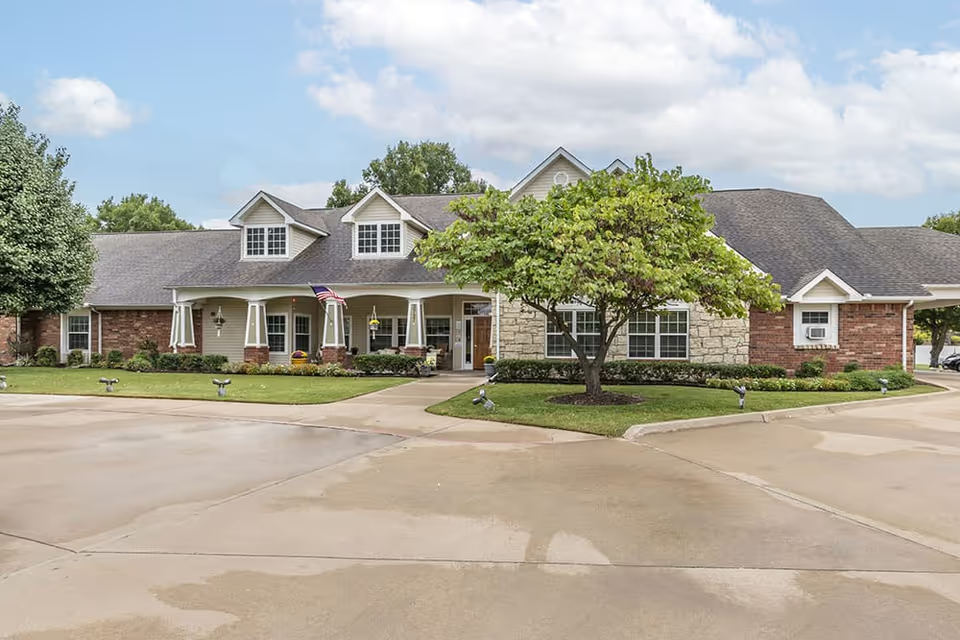
Overall impression: Eagle Estates presents as a clean, home-like assisted living environment with attractive common areas and well-maintained private rooms. Reviewers consistently describe a welcoming atmosphere, visible housekeeping efforts, and clear room identification. Admissions interactions and tours are generally perceived as professional and supportive.
Care quality and staff: Many comments emphasize a caring, family-like caregiving team that offered individualized support during difficult transitions. Specific staff members were singled out for appreciation, indicating pockets of strong frontline engagement and effective resident–family communication. At the same time, several reviewers expressed concern about inconsistent staffing levels. Those concerns translate operationally into gaps in clinical monitoring and continuity of care that, in at least one instance, resulted in a transfer decision. Prospective families should clarify current staffing ratios, on-call clinical oversight, and protocols for escalations to understand how the community manages changes in resident condition.
Dining and activities: The facility’s dining areas and family dining space are described positively in appearance, but direct experiences with meal quality were less frequently documented. That suggests the dining environment is well-presented even when meal impressions are not consistently recorded. Activities such as bingo and organized faith-based programming (church services, Bible study) are in place and see resident participation; however, some reviewers did not recall specific activity details, which may indicate variable programming frequency or uneven resident engagement. Visitors may wish to observe a mealtime and review a current activity calendar.
Facilities and management: Physical upkeep, cleanliness, and a homey décor are recurring positives. Door-name signage and attention to housekeeping contribute to an accessible, small-community feel. Admissions and management staff receive praise for being hospitable and knowledgeable. At the same time, the pattern of staffing variability and the operational implications for clinical oversight are notable management issues to verify. Ask management about contingency staffing plans, staff turnover rates, and how family communication is handled when a resident’s condition changes.
Notable patterns and considerations: Eagle Estates appears to be strong on interpersonal care, environment, and faith/social programming, with specific staff members earning family gratitude. The principal operational weaknesses are inconsistent staffing coverage and the resulting gaps in clinical continuity and activity/dining consistency. Families considering Eagle Estates should (1) request current staffing schedules and turnover metrics, (2) observe a meal service and obtain sample menus, (3) review the activity calendar for frequency and resident involvement, and (4) discuss protocols for clinical changes and transfers to ensure expectations about monitoring and communication are aligned with family needs.