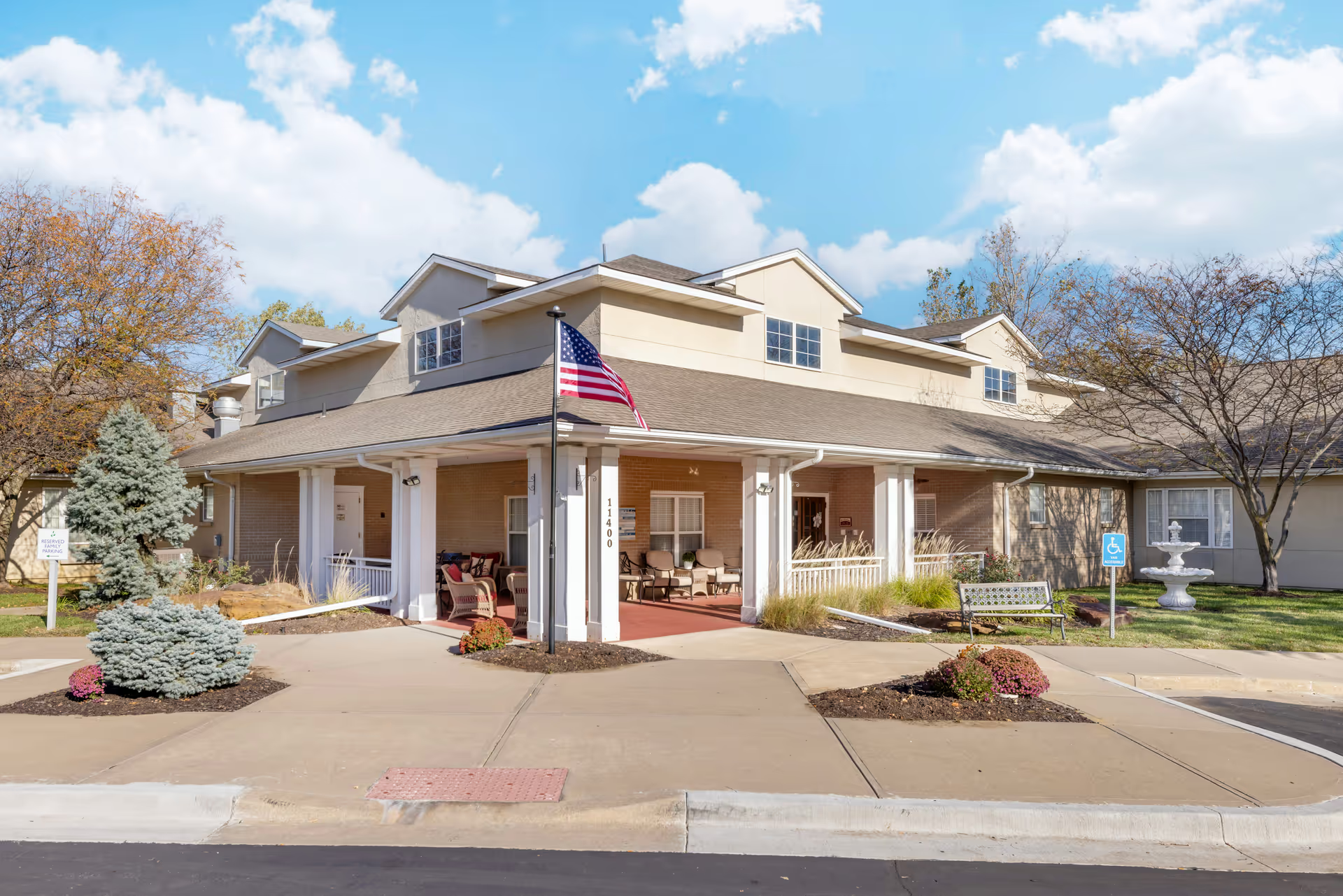
Reviews present a mixed picture of Medicalodges Post Acute Care Center, with clear strengths in family engagement and basic service offerings alongside repeated operational concerns. Several families described a welcoming, family-like environment and appreciated staff communication and proximity to relatives. The facility provides standard post-acute services such as three daily meals, assistance with bathing and dressing, scheduled activities (bingo and salon services), and allowances for personal items not available in the cafeteria.
Care quality and staffing comments are inconsistent. Positive accounts emphasize individualized attachments to specific caregivers and active family involvement in care coordination. However, other accounts describe variability in day-to-day caregiving, with patterns that include delayed attention for incontinence care, missed medication administration, and lapses in timely emergency-response follow-up. These items collectively point to gaps in consistent clinical oversight and response protocols rather than isolated praise or criticism of individual staff members.
Staff interactions elicit mixed impressions: some families find staff helpful and an administrator approachable, while others report concerns about staff tone and responsiveness. The variability suggests uneven staffing practices or training; continuity of care appears to depend on which caregivers are on duty. Families that were actively involved with scheduling and advocacy reported better experiences, indicating that communication channels can be effective when used.
Dining and activities are described as serviceable. Meals are provided three times daily and recreational options such as bingo and hair/nail services are available, supporting social engagement. Flexibility around personal items and salon access was noted as a positive aspect that can improve resident quality of life.
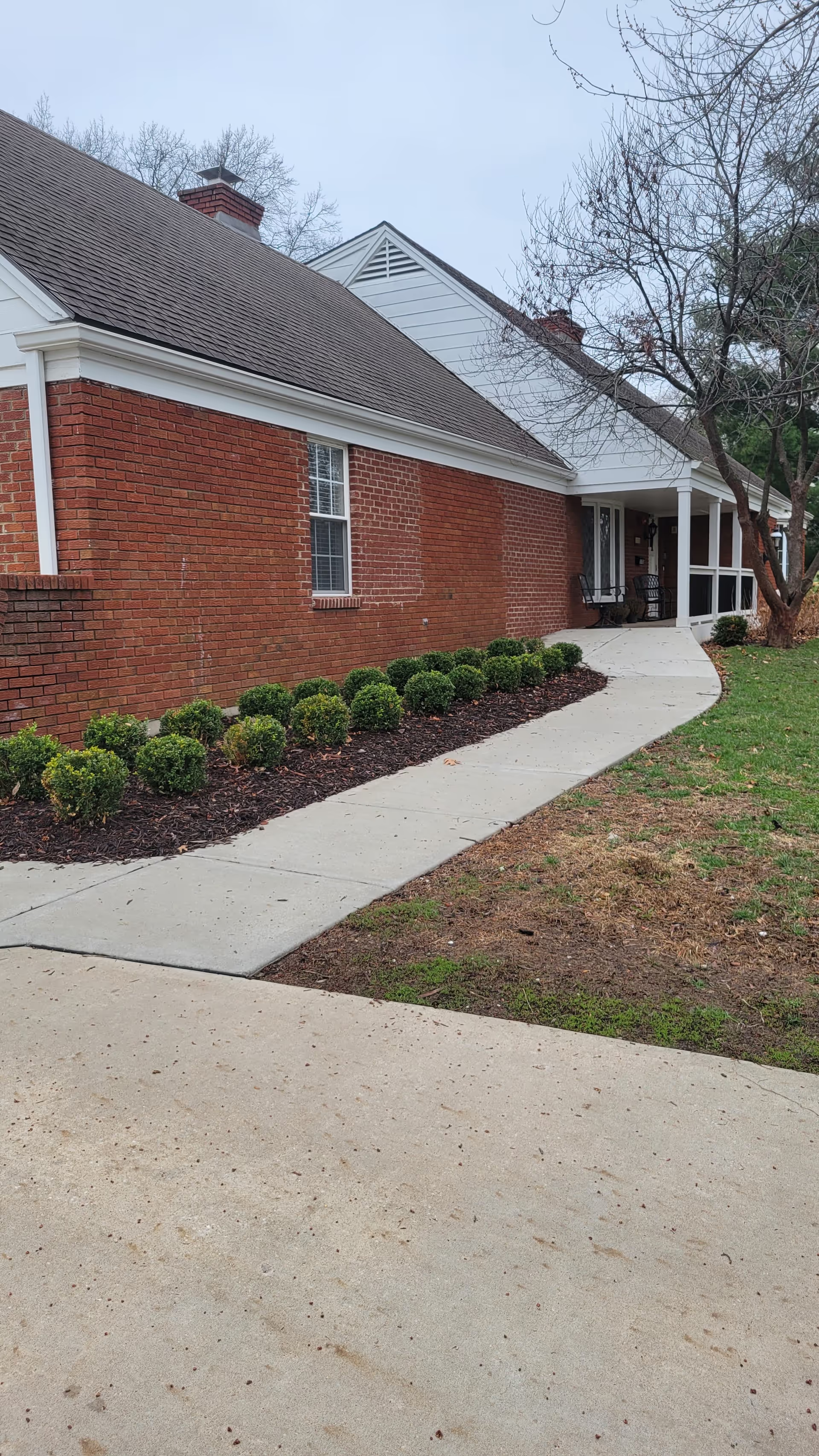
Facility condition and maintenance emerge as recurring concerns. Reviewers cited sanitation and odor concerns in some areas, visible wear associated with an older building, and instances where environmental issues (for example, an unusual odor) prompted slow or unclear maintenance responses. Accounts of delayed or dismissive maintenance interactions underscore a potential gap in environmental-safety protocols and responsiveness.
Management impressions are mixed: an approachable administrator is noted, but structural issues (cleanliness, aging infrastructure, and maintenance responsiveness) and inconsistent clinical practices indicate areas needing managerial attention. Prospective residents and family members should consider an on-site visit that assesses cleanliness, staffing patterns across shifts, emergency-call response procedures, medication-administration checks, and how the facility documents and communicates maintenance and safety issues. These targeted inquiries can help clarify whether the facility’s strengths align with an individual’s care priorities and risk tolerance.