Colonial Oaks Senior Living at Leawood is consistently described as a small, home‑like community with a strong clinical presence and an emphasis on personalized, compassionate care. Families and residents commend the nursing leadership, well-trained medication technicians and CNAs, and access to in-house therapies and an on‑site physician. Reviewers frequently highlighted the community’s responsiveness to clinical needs, coordination with hospice and end‑of‑life care, and staff willingness to accommodate individualized care plans.
Staff culture is a dominant strength. Numerous accounts describe caregivers and administrative staff who go beyond baseline duties to support residents and families, producing a sense of safety and peace of mind. The activities department is well staffed and offers a wide array of programming—bingo, arts and crafts, music, dance, pet visits, and themed events—plus regular outings that support social engagement. Pet therapy and intergenerational interactions are noted as meaningful contributors to quality of life.
Dining receives generally positive marks: a chef‑driven menu, willingness to accommodate special diets, and a varied selection of meals. That said, there is some variability noted around dining‑room ambiance and meal consistency, and occasional comments point to differences in culinary experience across time or staff changes. The facility’s all‑inclusive, fixed pricing model is appealing to families seeking predictable costs.
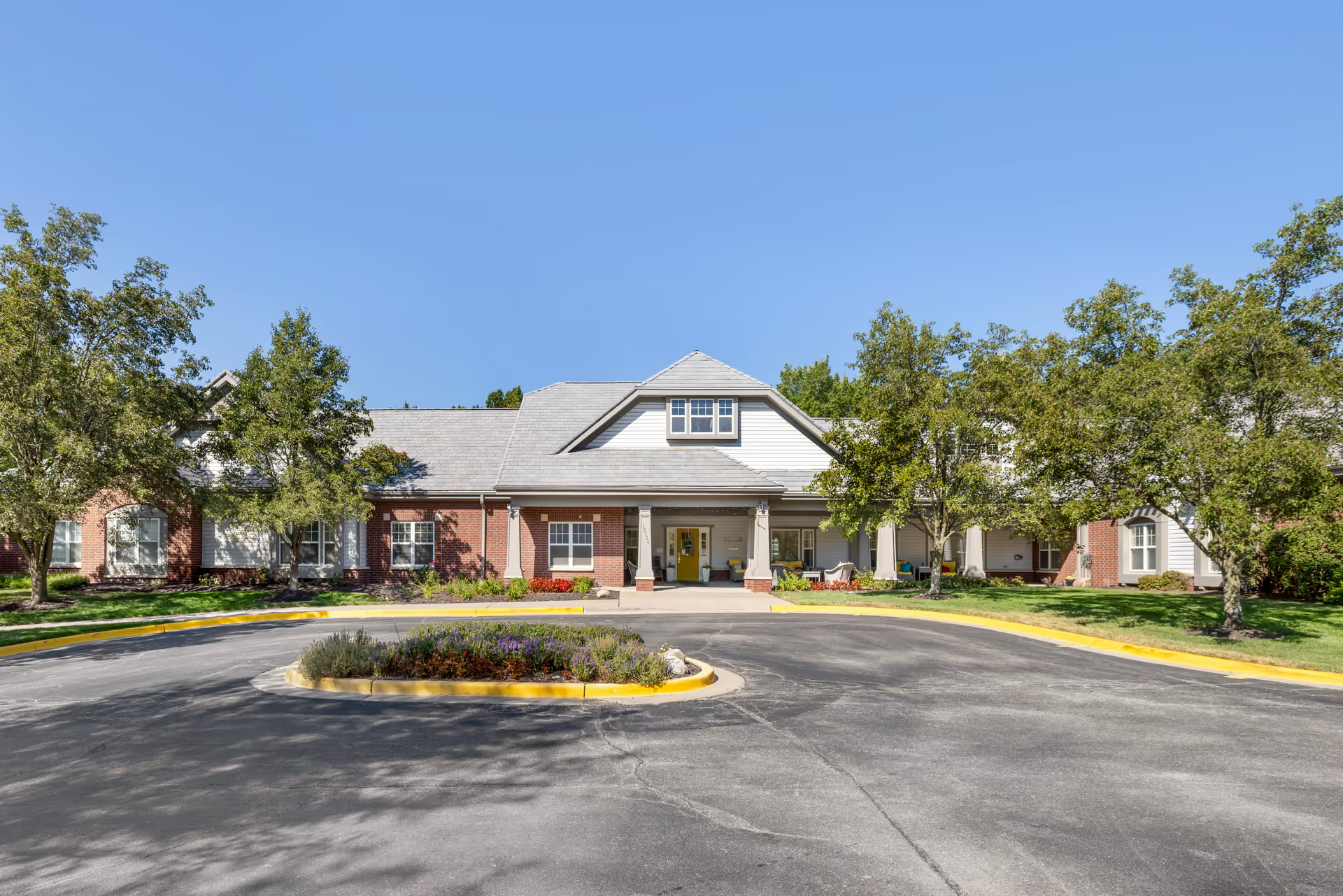
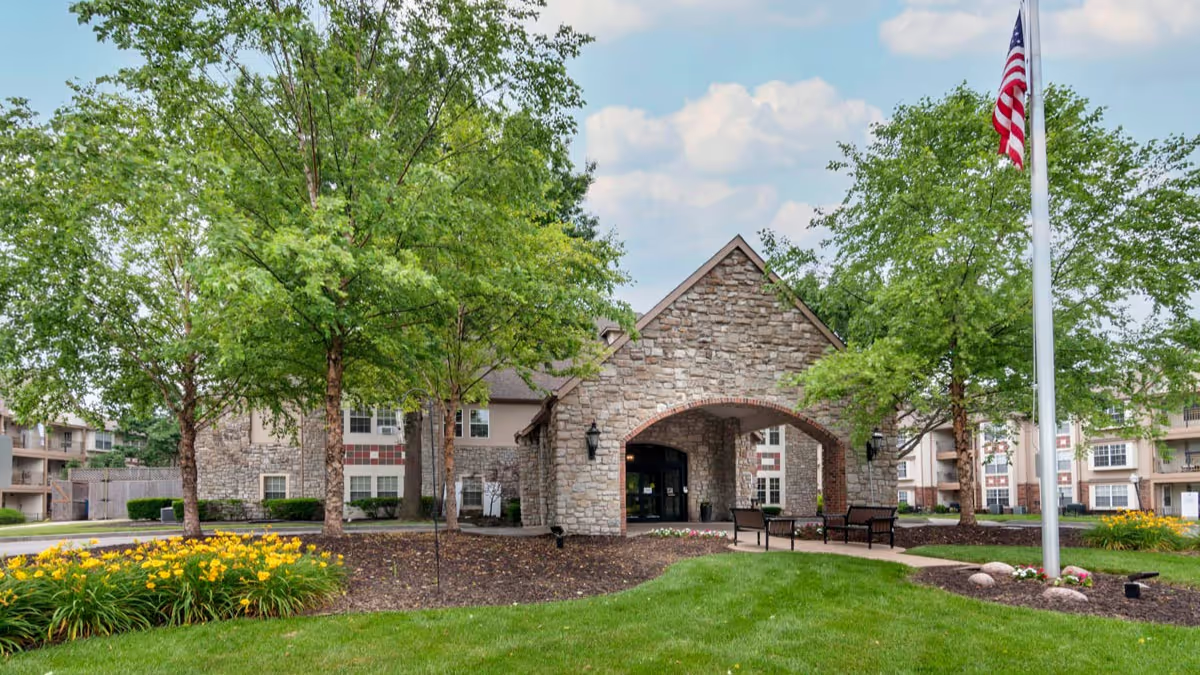
The physical environment is frequently praised for its bright, well‑lit interiors, natural light, and attractive interior common spaces such as a fireplace lobby, grand piano, and a secure central courtyard with walking paths and patios. Private apartment options with patios or kitchenettes and an accessible single‑floor layout are positive features. The community is undergoing visible renovations—updated dining areas, new carpets and furnishings—which are seen as improvements, although construction activity has created intermittent disruption.
Areas of operational concern that recur across feedback include staffing stability and maintenance consistency. Several accounts point to periods of understaffing that reduce opportunities for one‑on‑one engagement and lower the overall visibility of residents in common areas. Maintenance issues (stained flooring, exposed building elements, and uneven exterior curb appeal) and the impact of ongoing renovations were also noted as detractors from the otherwise well‑kept interior. Communication and responsiveness have been uneven at times—examples include delayed phone responses or locked entry points—that highlight areas for operational tightening.
Another pattern is the distinction between assisted living and memory care: while memory care receives high praise for dedicated, skilled staff, the integration between assisted living and memory care units is perceived as limited, and the memory‑care unit’s small size and gender composition have been a fit concern for some families. A few administrative or tour experiences were described as unprofessional or rushed, though admissions staff are also frequently praised for supportive, thorough move‑in assistance.
Overall, Colonial Oaks Leawood presents as a community with strong clinical and caregiving strengths, robust programming, and a comfortable, light‑filled physical environment. Prospective residents and families should weigh those strengths against noted operational traits—particularly staffing stability, maintenance consistency, and the temporary effects of renovations—when evaluating fit and timing for a move.