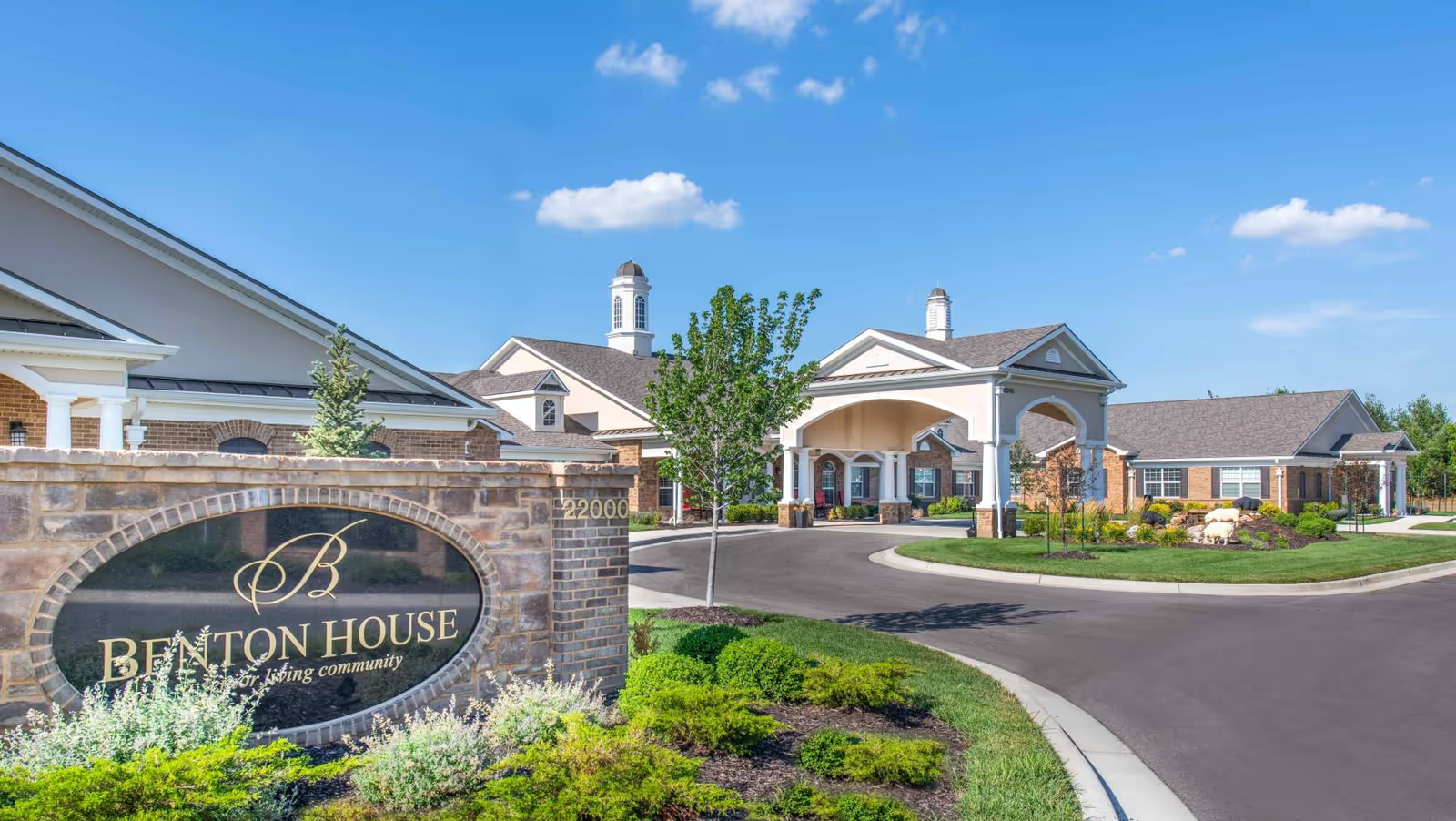
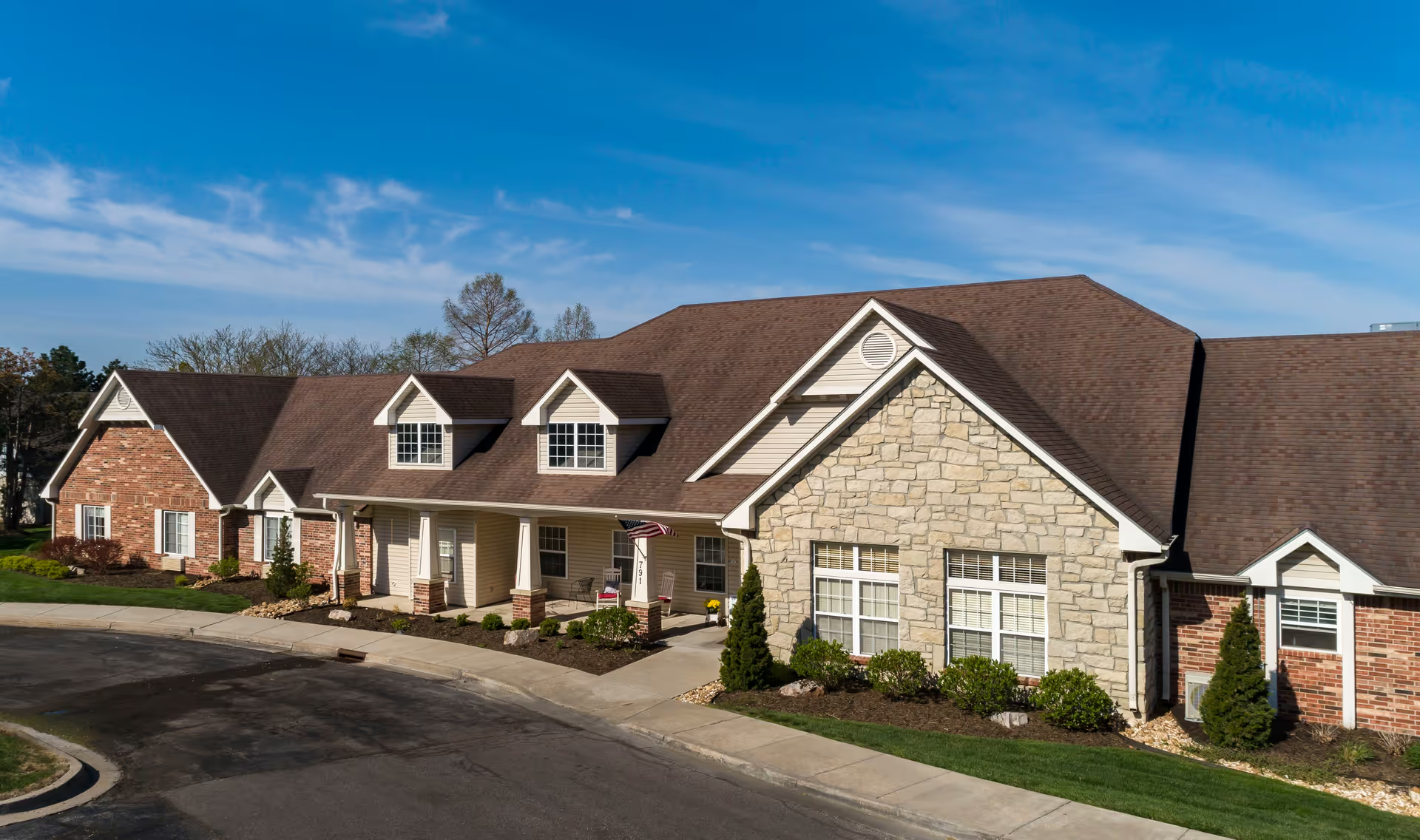
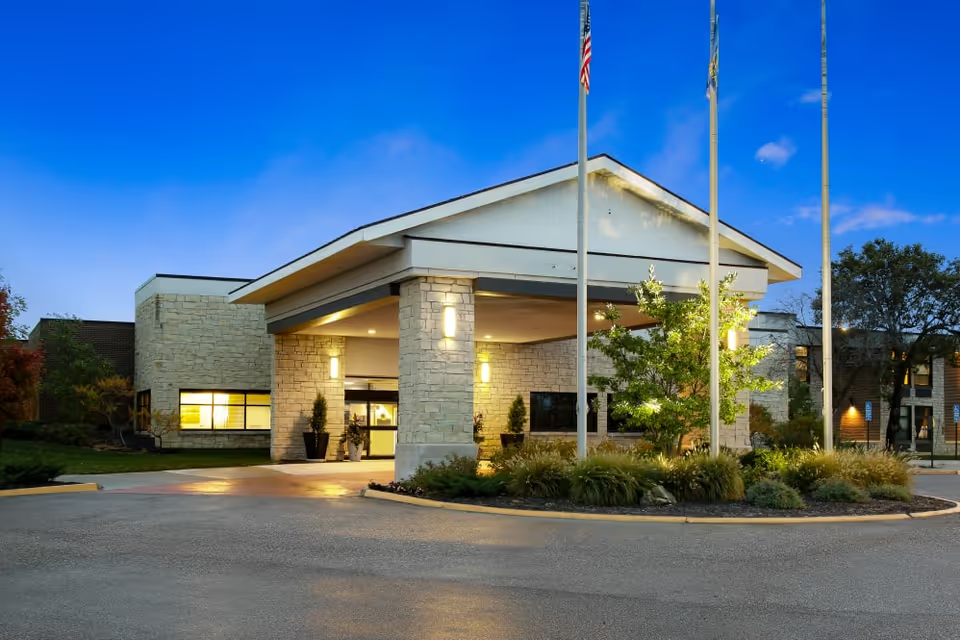
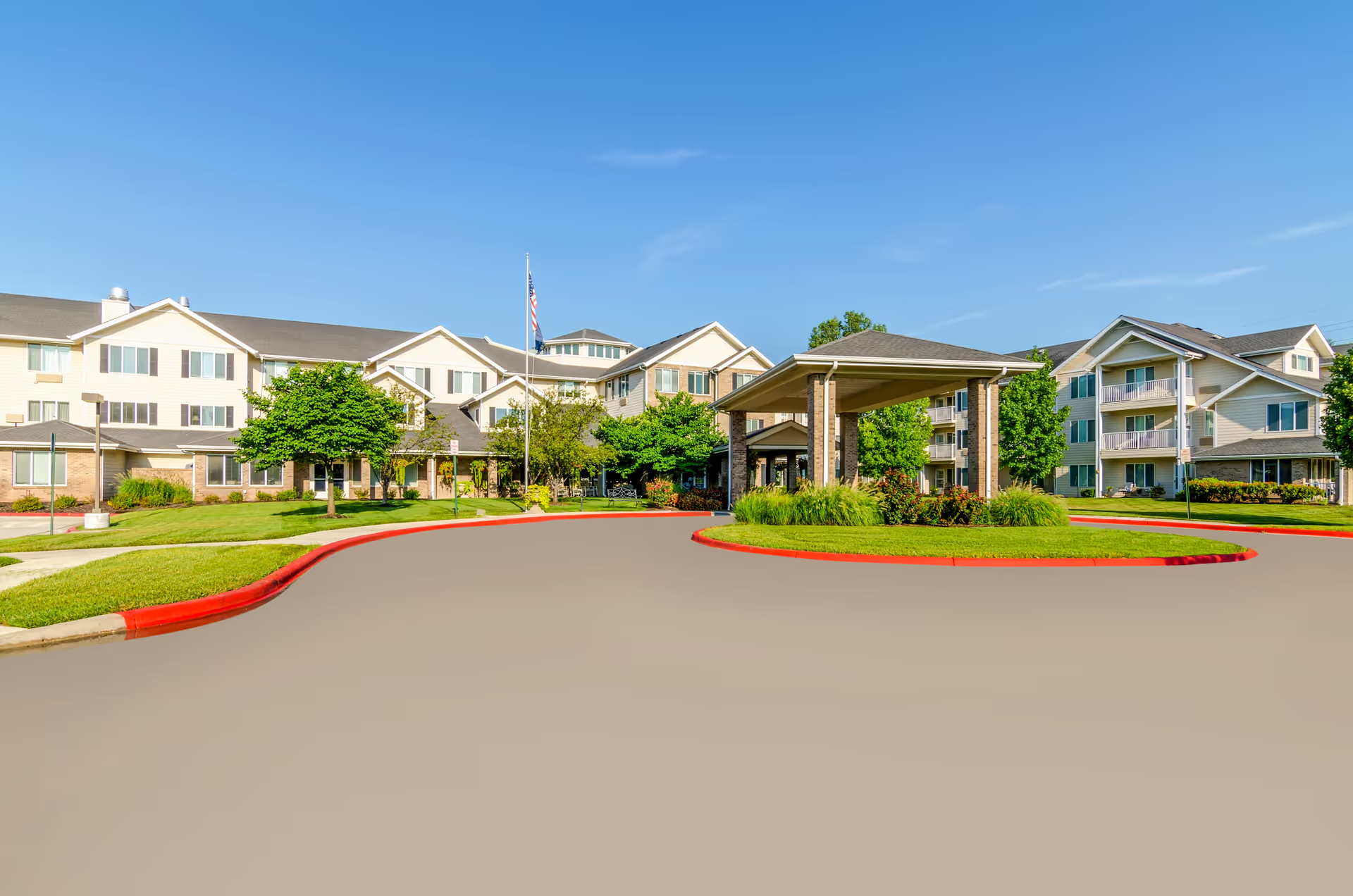
Crestone Senior Living presents as a new, upscale community with many strengths alongside clear growing pains. The physical plant and amenities receive consistent praise: reviewers describe a modern, bright environment with natural light, a swimming pool, gym, library, and comfortable independent-living apartments. Social programming and community-building are emphasized, with frequent events, pre-move gatherings, and active calendars that help establish a welcoming atmosphere. Individual staff members and departments — notably dining and front-desk teams — are frequently singled out by name for positive, resident-focused interactions.
Care quality is mixed and appears to be uneven across units and shifts. Several accounts highlight compassionate, attentive staff and improvements in dignity and care after leadership changes (e.g., a new executive director and wellness coordinator). At the same time, recurring operational themes include high staff turnover, reliance on agency personnel, and periods of understaffing that have contributed to inconsistent assistance with daily needs. Families report variability in responsiveness to service calls and in follow-through on routine personal-care reminders. Prospective residents should verify current staffing levels, clinical oversight, and any recent changes to leadership or training initiatives.
Dining and culinary services are a notable bright spot for many reviewers: the culinary team and specific chefs receive frequent praise for meal quality, menu variety, and accommodating special dietary needs (holiday meals and dietary accommodations were referenced). However, there are countervailing comments about inconsistent meal timing, delivery issues, and kitchen staffing/retention challenges. This creates a pattern of generally high-quality cuisine delivered with variable operational reliability.
Activities and daily life are often described positively: water aerobics, bingo, music, and other group programs are available and help foster a sense of community. Sales and activities staff have been active in coordinating social events and outreach to prospective residents. That said, some reviewers noted gaps in activity availability at times, so confirm the current schedule and how activities align with a prospective resident’s interests.
Management and operations show a split picture. Several reviewers praise specific managers and frontline staff for smooth daily operations, while others describe poor communication from leadership, slow responses on administrative issues (including deposit/refund processing), and concerns about workplace culture. Maintenance responsiveness has been inconsistent in some accounts (for example, extended delays for heating/air conditioning repairs). Pricing is positioned at the premium end of the market; the community does not accept Medicaid, and studio units have compact layouts with limited kitchen facilities.
Notable patterns for prospective residents and families: staffing stability is the primary operational risk noted across comments — it affects care continuity, dining operations, and the general resident experience. Memory-care impressions are mixed: there are both endorsements of dementia-care expertise and warnings about specific areas of concern, so verify memory-care staffing, training, and oversight directly. Practical pre-move checks recommended by reviewers include testing Wi‑Fi and A/C, confirming appliance and door/window functionality, sampling the food, observing response times to service calls, reviewing activity and meal schedules, and inquiring about pet services and accommodations. Asking for current staffing ratios, turnover statistics, recent inspection or complaint resolutions, and written policies on refunds and maintenance response times will help clarify whether the community’s strengths are consistently realized for your loved one.