The reviewer summaries present a mixed and evolving picture of care at this facility. Positive feedback centers on caring clinical teams, responsive social-work leadership, and an engaged administrative staff. Several accounts highlight active programming and community events, ongoing building upgrades, private rooms with temperature control, and a secured Alzheimer’s/dementia unit. More recent commentary after a July 2024 ownership change emphasizes improvements in staffing, clinical outcomes (including reduced pressure-injury incidence), and a more family-like culture.
Care and staff: Many comments praise individual nurses, CNAs, and social workers by name for attentive and empathetic care. At the same time, there are recurrent operational concerns: staffing instability tied to turnover and ownership changes, inconsistent staff training for dementia care, and episodic delays in attending to resident needs. Reviews suggest that care quality has been uneven over time, with several accounts describing improvements under a new leadership team and other accounts describing earlier gaps in responsiveness and clinical oversight.
Dining and activities: The facility is credited with a range of engaging activities and community events (for example, petting zoos, made-to-order brunches, and first-responder events). However, meal service and kitchen performance are frequent points of dissatisfaction: reviewers describe inconsistent food quality, late or cold meals, and a need for greater reliability in meal delivery and menu execution.
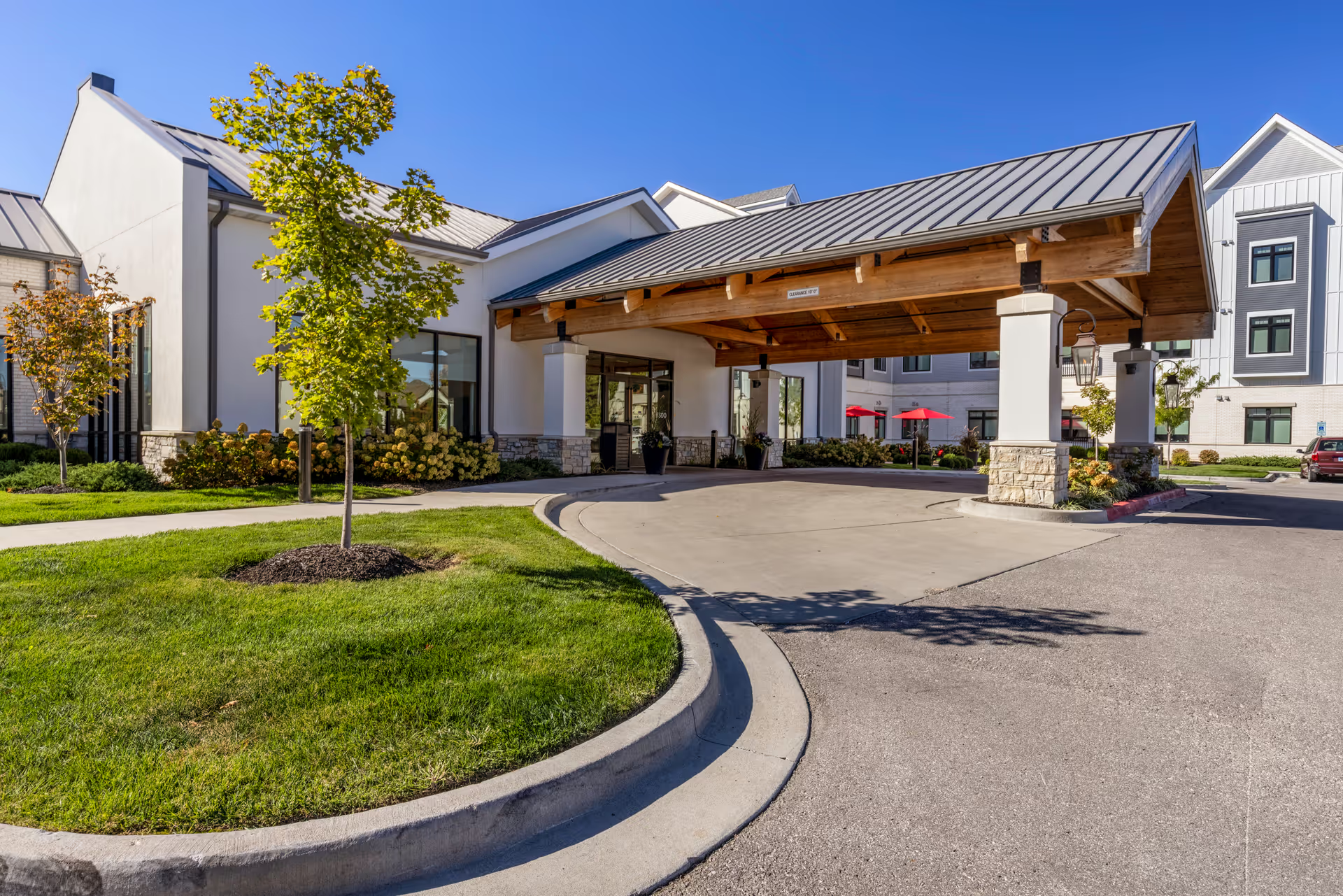
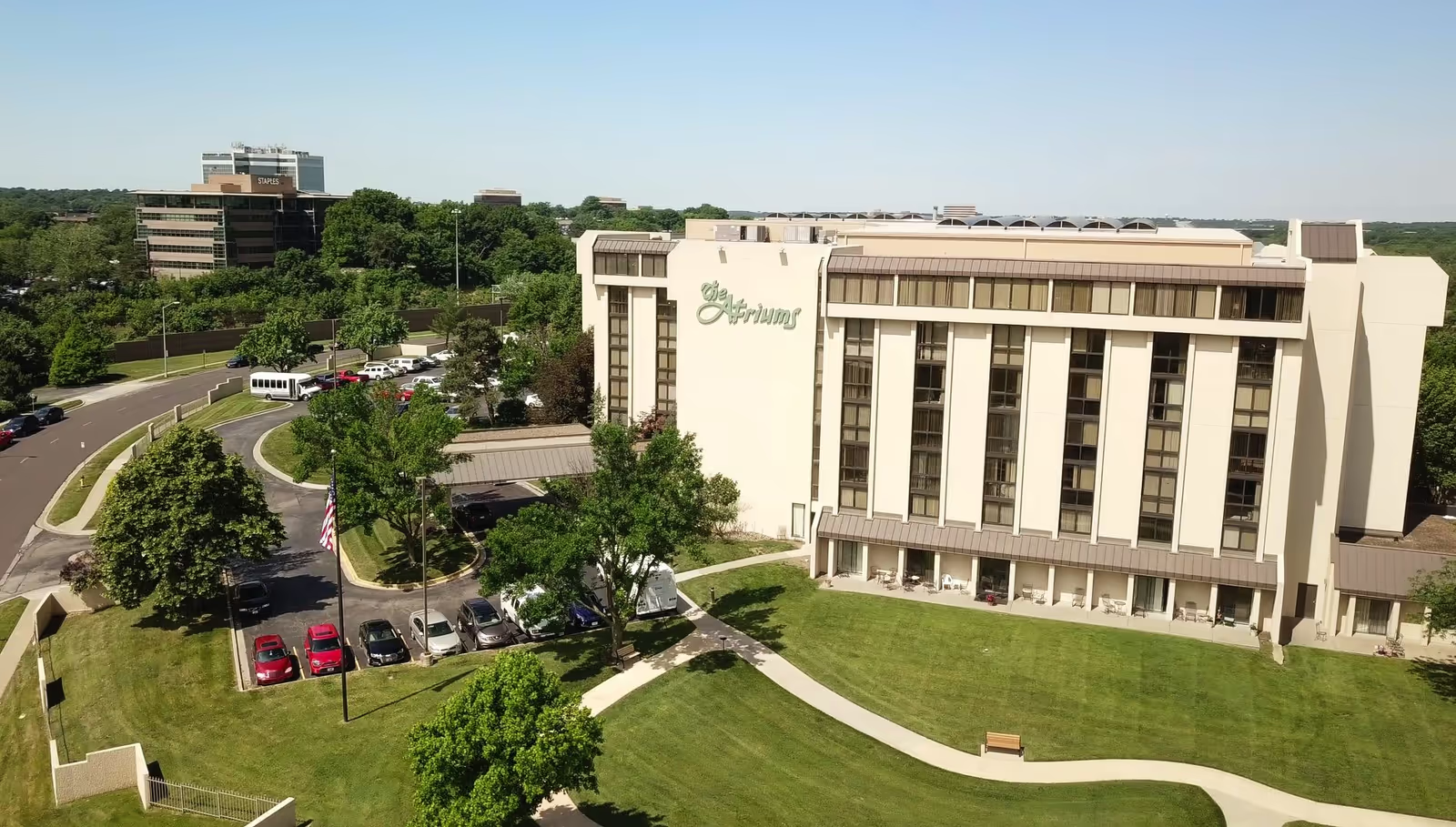
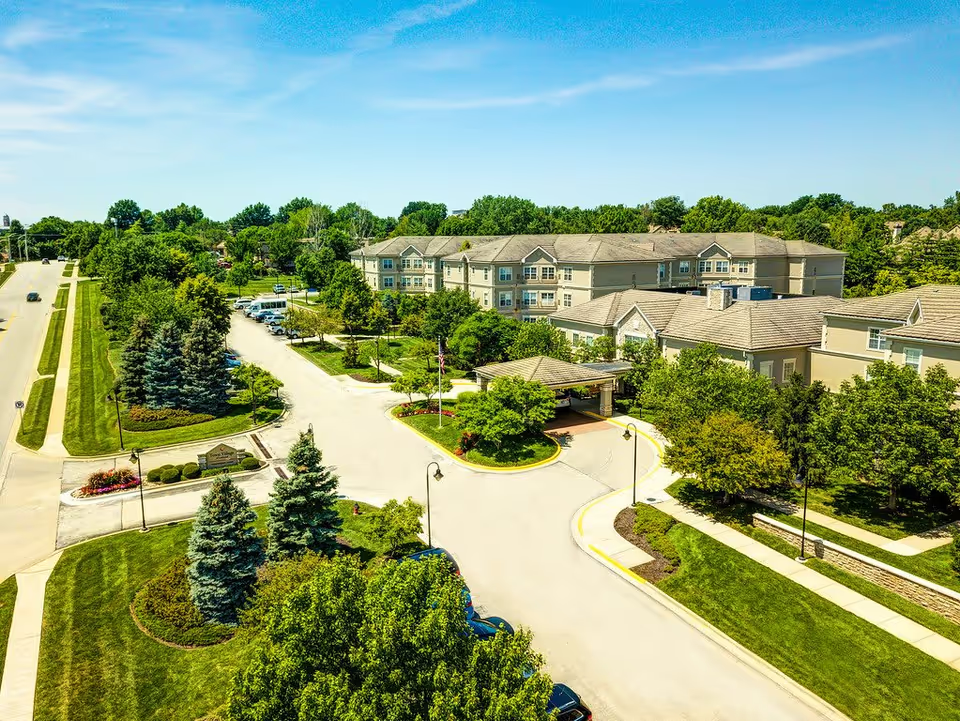
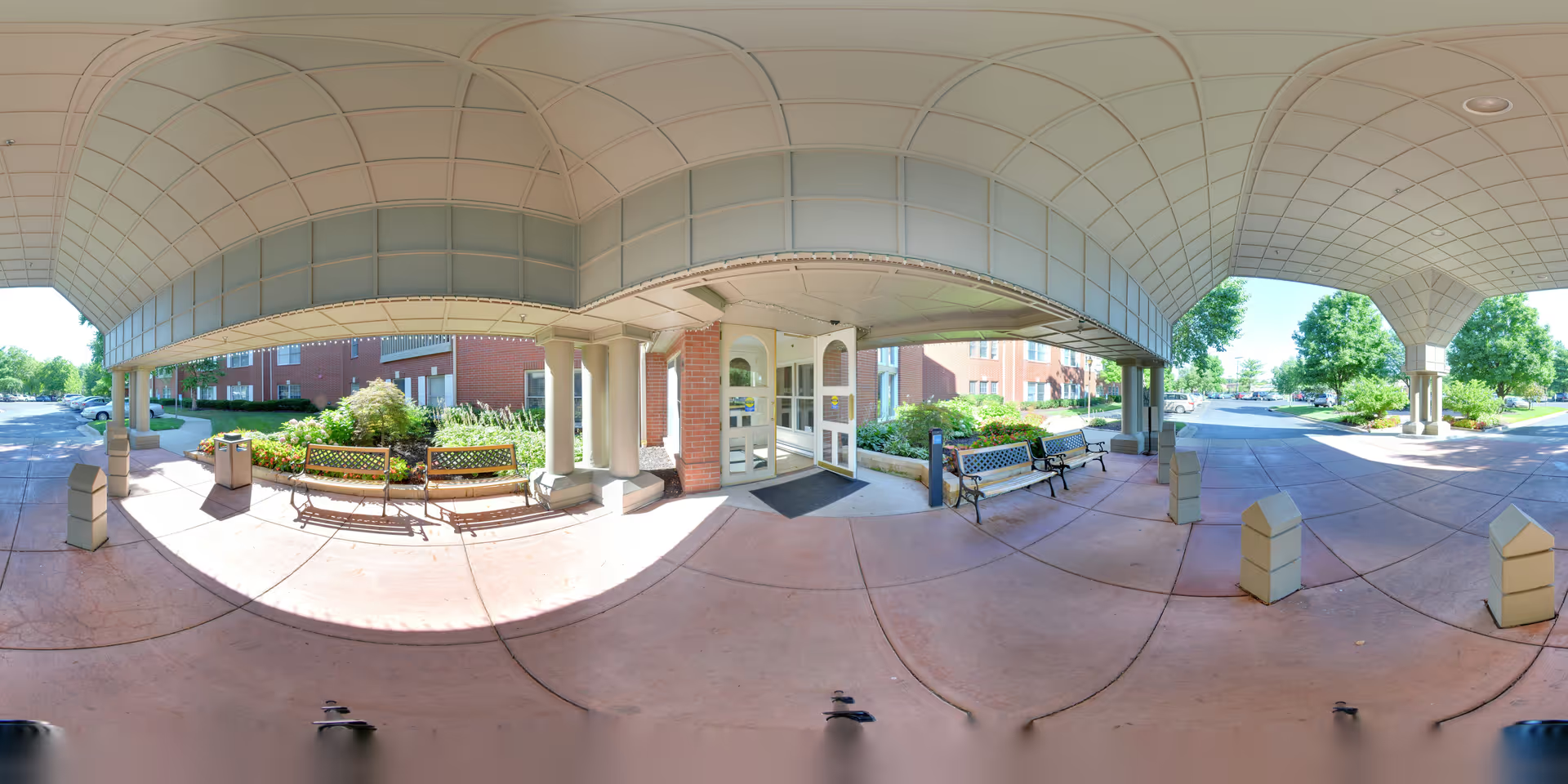
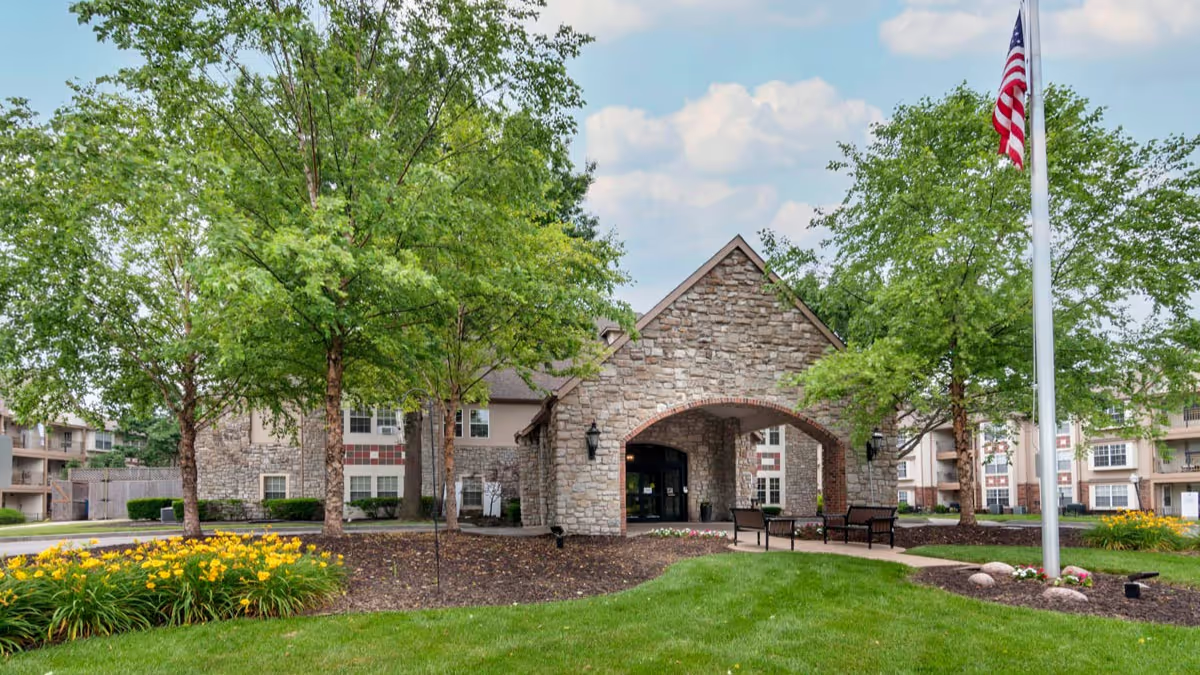
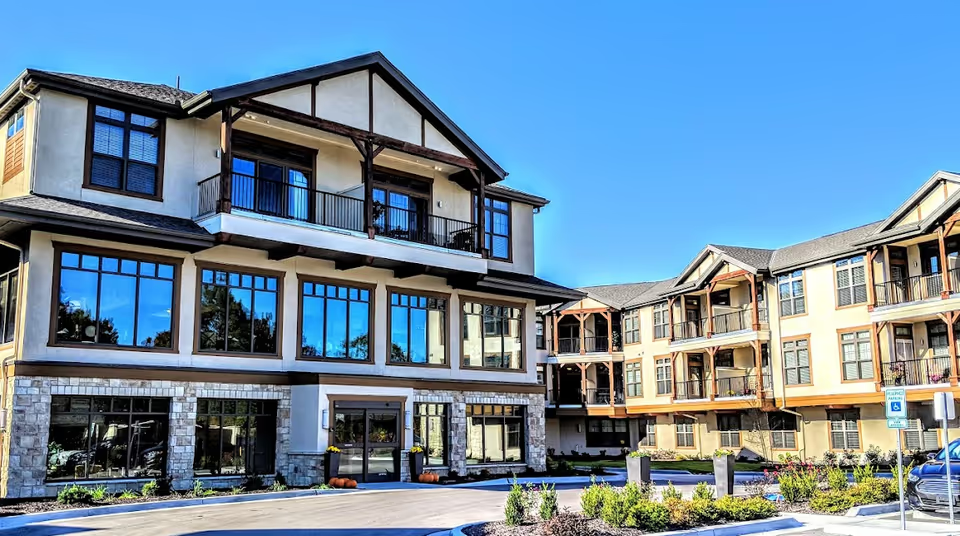
Facilities and safety: Multiple reviewers note visible facility upgrades, clean common areas, and attractive outdoor spaces such as a lakeside patio. Counterbalancing those positives are sanitation and housekeeping inconsistencies in some areas, pest-control and hygiene concerns, and occasional reports of unsecured personal property. A locked secure unit for residents with Alzheimer’s/dementia is a noted strength; however, some accounts raise questions about staff training and readiness to meet the specialized needs of that population.
Management and patterns: A clear pattern in the summaries is fluctuation over time. Several negative operational themes—communication shortfalls with families, management unresponsiveness, gaps in rehabilitation therapy availability, and questions about medication-handling and clinical oversight—appear in earlier reports. More recent reviews following an ownership transition describe active leadership, improved staffing, and better clinical metrics. Prospective residents and families should weigh the facility’s documented improvements alongside lingering operational concerns; direct conversations with current leadership about staffing stability, dining plans, infection- and pest-control practices, dementia-care training, and property-security measures are advisable before placement.