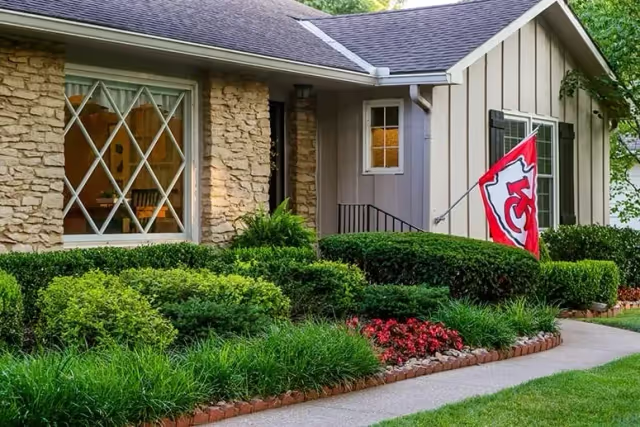
Overall impression: The reviews depict a network of small, residential-style senior homes that prioritize personalized, family-oriented care. Strengths repeatedly cited include compassionate, stable caregiving teams, small resident populations that support individualized attention, and well-maintained, comfortable living environments. Many families describe the homes as feeling like an extension of family life, with welcoming common spaces, private rooms, and outdoor areas that support resident well‑being.
Care and staff: Care quality is framed around attentive, person‑centered caregiving and consistent staff assignments. Reviewers emphasize staff members who know residents’ life stories, respond patiently during distress, and provide emotional as well as physical support. Low turnover and high staff‑to‑resident ratios are presented as drivers of continuity and peace of mind for families. Placement and referral personnel (Carestreet and named advisors) are repeatedly praised for timely coordination, clear communication, and advocacy during transitions.
Dining and activities: Dining is consistently described as a family‑style experience with home‑cooked meals, regular social dining routines, and special culinary events (porch cookouts, holiday meals). Social programming includes crafts, music, singing, bingo, and seasonal celebrations; reviewers credit these activities with improving mood and social engagement. That said, a theme emerges around variability in activity structure: some reviewers note vibrant, well‑attended programming, while others express that advertised activity levels or structure can be less consistent than expected. Prospective families should ask about current activity schedules and staffing dedicated to programming.
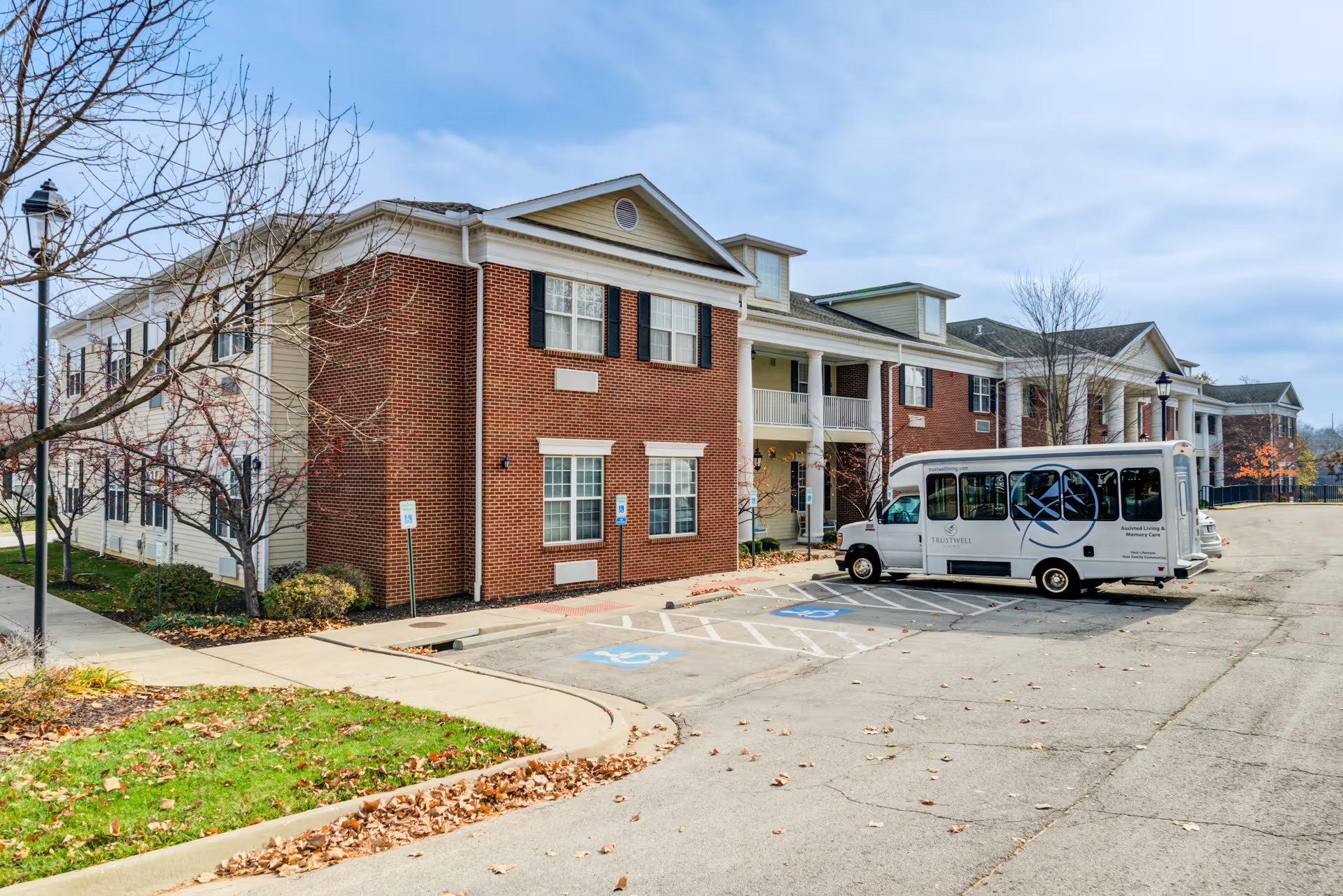
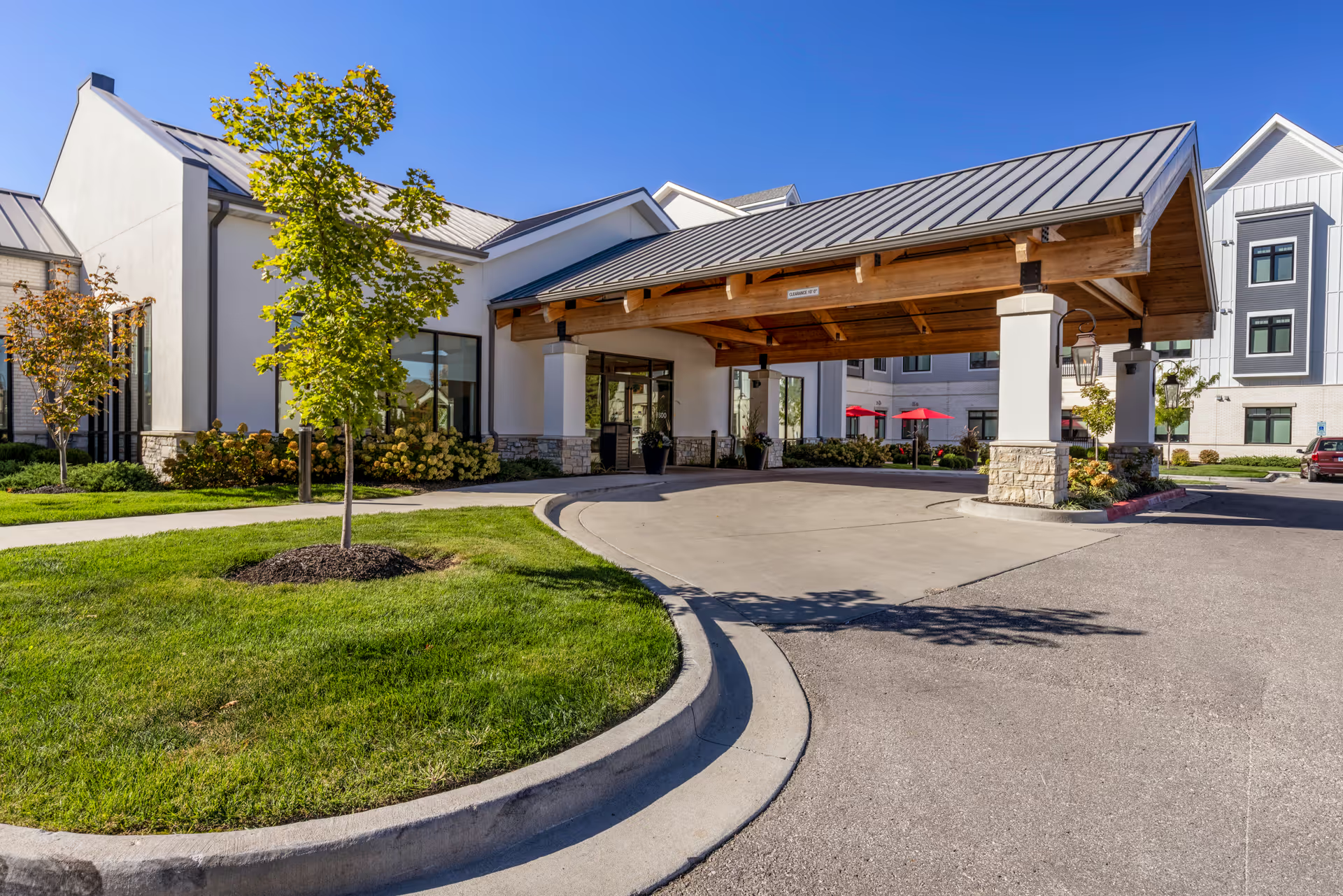
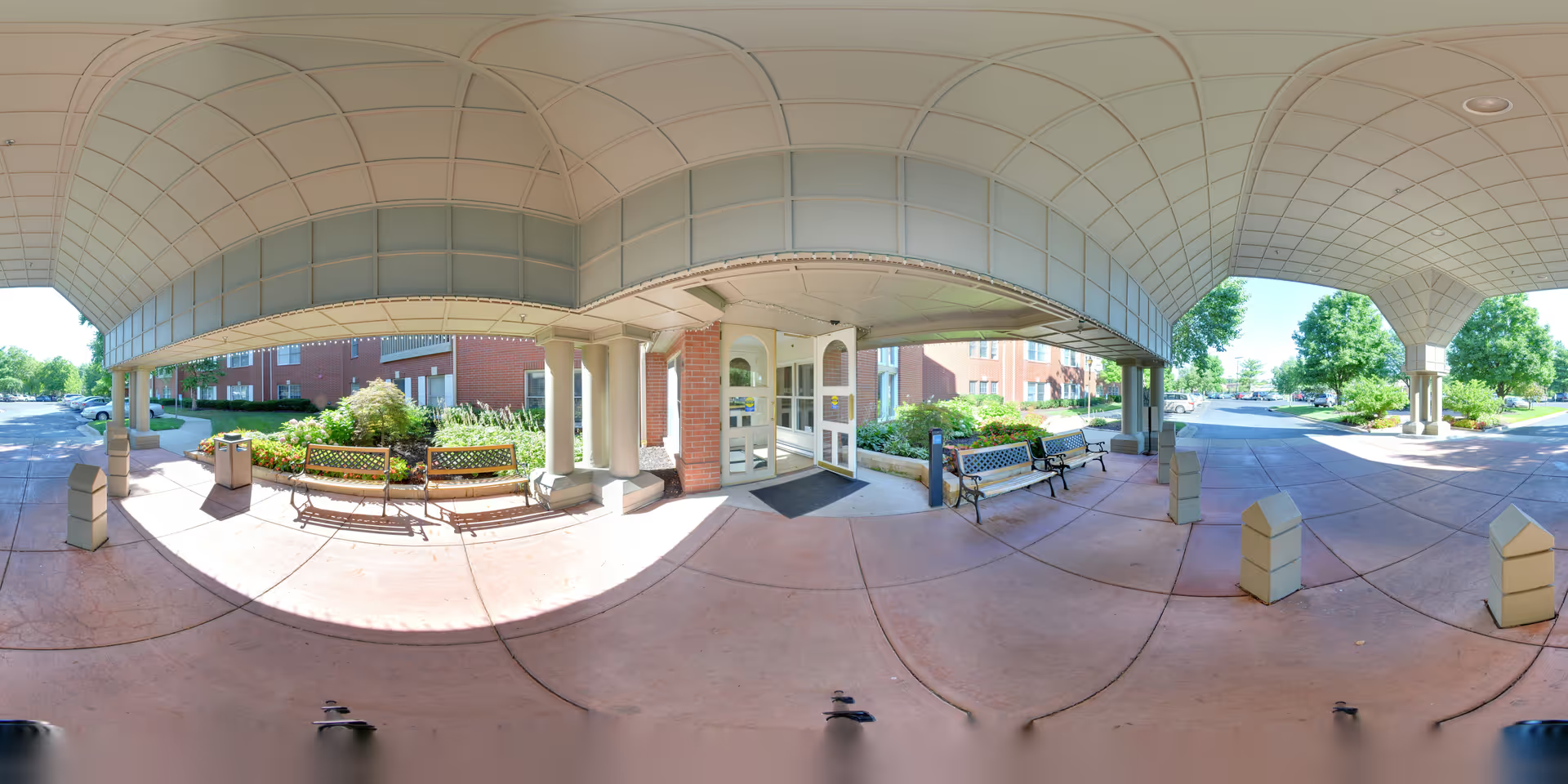
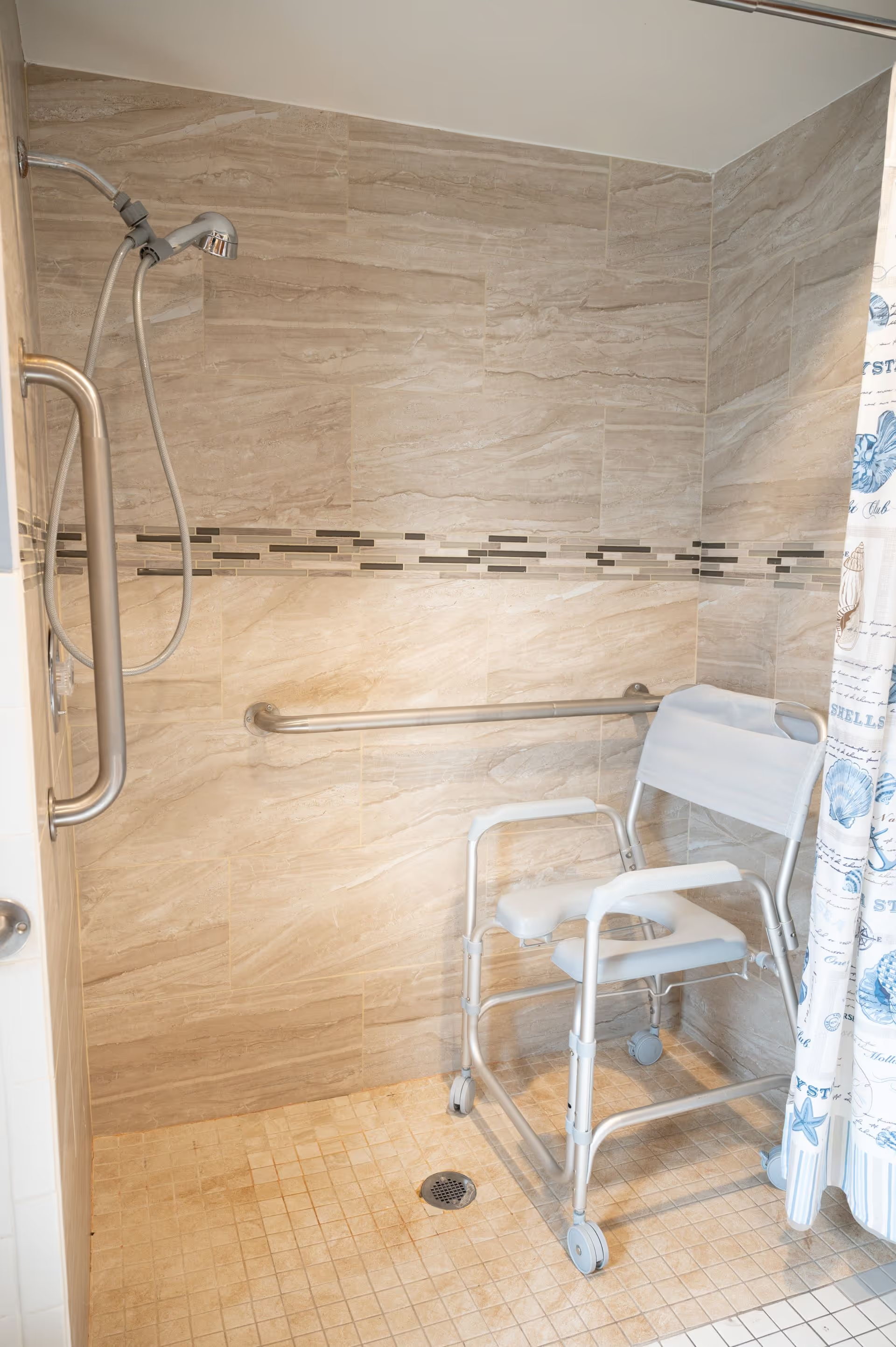
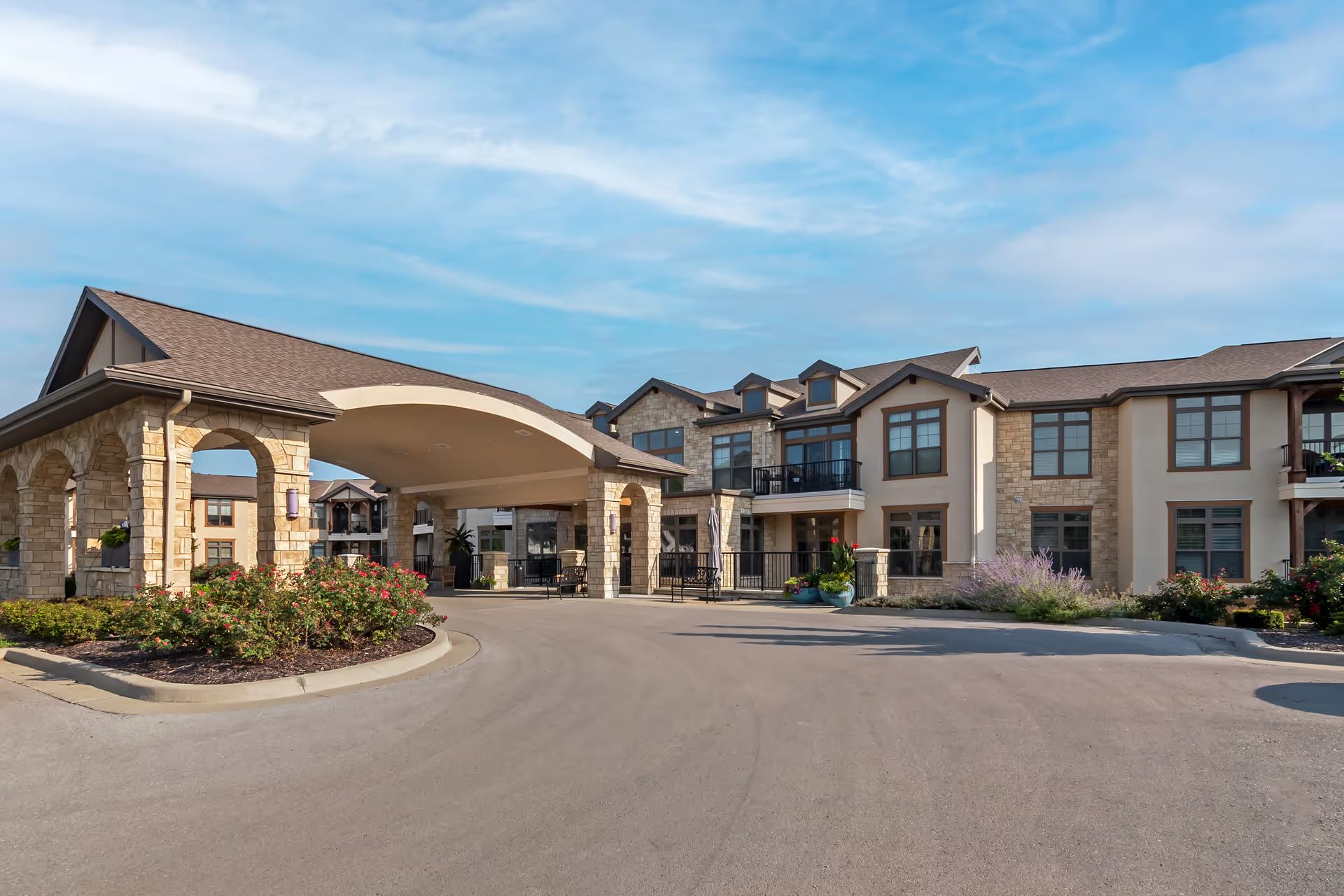
Facilities and management: Facilities range from comfortable, modest homes to higher‑end options with private rooms and upscale features. Homes are frequently described as spotless, well‑landscaped, and secure, with accessible outdoor walking paths and gardens. Ownership and management involvement is generally viewed positively—founders and owners are described as responsive and detail‑oriented in many instances—but reviewers also identify variation between individual homes. Some locations operate with a stronger, hands‑on management presence than others, and a few comments indicate less direct owner involvement in daily care at certain properties.
Notable patterns and caveats: Two operational caveats appear across reviews. First, premium pricing at the more upscale homes limits affordability and may make these options appropriate primarily for families with greater financial resources. Second, several reviewers raised concerns about the adequacy of on‑site clinical staffing and medical training for residents with high‑acuity clinical needs; these comments suggest the model is best suited to residents who require reliable, compassionate daily support rather than intensive medical interventions. Relatedly, reviewers contrast the small-home model with larger corporate memory-care operations, noting that level of personal attention and responsiveness can differ by operator.
Advice for prospective families: For those considering these homes, review materials and tours should clarify staffing ratios and qualifications (including clinical oversight and emergency protocols), activity schedules and who leads programming, and the total cost of care including any ancillary professional services. Confirm the degree of on‑site medical support if the prospective resident has complex clinical needs. When aligned with a resident’s support requirements and budget, the homes described in these reviews offer strong potential for a safe, clean, and socially engaging environment with a high degree of personalized care.