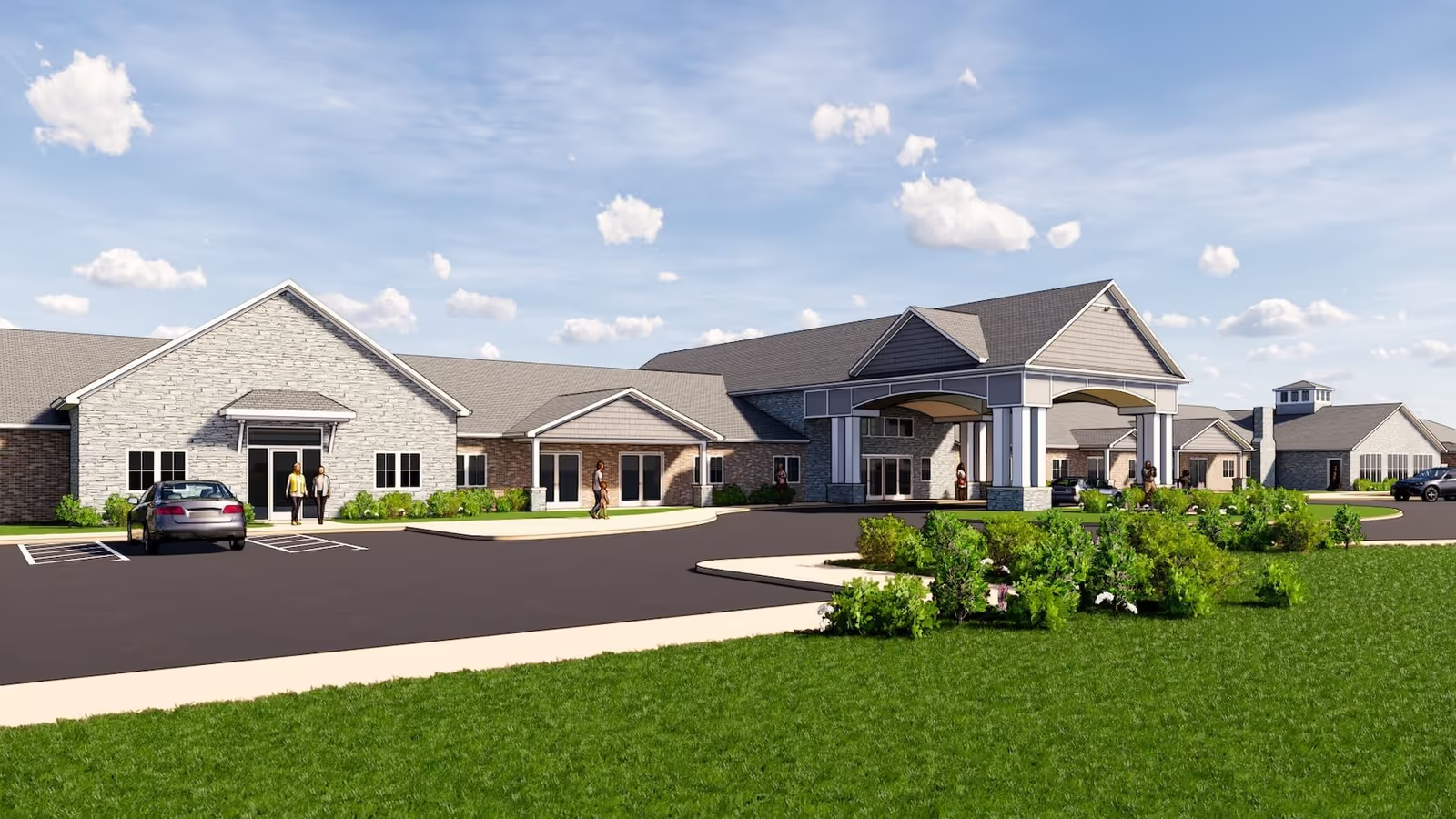
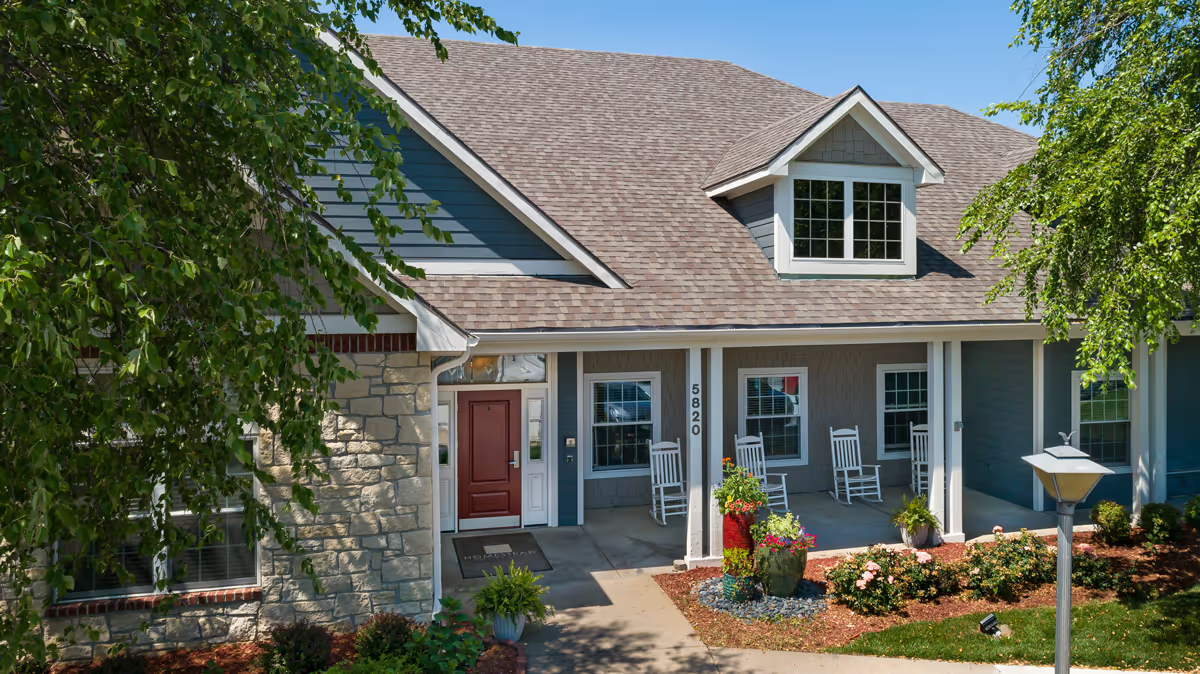
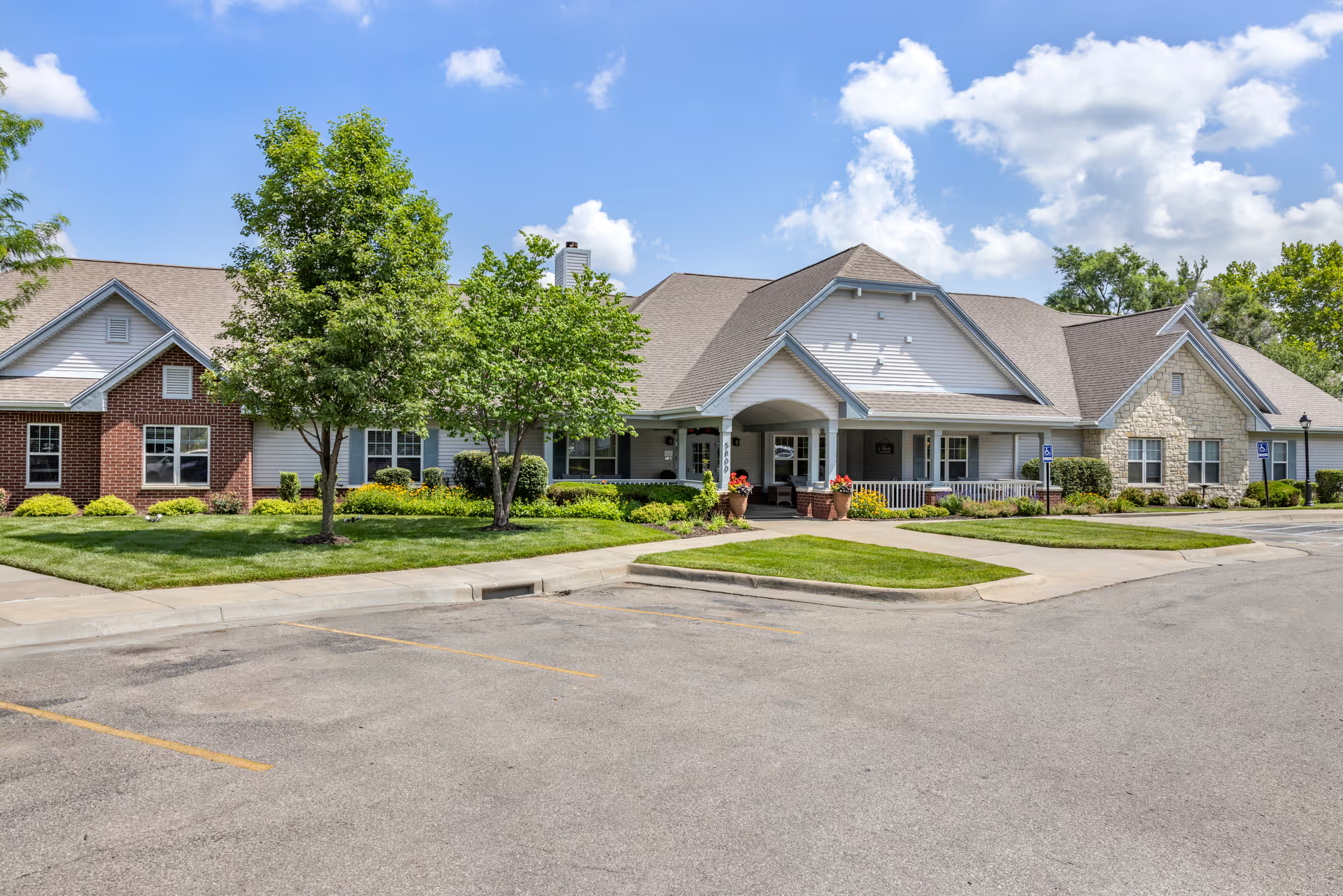
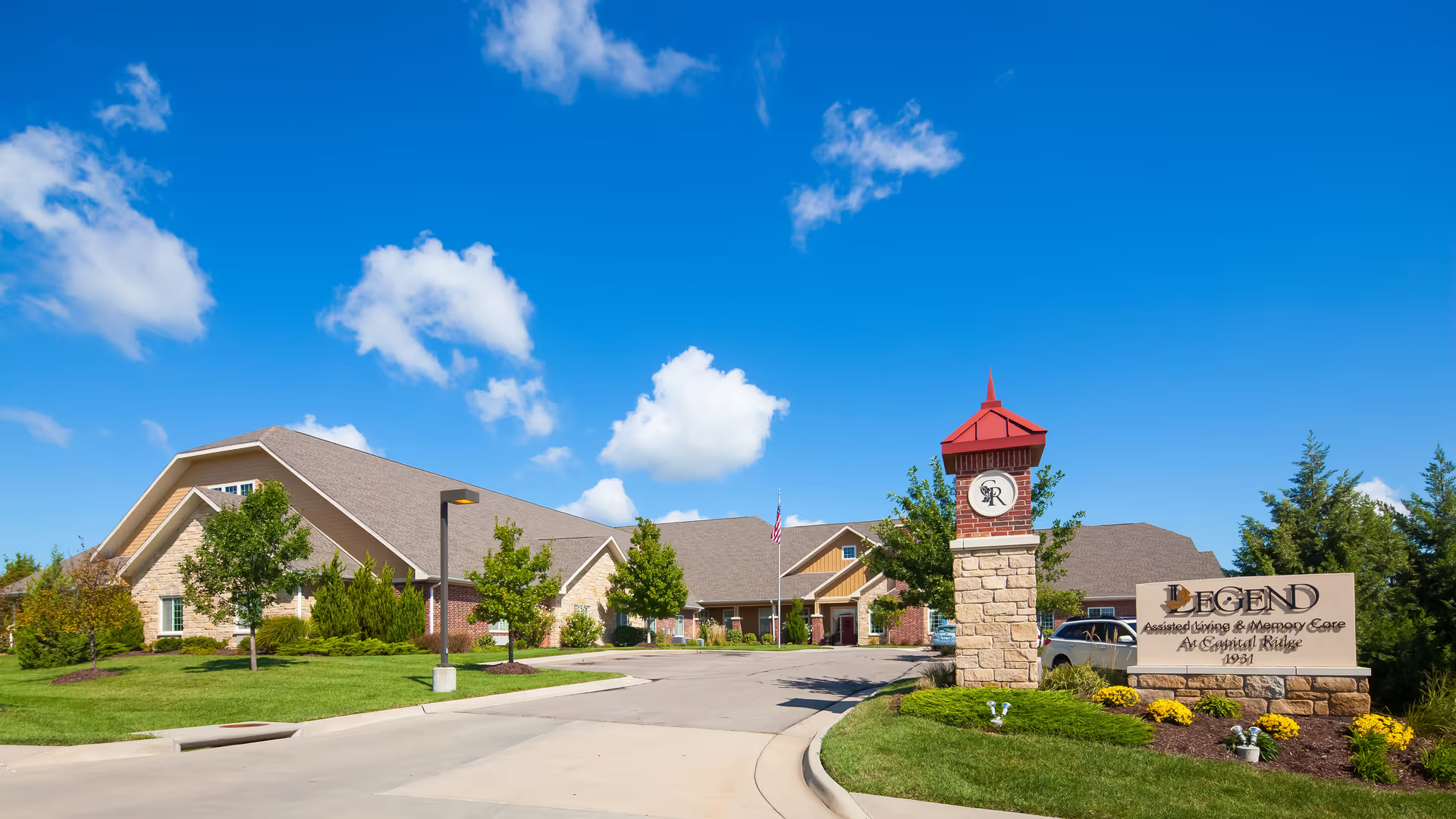
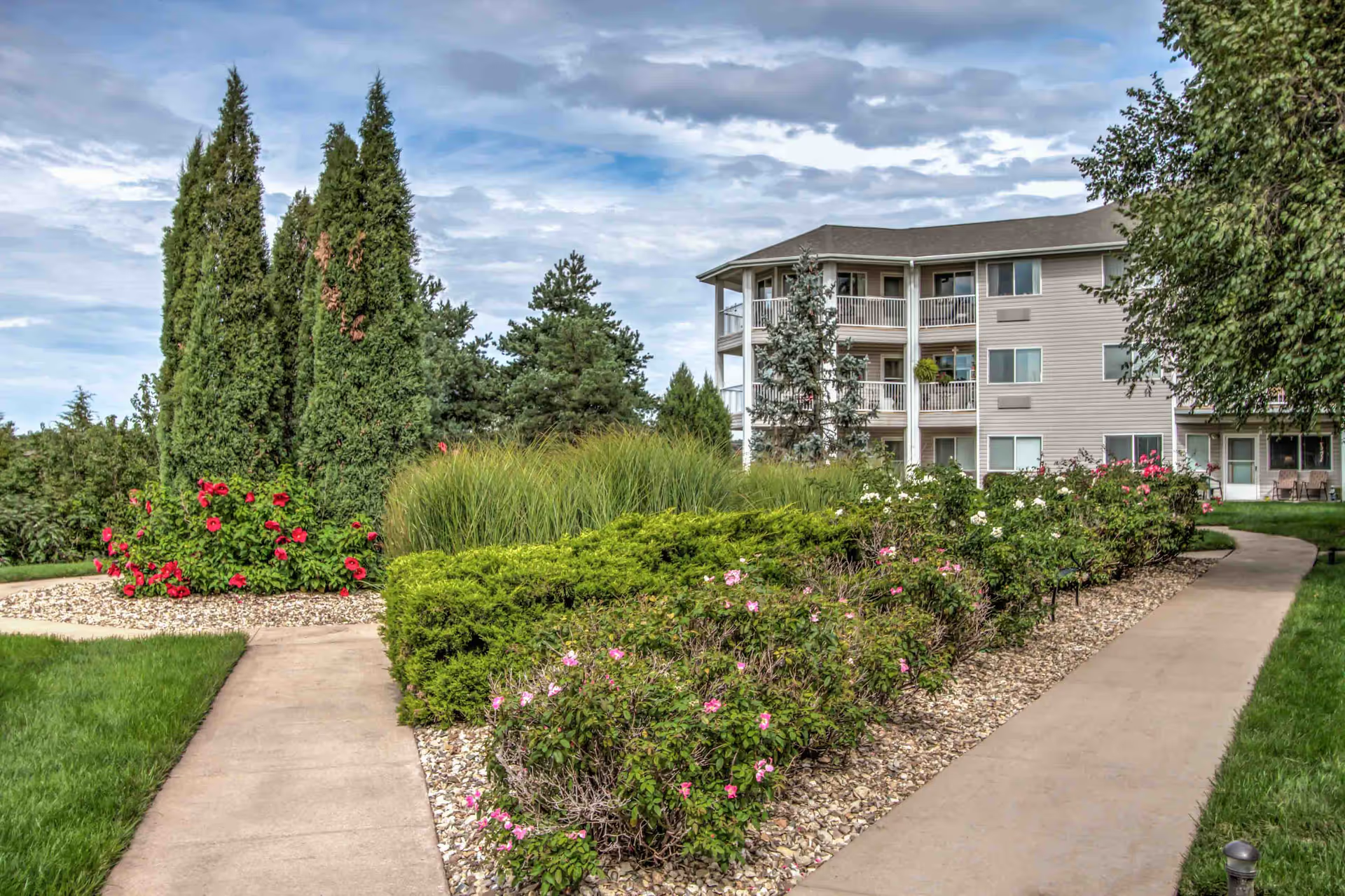
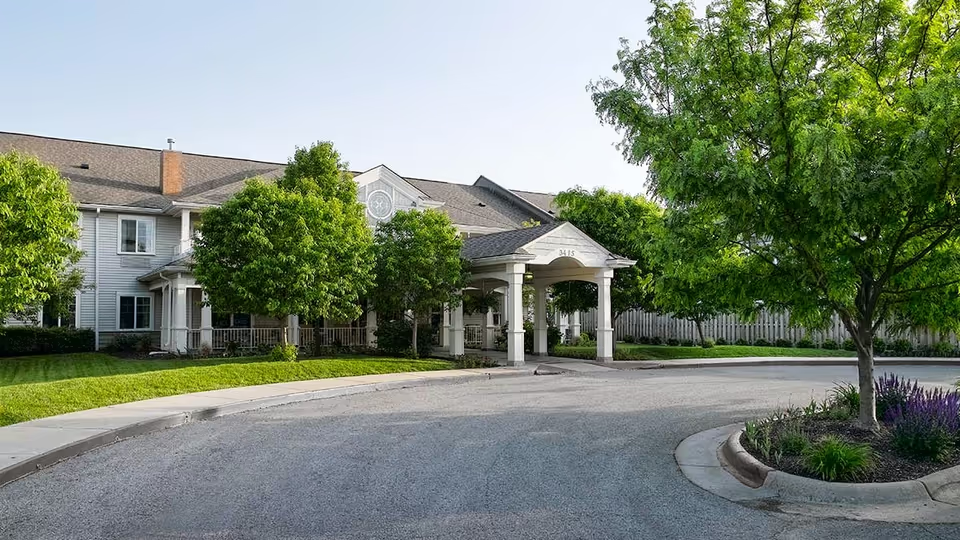
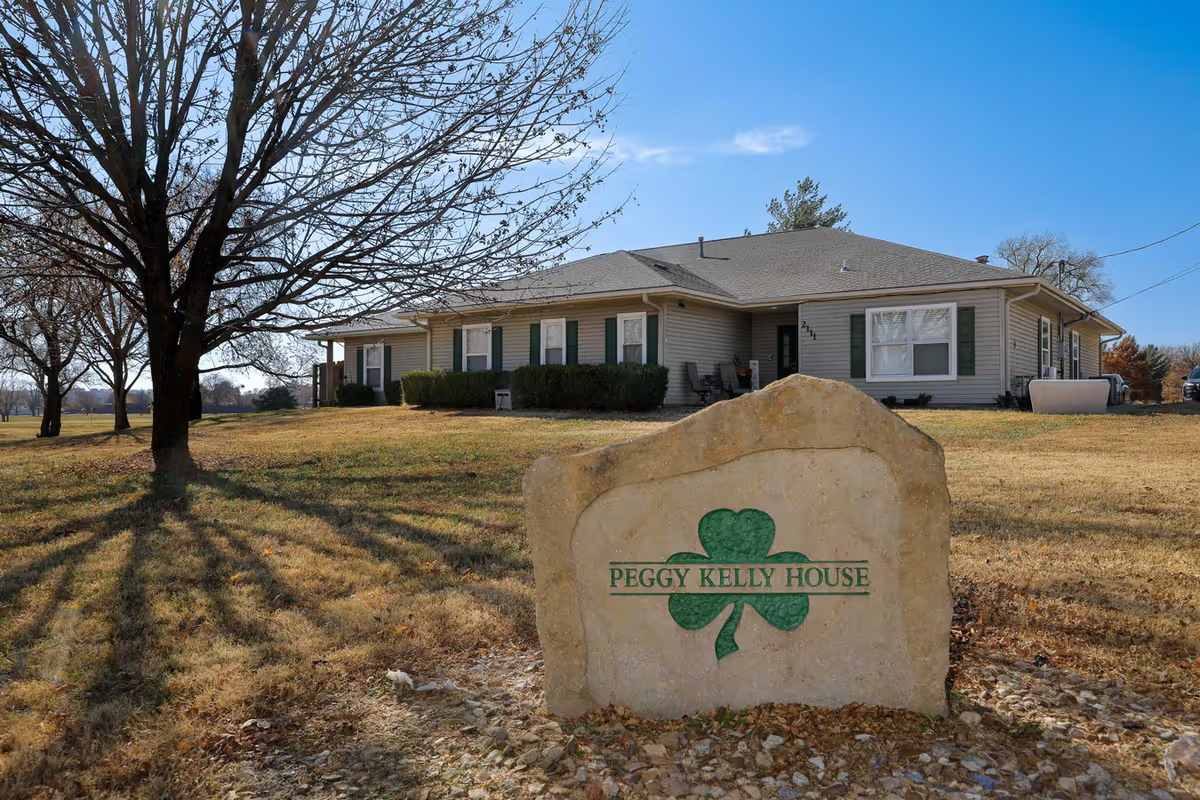
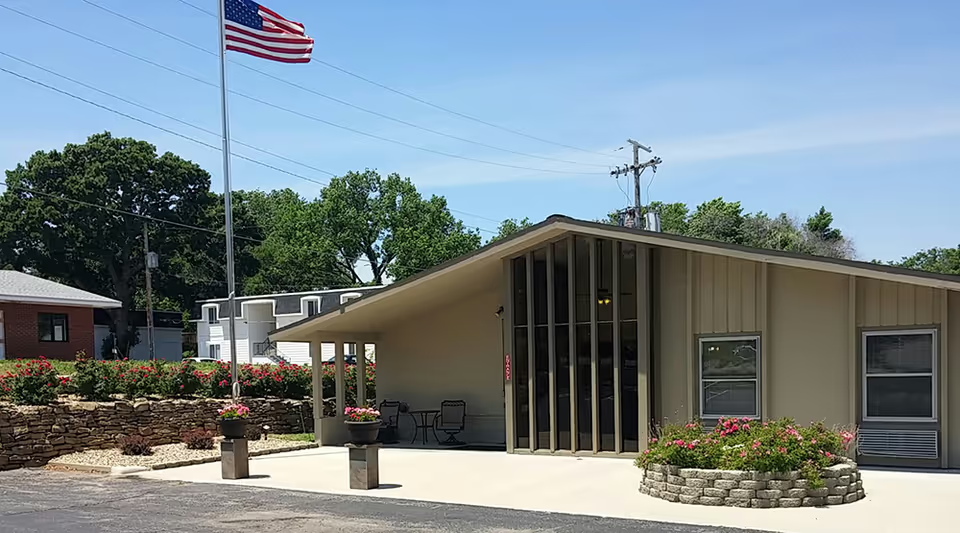
Reviews for The Healthcare Resort of Topeka present a mixed picture: many families and residents praised the facility's rehabilitation program, cleanliness, and social opportunities, while others described operational and clinical concerns that affected care experience and safety. The strongest and most consistent positive theme is the rehabilitation team—physical therapy and the broader rehab staff are repeatedly identified as effective in improving strength and mobility. Reviewers also described the building as generally clean and comfortable, with private rooms available, a single-floor layout that can be easier to navigate, and organized activities that support social engagement.
Care quality and clinical safety show notable variability. A recurring pattern is limited staffing coverage and resulting delays in basic assistance: slow call-light response times, long waits for toileting and bedside help, and overall shortages of nursing aides. Several accounts describe medication-administration problems and delays, indicating weaknesses in medication-management processes. Reviews also raise concerns about transfer and bathroom-assistance practices (for example, missing gait belts or inconsistent transfer technique) and about incontinence-care timeliness; relatedly, some reviewers described pressure-injury and infection issues, which point to potential gaps in pressure-injury prevention and infection-control vigilance.
Staff behavior and management communication appear inconsistent. Some families praised conscientious, communicative staff and an accessible social worker; others found staff conduct brusque or unresponsive and reported difficulty obtaining timely follow-up from administrative or social-work personnel. This inconsistency suggests variation in staff performance and that family experience may depend heavily on which shift or individuals are involved. Management-level issues implied by reviews include persistent staffing constraints and uneven enforcement of operational protocols.
Dining and meal-service practices are another mixed area. Meals are described positively by some reviewers (well-prepared, tolerable), but others reported delayed trays, unaccommodating dining policies for post-surgical needs, and variable food quality. These comments indicate inconsistent meal-service timing and limited flexibility to meet short-term special-diet or recovery-related needs.
Facilities and daily life include strengths and limitations. The environment is frequently described as pleasant and family-friendly, with activities such as card games that support resident engagement. At the same time, some rooms are characterized as small with restricted space for wheelchairs and mobility equipment, and reviewers noted noise issues in common areas that can affect rest and comfort.
Overall, the pattern is polarized: the facility offers strong rehabilitation services and a generally maintained environment, but operational weaknesses—particularly staffing shortages, inconsistent adherence to safety practices, medication-management gaps, and variability in dining and personal-care responsiveness—have resulted in significant negative experiences for some families. Prospective residents and families may want to verify current staffing ratios, ask about medication-safety protocols, confirm transfer and toileting-assistance procedures (including use of gait belts), inquire about pressure-injury prevention and infection-control measures, and observe mealtime service and room accessibility during a visit.