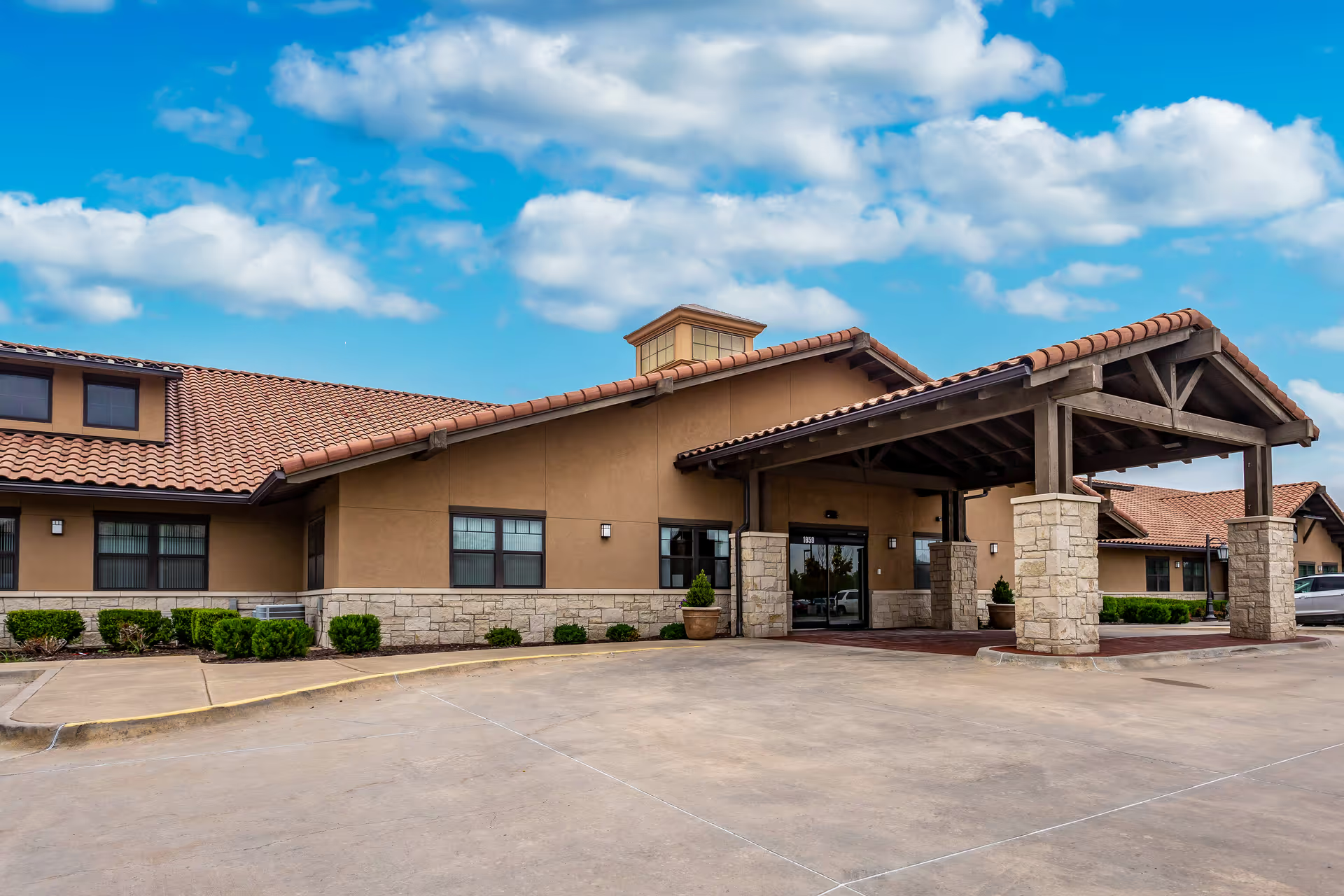
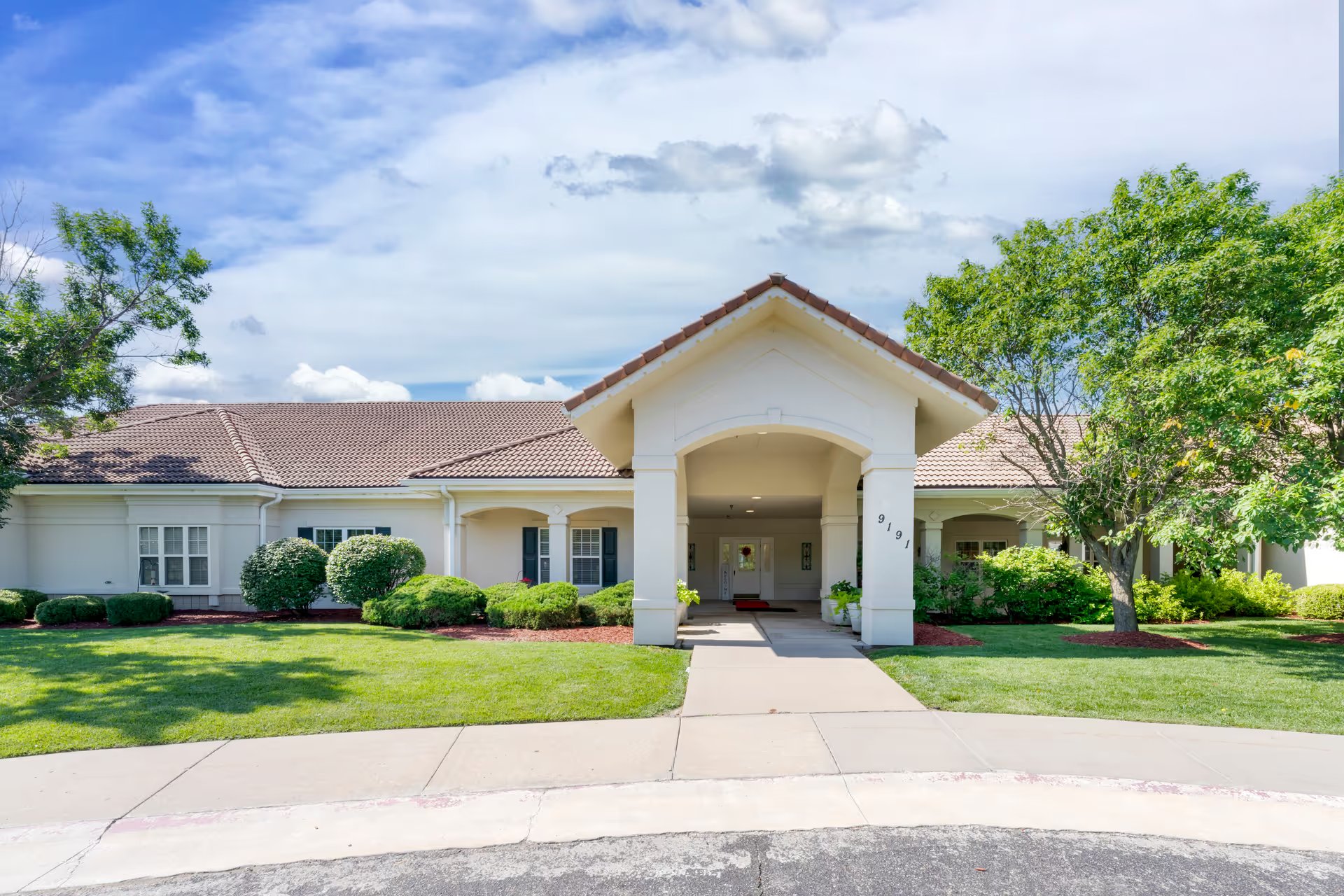
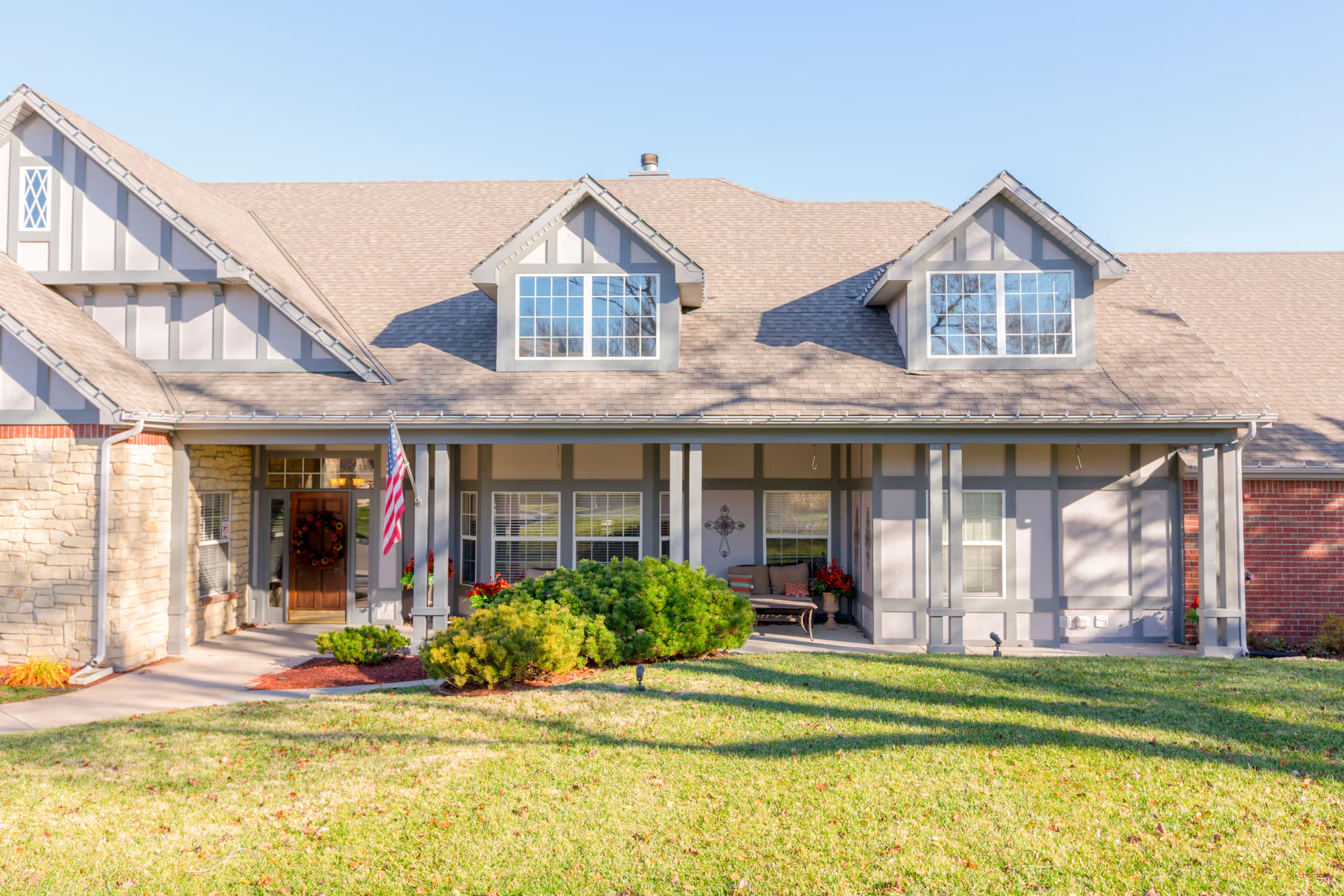
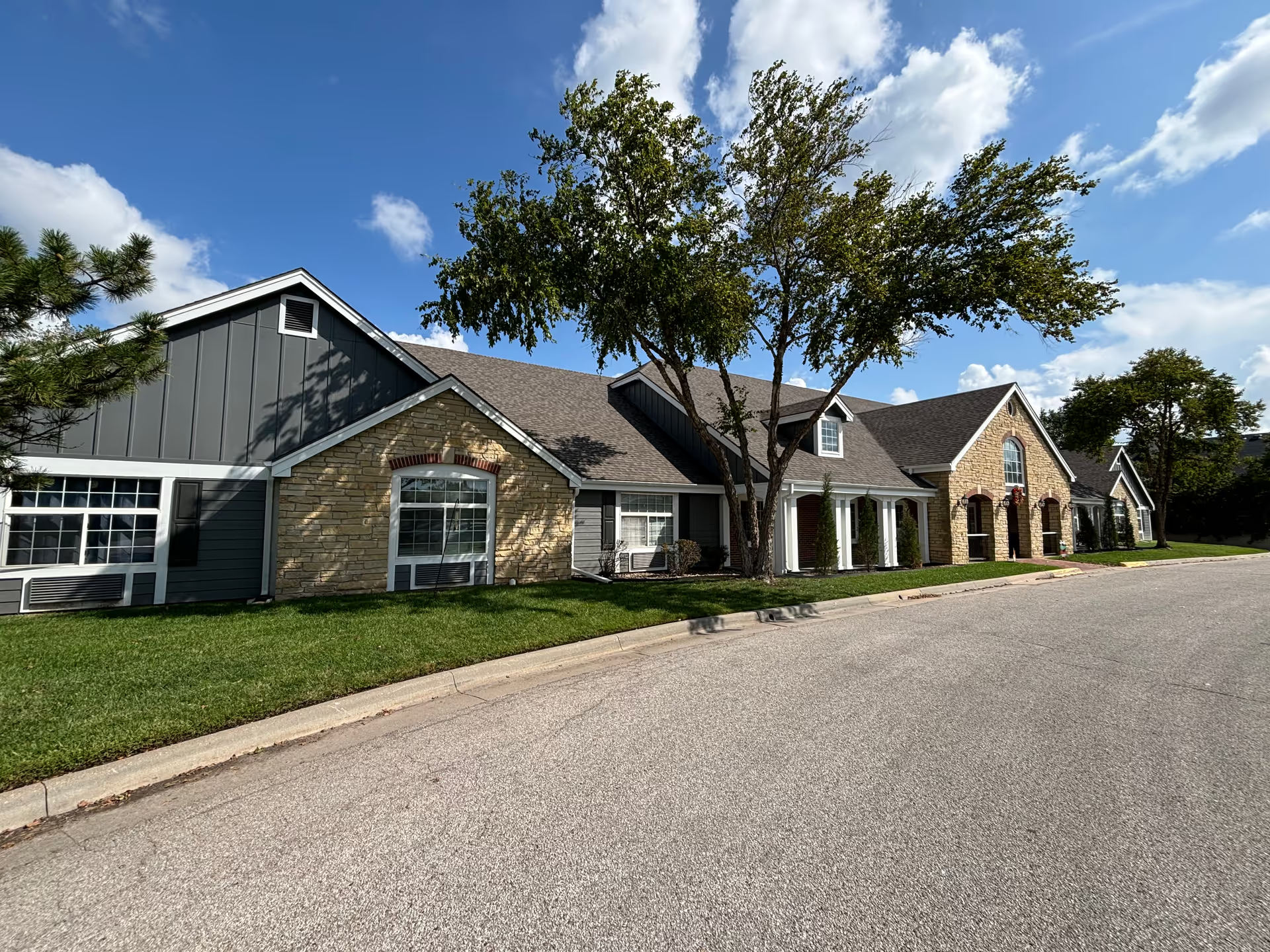
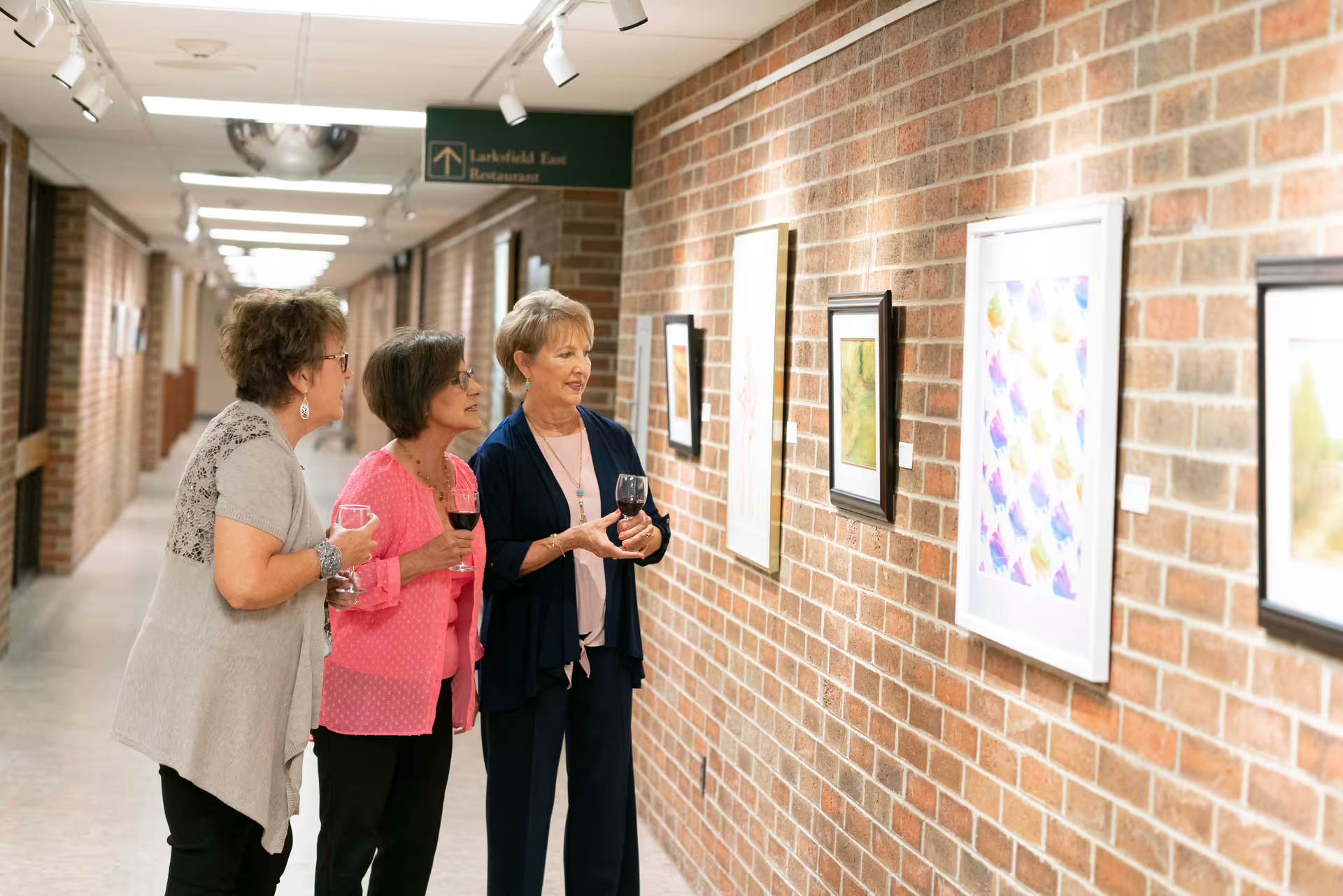
Overall impression: The Regent presents as an upscale, well-appointed independent-living community with a strong emphasis on social programming and resident engagement. Across reviews, staff behavior and the community atmosphere are consistently cited as core strengths: employees are described as compassionate, visible, and approachable, and the Life Enrichment team is frequently credited with delivering a busy, varied activity calendar. The physical plant and public spaces are generally characterized as clean, hotel-like, and well maintained, with several indoor amenities (theater, fitness room, arts-and-crafts space, worship area, library, bar/pool tables, salon) that support an active lifestyle.
Care quality and clinical supports: Reviewers note a culture of personalized attention and many examples of staff knowing residents by name. The community supports aging in place to an extent through on-site home-health coordination and partnerships with home-care providers, and families value the convenience of clinical coordination and available 24-hour or interim-care services. A key limitation is that there is no full assisted-living or skilled-nursing unit on site; residents who need a higher level of continuous care require off-site placement. In addition, several comments point to intermittent staffing shortages and turnover that can affect responsiveness and continuity of care; families described variability in communication and follow-through during higher-acuity events.
Dining: Dining is a mixed picture. Many residents praise the restaurant-style dining, customizable menu choices, and several reviewers describe meals as delicious and well presented. At the same time, a consistent pattern of concerns appears around inconsistency in food quality, menu monotony, heavy use of starches/fried items, portioning, and occasional service lapses. Some households reported changes in kitchen leadership and variable meal experiences over time. Those prioritizing consistently high culinary standards should confirm current menu offerings and recent dining-staff changes during a tour.
Activities and social life: Activities and programming are standout features. The Regent offers frequent on‑site classes (art, geography, fitness), regular movie and concert events, themed nights, bus excursions, social hours, and opportunities for intellectual engagement. Reviewers repeatedly describe active resident camaraderie, many small-group options, and events that mimic resort or country-club experiences. This programmatic richness is a clear strength for prospective residents seeking an active social environment.
Facilities and maintenance: The community’s aesthetic and upkeep receive strong praise for cleanliness, accessibility, and a bright, upscale presentation. At the same time, some parts of the facility—particularly in an older wing or units of the original building—have been identified as needing cosmetic updates (paint, carpet, window treatments) with reports that promised refurbishments have been delayed. Apartment footprints are often described as comfortable but on the smaller side with limited closet/storage space; prospective residents should compare floor plans to ensure storage needs are met.
Management, costs, and policies: Management and marketing staff are often described as welcoming and helpful at tour and move-in, and long-tenured leadership is cited positively. However, reviewers also express concerns about rising costs: rent increases and overall price levels have prompted some residents to move. There are also comments pointing to variability in administrative responsiveness and occasional perceived gaps in staff mentorship or operational follow-through. The all-inclusive rent model simplifies budgeting for many families, but supplemental charges (for cable, certain services, or off-site higher-level care) can affect total cost.
Notable patterns and advice for families: The Regent is well-suited to independent older adults who prioritize active programming, social opportunities, on-site amenities, and a professionally maintained environment. Families seeking proximity to coordinated home health services will find value, but those requiring on-site assisted living or skilled nursing should plan for alternative arrangements. During a visit, prospective residents and families should (1) taste current menus and ask about recent kitchen leadership changes, (2) confirm unit sizes and storage availability, (3) discuss recent and planned building refresh timelines, (4) review staffing models and communication protocols, and (5) get clear documentation on fee structure and projected rent increases. Overall, the community frequently delivers a safe, engaging, and well-managed independent-living experience, with trade-offs around cost, occasional operational variability, and the lack of embedded higher-level care.