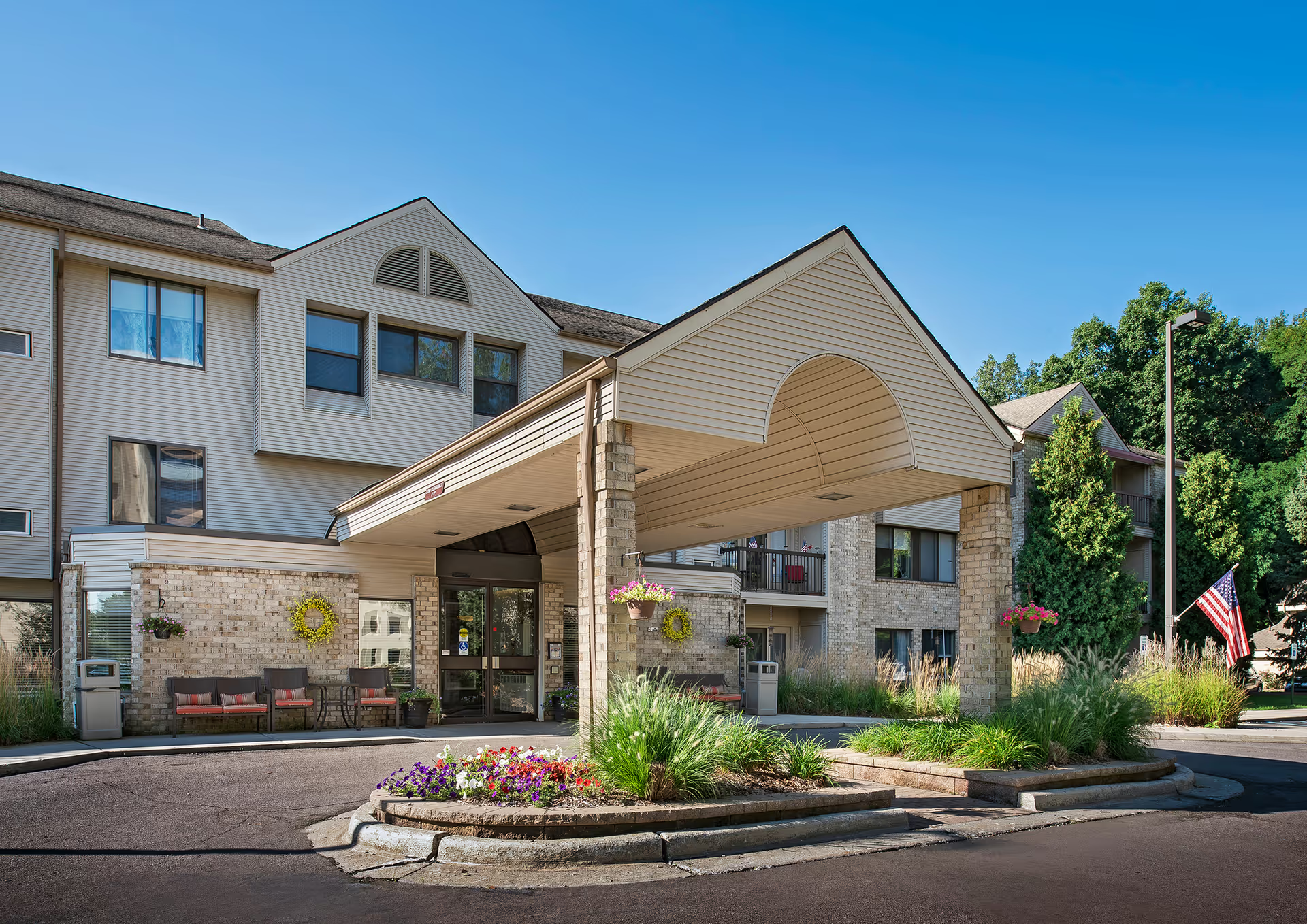
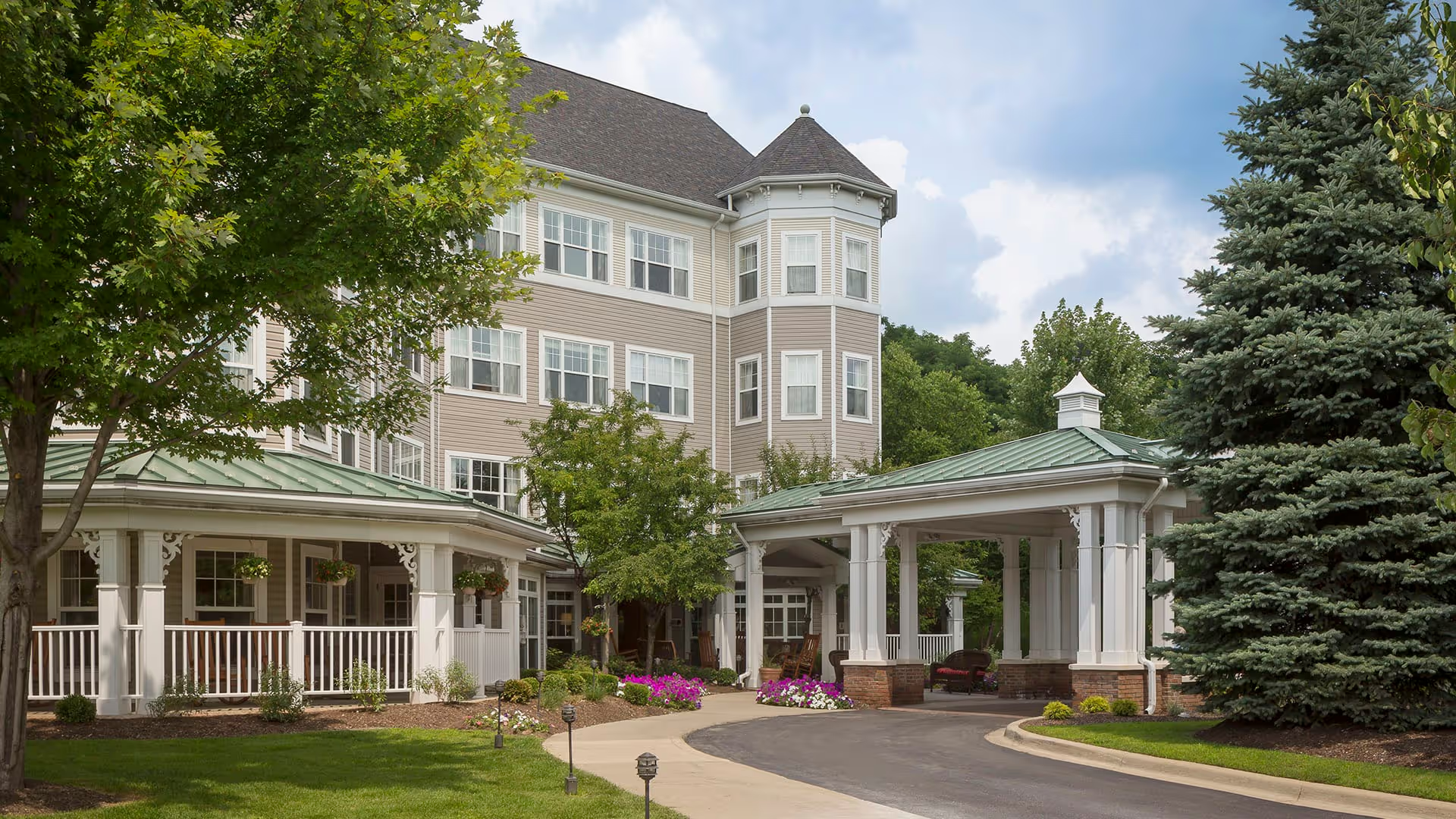
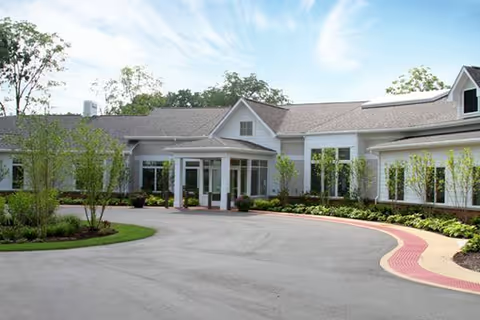
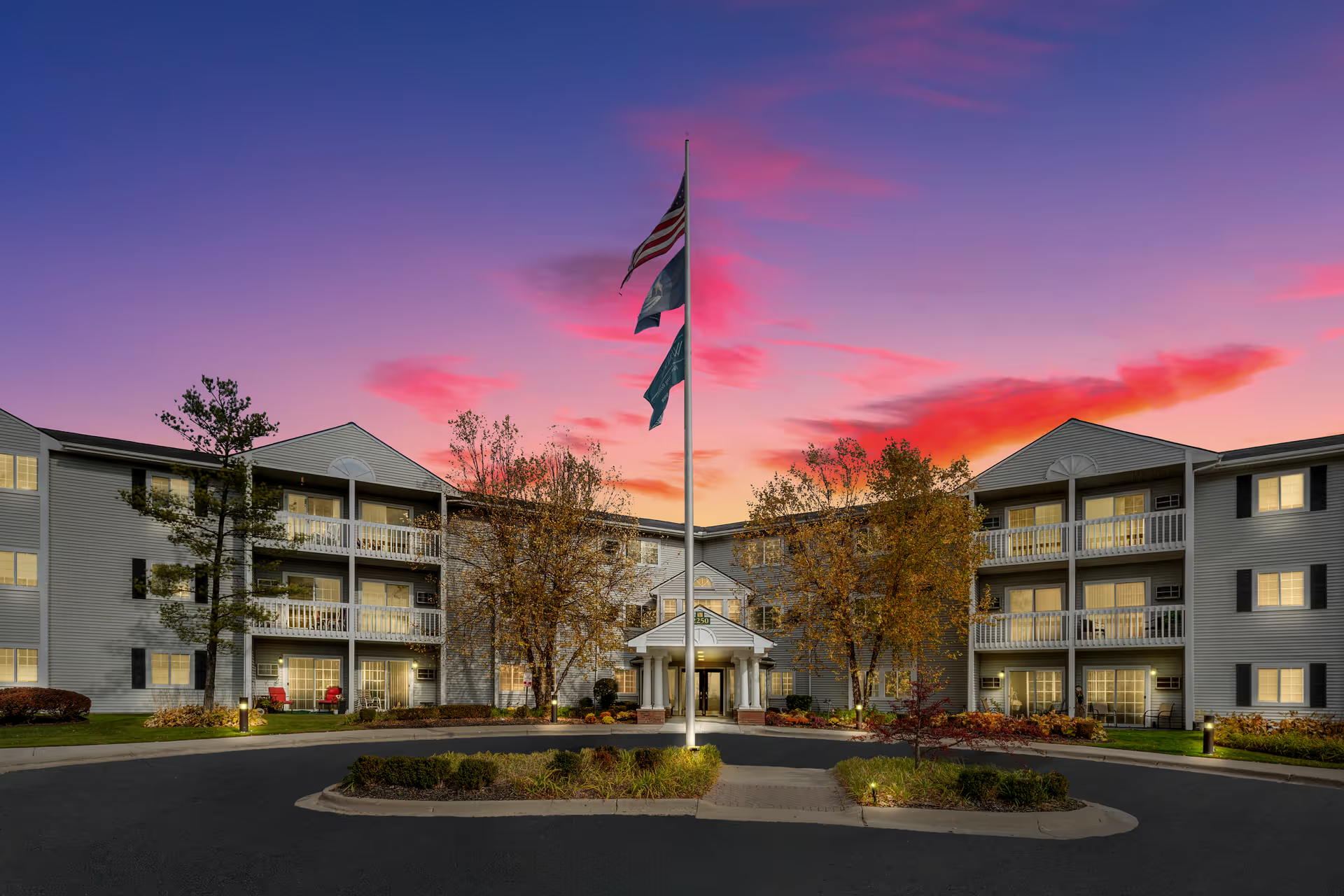
All Seasons Ann Arbor presents as a premium independent-living community with extensive resort-style amenities and an emphasis on hospitality. Reviewers consistently describe well-appointed common spaces, tasteful décor, and a broad set of on-site facilities (indoor/outdoor heated pool, fitness center, auditorium/theater, art studio, library, walking trails and a pub). Apartments are generally described as high-quality with one- and two-bedroom layouts and full kitchens; grounds and public areas are maintained to a hotel-like standard.
Staff and care orientation are prominent strengths. Multiple accounts highlight courteous, responsive, and hands-on staff who assist with move-ins, maintenance, and daily needs; the community operates with a safety-focused design and 24/7 staff presence. The social environment is frequently characterized as welcoming and community-oriented, with residents noting easy social integration and active programming that encourages friendships and participation.
Dining and programming receive strong praise. The community offers chef-led, varied menus with two daily meals and an extensive activities calendar that includes arts, guest speakers, music, exercise classes, outings, and theater performances. These offerings are central to the facility’s appeal and are cited as drivers of resident satisfaction. That said, there are occasional comments about variability in dining-staff performance and meal quality, and one operational policy—an extra fee for taking dinner back to the apartment—has been perceived as restrictive by some.
Operational and access considerations are areas to weigh. The facility’s premium positioning corresponds with higher monthly cost expectations. The campus layout is large and can be confusing without clearer signage; parking can be constrained at peak times. Some apartments are described as having limited closet or storage space, and two-bedroom units may be in short supply with waitlists. Reviewers also described intermittent staffing-stability issues and some inconsistency in service delivery, which can affect experiences during busy periods. A number of prospective residents encountered an assertive sales approach and ongoing construction or transition-related disruptions during the facility’s opening phase.
Care-level and management patterns: the community is primarily configured for independent living, and reviewers noted limited assisted- or memory-care options and some lack of clarity about transitions to higher levels of care. Management strengths include attentive move-in support, active life-enrichment programming, and visible maintenance responsiveness; management trade-offs include aggressive marketing tactics for tours and the need to clarify care-level pathways for prospective residents and families.
Overall, All Seasons Ann Arbor appears well suited for older adults seeking an upscale, activity-rich independent-living environment with strong hospitality, culinary offerings, and social programming. Prospective residents and families should balance those strengths against higher costs, the independent-living care model, potential wayfinding and parking challenges, limited two-bedroom availability, and occasional operational inconsistencies when determining fit.