Brookdale West Eisenhower Parkway is consistently described as a dementia-focused, memory-care community with strong strengths in specialized programming and a high-touch caregiving culture. Families frequently praise the staff’s compassion, clinical attentiveness, and individualized care planning. Several accounts highlight effective nursing oversight and proactive medical communication; in some cases early clinical intervention and coordinated care plans produced measurable clinical improvements (weight gain, improved mood). The facility’s staff are repeatedly characterized as patient, respectful, and relationship-oriented, and long-tenured leadership and engaged unit management are noted as stabilizing influences.
Activity programming and social engagement are prominent strengths. The community offers a daily schedule of cognitive and physical activities — reminiscence therapy, music, games, dancing socials, group outings (libraries, bookstores, restaurants), and culturally specific events (for example, Passover observances). Reviewers describe the activities team as creative and responsive, with outings and small-group programming that many families find meaningful for residents with memory impairment.
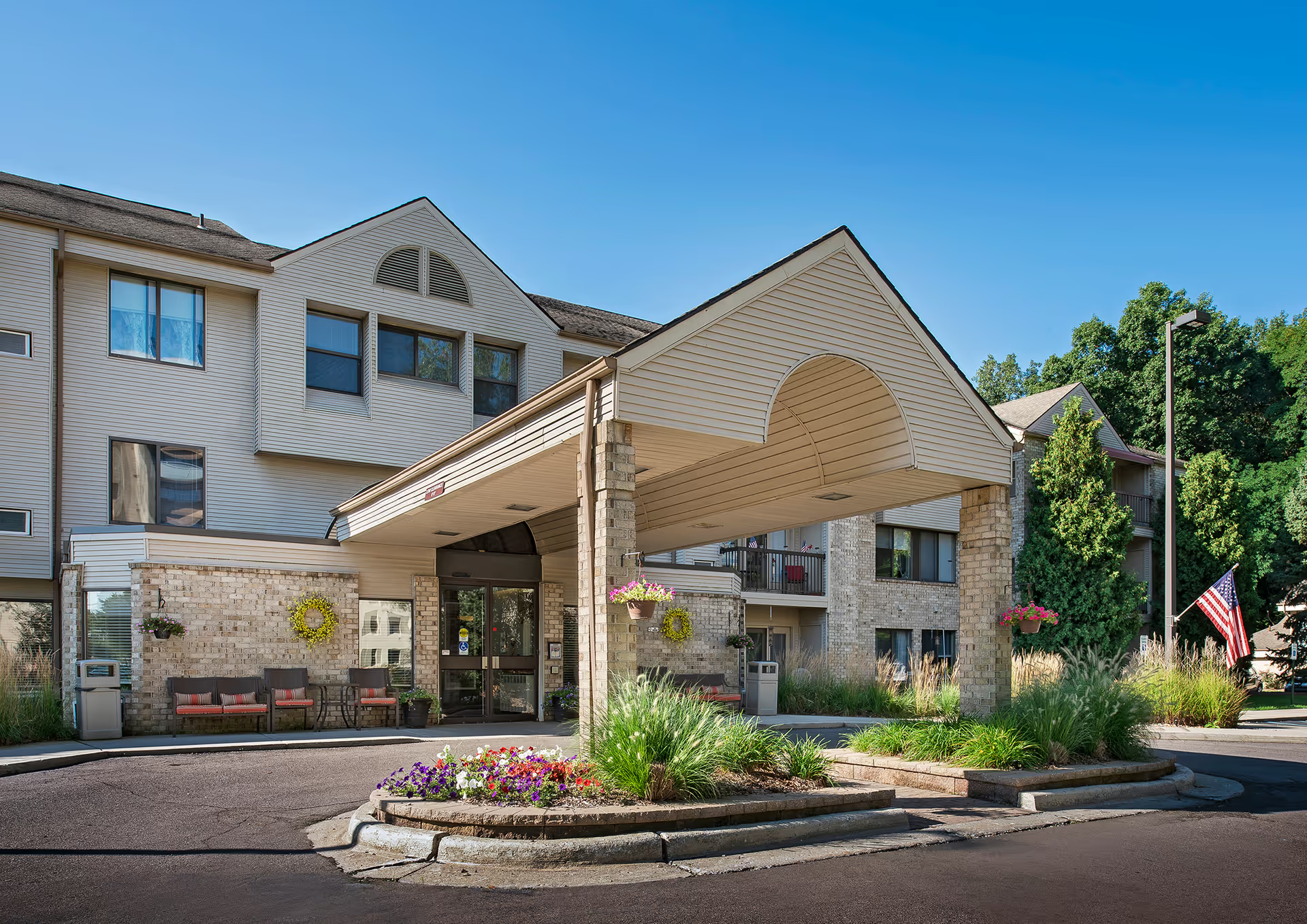
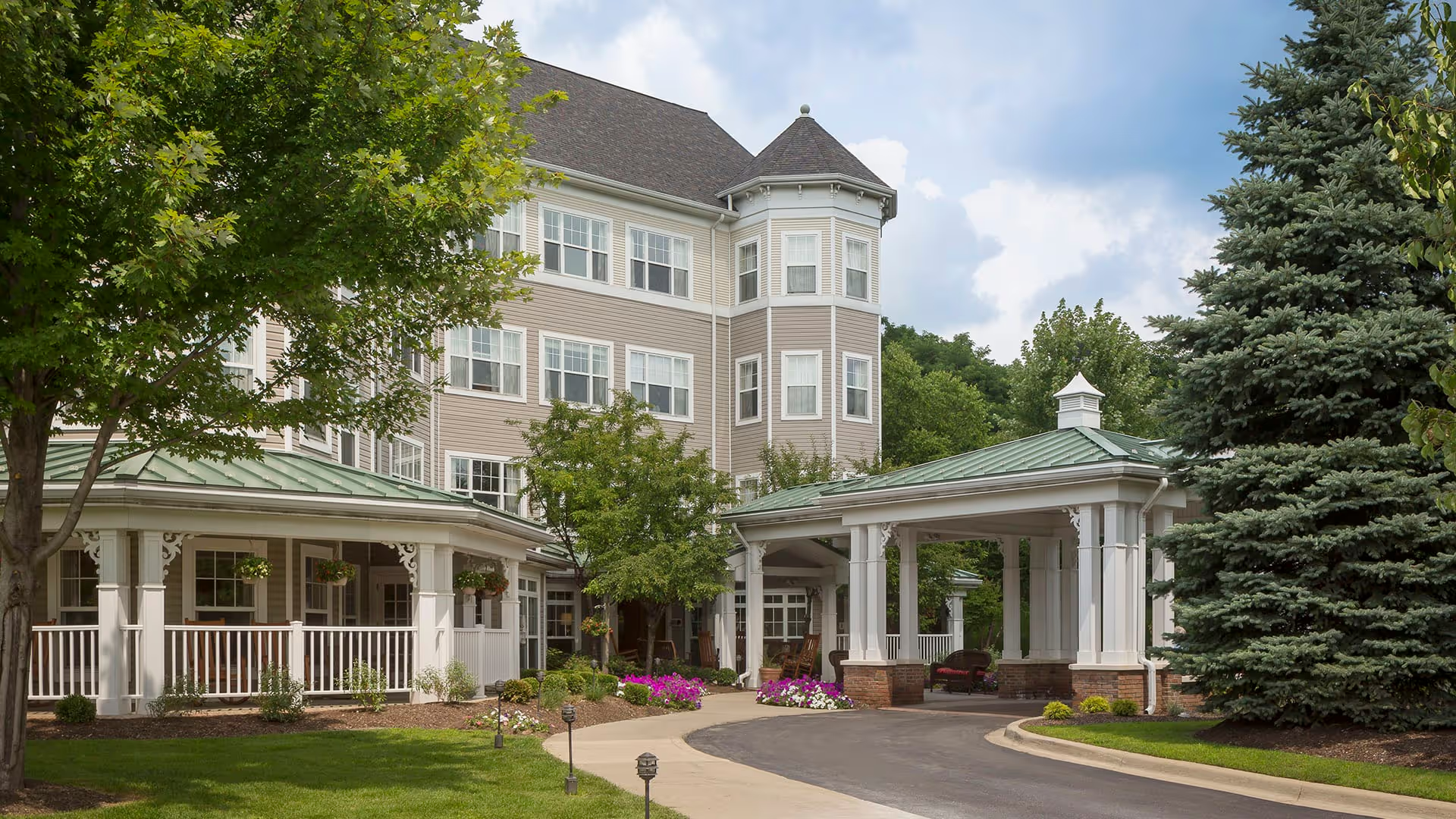
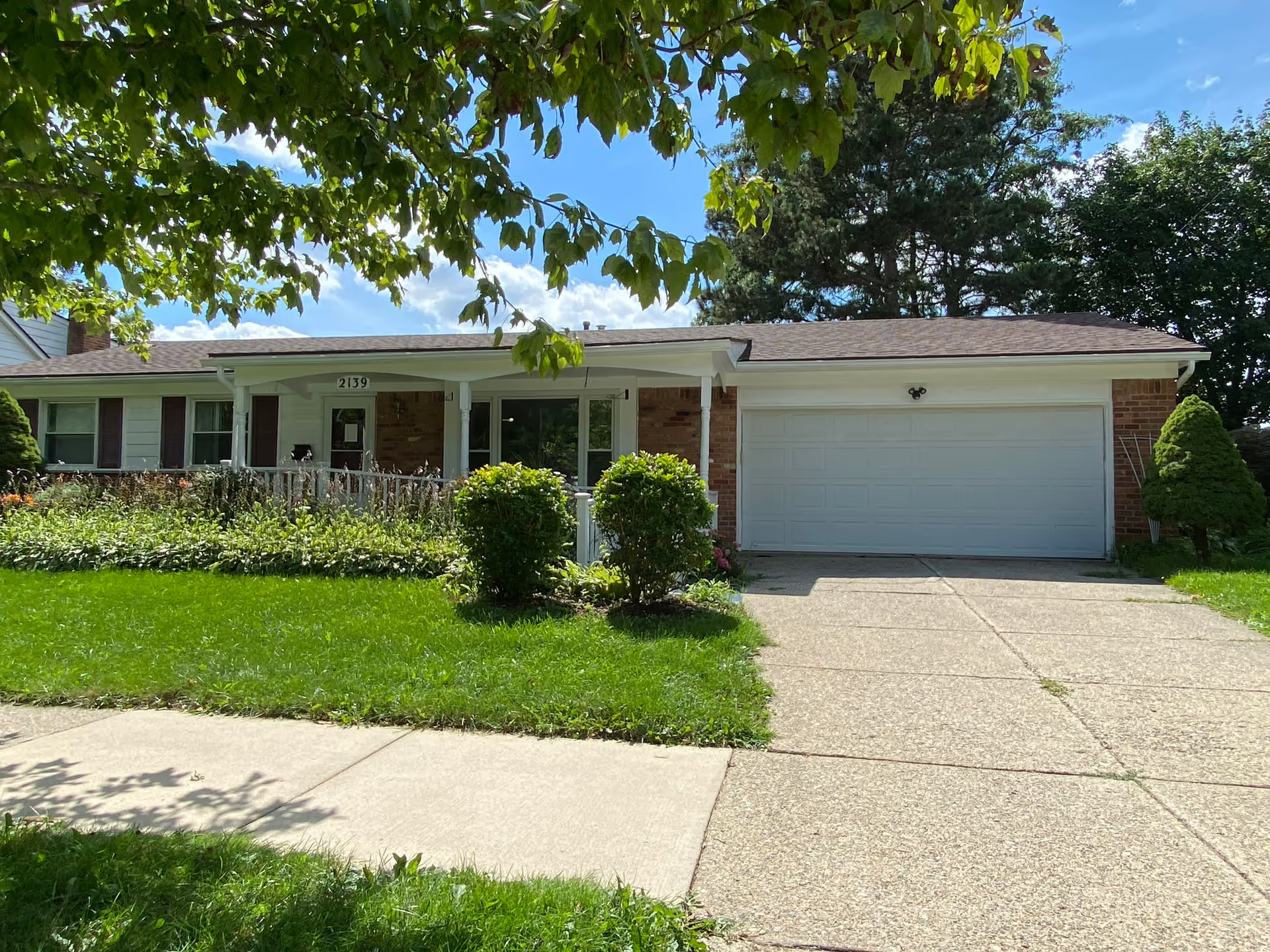
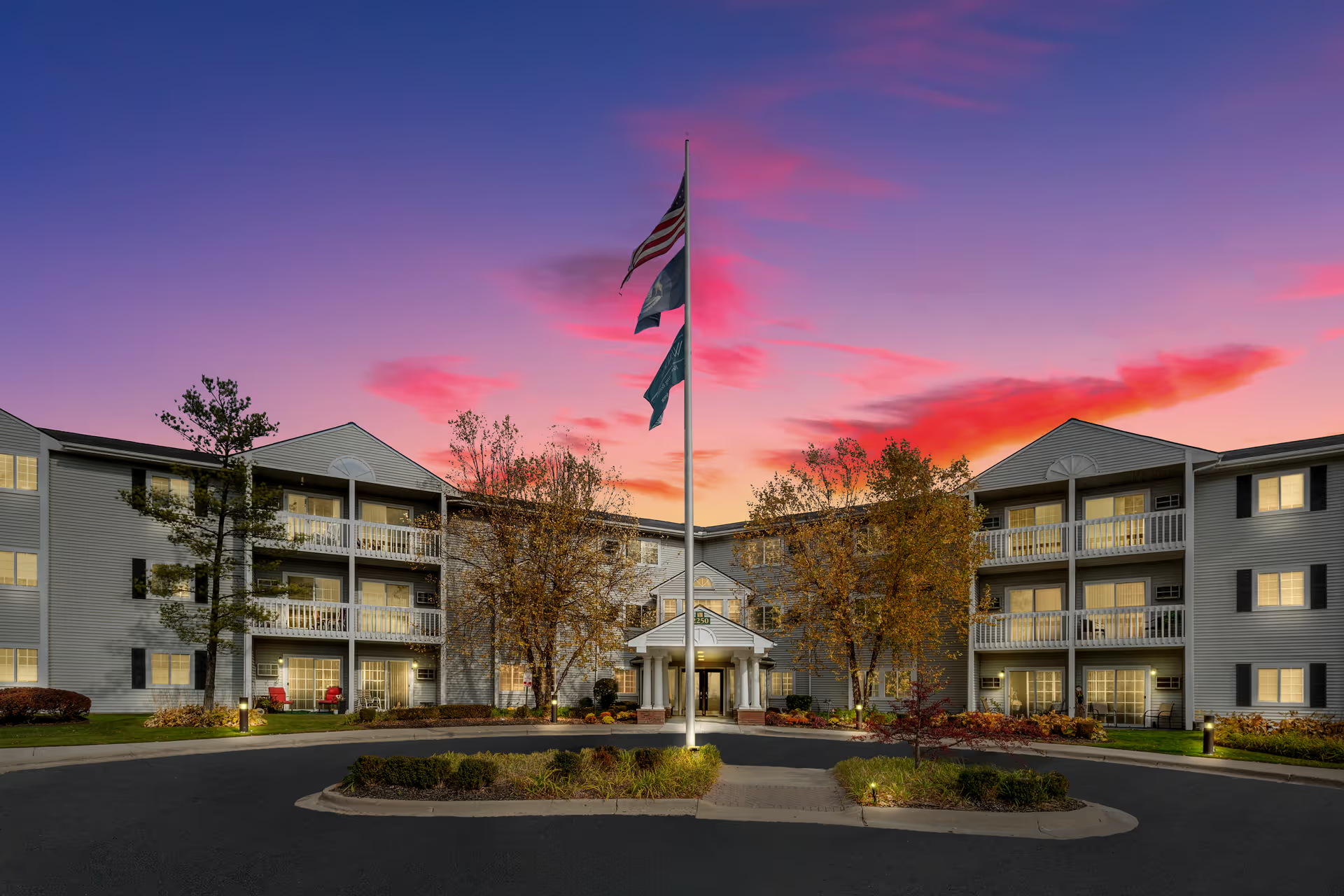
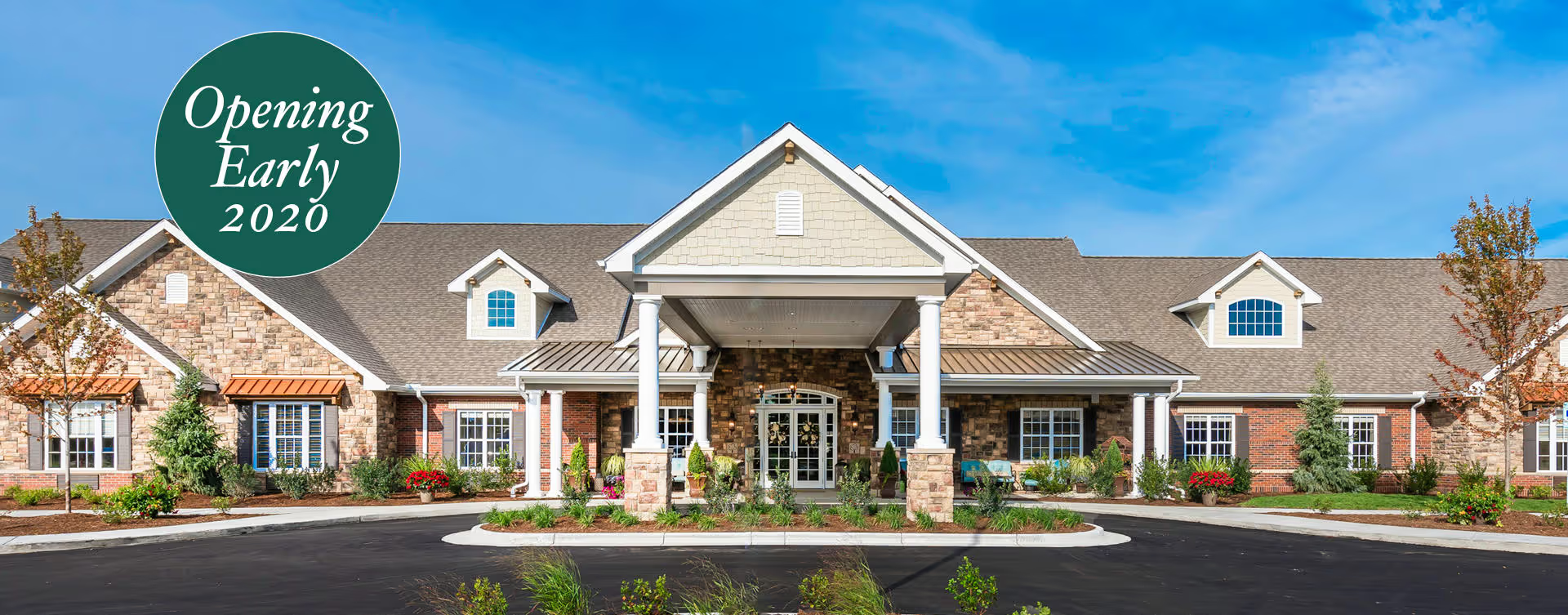
The physical environment receives consistently positive comments: an architecturally attractive, sunny building with plentiful windows, secured courtyards, fenced outdoor areas, and well-kept landscaping. Resident rooms are described as comfortable, tastefully decorated, and able to accommodate family visits. The campus layout, visible grounds, and outdoor access are often cited as contributors to resident well‑being and a home‑like atmosphere.
Dining feedback is mixed. Many families report appetizing meals, frequent snacks, and responsive meal-service staff who will replace disliked items; others express concern about menu variety, preparation (requests for more fresh produce, lower salt), and occasional inconsistencies in meal quality. Operational issues raised across reviews include weekend and off‑shift staffing variability, delays or errors in laundry and linen handling, and occasional room‑maintenance or cleanliness lapses. These operational gaps appear intermittently and are often described as addressable but important to monitor.
Clinical and operational risks noted by families include staff turnover and uneven experience among newer hires, gaps in documentation and recordkeeping, and intermittent lapses in communication following admission. A few accounts reference serious safety or care incidents; while these appear to be isolated from the broader pattern of positive care, they underscore the importance of reviewing incident-response practices and documentation during a tour or pre-admission conversation. The community is memory-care-only and does not provide the full scope of skilled nursing care on site; prospective residents who may require nursing-level services should consider this limitation.
Cost and availability are recurring practical considerations: the community is often described as higher cost with additional a la carte fees, and there can be a waiting list for move-in. Overall, families seeking a specialized, activity-rich memory-care environment frequently recommend Brookdale West Eisenhower Parkway for its compassionate staff, robust programming, and attractive facility. Prospective residents and families should balance those strengths against operational items to monitor (staffing patterns, laundry/housekeeping processes, documentation practices) and confirm clinical scope and costs during the tour and admissions process.