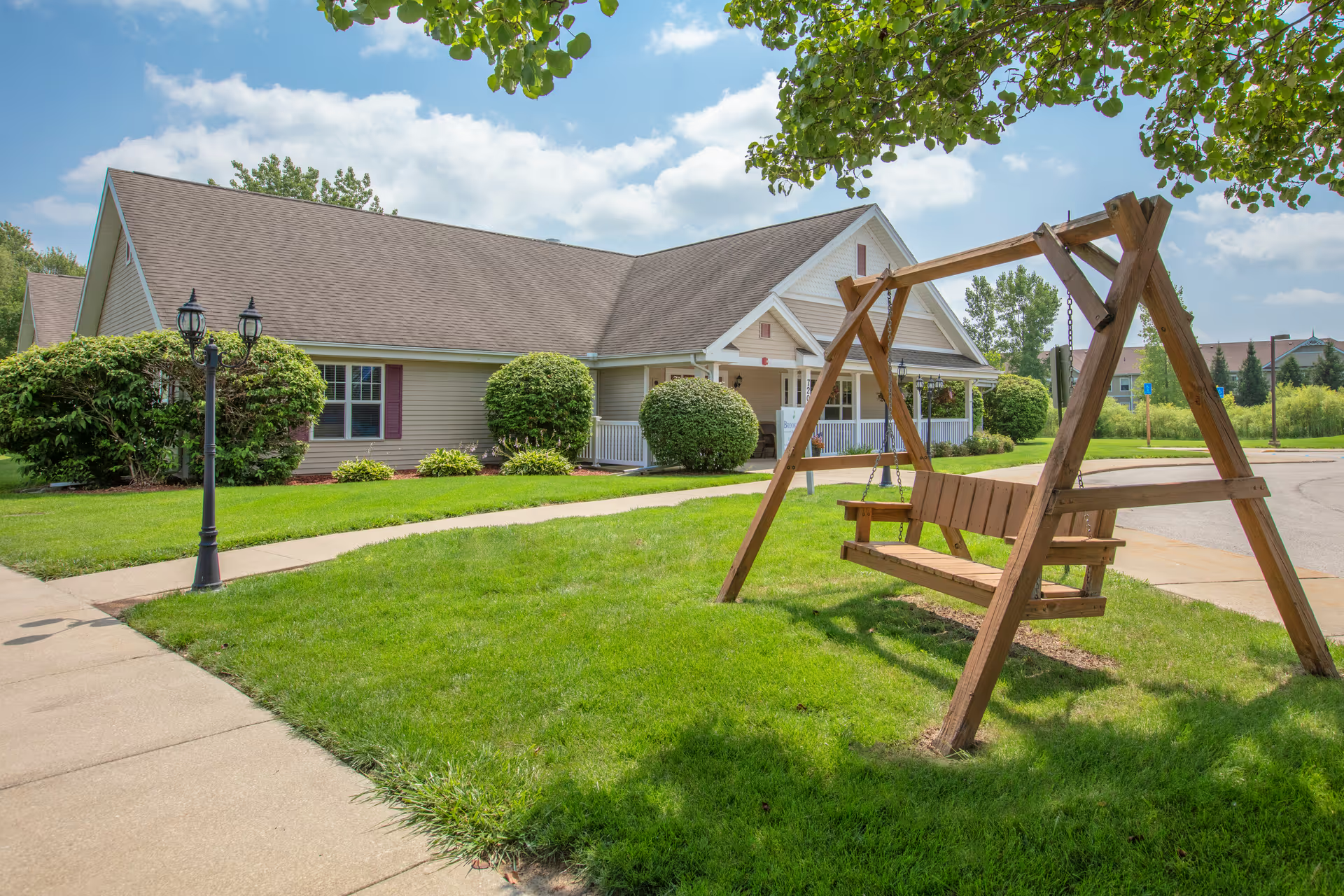
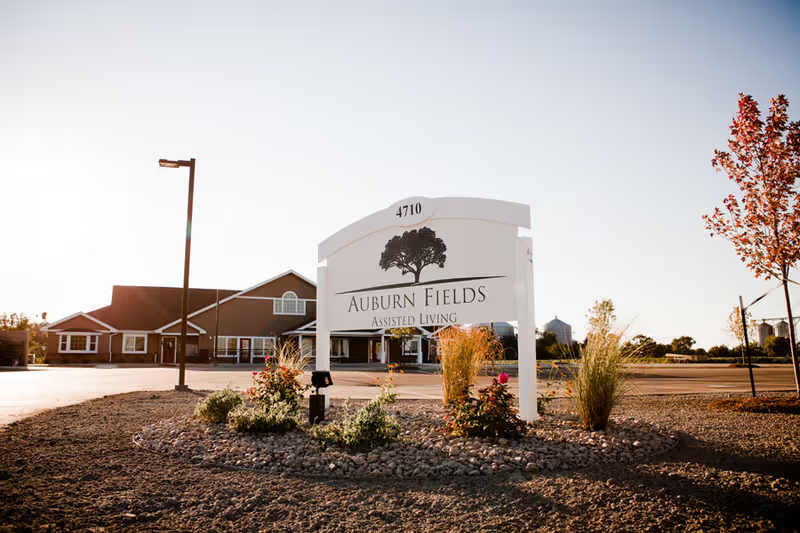
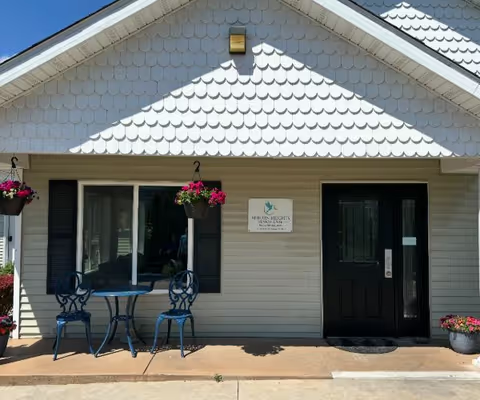
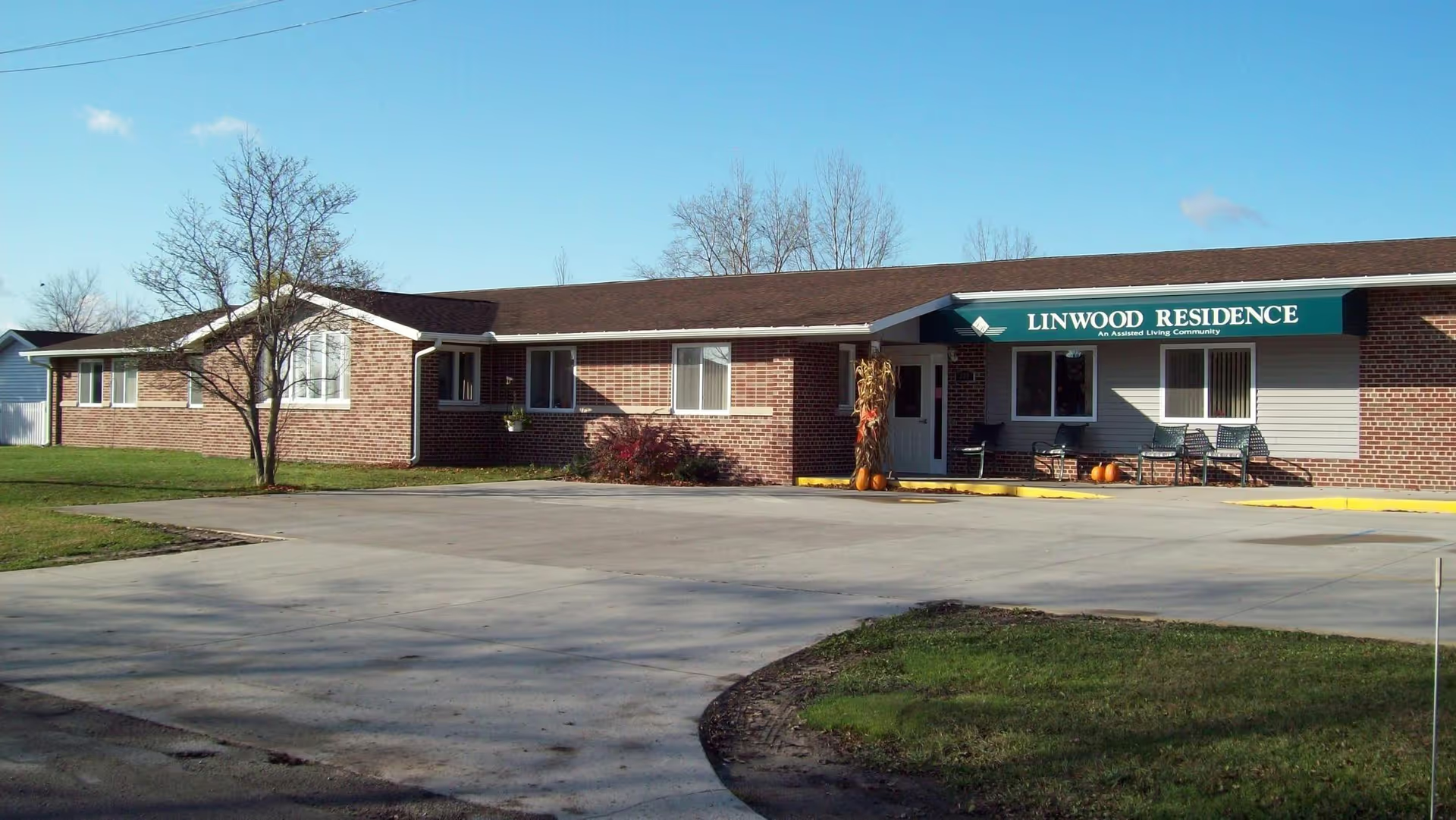
The reviews for Bay City Comfort Care are sharply divided, with a clear pattern of strong programming and personable frontline staff on one side and recurring operational concerns on the other. Many families and visitors describe direct-care staff as compassionate and engaged, and they repeatedly praise an active, varied activities program and an attractive communal environment. These positive accounts often single out supervisors, an involved activity director, smooth move-in experiences, and enjoyable dining and holiday programming as distinguishing strengths.
Care and staffing present a mixed picture. Positive reviewers emphasize attentiveness, good care coordination, and effective supervisory oversight of clinical tasks. Counterbalancing those comments are repeated accounts of inconsistent staffing levels (particularly on night shifts), high employee turnover, and instances where staff qualifications or training appeared inadequate for medication administration and clinical oversight. Together these points indicate variability in day-to-day staffing reliability and clinical supervision, which prospective families should probe further.
Activities and dining are clear strengths in many accounts. The facility is frequently described as offering a substantial calendar of events — from crafts and cooking classes to dances, indoor games, and offsite trips — that contribute to resident engagement. Several reviewers also described positive meal experiences and a convivial dining atmosphere.
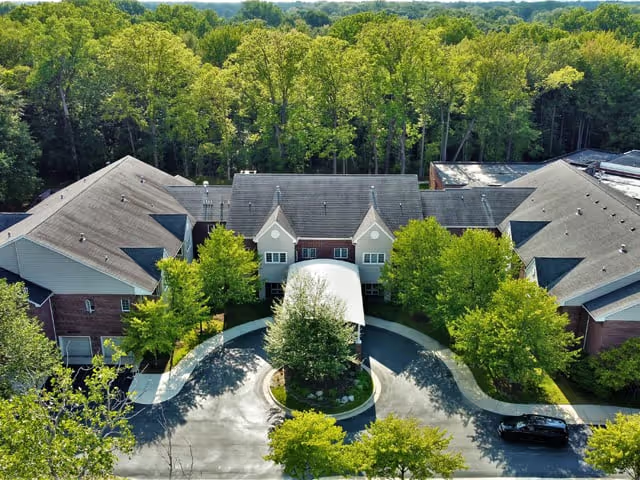
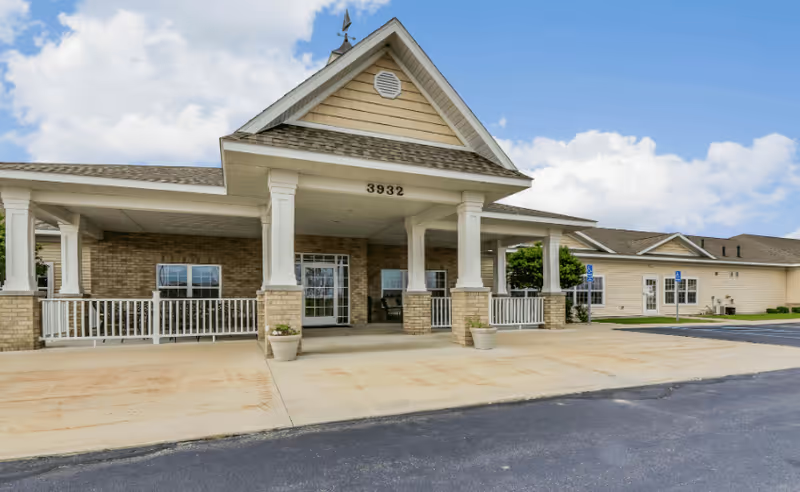
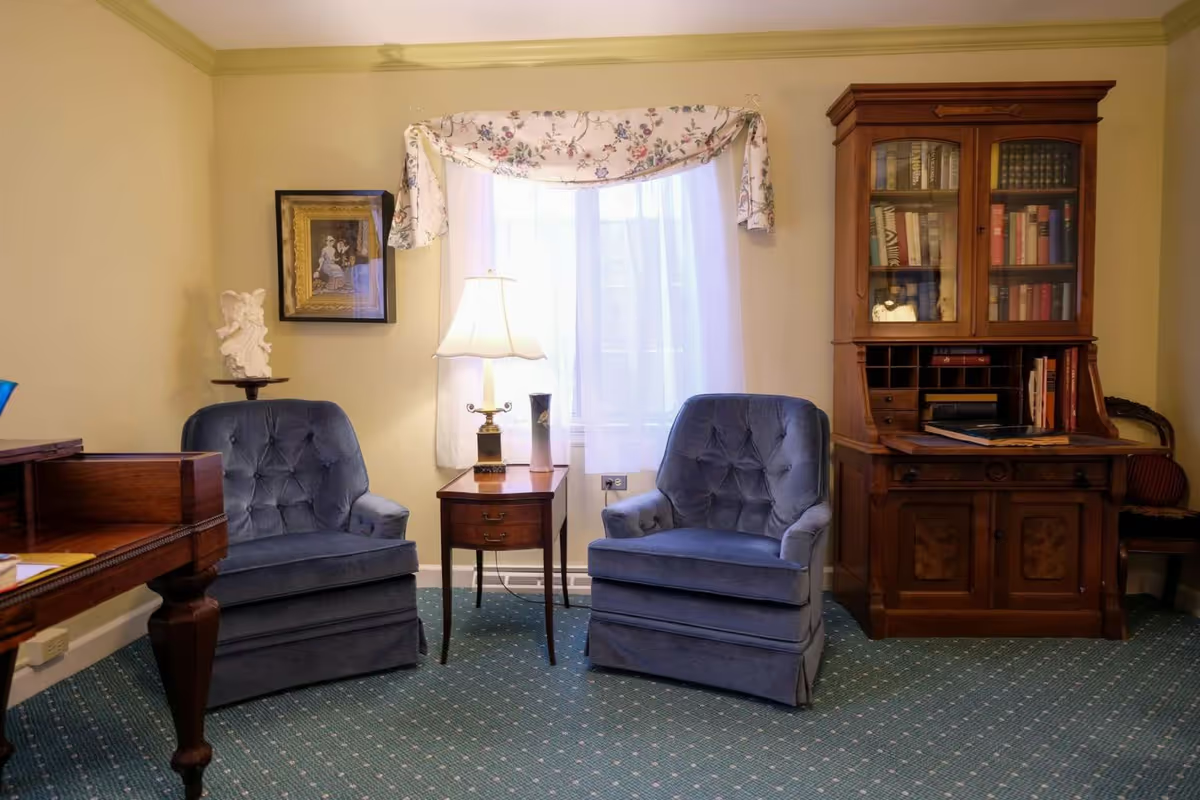
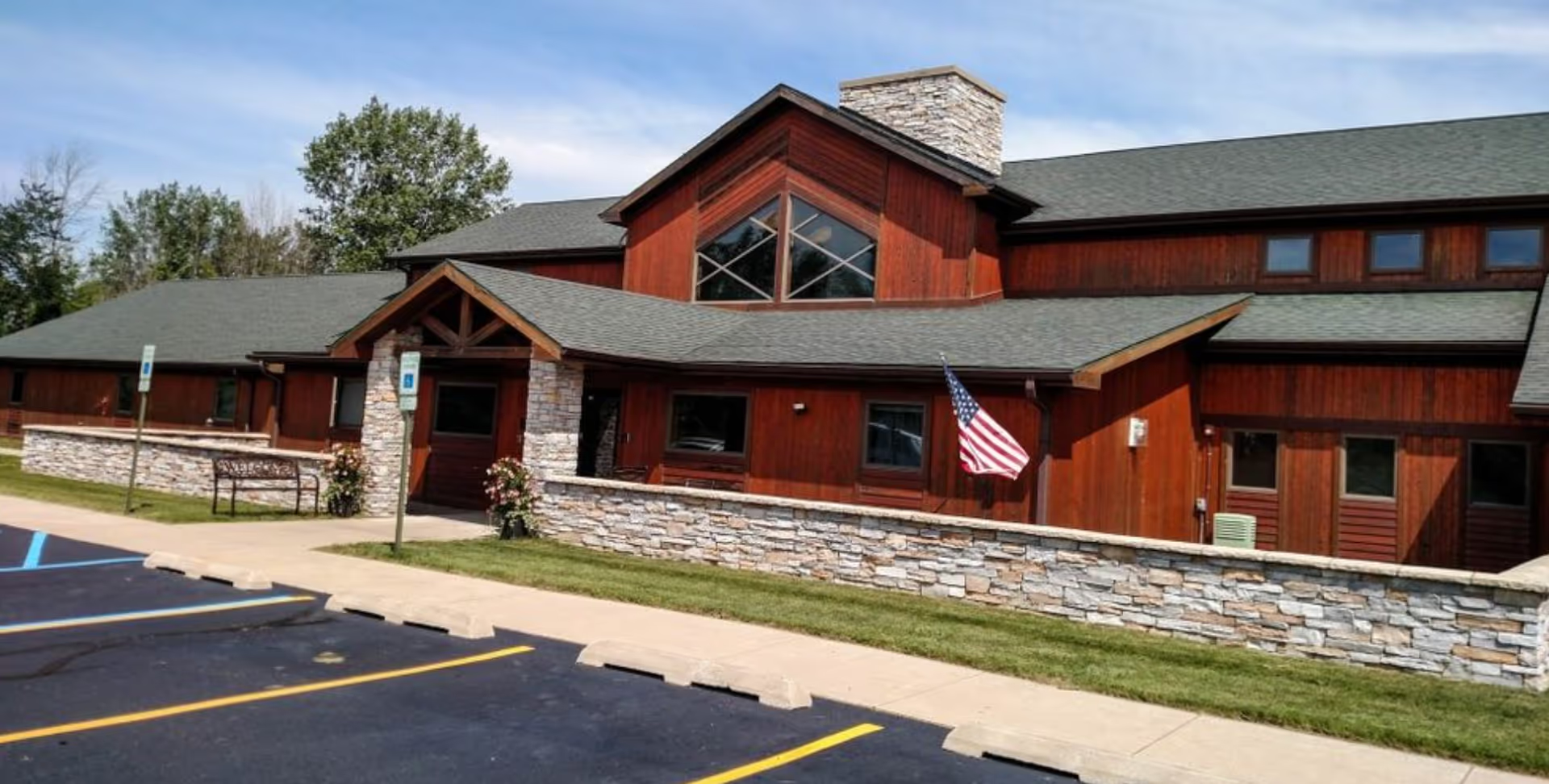
Facility condition and housekeeping assessments are mixed. Numerous comments describe a warm, well-kept interior and pleasant common areas; however, other reviewers describe sanitation and housekeeping variability, odor concerns in some areas, and occasional hallway smoking. In addition, there are several mentions of personal items becoming misplaced, suggesting that property-control practices may be inconsistent.
Management and communication show contrasting impressions. Some families praise attentive, informative managers and cite smooth administrative interactions. Others report difficulty reaching management, delayed or absent callbacks, restrictive social-media or feedback policies, and a perception that billing and business practices are prioritized over flexible resident-centered solutions. There are also indications of problematic incident-handling practices: families cite failures in notifying relatives about incidents, late regulatory filings, and concerns about privacy procedures. There are also isolated serious allegations — including claims related to a privacy breach and an adverse resident outcome — that warrant verification through state inspection and complaint records.
Notable patterns for prospective residents and families to consider are the facility’s strong activity program and many accounts of caring frontline staff, contrasted with recurring operational weaknesses around staffing consistency, medication oversight, communication and incident reporting, housekeeping consistency, and property controls. Before placement, families should review state inspection reports, ask for current staffing ratios (including night coverage), request details on medication administration protocols and staff training, review the incident-notification policy, and examine housekeeping and personal-property procedures to ensure alignment with their expectations.