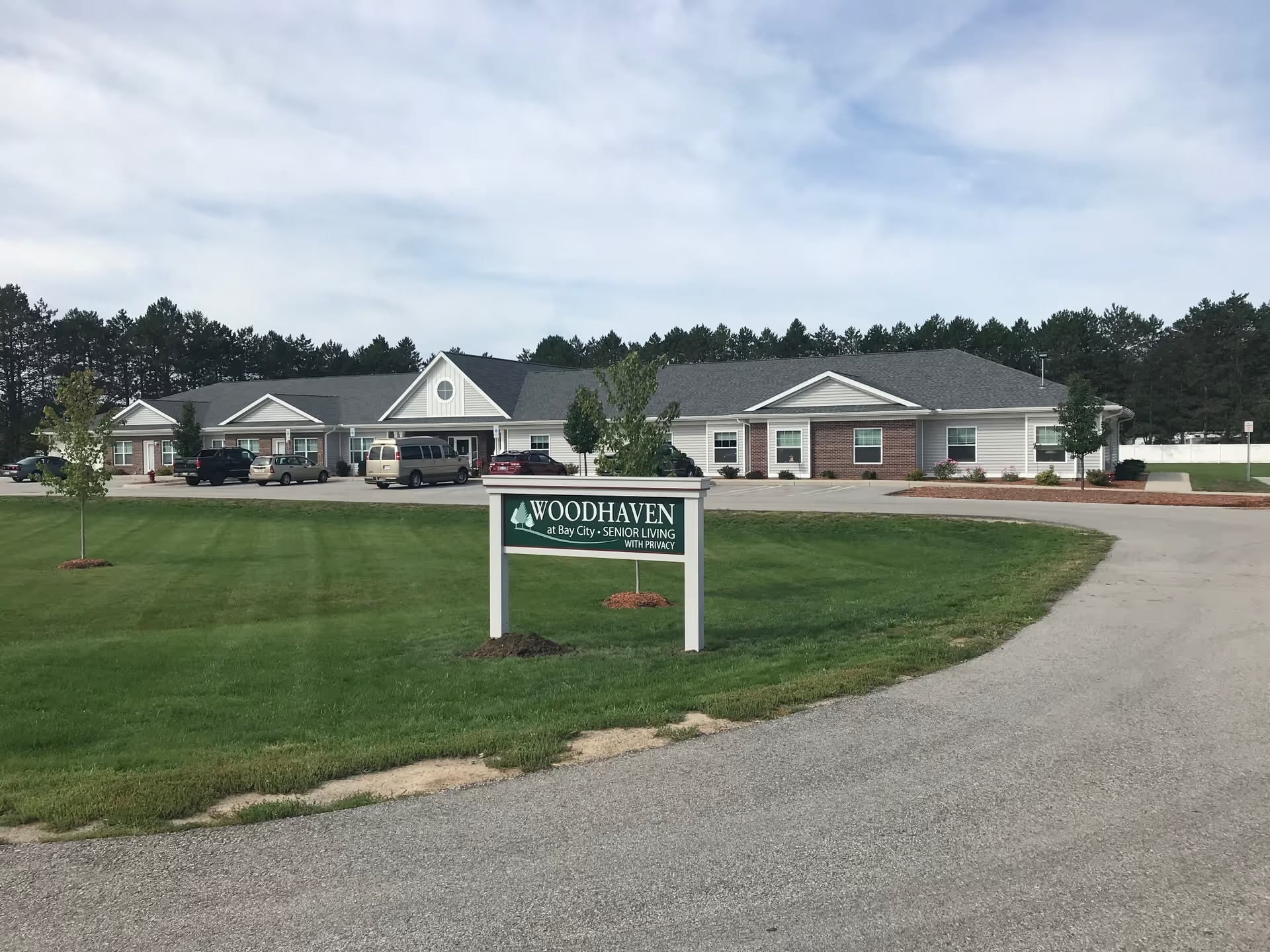
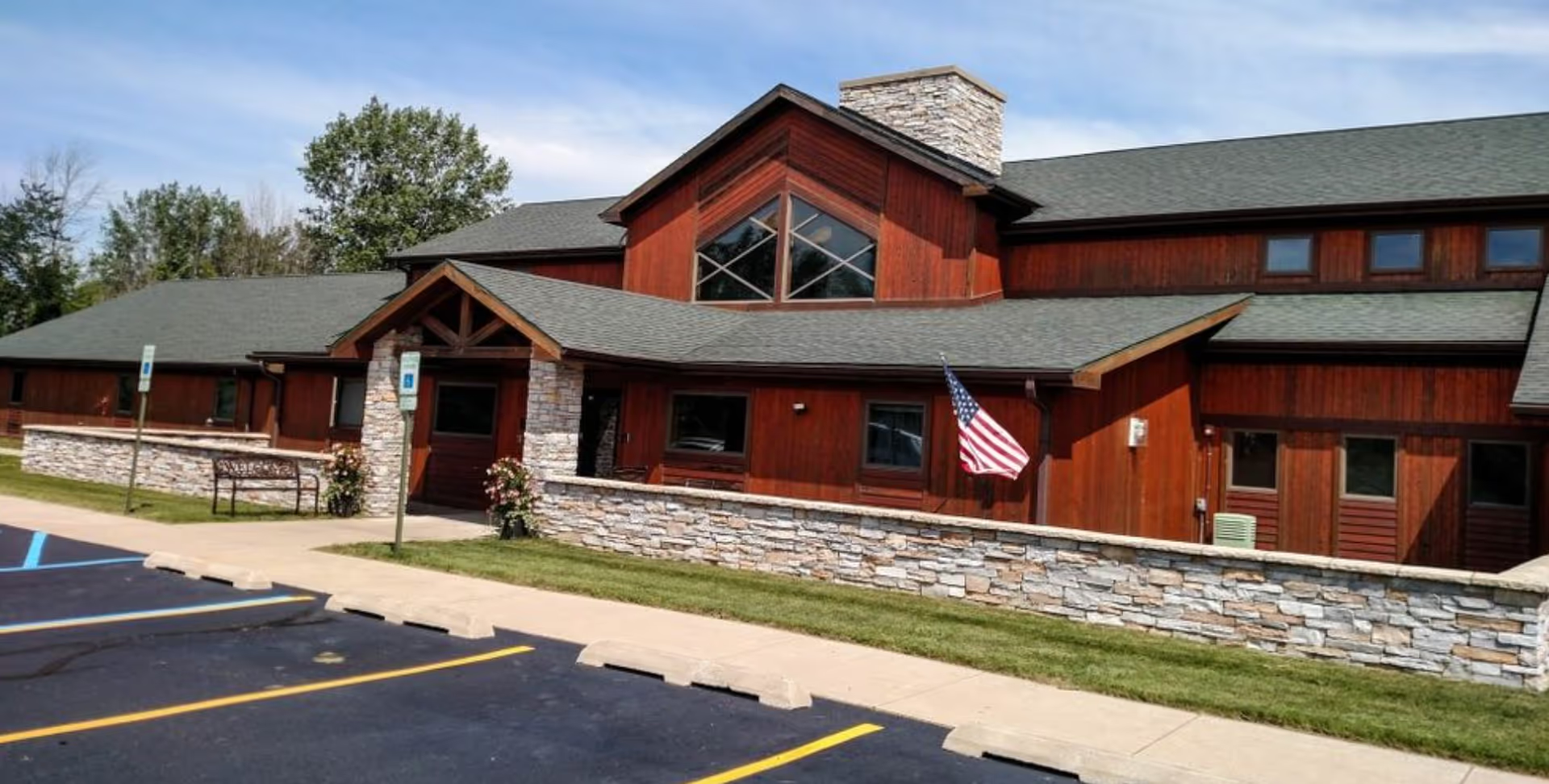
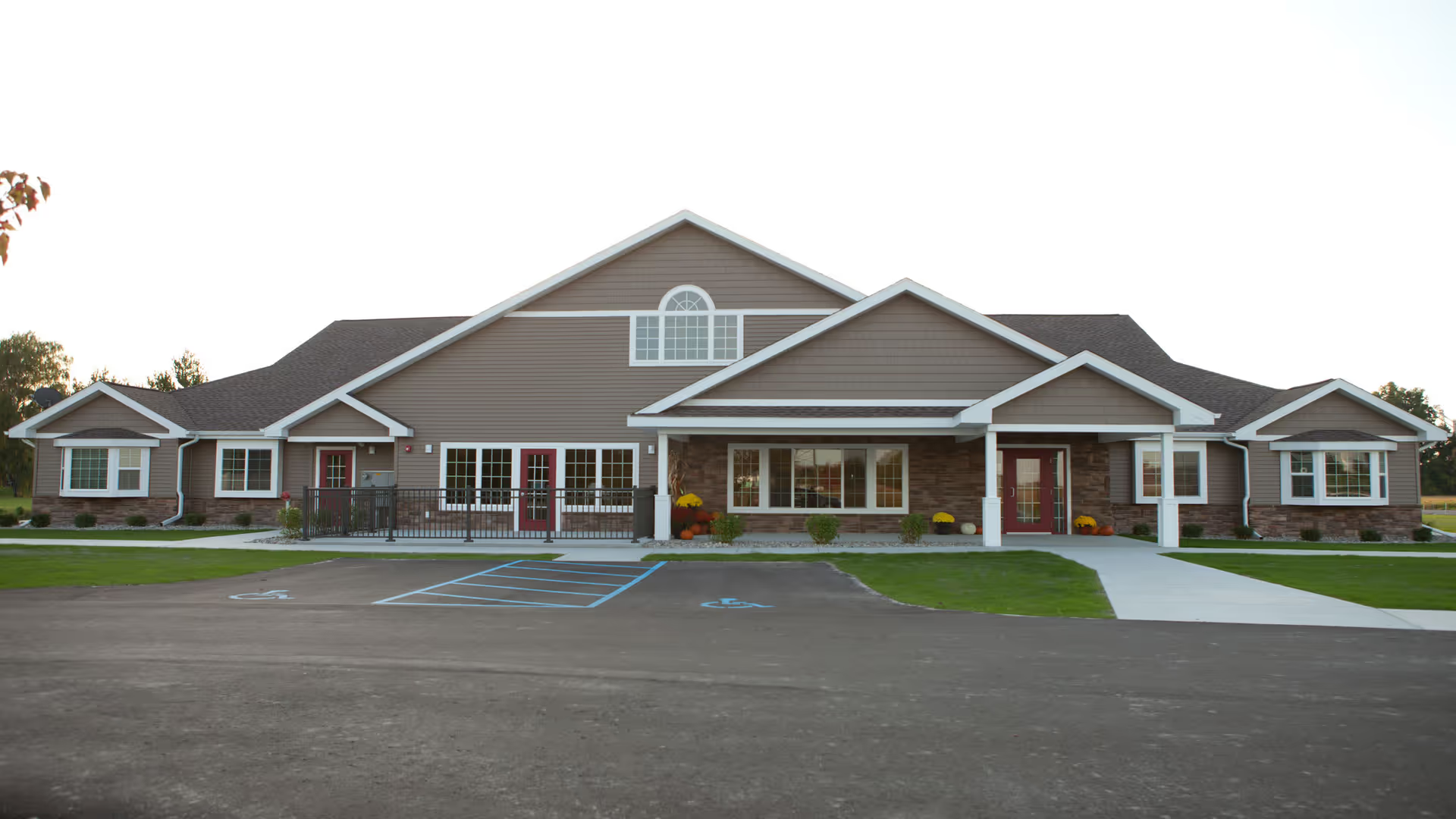
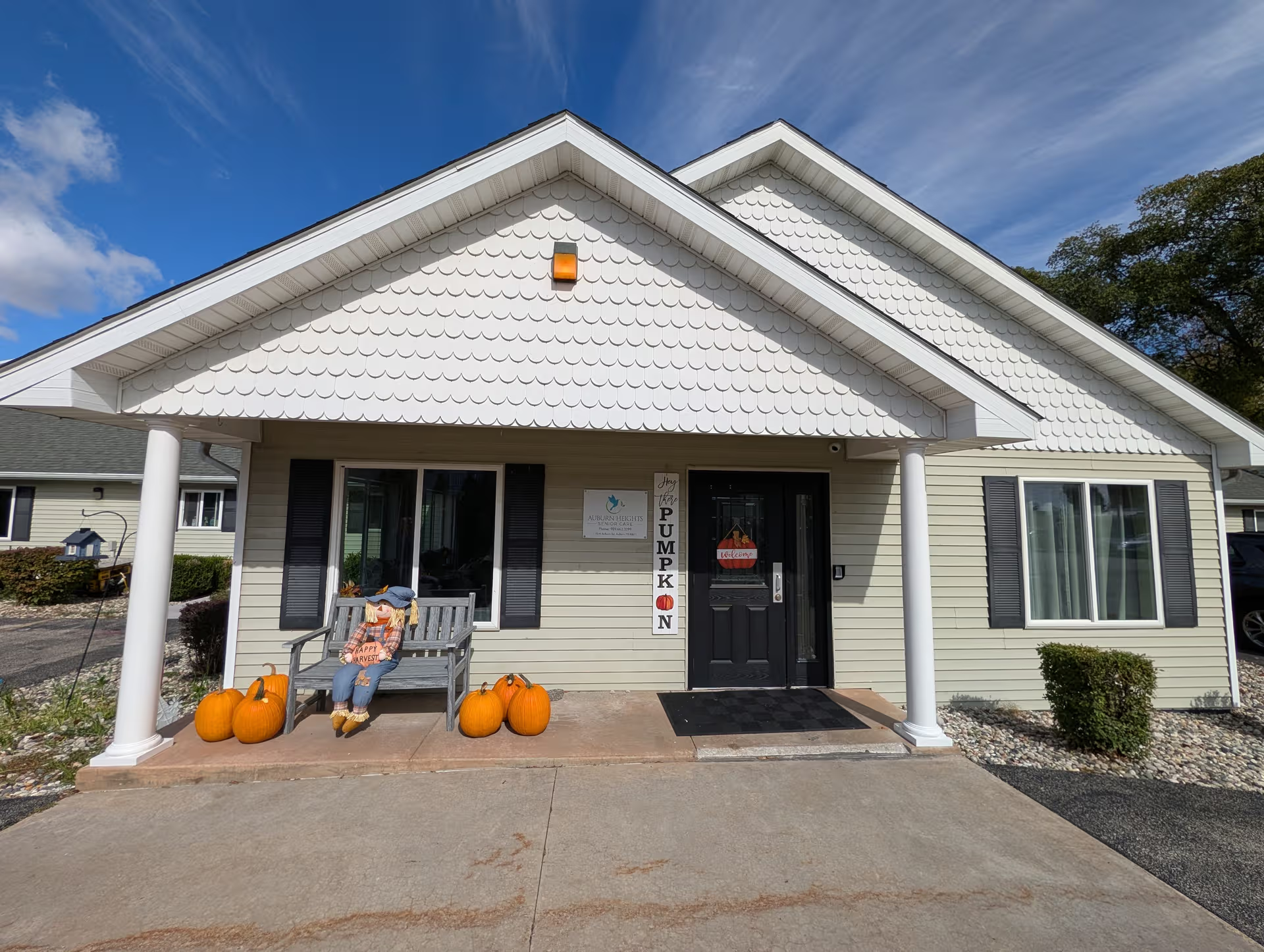
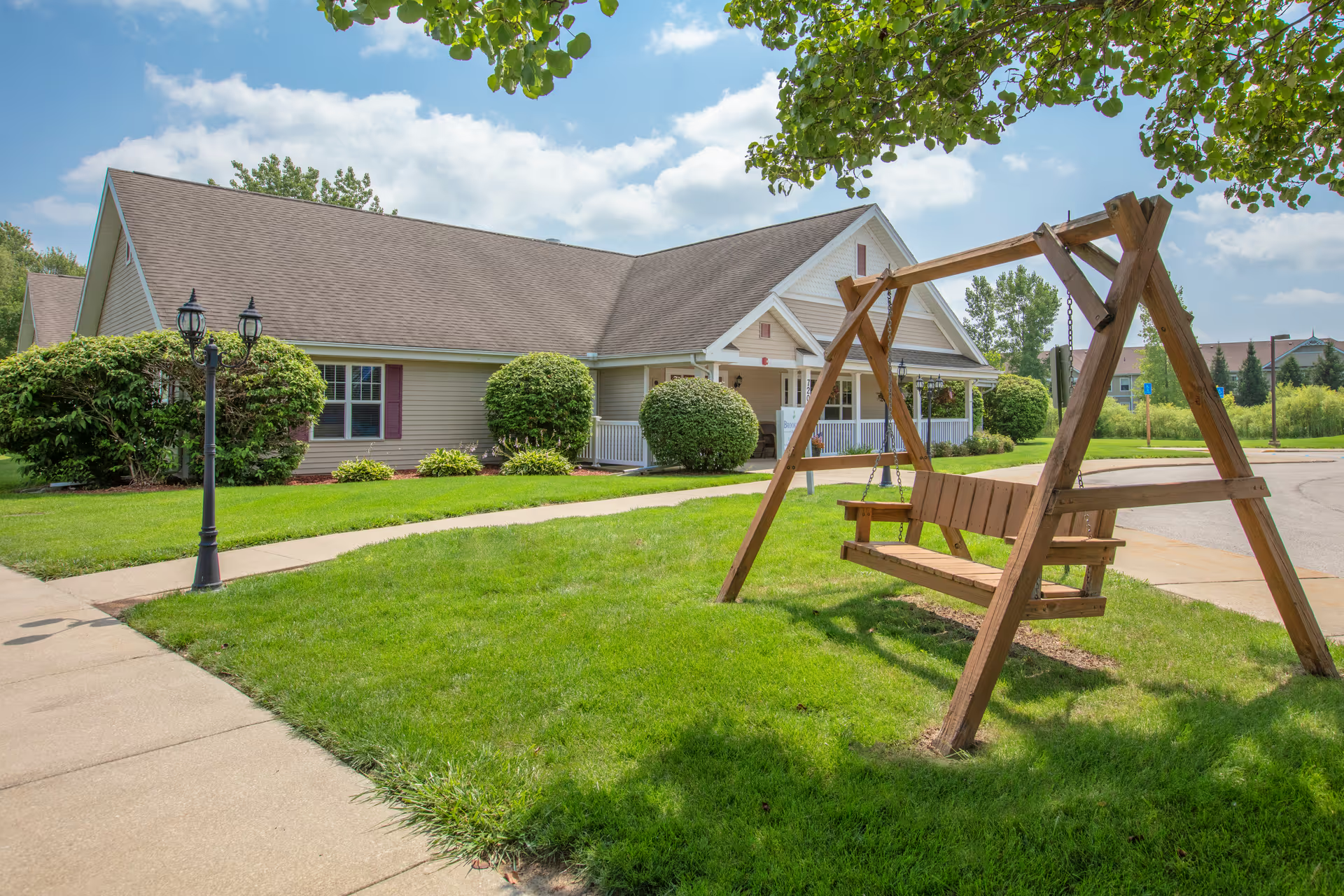
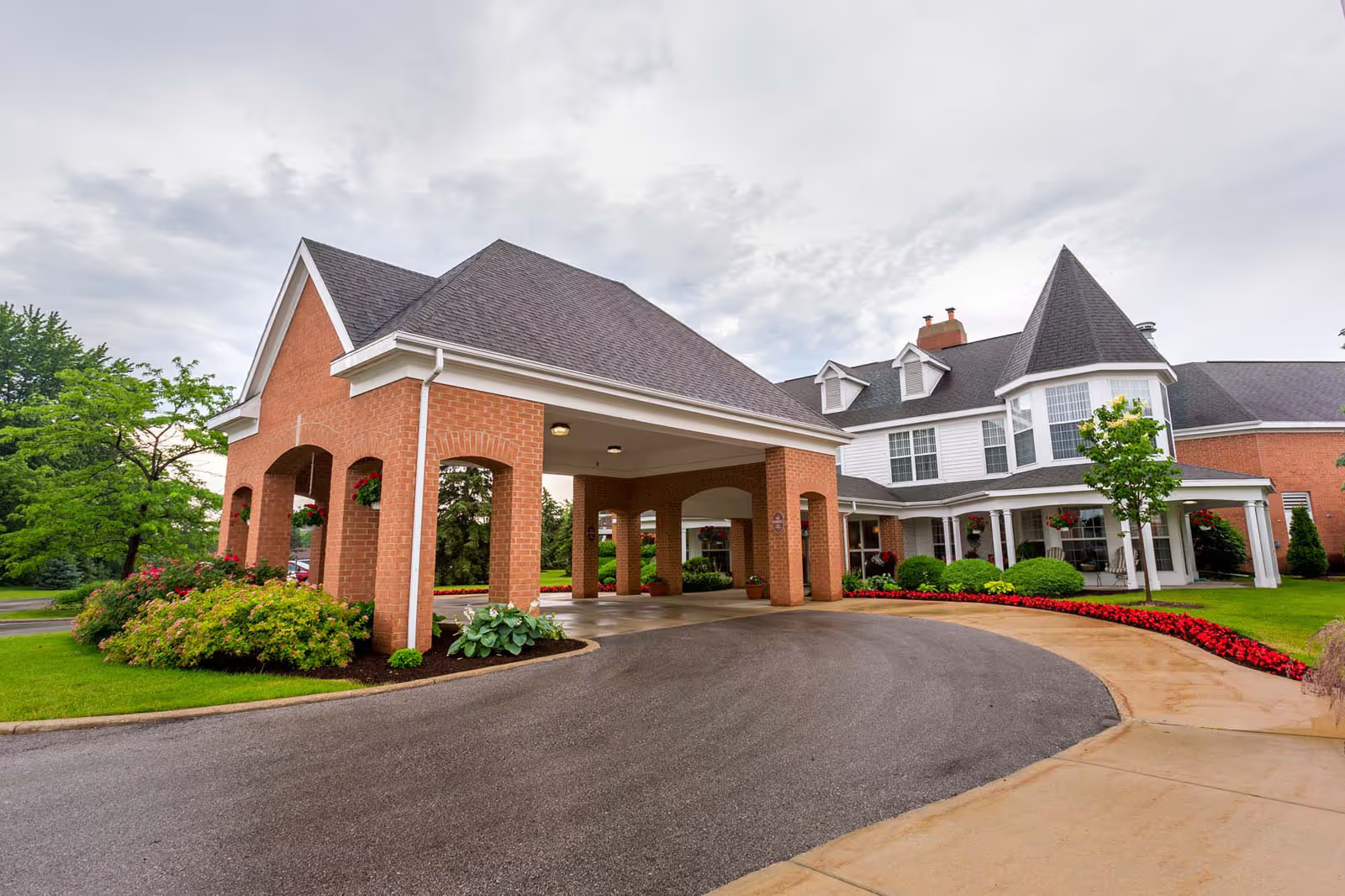
Bayfield Assisted Living & Memory Care receives overwhelmingly positive feedback on its caregiving culture, social programming, and physical environment. Most families describe a warm, family‑oriented atmosphere in which staff establish personal relationships with residents, encourage participation in daily life, and help reduce caregiver burden. The community's aesthetics and layout — including spacious, customizable apartments, inviting dining areas, and attractive common spaces — are frequently singled out as strengths that contribute to a home‑like feel.
Care quality and staff performance are central strengths. Reviewers commonly praise caregivers and nursing staff for compassion, patience, and individualized attention; several specific staff members and leadership figures were named for going above and beyond. Medication management and clinical oversight are described positively by many families, and staff are credited with prioritizing resident safety, nutrition, and emotional wellbeing. At the same time, there is a clear pattern of operational strain: staffing shortages and turnover have produced delays in responding to call buttons, intermittent interruptions to routine care, and variability in supervision. Prospective families should expect strong personal caregiving in many cases but should also clarify current staffing levels and response-time expectations.
Dining and nutritional services are another frequently cited advantage. The community offers three home‑cooked meals daily, a varied menu, and an emphasis on resident preferences; kitchen staff and chefs are often complimented. However, a pattern emerges where dining quality is perceived as inconsistent between general assisted‑living areas and some memory‑care services. Families concerned about texture or presentation for residents with cognitive or swallowing issues should tour dining areas and ask about any differential meal plans for memory-care residents.
Bayfield's activities program is robust and diverse, with multiple daily options including games, crafts, concerts, field trips, worship services, exercise classes, and special events. Reviewers consistently credit the activity staff with promoting socialization and meaningful engagement, leading to notable improvements in mood and community bonds for many residents.
Facility services and amenities are generally well regarded: an on‑site salon, podiatry availability, timely laundry, and attractive apartments are commonly appreciated. Nonetheless, reviewers describe inconsistent housekeeping and sanitation in specific areas, irregular bathing schedules for some residents, and occasional shortages of personal‑care supplies (for example, incontinence supplies and denture-care items). These issues suggest pockets of operational inconsistency rather than systemic facility-wide failure; families should verify housekeeping routines and supply policies during a visit.
Management and administration attract mixed but mostly positive comments. Admissions transparency and billing explanations are praised, and some families single out managers for strong relationship‑building and responsiveness. That said, others report variability in managerial responsiveness, occasional leadership turnover (noted during COVID‑era staffing changes), delays in refunds or billing adjustments, and periodic cost increases that affect affordability. These patterns point to a generally communicative administration with sporadic gaps in consistency.
Overall, Bayfield presents as a caring, well‑appointed community with strong social programming and many instances of high‑quality, personalized care. The principal operational cautions are related to staffing consistency, response times, housekeeping/sanitation follow‑through, supply availability, and variable meal quality in memory care. Families evaluating Bayfield should meet the care team, ask for current staffing ratios and call‑response metrics, review housekeeping and supply policies, sample dining options (including memory‑care meals if applicable), and discuss short‑ and long‑term cost expectations to ensure alignment with their loved one’s needs and priorities.