The reviews for Hallmark Living Benton Harbor present a divided picture. Several accounts praise the facility for strong hands-on care, appealing meals, and a comfortable living environment with socially engaged residents. At the same time, other accounts raise substantive operational and interpersonal concerns. Prospective families should weigh the facility’s reported strengths in daily life and dining against recurring concerns about staff behavior and coordination.
Care quality appears mixed. Some families describe attentive caregiving and what they perceive as solid clinical care, while others express concerns about lapses in clinical practice and the tone of nursing interactions. The pattern suggests variability in how care tasks are performed and supervised: certain shifts or staff members may deliver high-quality, compassionate care, whereas others may exhibit inconsistent professional standards. This variability may reflect uneven clinical oversight and training that could affect continuity of care.
Staff and front-desk interactions are a prominent pattern in the feedback. Positive comments reference friendly, helpful caregivers, but a number of critiques center on the reception area and nursing-station conduct, citing curt or disrespectful communication and limited responsiveness. These issues point to interpersonal-conduct and communication gaps at the facility’s front line that can influence families’ impressions and day-to-day experiences.
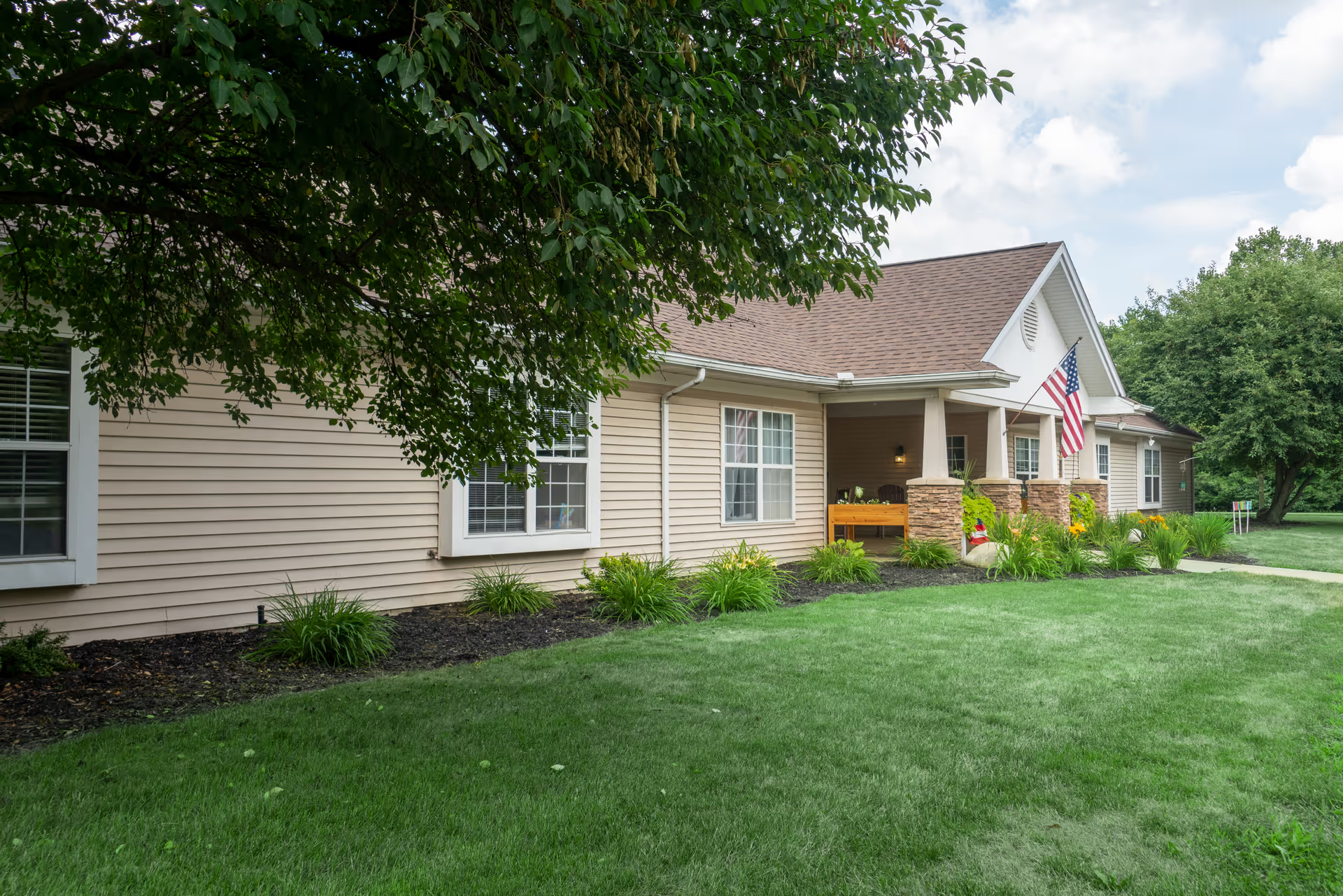
Dining and the physical environment receive favorable remarks. The food is described positively and the facility’s common areas are characterized as pleasant and comfortable, contributing to an overall agreeable setting for residents. Social life among residents is noted as a positive element, which may aid quality of life for prospective residents seeking an active, communal atmosphere.
Management and organization emerge as an area for improvement. Comments about disorganization, inadequate assistance at certain times, and inefficient coordination suggest operational weaknesses that affect resident support and staff responsiveness. Addressing supervisory consistency, front-line communication training, and clearer care coordination protocols could reduce variability in experience.
Notable pattern: experiences appear polarized rather than uniformly positive or negative. For prospective residents and families, an in-person visit that includes observation of mealtimes, staff–resident interactions across different shifts, and conversations with nursing leadership is advisable. Specific questions to ask during a tour include staffing patterns by shift, clinical oversight and training procedures, family communication protocols, and examples of how the facility addresses complaints or incidents. This approach will help determine whether the facility’s strengths align with a family’s priorities and whether the operational concerns described have been addressed.