Woodland Terrace receives generally positive feedback for its care environment and staff. Families frequently describe employees as kind, patient, attentive, and professional, with positive experiences in assisted living and memory care. Several comments emphasize staff support during admissions and care transitions. However, feedback is not uniformly positive: concerns include communication responsiveness and the consistency of personal-care routines, including attention to hearing devices. One reviewer also raised a concern about clinical coverage after supper, so families may wish to clarify staffing and medical support by time of day and care level.
Dining feedback is mixed. Some residents and families say meals are good, nutritious, or acceptable, while others cite uneven quality and limited choices. A reviewer noted that the meal offered was fixed rather than selected from options. Families considering the community may want to ask about menus, alternatives, and how dietary preferences are handled.
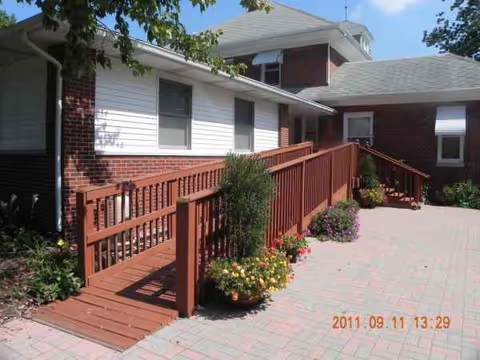
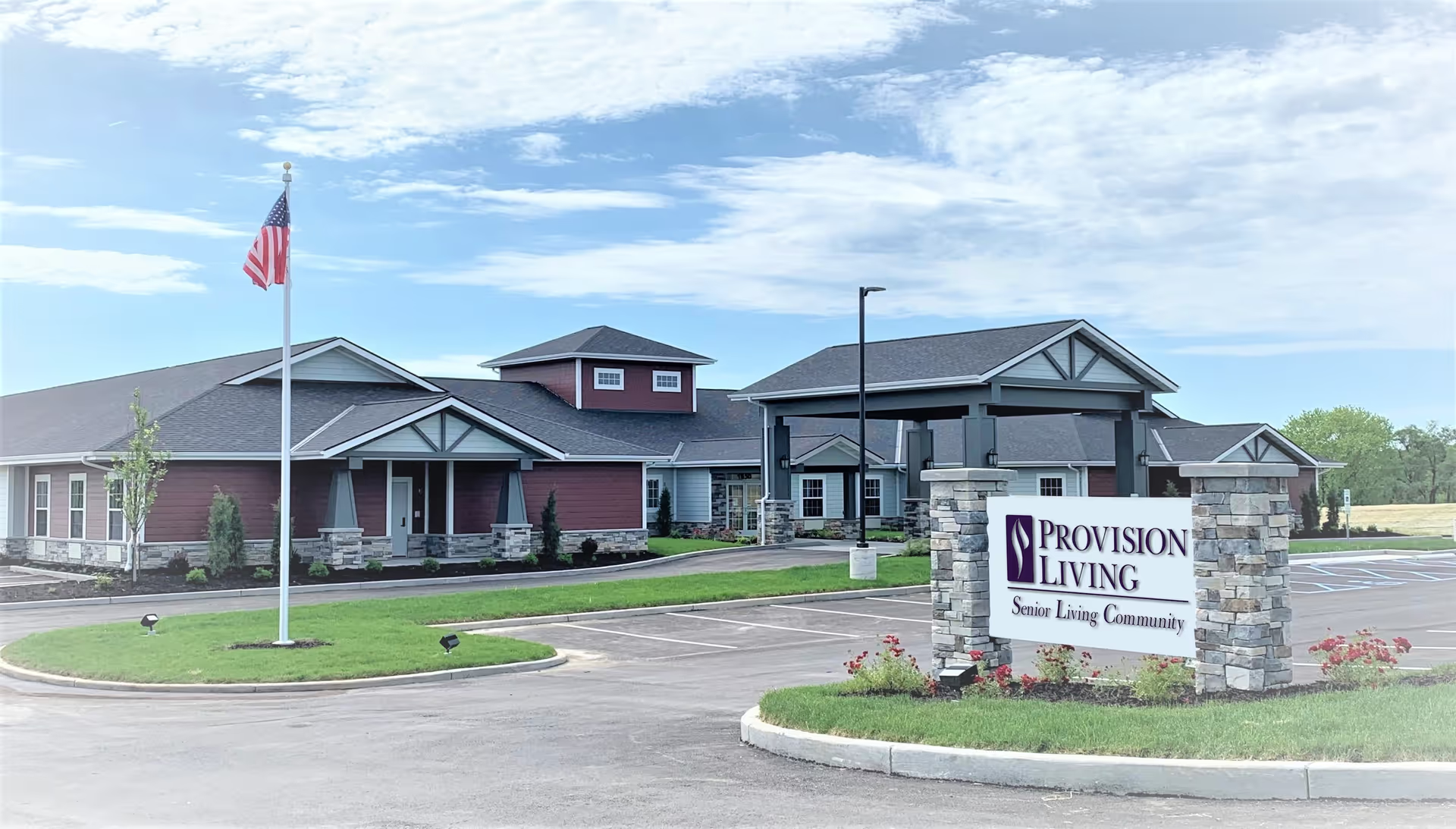
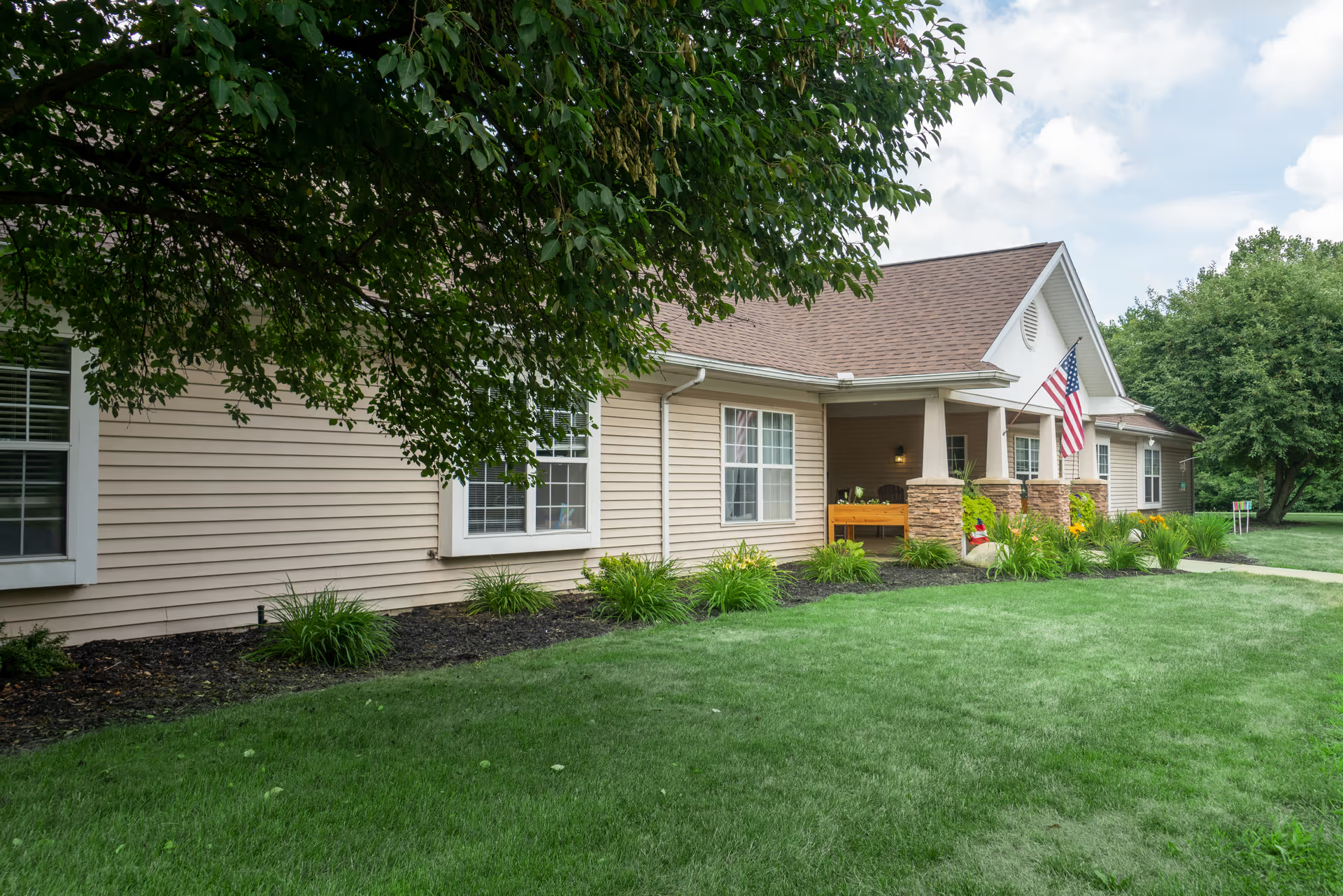
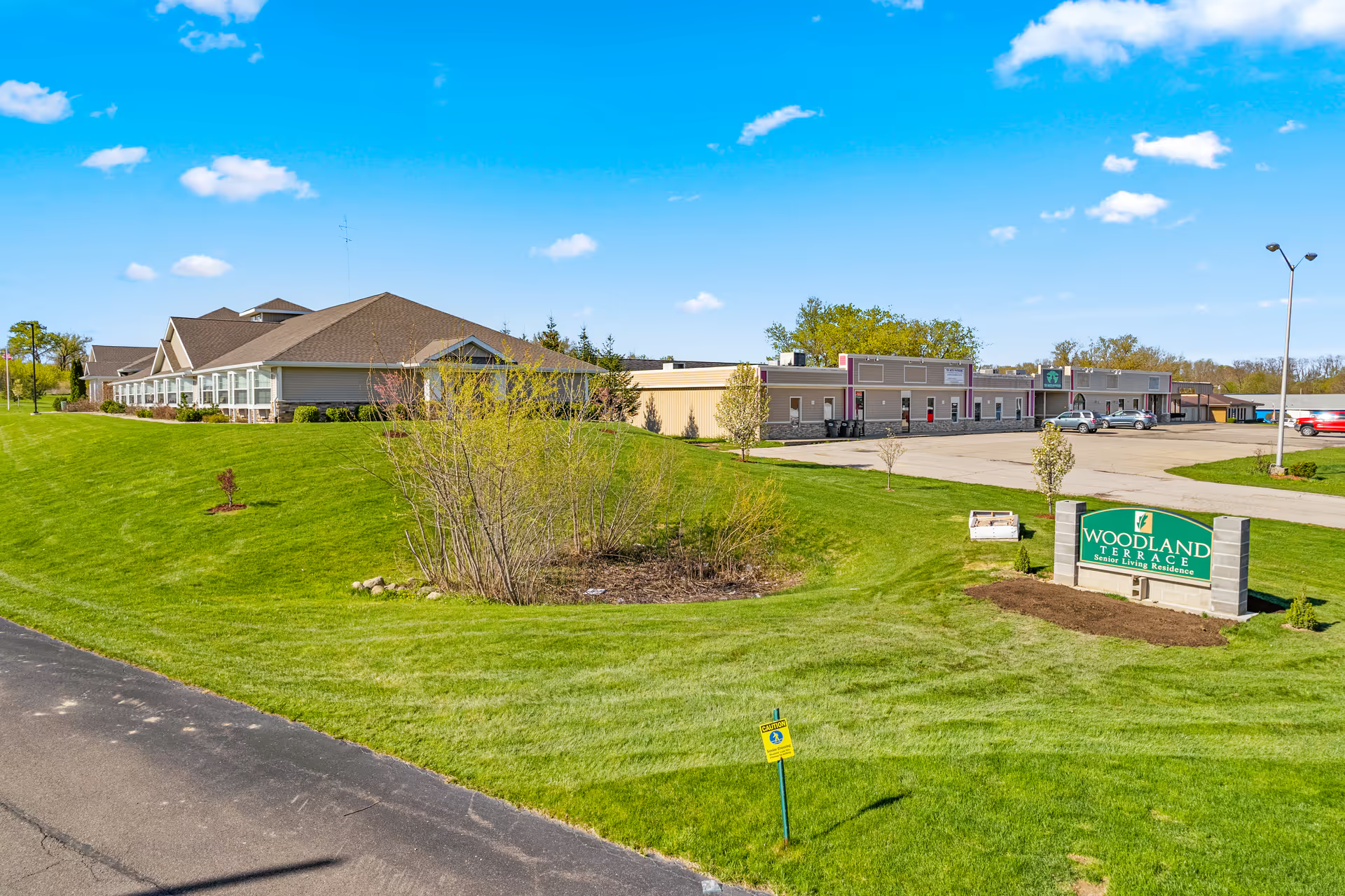
Activities are a relative strength. Reviews mention daily programming, exercise, familiar songs, games, creative projects, visiting entertainers, social gatherings, and trips into the community. The property is described as clean, bright, and well maintained, with spacious grounds, a walking path, a pond, and a single-level layout. Amenities cited include a salon and game or activity rooms; reports differ on whether a library is available, which may reflect differences between buildings or areas. Apartment features also appear to vary, with one reviewer noting different kitchen appliances in units at similar prices.
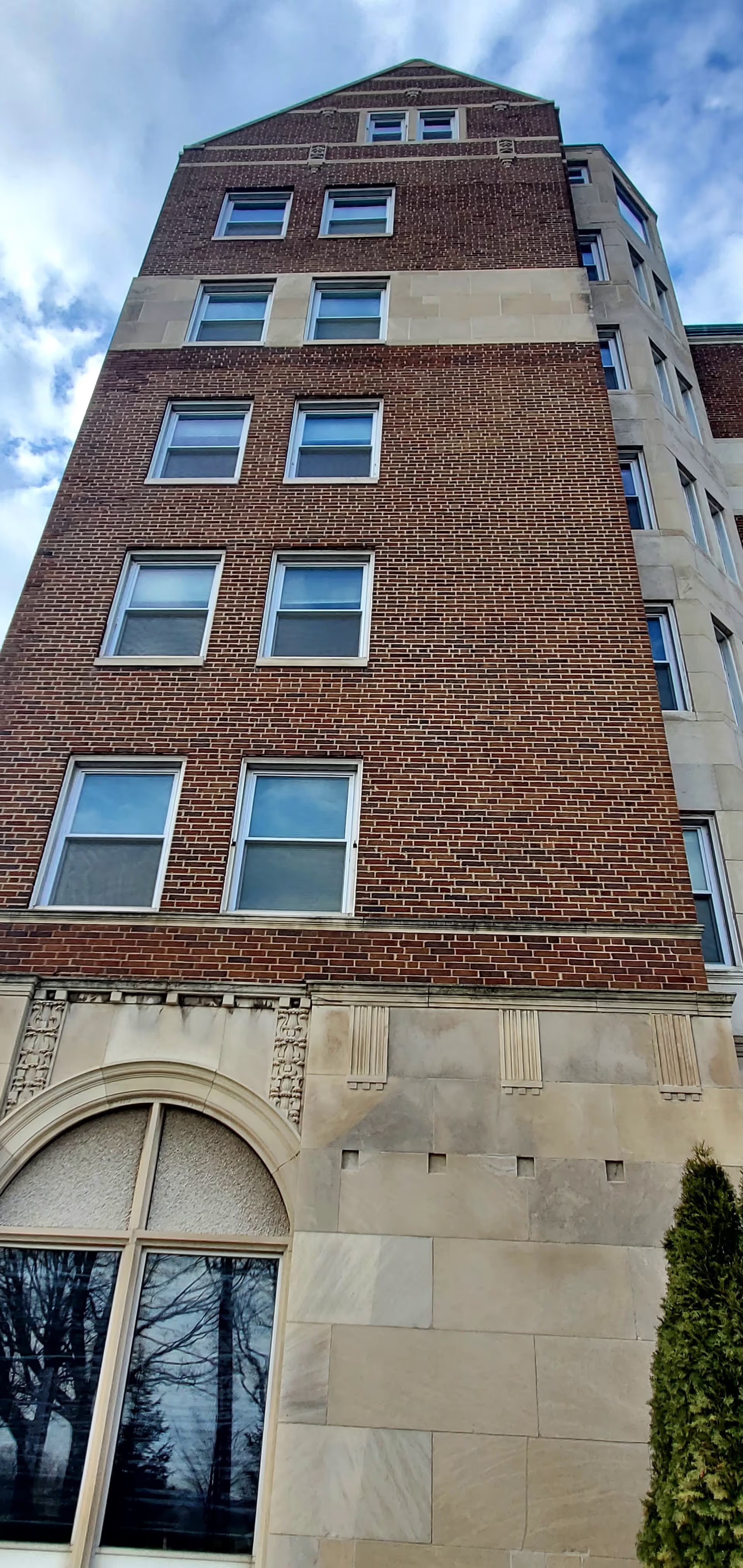
Families often describe Woodland Terrace as a good value, though at least one visitor felt the cost was high for the services provided, suggesting that perceived value depends on expectations and care needs. A few comments point to operational coordination concerns, including a move-in that was not fully ready and delayed setup of television service. The community has multiple buildings for different levels of need, and a change in care needs may involve moving to another building. Prospective residents and families may benefit from confirming unit features, included services, clinical coverage, transition arrangements, and communication procedures before choosing a setting.