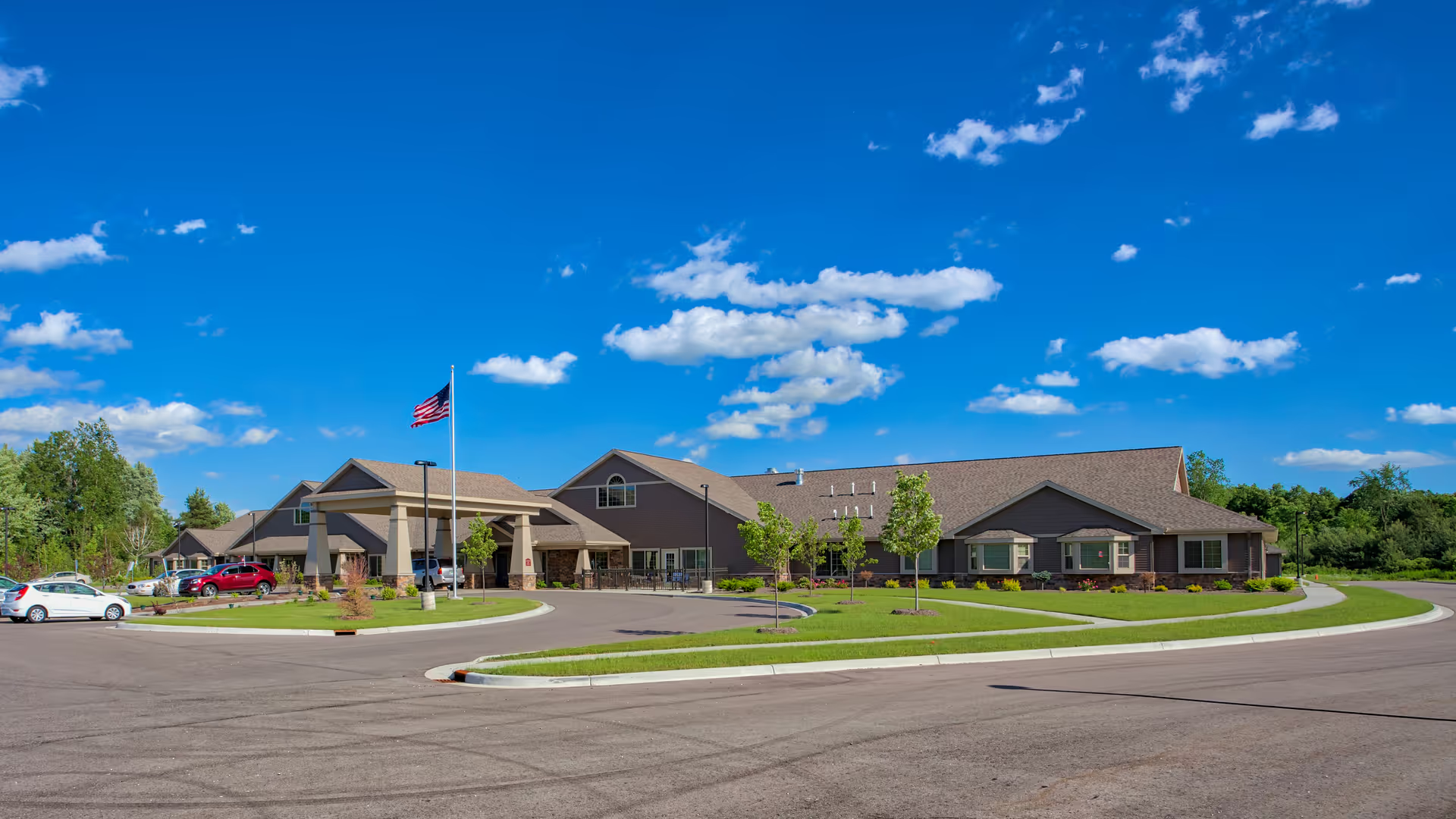
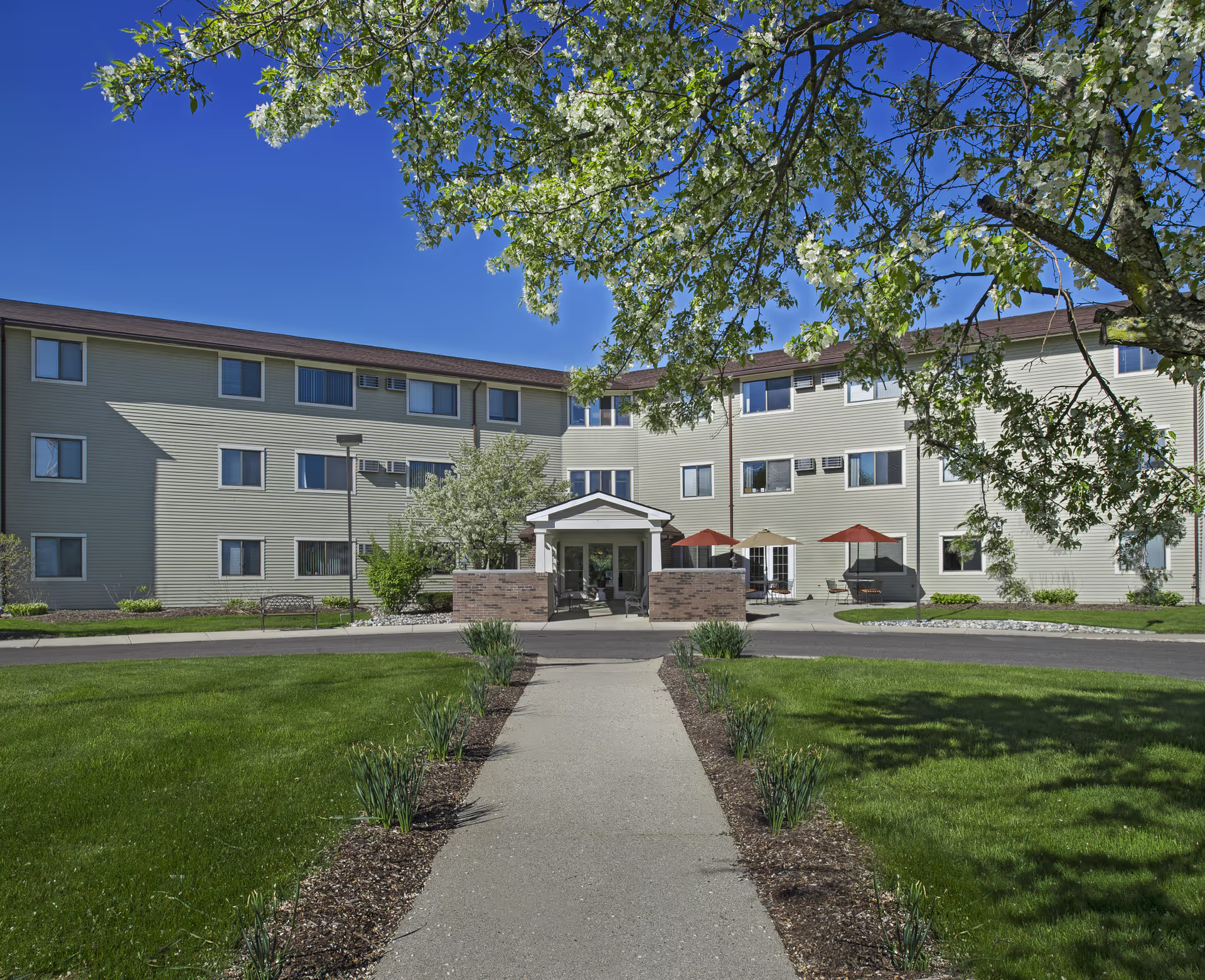
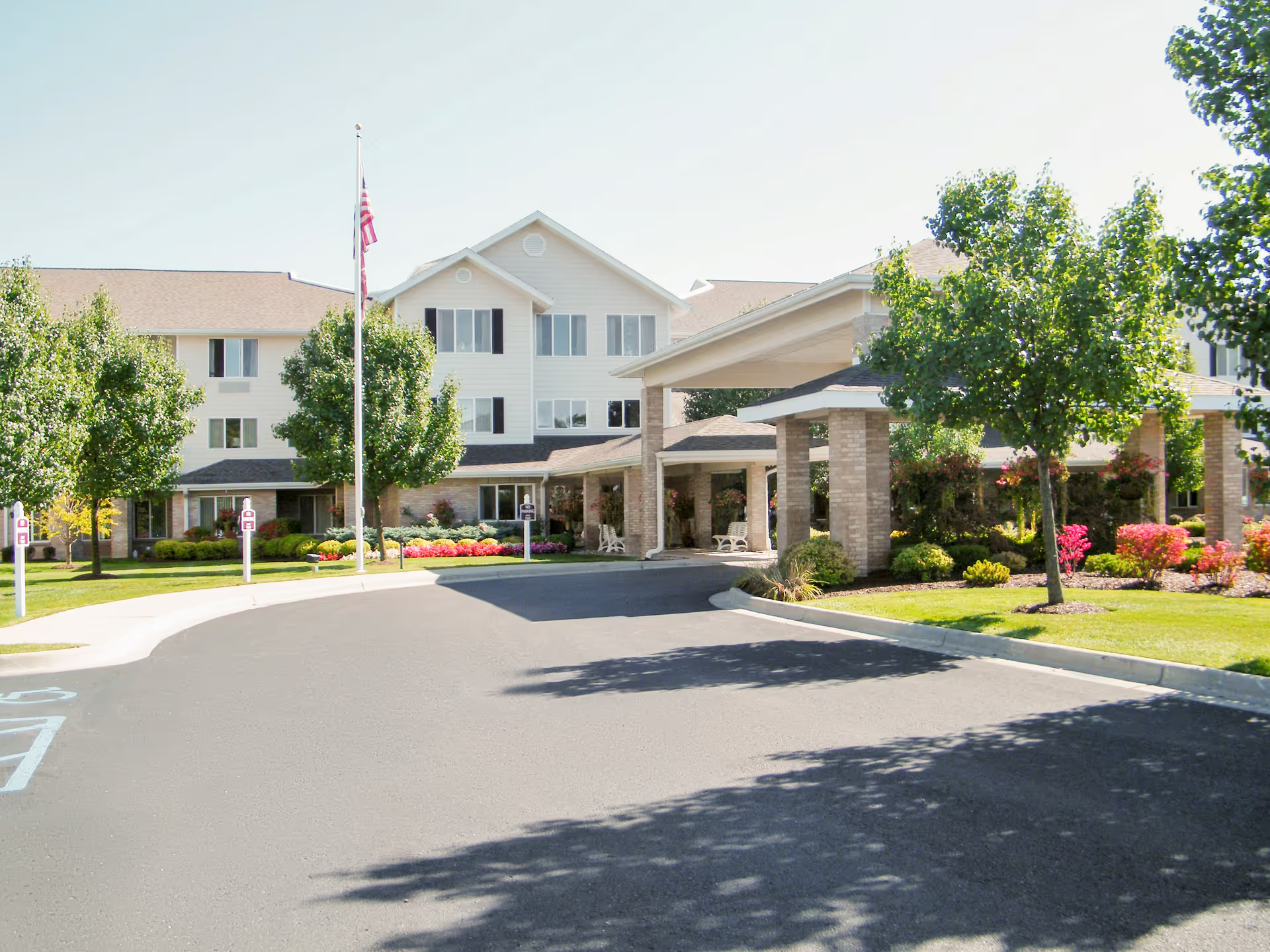
The Pines of Burton presents a mixed profile: many families and visitors describe a caring, home‑like setting with staff who know residents personally and provide attentive, compassionate assistance. Strengths commonly cited include apartment‑style units, well‑liked home‑cooked meals prepared by multiple kitchen staff, and a range of amenities such as a courtyard, aviary, community garden, theatre room and barber shop. Several accounts highlight effective hospice collaboration and a culture that can feel family‑oriented, and some reviews note visible facility improvements after a recent management change.
Care and staff are a central theme. Numerous comments praise individual caregivers and managers for personal involvement, consistent compassionate communication, and meaningful engagement with residents. At the same time, other reports describe operational strains: staffing shortages, turnover, and instances of inconsistent responsiveness. These mixed accounts suggest that resident experience can vary depending on which staff are on duty and how leadership is performing on a given day.
Dining and activities also show variability. Food quality is frequently praised—home‑cooked meals and strong kitchen staff receive positive attention—but there are concurrent concerns about reductions in food or supplies tied to financial decisions. The community offers several recreational options (gardens, aviary, bingo, theatre), yet some reviewers characterize the activity schedule as limited or repetitive. Prospective residents should review current activity calendars to verify programming that matches their interests.
Facility condition and operations are another area of divergence. Many find rooms and common areas clean and well cared for; others describe maintenance lapses, sanitation concerns in certain areas, and issues with furnishings or bathing facilities. There are also isolated but serious operational concerns: medication‑management errors, gaps in resident supervision and safety protocols, questions about infection‑control practices during health events, and weaknesses in securing residents' valuables. These point to systemic operational areas that may need stronger processes and oversight.
Management, communication and business practices receive the most polarized feedback. Several reviewers note positive changes and an active effort by new leadership to invite family feedback and improve conditions. Conversely, other accounts describe unresponsiveness to calls, slow follow‑up on problems, rent increases, cuts to supplies, and disputes over refunds or billing. This inconsistency in leadership performance appears to be a key driver of divergent resident and family experiences.
For prospective residents and families: an in‑person visit is recommended, with targeted questions about current staffing ratios, medication administration protocols, recent pest‑control and housekeeping measures, maintenance schedules, security for personal belongings, activity offerings, and any recent contractual or fee changes. Ask to meet caregiving staff who would be assigned to the resident, review incident‑response procedures, and request written documentation of recent management changes or quality‑improvement actions to get a clearer sense of current operations.