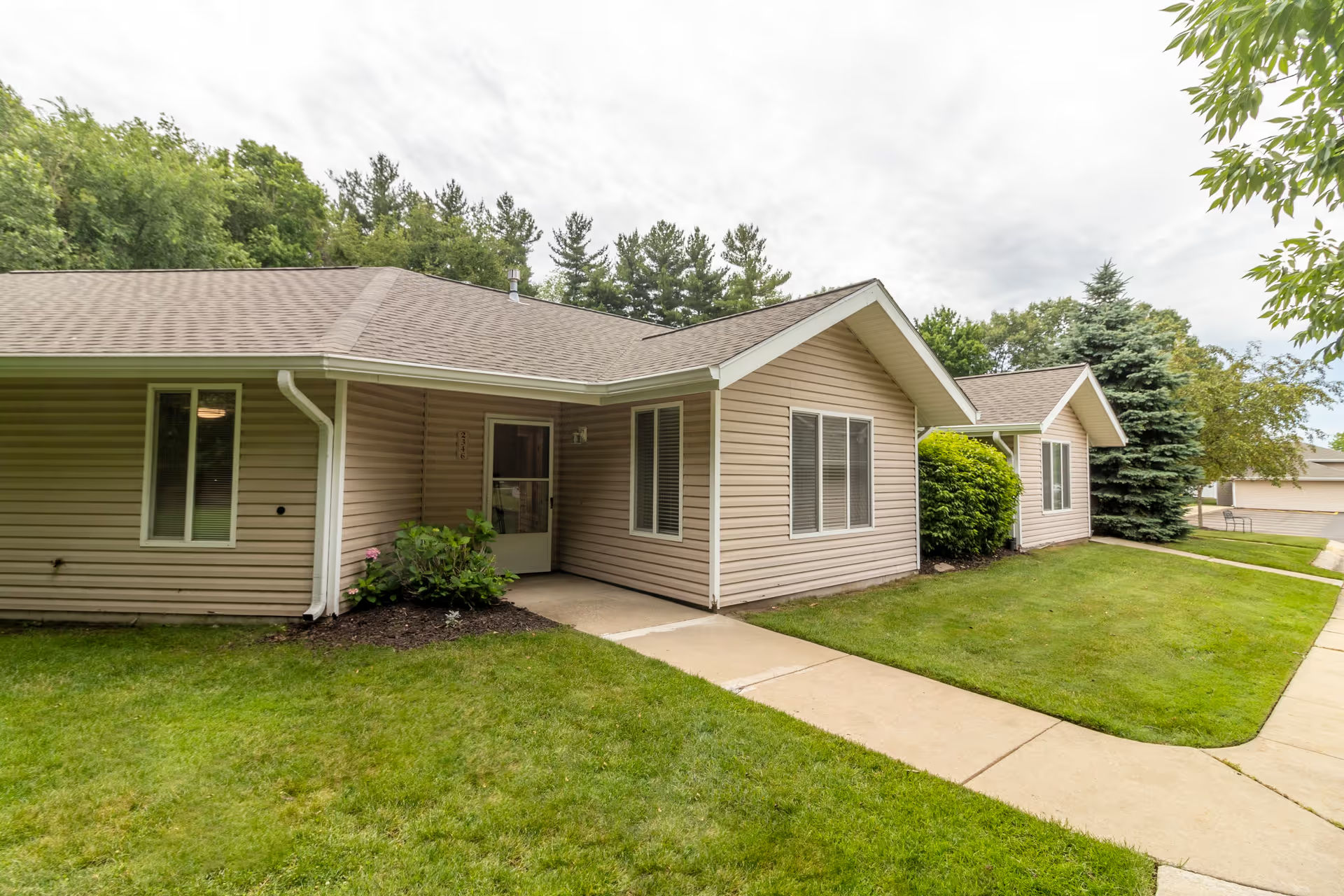
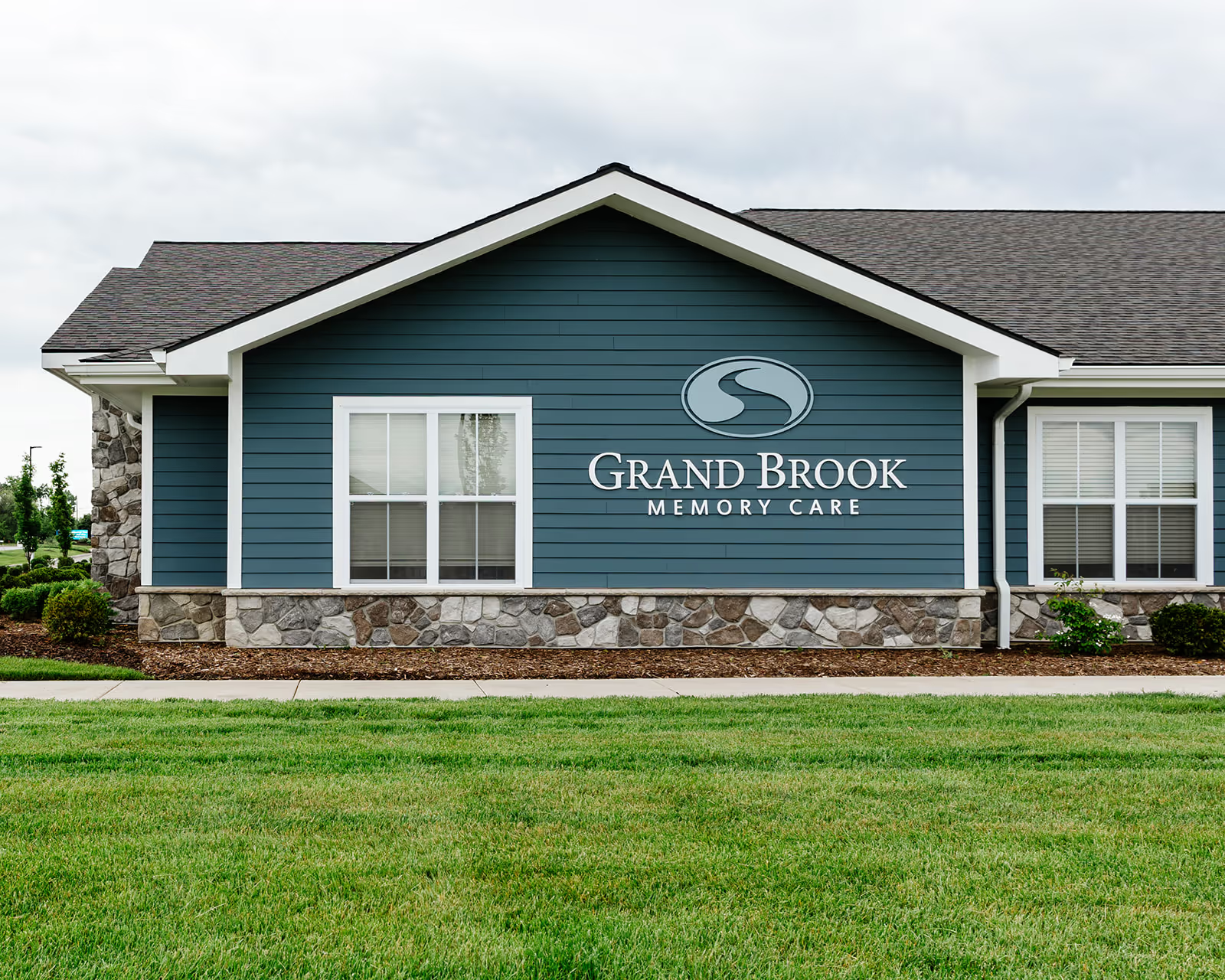
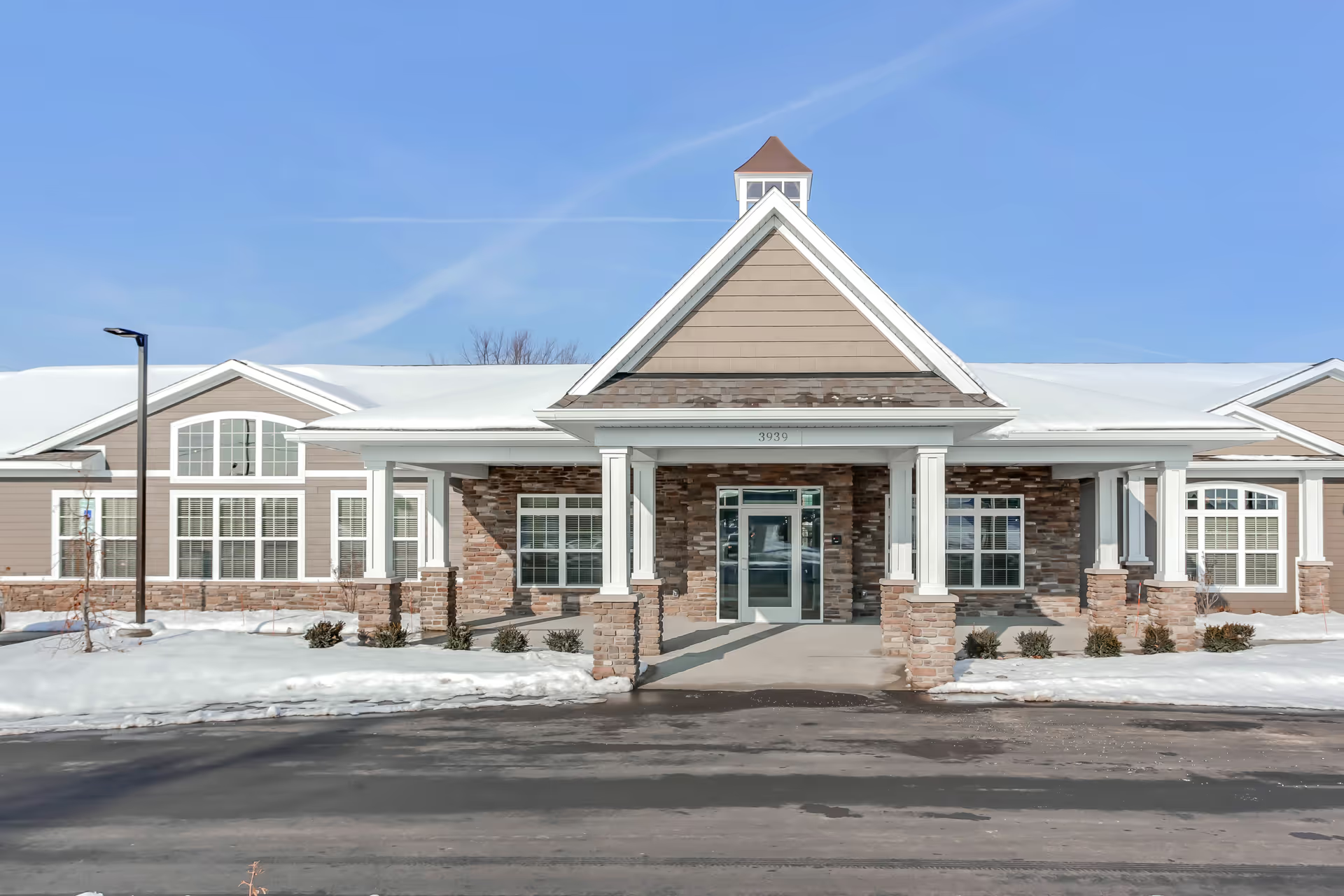
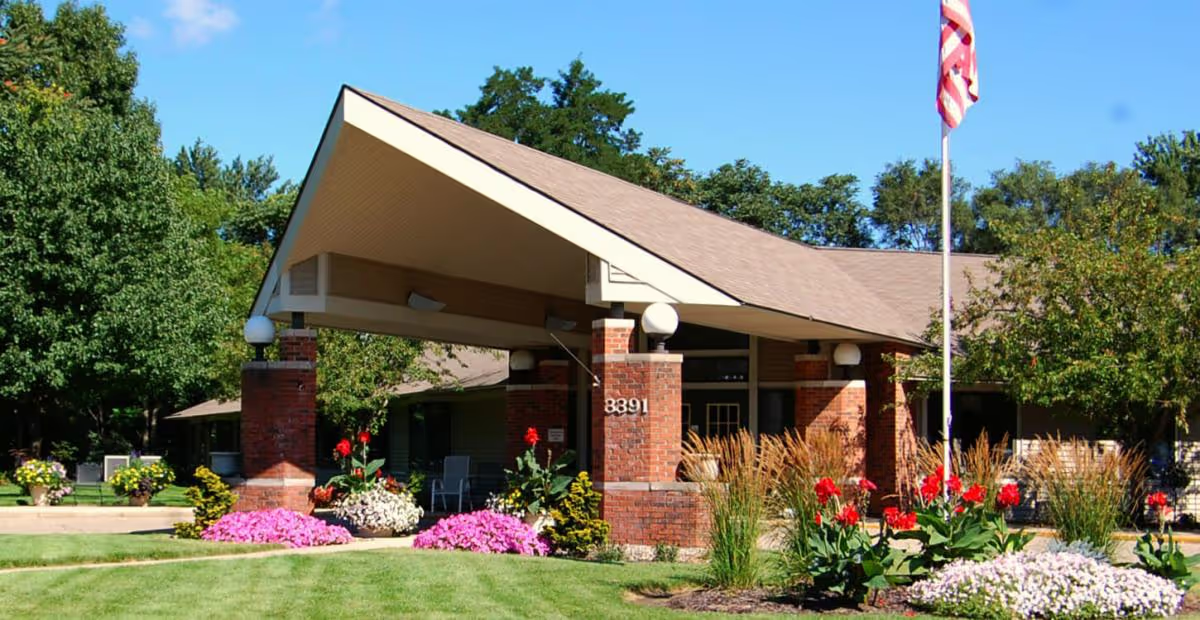
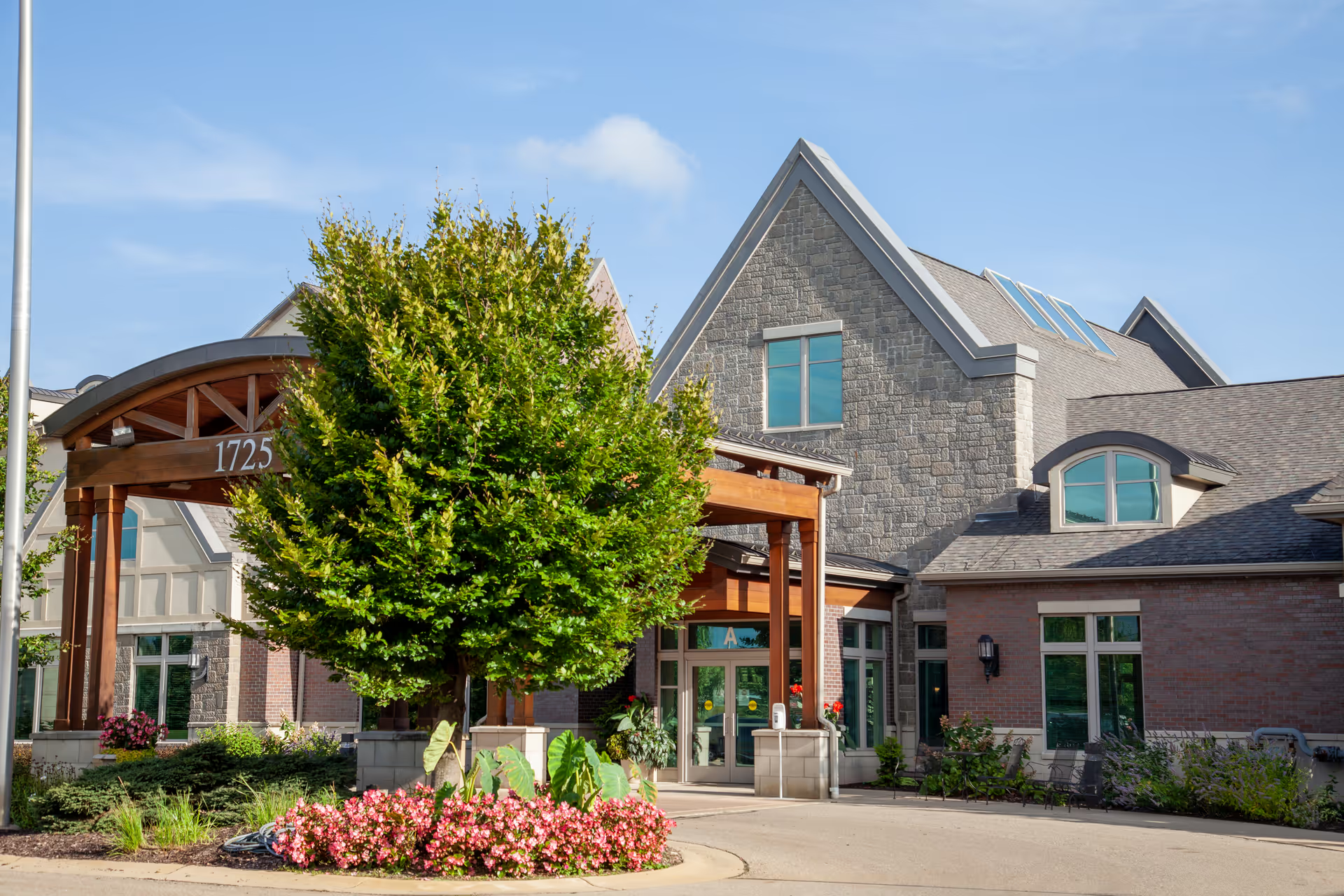
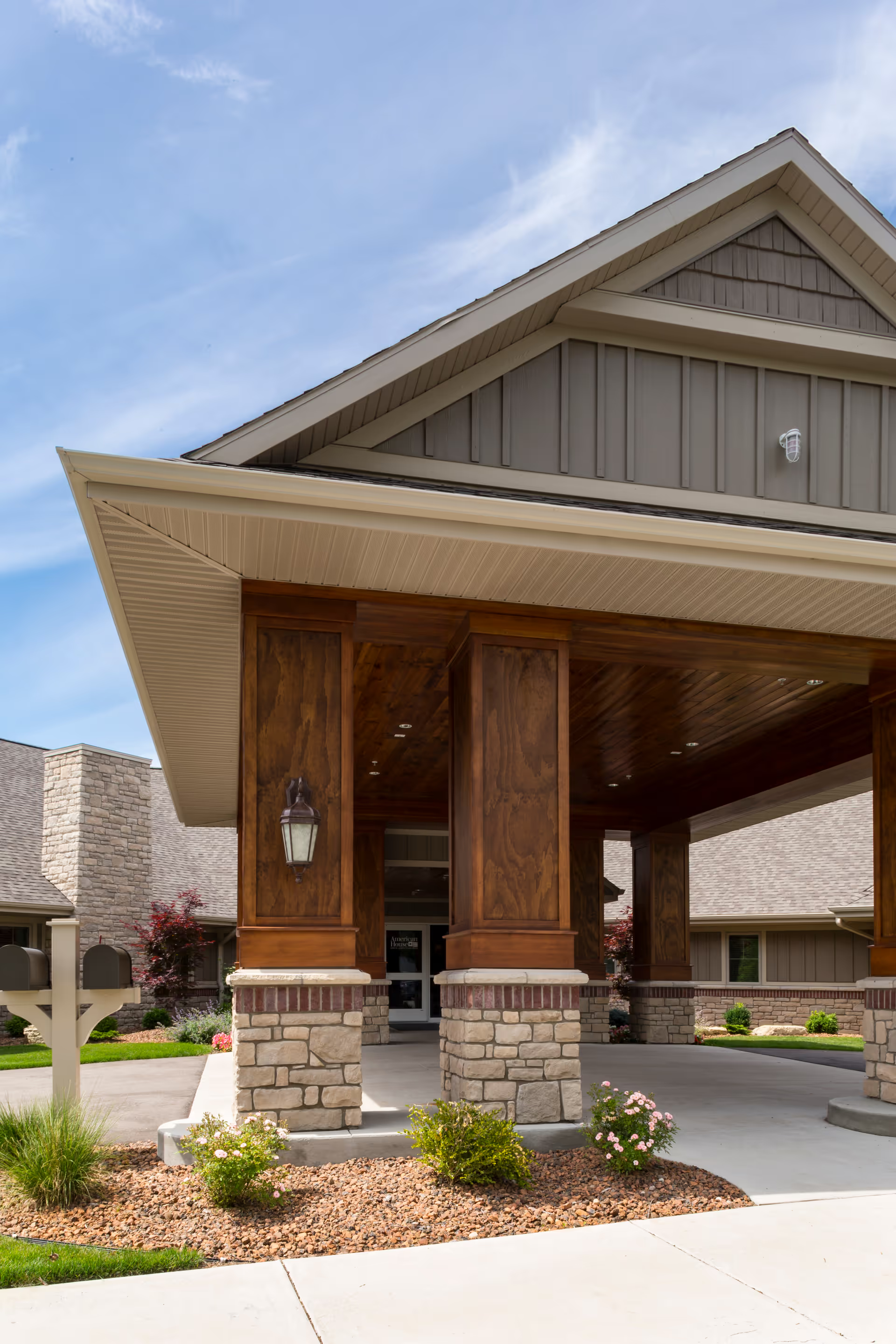
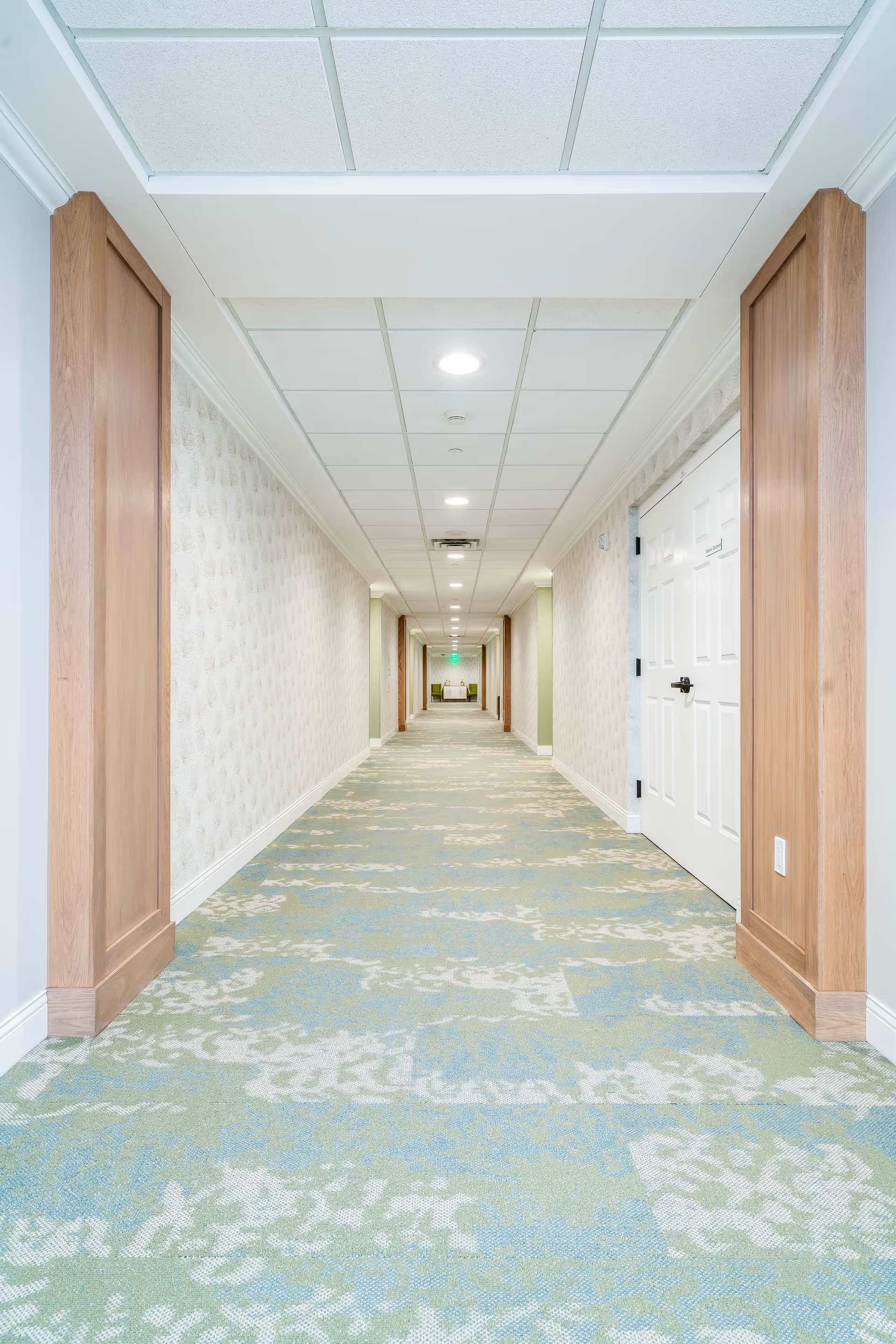
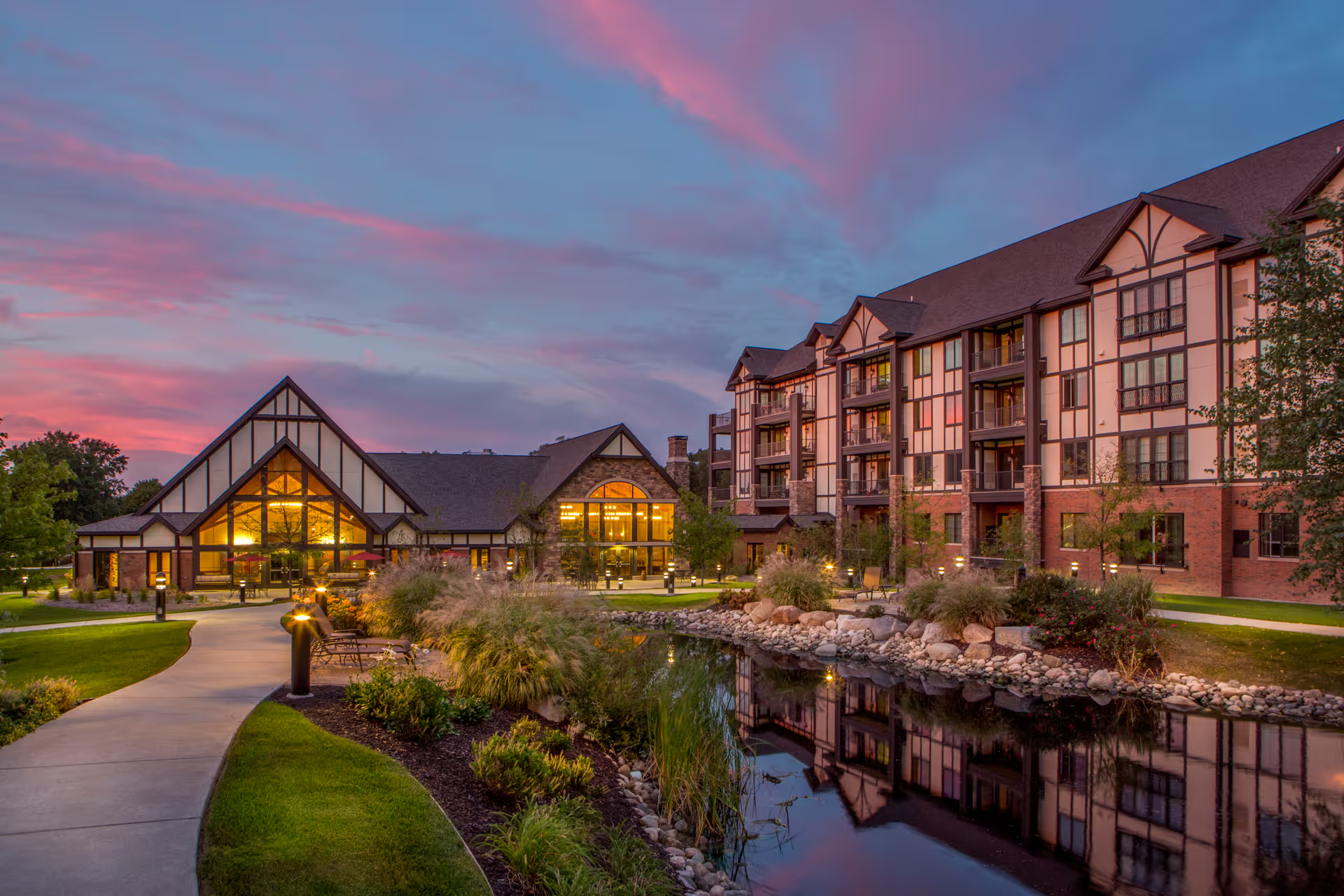
Railside Assisted Living Center elicits a mix of strong praise and notable operational concerns. Many families and residents describe a warm, community-oriented atmosphere supported by compassionate, individualized caregiving. Direct-care staff are frequently characterized as attentive, friendly, and invested in residents’ comfort; long-tenured employees and a family-owned governance model contribute to a sense of continuity. The physical plant is often described as attractive and well maintained: single-floor circulation, wide hallways, spacious rooms with bay windows, pleasant grounds, and a secure memory-care unit. Partnerships with visiting primary-care and hospice providers, an open visitor policy, and active social programming are additional strengths highlighted by reviewers.
Care quality reviews are mixed. Positive accounts emphasize personalized attention, proactive staff who learn residents’ preferences, and responsive hands-on assistance. However, a subset of reviews raises concerns about clinical oversight: medication-administration errors or inconsistent adherence to medical orders, limited on-site nursing or physician availability at times, and occasions when lab or doctor-communication follow-up was insufficient. These issues suggest variability in clinical-process reliability rather than uniform practice.
Staffing and operations present a clear pattern in the feedback. While many describe dedicated, hardworking teams and supportive leadership, others describe understaffing—particularly on second shift—and gaps in staff training or conduct standards. Consequences cited include delays in routine assistance, inconsistent response times, and questions about safe transfer or lifting practices. The contrast between accounts praising staff teamwork and those describing unskilled or overworked workers indicates variability in staffing levels, training, and supervisory consistency.
Dining and activities are frequently noted as positive contributors to residents’ quality of life. Reviewers praise home-style meals, baked goods, and an active calendar of social events, outings, and community gatherings. At the same time, there are recurring comments about inconsistent meal quality and continuity—examples include limited evening meal options or uneven preparation—pointing to operational gaps in kitchen service during off-peak periods.
Facility maintenance is generally seen as a strength, but sanitation and pest-control concerns appear in multiple accounts. These comments suggest localized issues that may not reflect the entire community but are important to verify during a visit. Several reviewers also raised concerns about billing practices and pricing transparency; combined with a few serious claims (including allegations of financial misconduct), this suggests prospective residents should review contracts and billing procedures carefully.
Management perceptions vary widely: some families praise responsive, resident-centered leadership and strong community culture, while others describe inconsistent policies, restrictive decisions regarding family involvement or personal belongings, and aggressive enforcement actions. This polarization points to variable resident-family experiences depending on staff and leadership interactions.
Recommendations for prospective families: tour the community during multiple times of day, ask about staffing ratios by shift and RN/physician availability, review medication-administration and incident-communication protocols, inquire about pest-control and sanitation programs, request written pricing and service-inclusion details, and clarify family access and personal-property policies. Doing so will help determine whether Railside’s many strengths align with a particular resident’s clinical needs and family expectations.