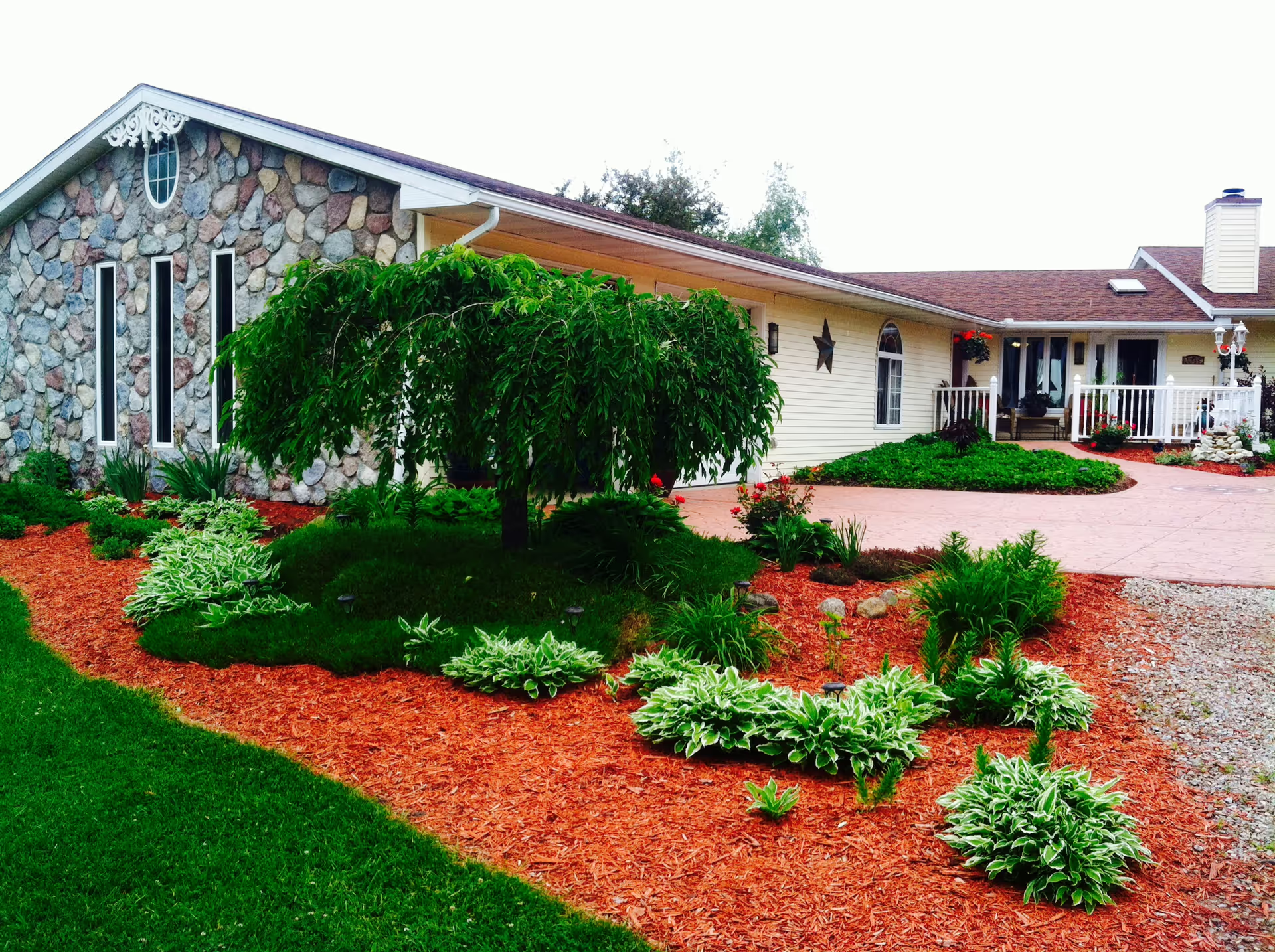
Hope Landing presents as a small, family-oriented residential care setting that emphasizes a home-like atmosphere and personalized attention. The facility’s limited census (about 20 residents) and visible owner/executive-director involvement create a sense of close supervision and rapid onboarding, which several families described as helpful during transitions. Cleanliness and a well-maintained interior are recurring strengths: common areas and private apartments are frequently described as attractive, freshly updated, and meticulously kept.
Clinical and hands-on care is consistently characterized as compassionate and responsive. Reviewers highlight staff availability, teamwork, and a family-style approach to resident support; staff are described as attentive to questions and willing to prioritize resident needs. End-of-life and higher-acuity situations were noted as being handled with a high level of care and communication in many accounts. At the same time, reviewers indicate variability in interpersonal tone from staff and management in isolated instances, particularly related to kitchen or managerial interactions — an operational area that may benefit from consistency training or clearer customer-service expectations.
Dining and activities are prominent positive features. Meals are described as homemade, balanced, and nutritious, prepared on-site rather than delivered from an outside source. The activities program appears broad and frequent, with offerings such as chair exercise classes, bingo/bunco, music, crafts, games, movies, coffee/social gatherings, and family events. These programs contribute to social engagement and reported improvements in mood and wellbeing for residents.
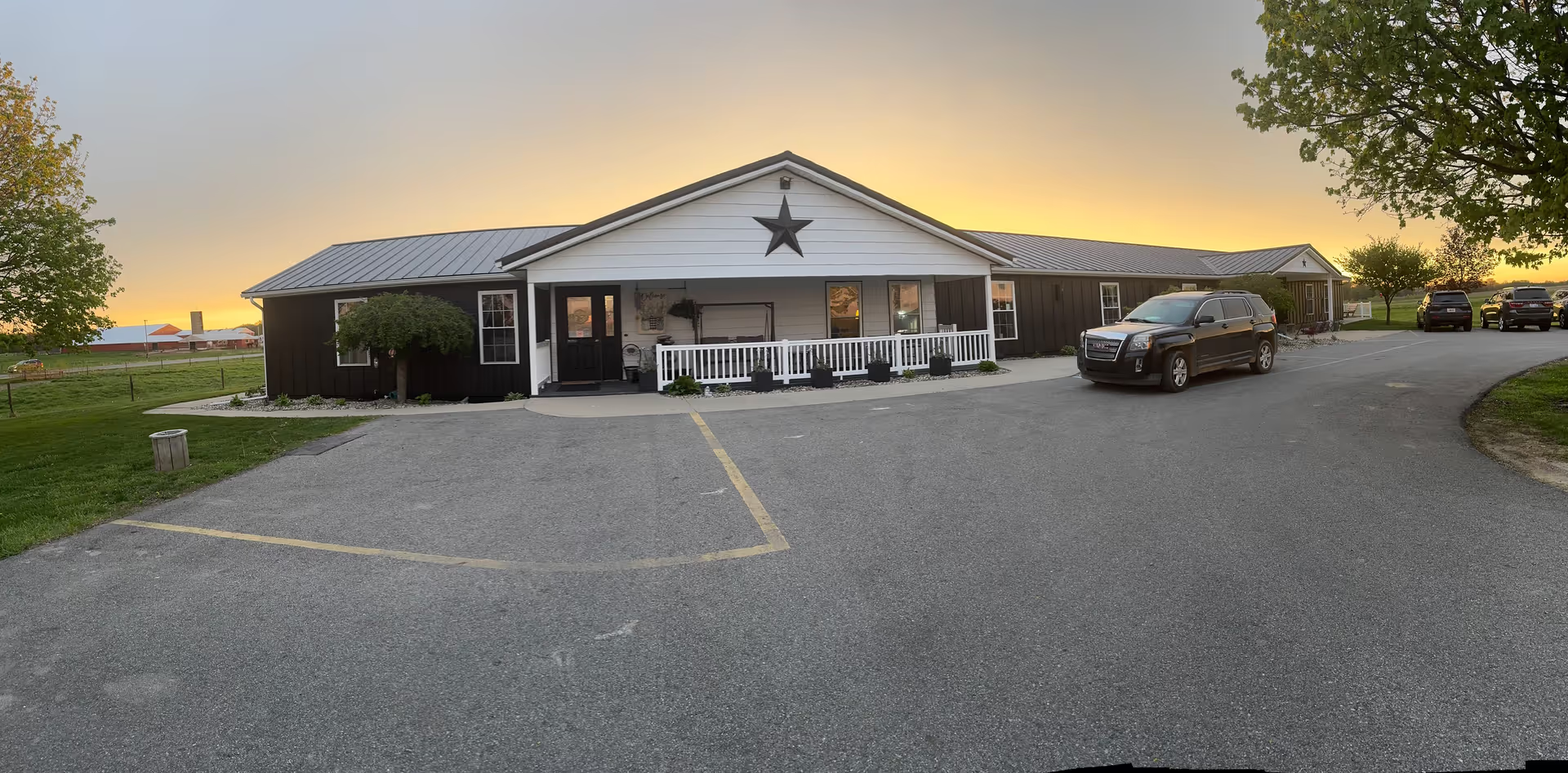
Physical plant features support the facility’s home-like image: private rooms with en-suite bathrooms, a beauty shop, a whirlpool tub, front-porch seating, an enclosed courtyard, and a screened-in room. Common areas are often noted as bright, open, and airy, though a few families reported that some resident rooms are smaller or receive limited natural light. Prospective residents who prioritize room size or maximum daylight may wish to tour individual units.
Operationally, Hope Landing projects strong strengths in cleanliness, personalized care, and active programming, with hands-on management and efficient admission/onboarding. The most consistent operational caveats are the facility’s restrictive visitation and entry protocols, which some families described as strict; variability in staff communication style that occasionally affects family interactions; and differences in room size or brightness across units. These are practical considerations rather than pervasive clinical-quality problems, but they are worth discussing with administration during a tour or intake conversation to confirm policies and room assignments.