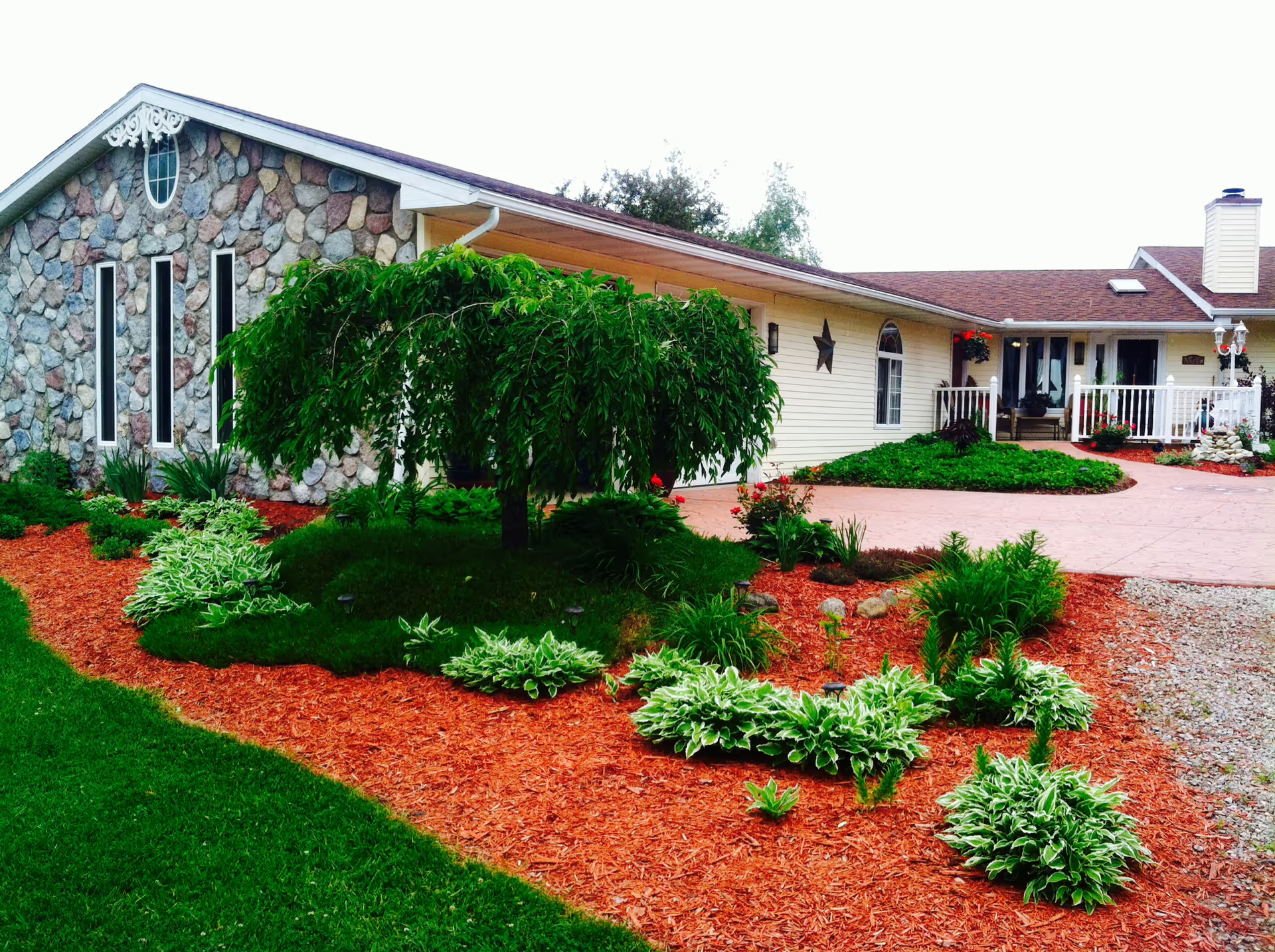
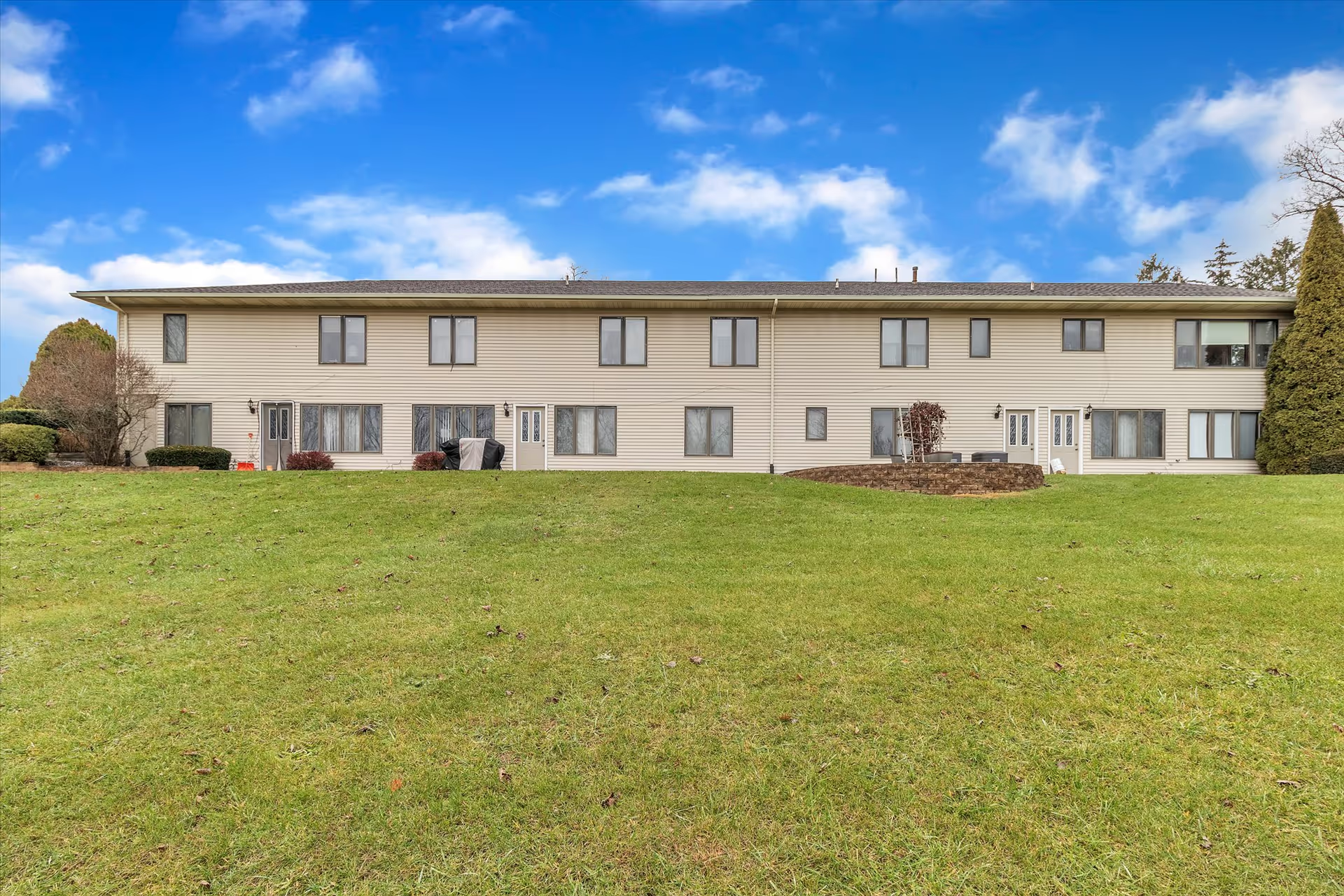
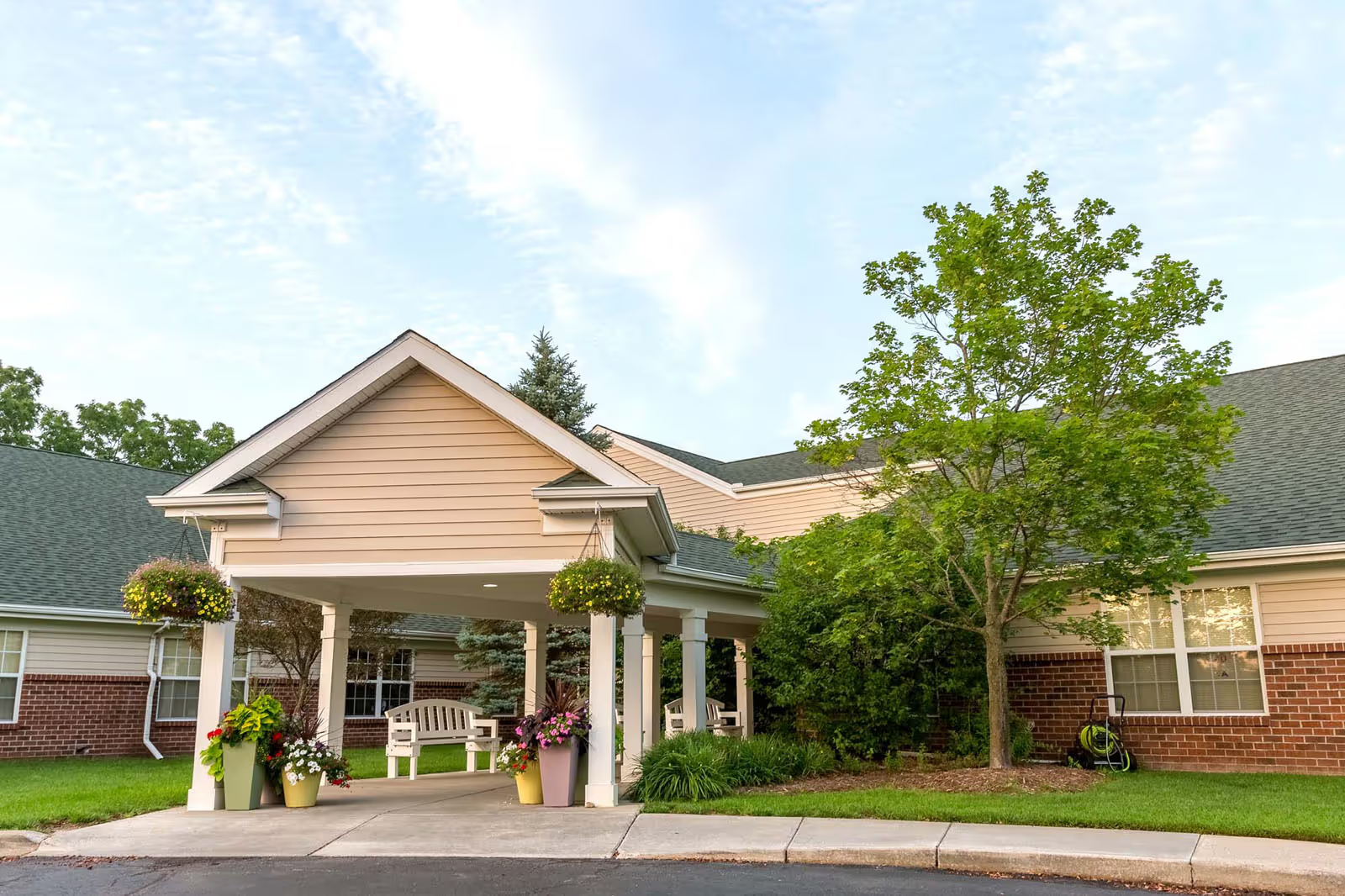
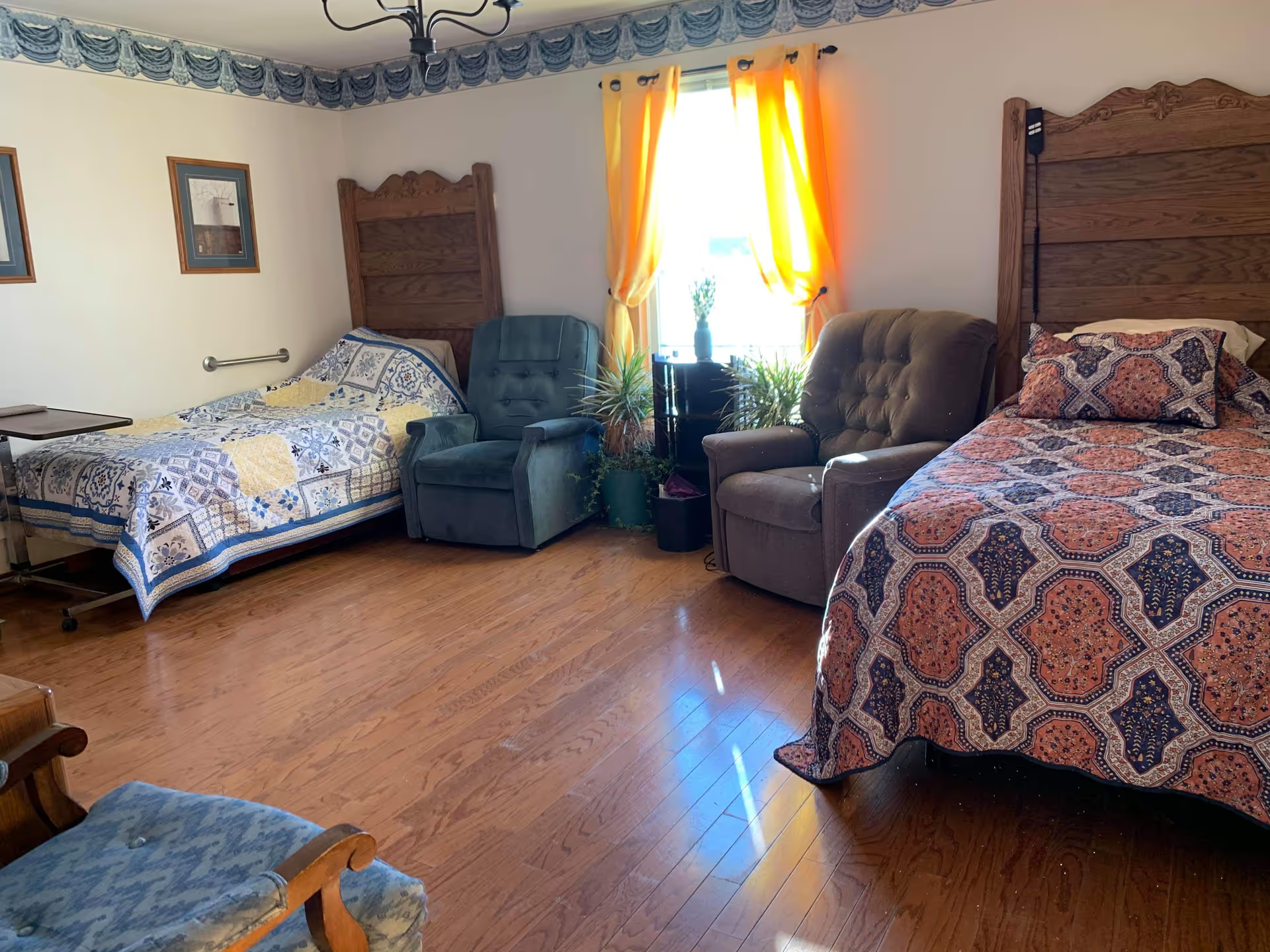
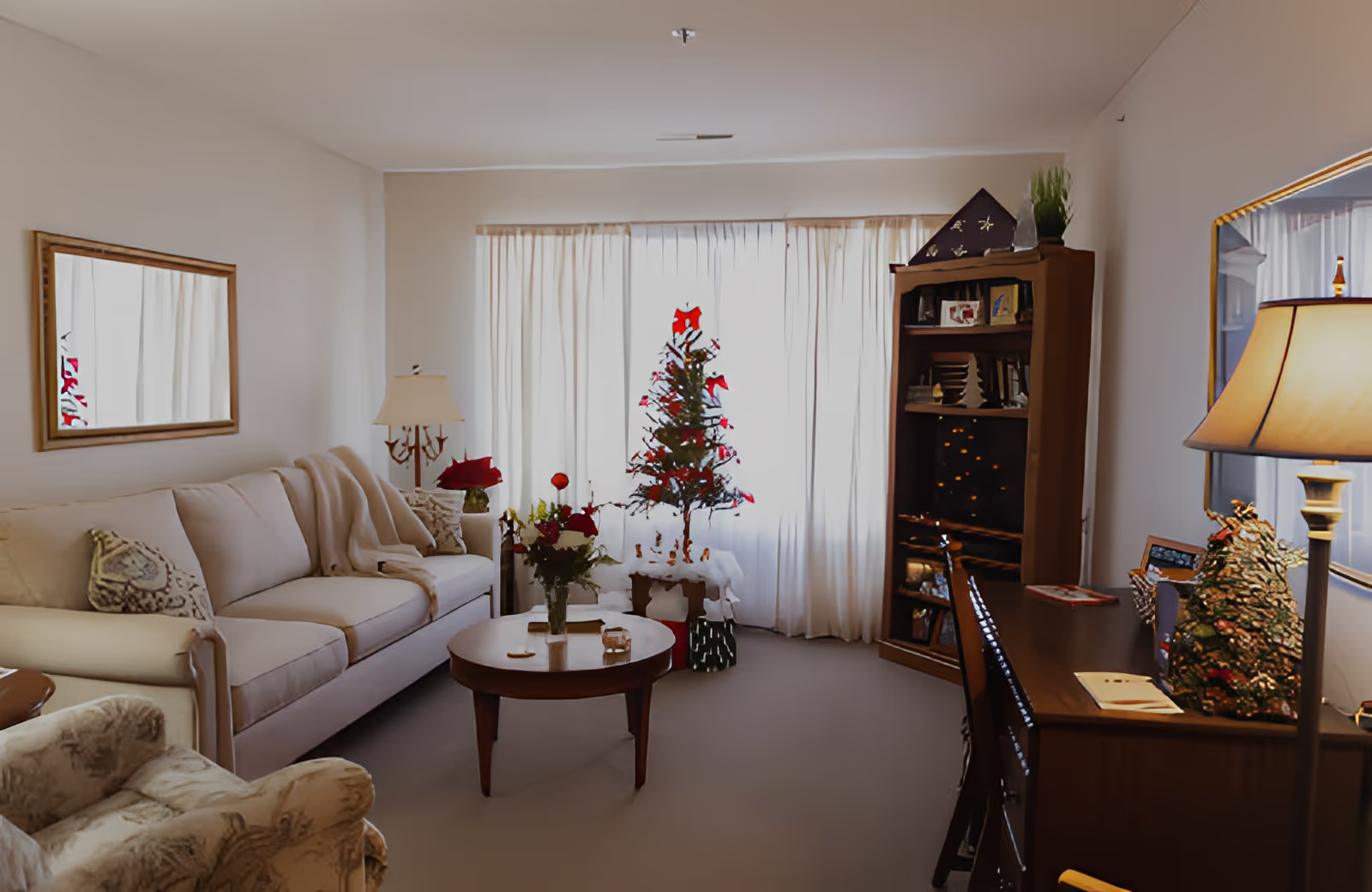
Sensations Memory Care Residence receives widespread positive feedback for its compassionate, family‑style culture and the breadth of on‑site services. Reviewers consistently describe staff who provide warm, personalized interactions; a home‑like, small‑scale environment; and plentiful programming (music, pet therapy, games, fitness and memory activities) that keeps residents engaged. The facility’s neighborhood‑style layout, gardens and patios, and tidy common areas are cited as supportive to orientation and socialization. Many families highlight convenient clinical access—visiting physicians, physical and occupational therapy, and on‑site lab/pharmacy coordination—which contributes to continuity of care and successful short‑term rehab outcomes for some residents.
Dining and daily‑living supports are frequently praised: reviewers note home‑cooked meals, laundry and grooming services, weekly haircare, and staff assistance with dressing and mobility. The admissions and placement process is often described as helpful and well organized, and communication with families (photos, updates, window visits during COVID) is commonly seen as a strength. The facility’s cleanliness and odor‑free environment are repeatedly emphasized, and many accounts credit staff with creating a reassuring, safe atmosphere for memory‑support residents.
That said, a limited but consequential set of concerns appears in the feedback. Several reviews describe serious clinical incidents—diagnostic or medication errors, severe glycemic dysregulation, falls with injury—and these accounts point to broader operational weaknesses: inconsistent staff attentiveness, uneven personal‑hygiene oversight, and gaps in medication and chronic‑disease management. Relatedly, a number of families raised issues with documentation and charting practices and with management responsiveness when concerns are elevated. These reports suggest potential variability in care quality and incident response that prospective families should evaluate directly.
Operationally, reviewers also mention some amenity and comfort limitations (older building features, restricted in‑room amenities, and occasional temperature‑control complaints) and occasional limits in menu variety. While these are largely peripheral compared with clinical and staffing concerns, they may affect resident comfort and should be clarified during a tour.
Overall, Sensations demonstrates many strengths typical of a smaller, specialized memory‑care community—compassionate staff, active programming, strong cleanliness and on‑site clinical resources—but prospective residents and families should seek specific reassurances about medication management, incident‑response protocols, documentation practices, and staffing consistency during intake and touring. Asking for current staffing ratios, recent clinical‑incident logs or corrective‑action summaries, and examples of communication workflows can help families gauge how the facility addresses the types of concerns surfaced in a minority of reviews.