Overall impression: The dominant theme across feedback is strong, resident-centered staffing paired with a bright, new facility. Families and residents routinely highlight warm, caring employees, hands-on leadership, and a team-oriented culture that supports transitions, end-of-life care, and daily wellbeing. Many accounts describe measurable improvements in quality of life after move-in, including increased social engagement, improved mood, and timely clinical coordination.
Care and staff: Care quality is generally described as attentive and compassionate. Staff members at all levels — aides, dining servers, housekeeping, front-desk personnel, and administrators — are frequently characterized as friendly, responsive, and proactive. Reviewers emphasize routine safety checks, medication management, coordination of therapies, and supportive end-of-life care. At the same time, recurring operational weaknesses include periods of staffing turnover and intermittent shortages, plus isolated concerns about supervisor conduct or communication tone; these contribute to occasional variability in responsiveness.
Dining: Dining is a visible strength for many residents: restaurant-style service, chef-prepared options, buffet and bistro offerings, and special meals (weekly brunches, themed lunches) are cited positively. However, persistent criticisms concern inconsistent meal temperature and occasional quality variability. Prospective residents should ask for recent sample menus, observe a meal service, and confirm portion/customization policies when diet or meal timing is important.
Activities and social life: The community offers a broad, active calendar: daily exercise, crafts, Bingo, Bridge, live music, outings and bus trips, wellness sessions, holiday events, and on-site amenities like a salon, library, and art room. These programs are often credited with helping residents build friendships and regain independence. A pattern of uneven participation is noted at times, with some activities sparsely attended; prospective families may want to review the current activity schedule and attendance levels for programs of particular interest.
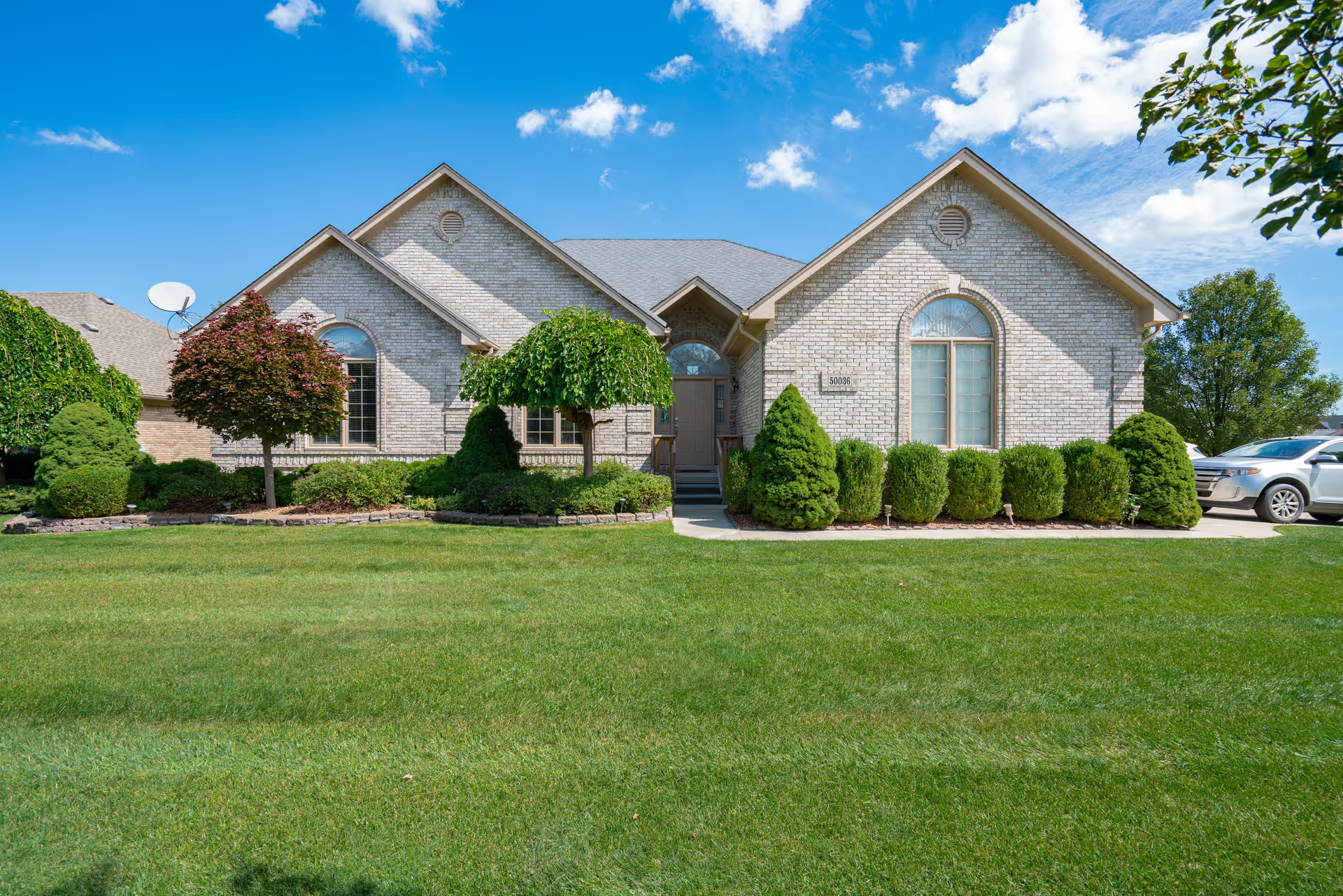
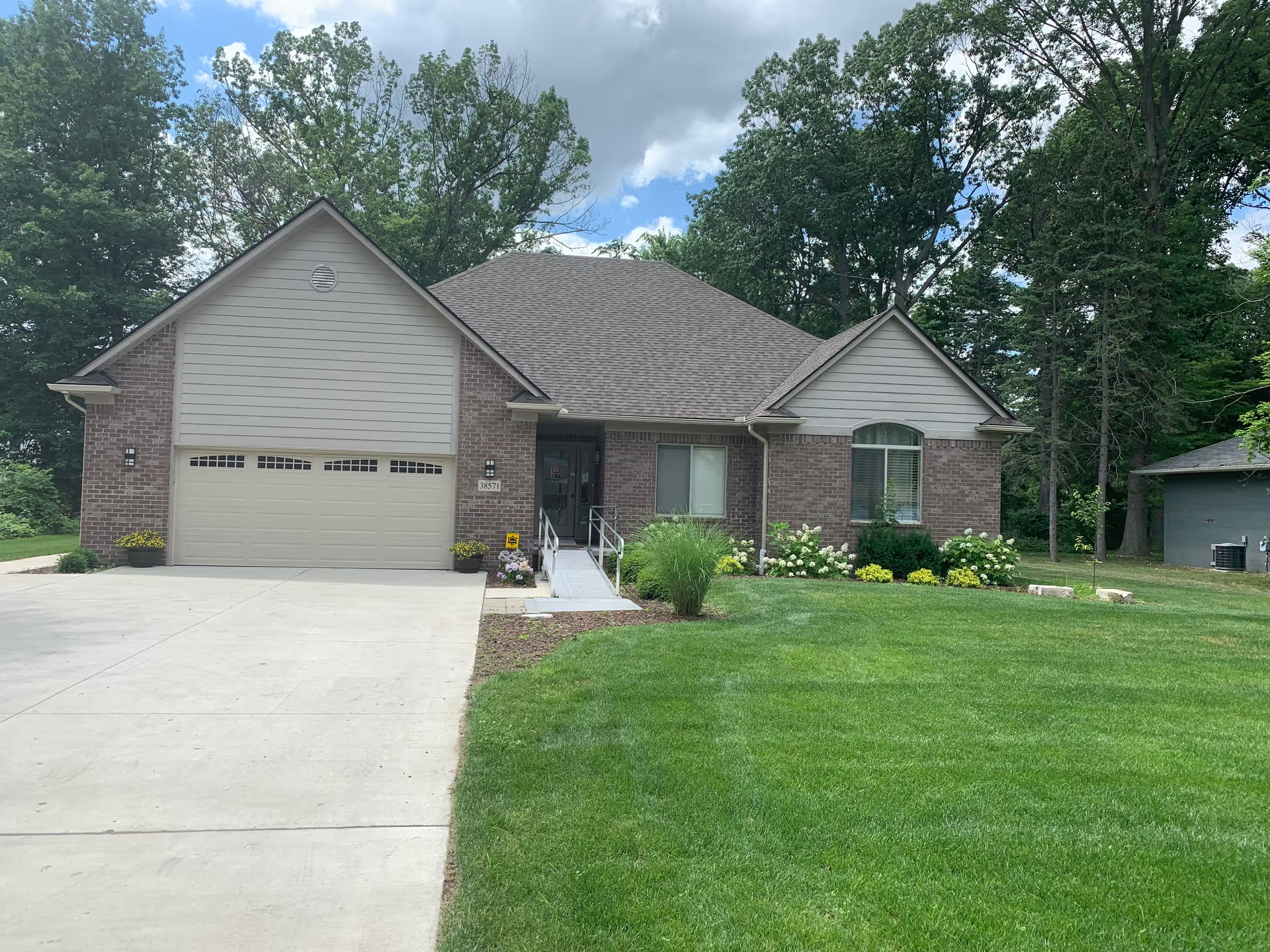
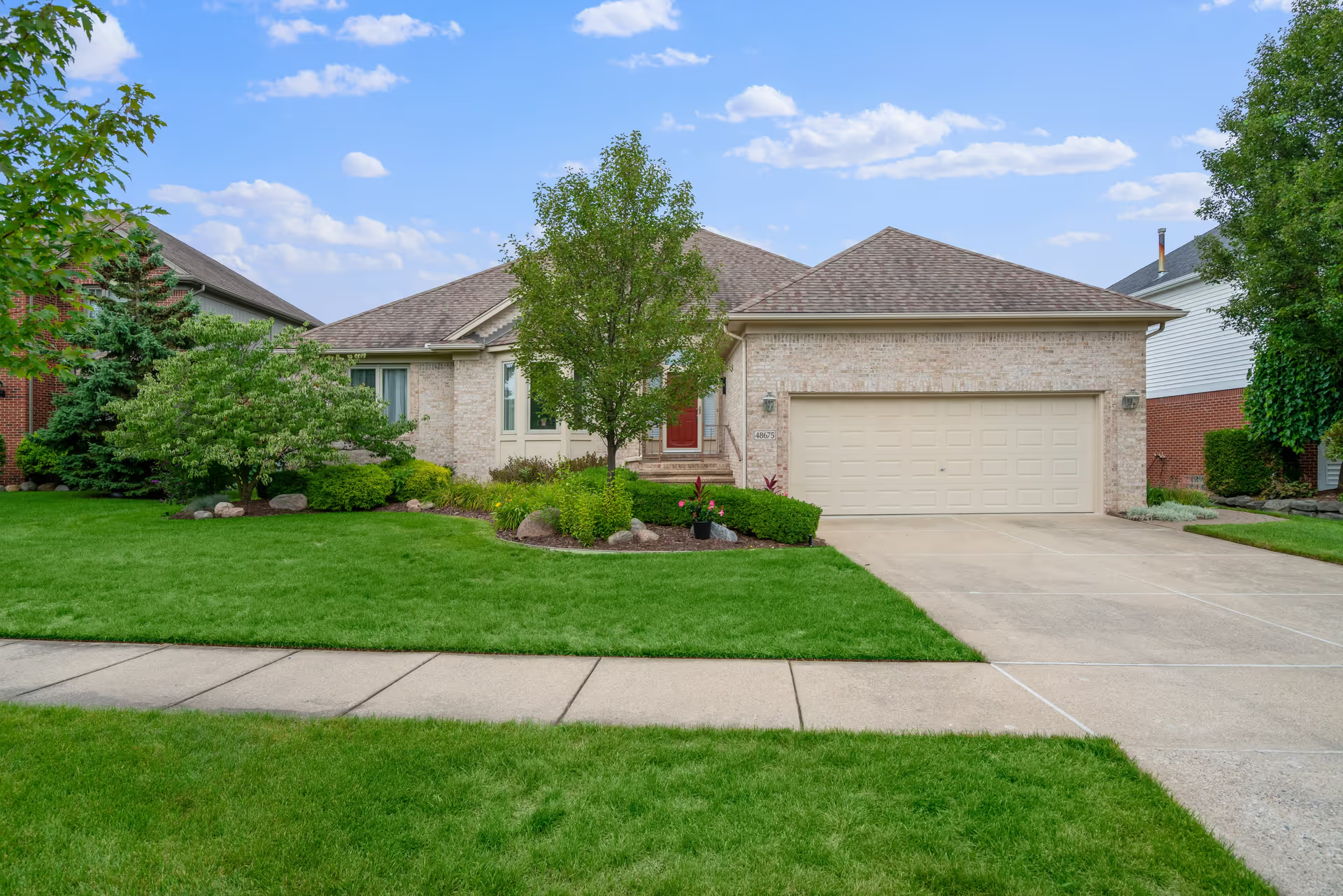
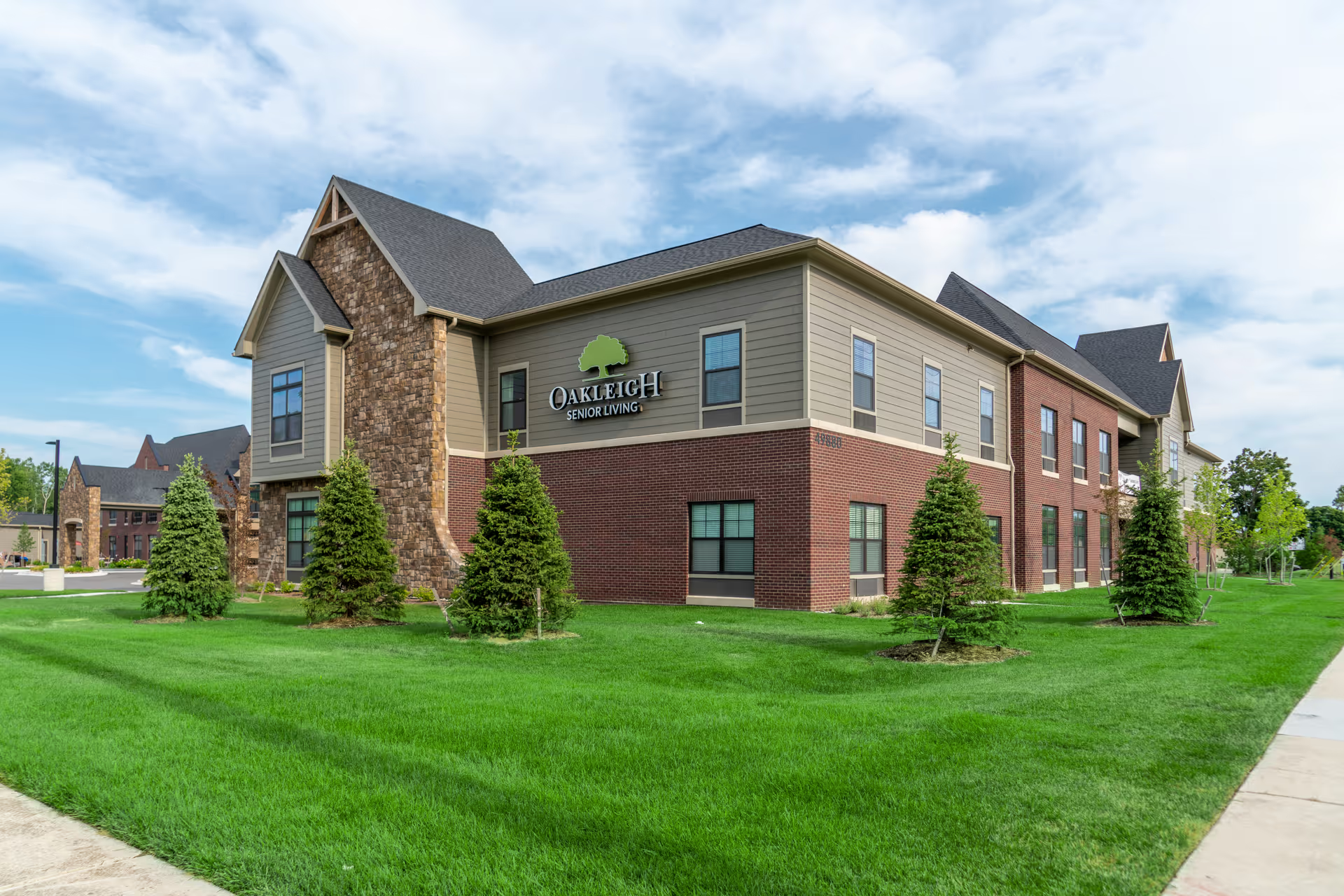
Facilities and services: The building is repeatedly described as clean, modern, and well maintained, with attractive landscaping, accessible layouts, and multiple apartment floor plans (including balconies/patios and in-unit laundry in some units). Housekeeping, weekly bathing oversight, laundry services, maintenance response, and included apartment cleaning are commonly offered and praised. That said, there are occasional inconsistencies in room-cleaning frequency and some odor/cleanliness concerns raised in isolated accounts, indicating variable execution of housekeeping routines.
Management, policies, and value: Leadership presence and hands-on executive directors receive frequent positive mention; families appreciate monthly forums, move-in support, and visible administrative engagement. Conversely, reviewers describe variable experiences with management responsiveness, sales/tour approaches, and contracting or billing issues (billing disputes and contract inflexibility were cited in isolated cases). Price perception varies: many consider the offering good value given staff and amenities, while others characterize cost as high relative to individual experiences. Staffing turnover (including leadership changes) has been linked to shifts in day-to-day consistency.
Important patterns for prospective families: Strengths centering on staff empathy, robust programming, and attractive physical spaces are clear and consistent. Areas to probe during a visit include current staffing ratios and turnover rates, recent kitchen and meal-service processes (including hot-holding/temperature controls), housekeeping schedules, examples of how management resolves family concerns, and specific billing/contract terms. Request to observe a meal, attend an activity, and meet care supervisors to assess fit with a prospective resident's priorities.