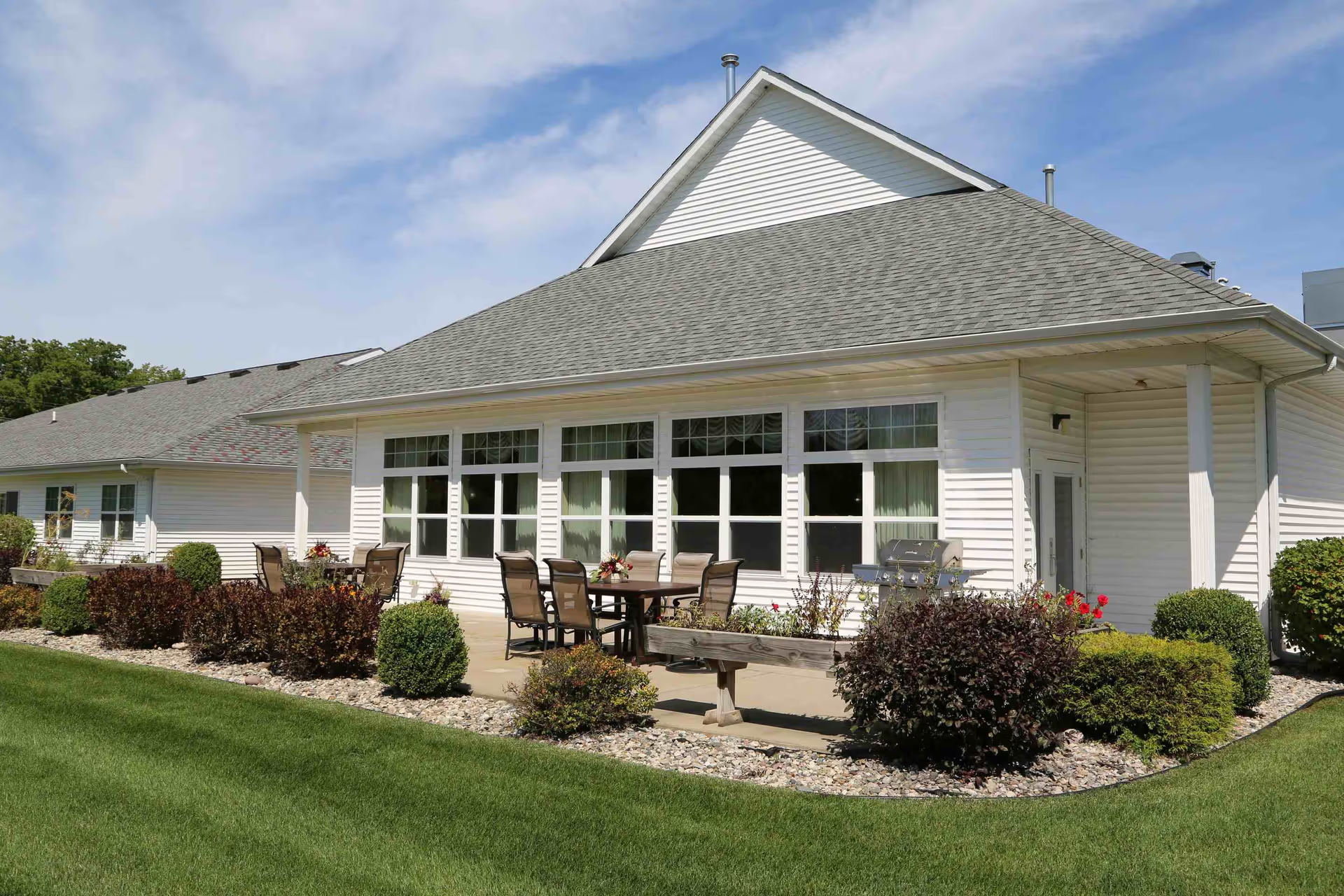
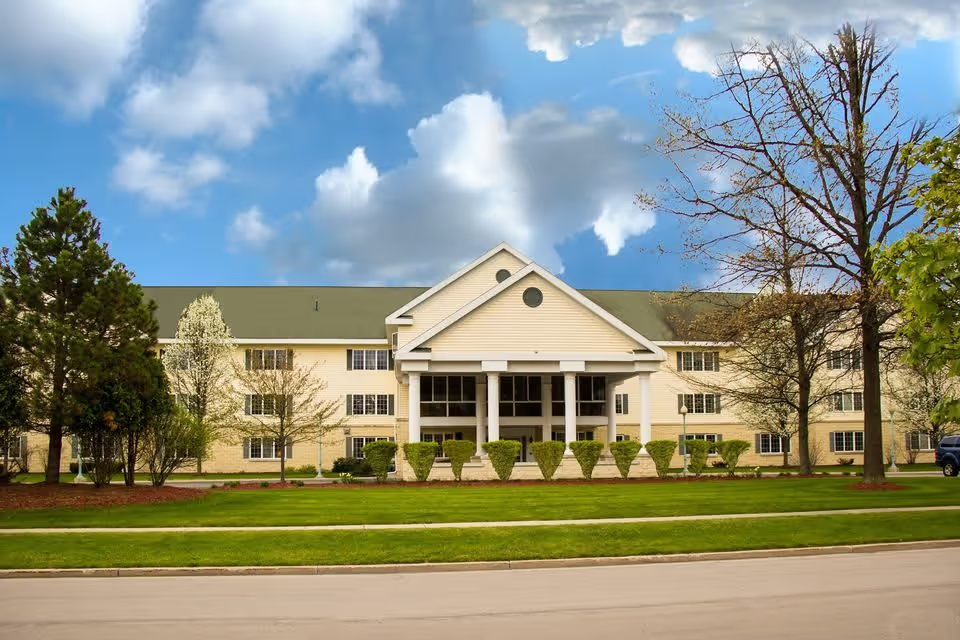
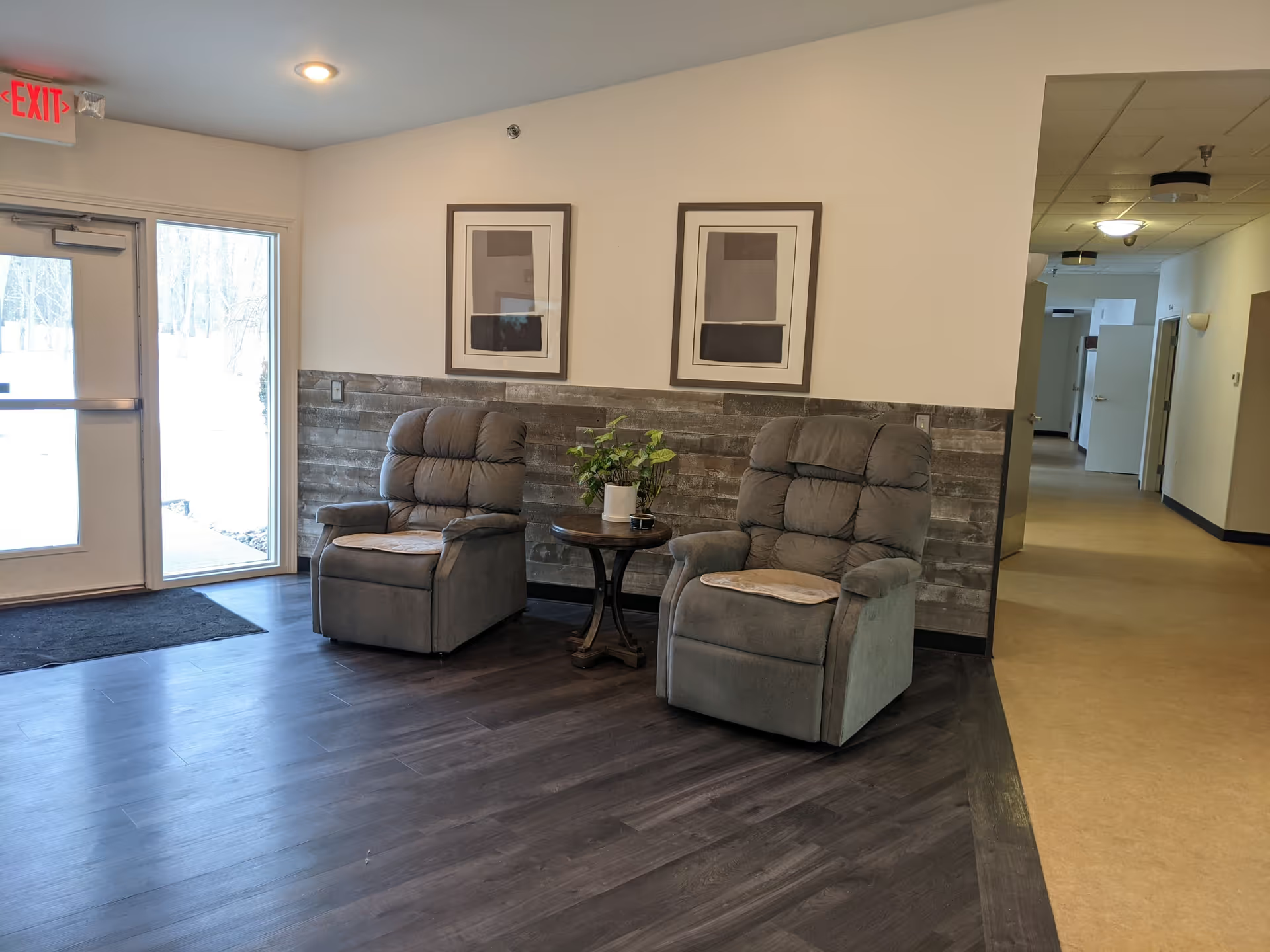
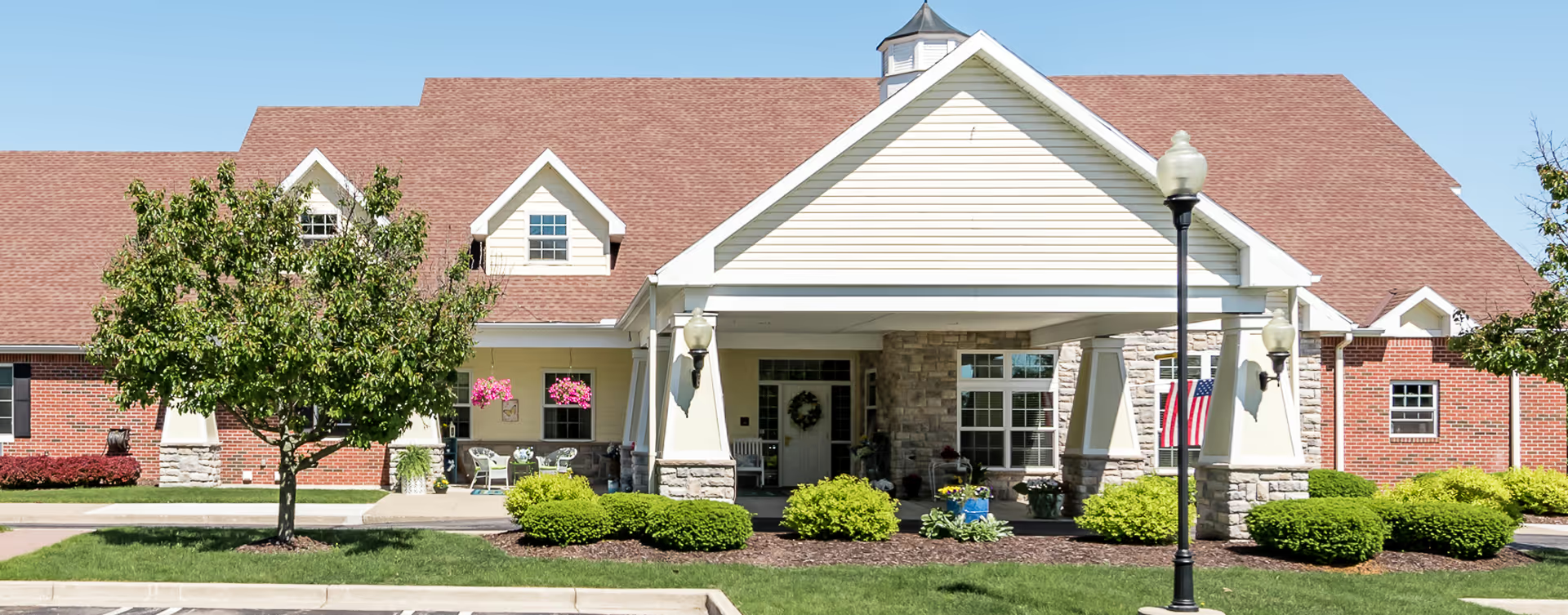
Medilodge of Clare elicits strongly mixed feedback reflecting a facility with notable operational strengths alongside recurring process and communication weaknesses. Many reviewers described compassionate caregiving, strong therapy services, and an active engagement program that contributes to socialization and rehabilitation goals. The building and grounds receive frequent praise for cleanliness and pleasant outdoor views, and families commonly cite a welcoming front desk, supportive discharge planning, and effective hospice coordination when applicable.
Clinical care experiences vary. Positive accounts highlight attentive nursing and CNA teams, capable therapists, and staff who provide dignity and individualized attention during daytime hours. Conversely, several families described inconsistent communication about care plans, medication changes, and critical events; these instances point to systemic gaps in documentation, handoffs, and family notifications that can undermine confidence in care continuity. Staffing variability — particularly on night shifts — and uneven staff training appear to contribute to delays in bedside response, missed toileting schedules, and inconsistent re-checks of interventions.
Dining and activities are generally viewed as strengths, with multiple mentions of accommodating dietary needs, pleasant meals relative to hospital food, and an engaging activities calendar. However, dining service consistency and meal temperature have been cited as areas needing improvement. The activities team is often singled out as helpful and engaged, which supports resident morale and social connection.
Facility maintenance and management present mixed signals. While many reviewers praised a clean, orderly environment, others raised concerns about dated equipment, ad hoc cooling solutions, and pest-control issues that suggest maintenance deficits in specific areas. Administrative responsiveness is uneven: front-desk staff receive frequent commendation, but several families reported slow phone response times, delayed transfers, and limited follow-through after incidents. There are also recurring mentions of documentation errors and patient-identification mistakes that warrant attention.
For prospective residents and families, the facility’s strengths—compassionate daytime staff, strong rehabilitative therapy, and an active programming environment—are clear. At the same time, evaluate operational reliability: inquire about night staffing levels, documentation and handoff procedures, emergency transfer protocols, maintenance plans for cooling and pest control, and how the facility communicates with families after clinical events. These targeted questions can help determine whether the facility’s positive aspects align with a particular resident’s clinical and safety needs.