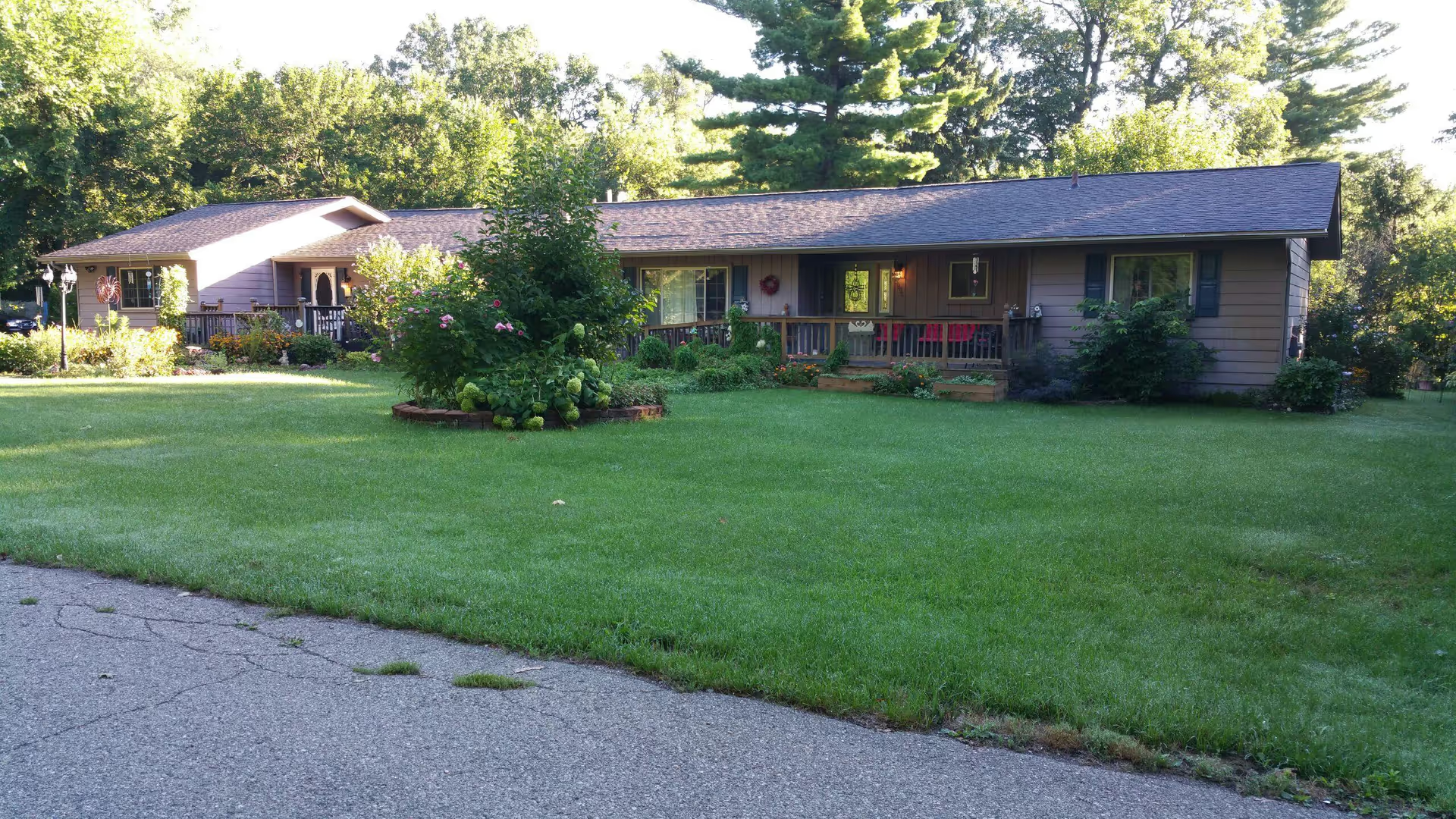
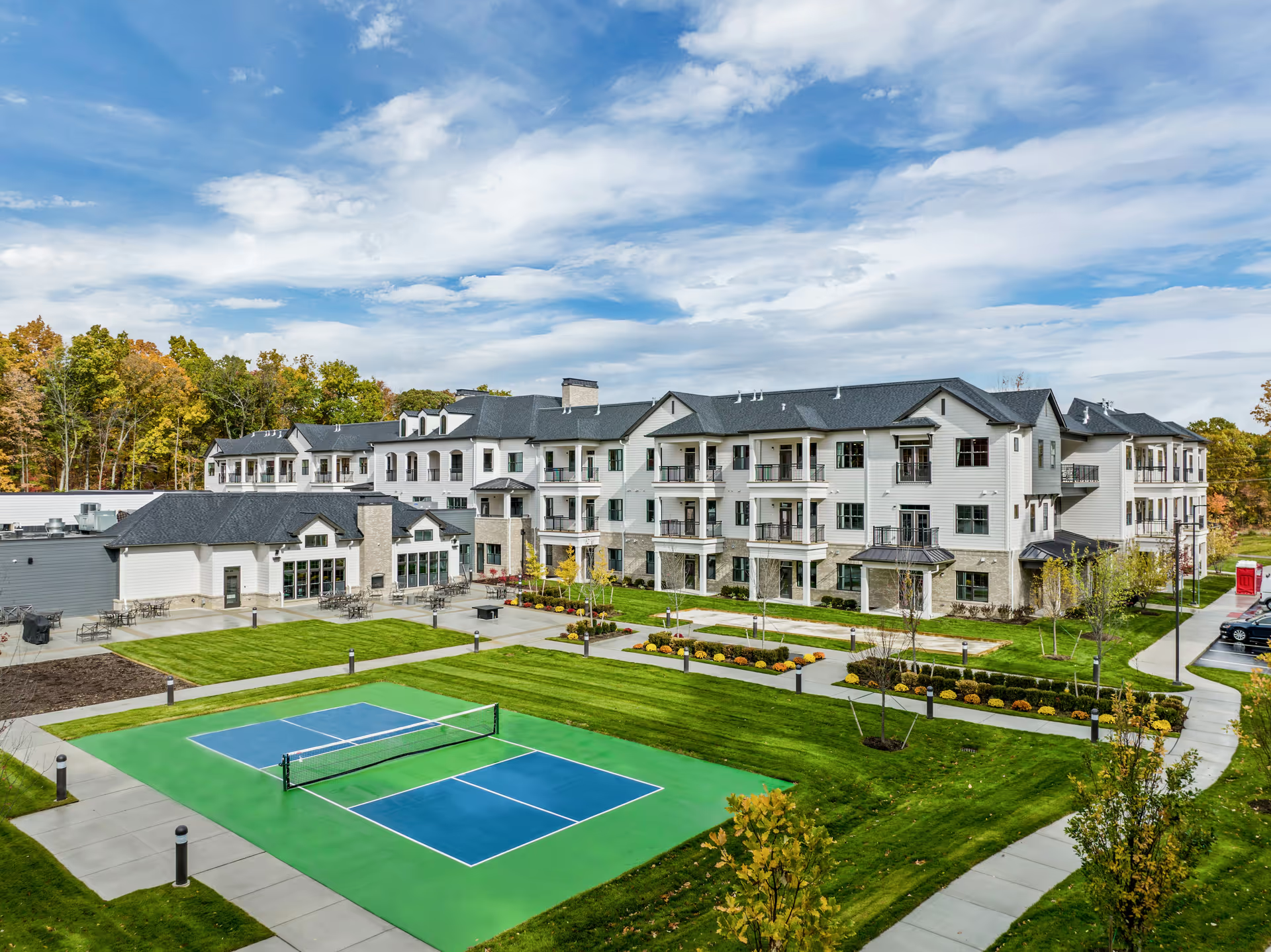
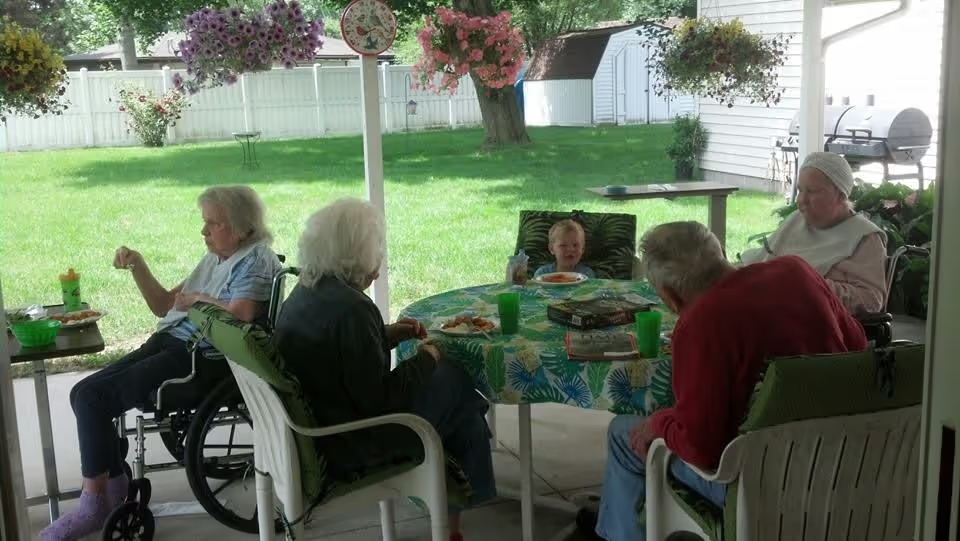
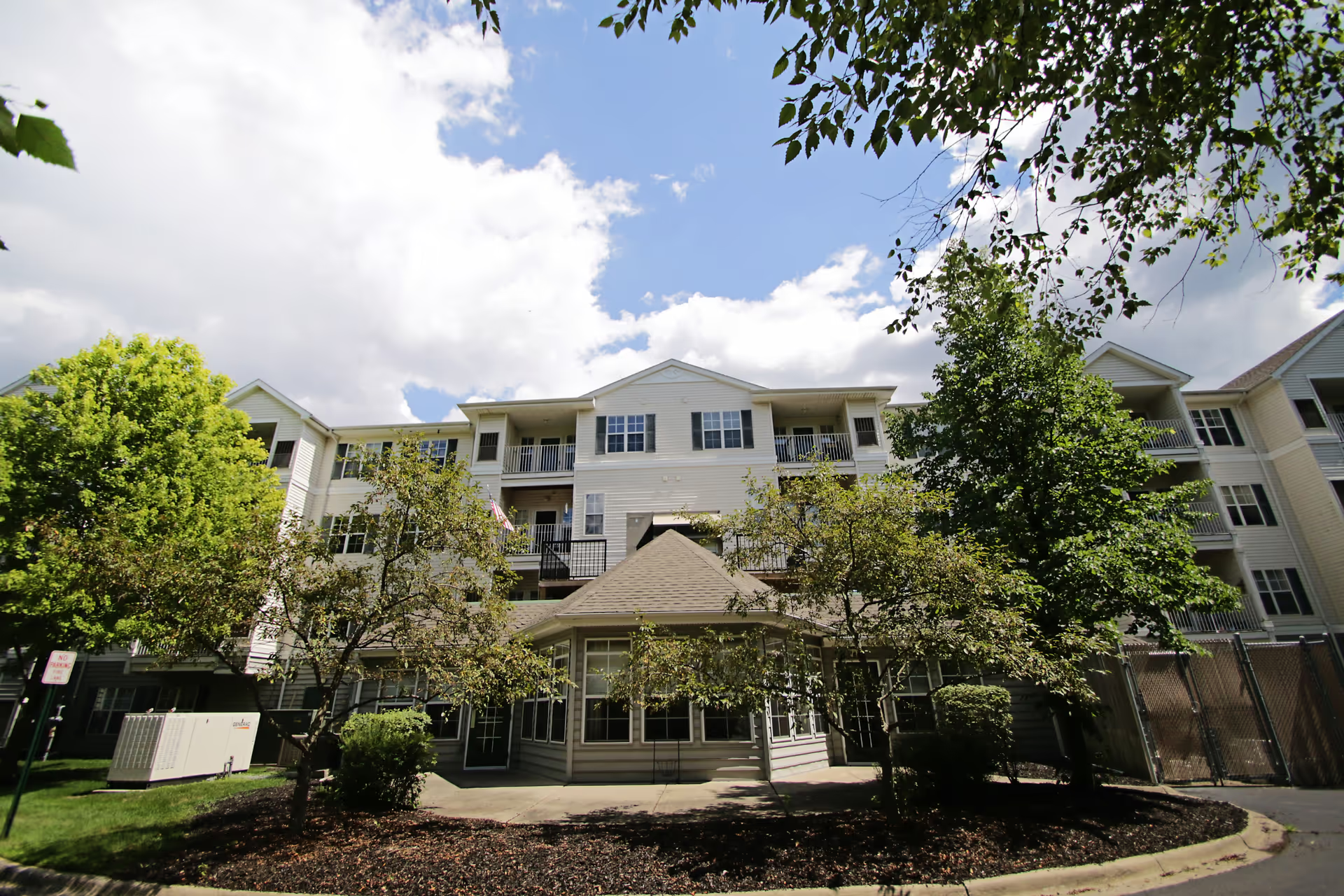
Addington Place of Clarkston elicits strongly mixed but consistent thematic impressions. Many families and residents describe warm, compassionate caregiving, a robust activity program, and a generally well‑kept, home‑like environment. Reviewers frequently praise individual staff members, long‑tenured employees, and a strong activities coordinator who organizes music, outings, crafts, and regular entertainment. Dining is often cited as a strength: reviewers note fresh meals, multiple dinner choices, family dining options, and a new chef in some accounts. The facility’s layout, courtyard and outdoor spaces, and opportunities for private rooms with small kitchen conveniences contribute to a welcoming atmosphere for many residents.
At the same time, a pattern of operational weaknesses recurs across the reviews. Staffing instability and high turnover are common themes; reviewers cite temporary workers, understaffed shifts (particularly weekends and nights), and variability in staff experience. This instability is correlated in several accounts with measurable service gaps: delays in responding to call lights and assistance requests, incontinence‑care delays, and inconsistent housekeeping or linen‑change schedules. Several reviews raise concerns about medication management and specific medication‑administration errors, which points to gaps in clinical controls and oversight that prospective families should verify directly with management.
Communication and management practices appear uneven. Some families report timely, transparent communication and responsive leadership, including supportive admission assistance; others describe defensive interactions with management, contract disputes, and billing/fee transparency concerns (including post‑move and post‑death financial terms). Ownership or management transitions were noted; a number of reviewers described improvements under new leadership, while others remained cautious and said results were still evolving. Infection‑control issues also appear intermittently in accounts (including a COVID‑related case), and some reviews describe variability in masking and vaccination discussions.
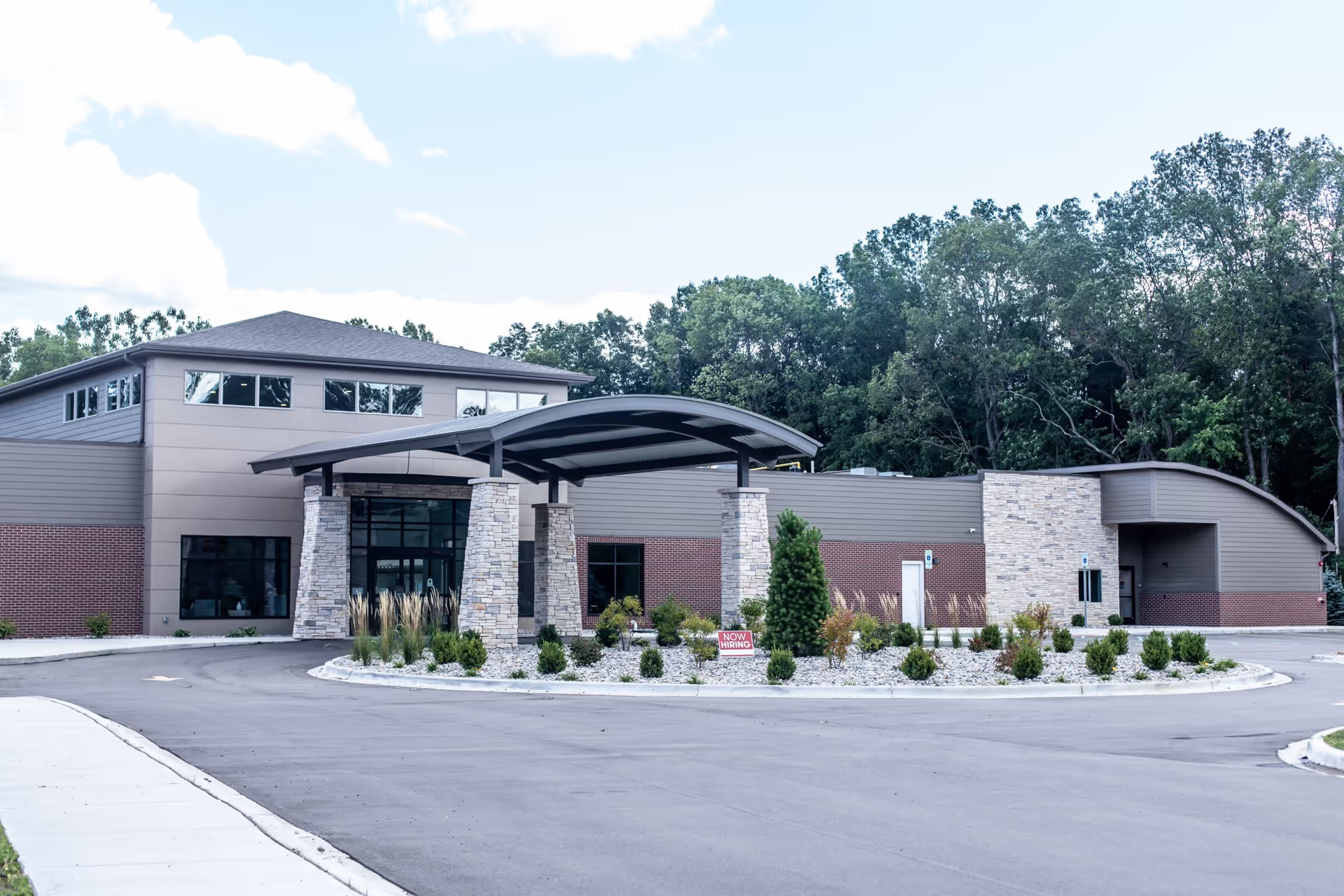
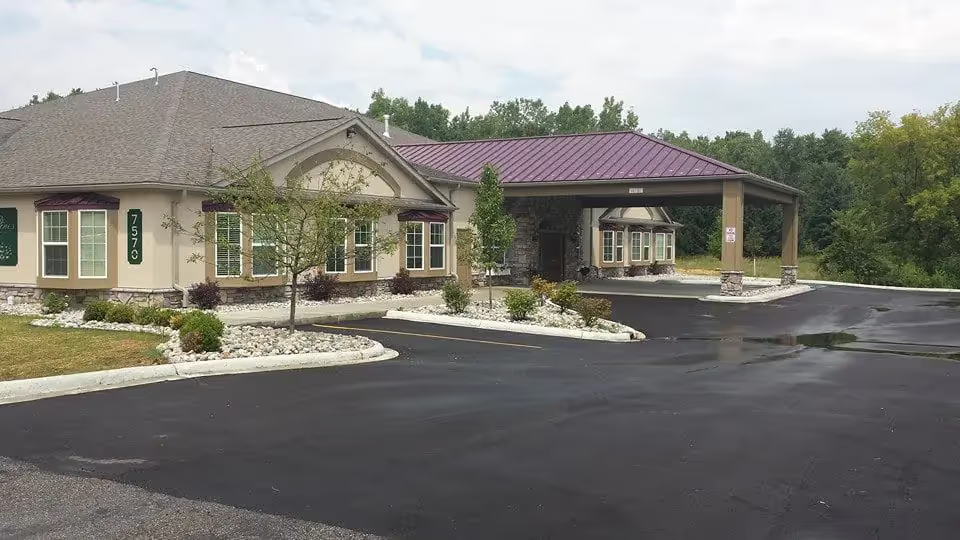
Facilities and programming are generally regarded positively: the building, grounds, and common areas are described as clean and attractive by many, and the activity and therapy offerings (including on‑site physical therapy, hospice coordination, and a therapy dog) are strengths. However, practical matters such as small studio rooms for some layouts, a compact dining room under renovation, and occasional patio maintenance issues were mentioned. Food quality and presentation receive mixed evaluations — frequently praised for taste and variety, but occasionally criticized for repetitive menus, cold delivery, or less appealing presentation on certain shifts.
In summary, Addington Place of Clarkston shows clear strengths in person‑to‑person care, activities, and community environment, balanced against operational weaknesses that affect consistency of care: staffing levels, clinical controls, housekeeping, and management transparency. Prospective residents and family members would be well‑served to tour at different times of day, ask about current staffing ratios and training protocols, review medication‑administration and infection‑control policies, and examine contract and fee terms carefully to ensure the community’s current practices align with their expectations.