Overall impression Most family accounts describe a largely positive experience at Serenity of Commerce. Reviewers consistently highlight a small, home-like setting with a strong emphasis on personal attention. The size and staffing model are frequently presented as advantages: families note attentive caregivers, a favorable staff-to-resident ratio, and management that is visibly engaged with residents.
Care quality and staff Care is described as warm and family-centered, with many comments about compassionate, patient caregivers who provide hands-on support. Several families noted consistent staffing and low turnover, which they associate with continuity of care. The facility's in-house clinical resources — including a nurse practitioner and hospice coordination — are cited as positives for routine oversight and end-of-life support. At the same time, a few accounts describe serious clinical events (hospitalizations, catheter complications, and concerns following a resident's death) that indicate variability in clinical escalation and medical management. These contrasting notes suggest generally strong day-to-day caregiving but potential gaps when complex medical needs arise.
Dining and activities Dining receives repeated praise: meals are described as homemade, healthy, and well-portioned, with residents enjoying the dining experience and options for seconds. Staff involvement in meal preparation and meal-time routines is mentioned as part of the homelike atmosphere. Activity programming includes music and social events that families report as engaging and appropriate for memory-care residents; the smaller resident population appears to support individualized participation.
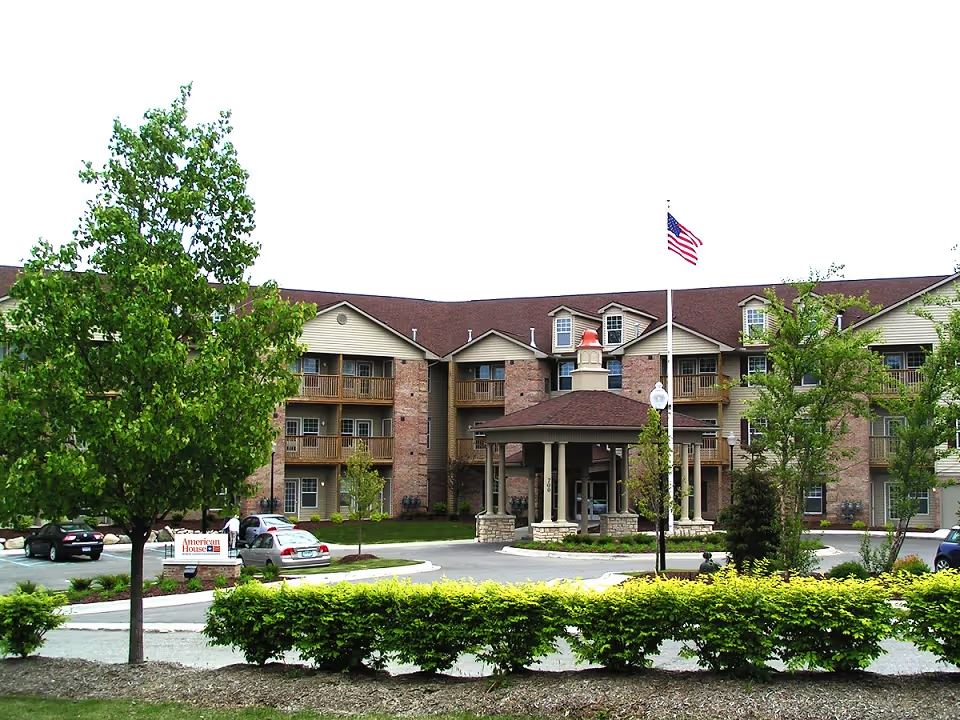
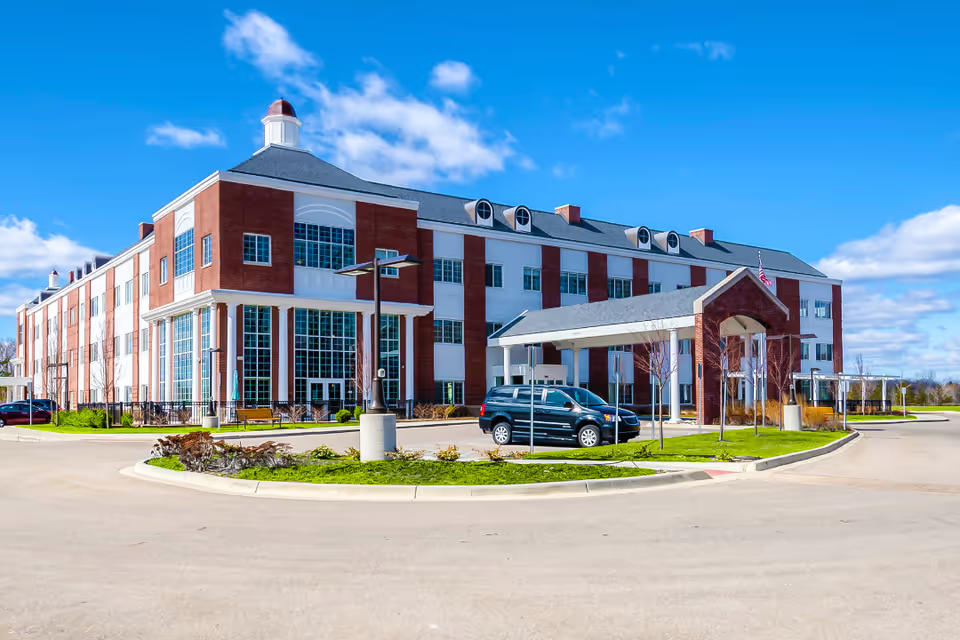
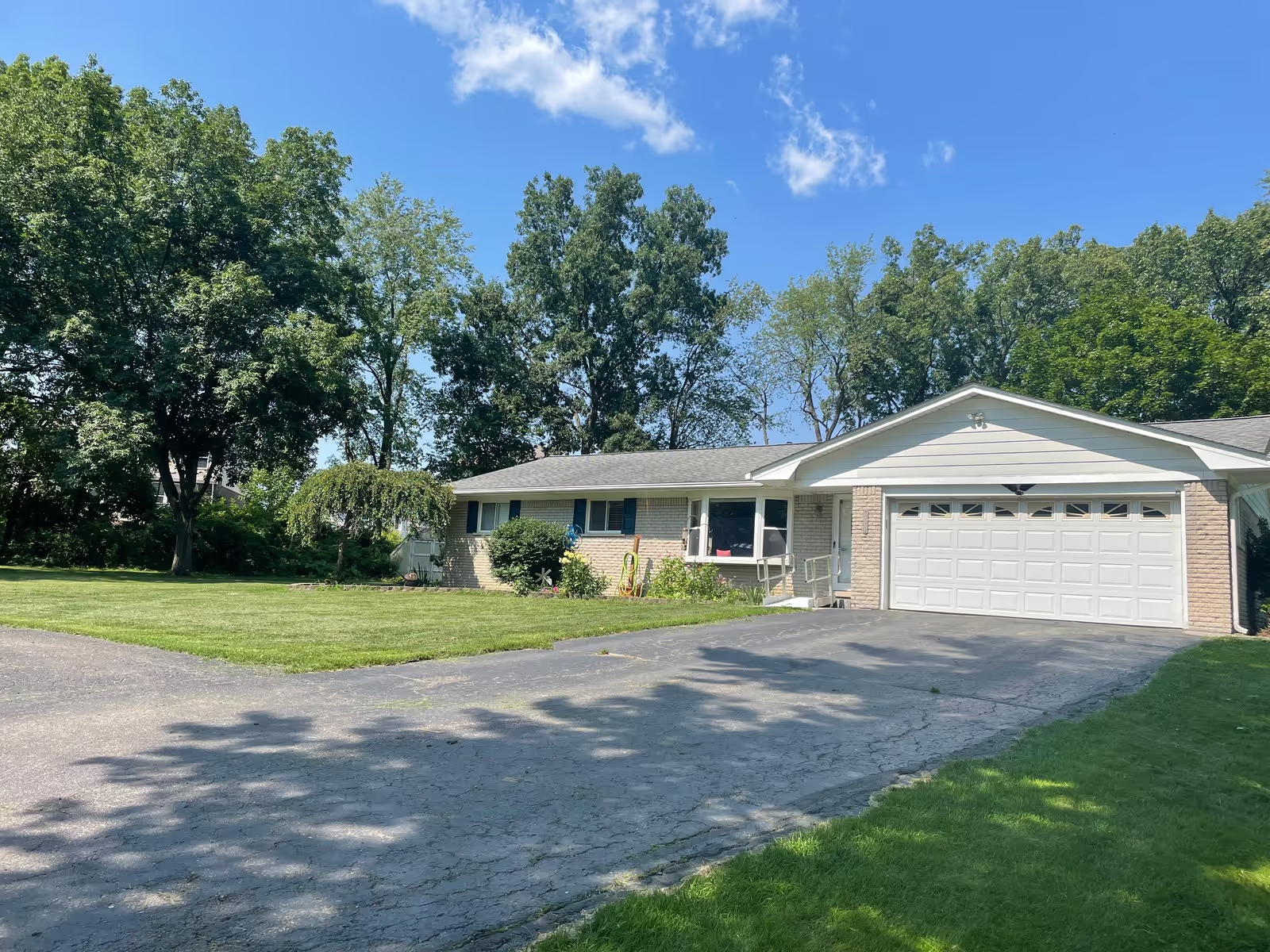
Facilities and management The physical environment is described as clean, bright, and well maintained, with private and semi-private rooms that families have personalized. Outdoor space and garden areas, along with resident cats, are noted as contributing to a comfortable, residential feeling. Owners and managers are frequently identified by name and described as accessible and communicative; families report that management often introduces prospective families to residents and participates in caregiving routines. Published pricing examples ($3,200 for semi-private, $3,500 for private, all inclusive) were provided and some families reported active waitlists or limited openings.
Notable patterns and points for consideration The dominant pattern is overwhelmingly positive: compassionate staff, individualized attention, a clean homelike environment, engaging activities, and supportive ownership. However, a minority of accounts describe significant clinical incidents and end-of-life concerns that point to potential variability in medical oversight, medication or medical-management consistency, and responsiveness to acute clinical changes. These concerns are operational in nature rather than uniformly descriptive of daily life at the facility.
Recommendations for prospective families Prospective residents and families who value a small, family-style memory-care setting will likely find many strengths here. Given the mixed accounts around clinical escalation, families should ask targeted operational questions during tours: how the facility handles acute medical changes and transfers, on-call clinical coverage and protocols, medication-administration checks and documentation, staff training for complex conditions, and hospice coordination. Also confirm current availability and waitlist procedures given the facility's limited capacity. These steps will help match expectations around both the homelike culture and the clinical capabilities of the community.