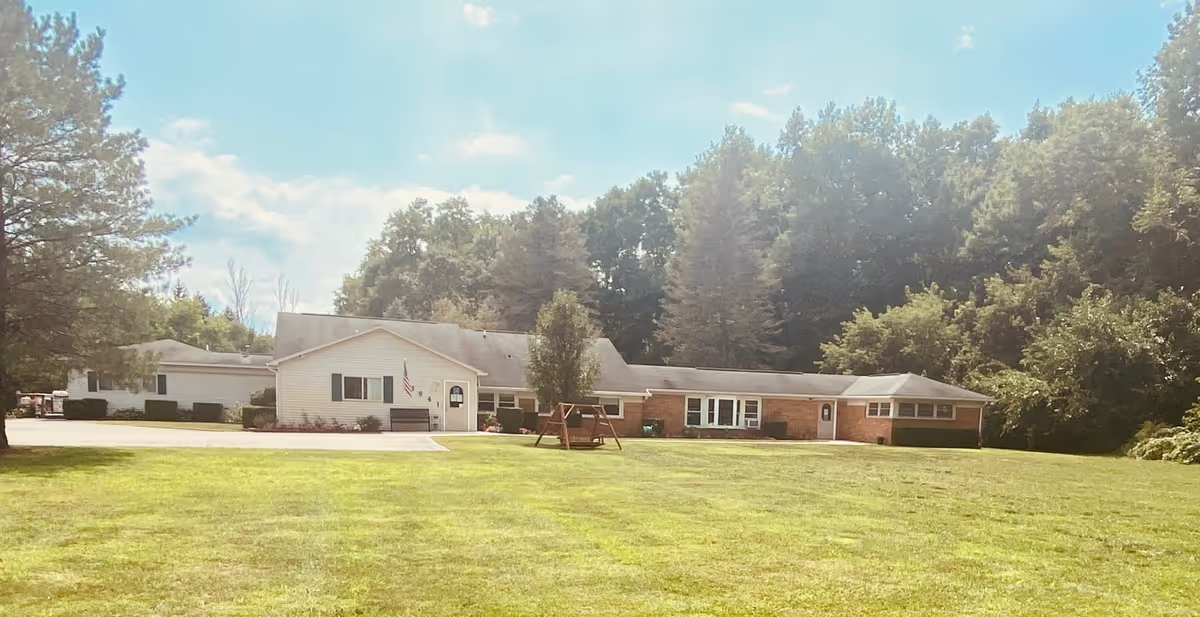
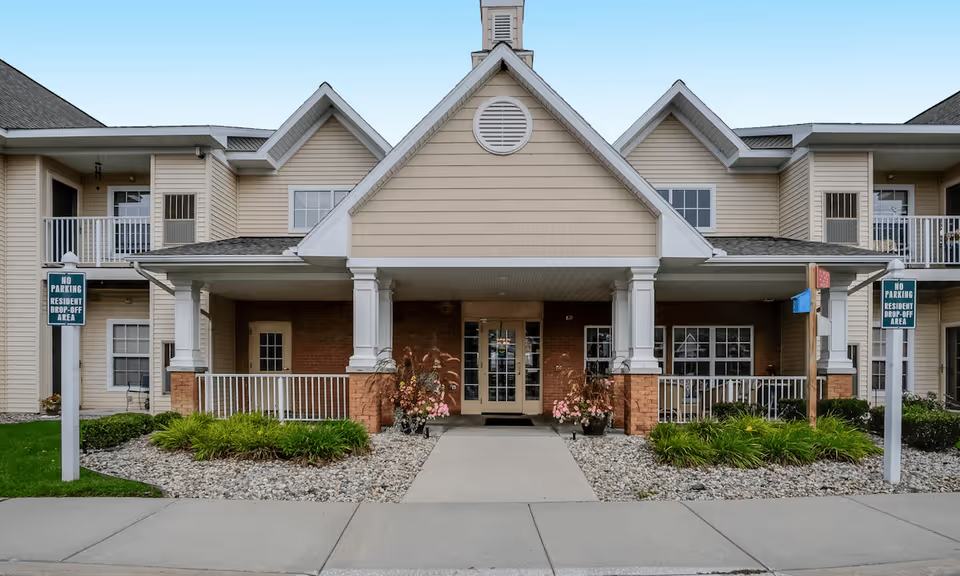
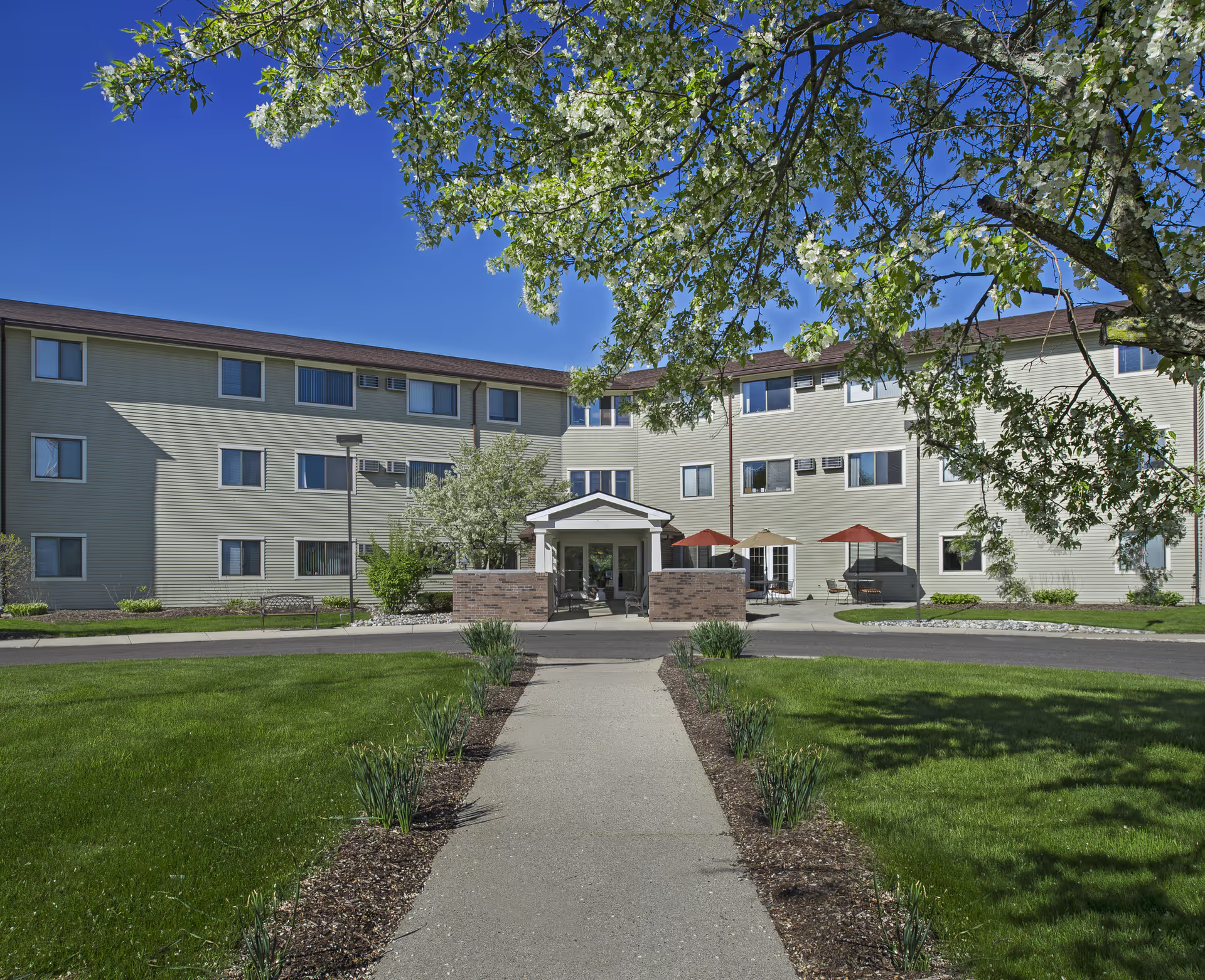
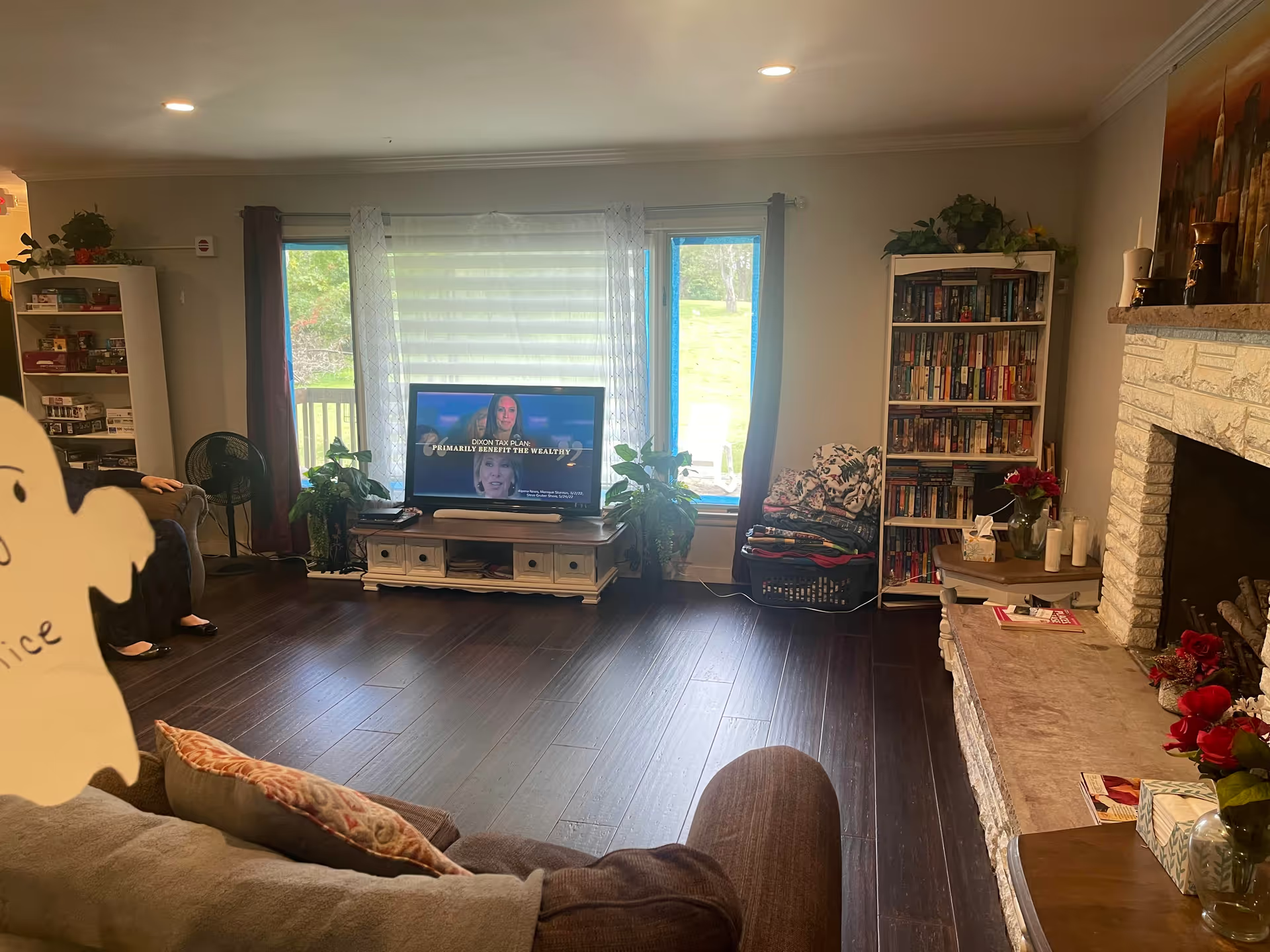
Charter Senior Living of Davison presents a mix of notable strengths alongside operational inconsistencies. On the positive side, reviewers consistently highlight warm, caring direct-care staff and a community-oriented atmosphere. The facility offers a broad suite of on-site clinical services — including physician and nursing availability, occupational/physical therapy, and podiatry — and many families cited improvements after hands-on leadership and recent renovations. The physical plant includes multiple indoor common areas, an outdoor courtyard, and amenities such as a salon/barber shop, gym, theater, library, and a variety of social spaces that support an active resident life.
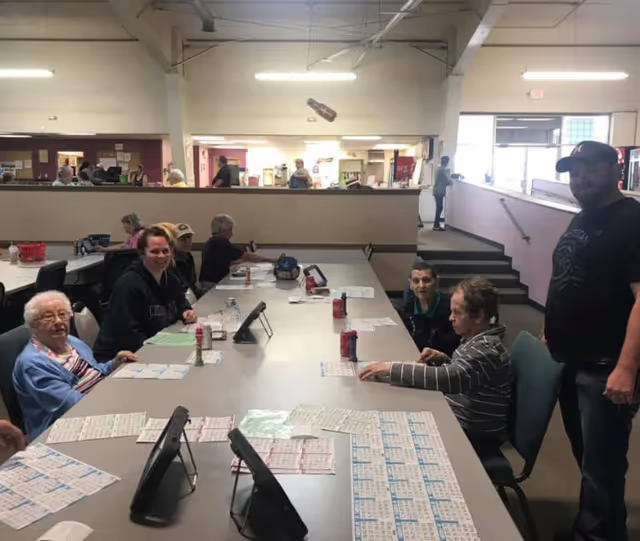
Dining and activity offerings are also frequently praised. The community has an on-site chef, family-style dining options, and reported chef-driven meal choices; reviewers noted a robust calendar of activities, outings, live music and themed events that contribute to social engagement. Private apartment options with in-unit bathrooms and kitchenettes, pet-friendly policies, and easy visitor access are additional strengths that contribute to resident comfort and family convenience.
However, several operational patterns emerged as concerns. Staffing stability is uneven: families report high turnover, periodic shortages, and instances of delayed responses to personal-care needs. Those patterns appear most consequential in the memory-care program, where reliability and timely clinical follow-up were described as inconsistent over time. Maintenance and housekeeping practices also show variability — examples include worn carpeting, patching, and rooms not consistently prepared to move-in standards — which affects perceptions of value and readiness.
Food-service continuity and administrative communication were two other recurring themes. Reviewers cited missed or ill-timed meals, occasional problems with meal temperature or service timing, and what they perceive as a growing gap between pricing and delivered value (including concerns about rent increases). Communication gaps include slow phone/front-desk responsiveness, limited interpreter support for Deaf residents, and occasional family-administration friction. Prospective residents and families should weigh the facility’s strong clinical resources, amenities, and community life against the operational risks tied to staffing consistency, maintenance standards, and administrative communication. For those prioritizing on-site therapy, a varied activity program, and a lively social environment, the facility may be a good fit; for families seeking highly consistent memory-care delivery or tightly managed housekeeping and meal-service reliability, further discussion with leadership and direct observation over time is advisable.