The reviews for Imperial, a Villa Center, present a strongly mixed picture. Many accounts highlight compassionate caregivers, effective rehabilitation therapy, engaging social programming, and a welcoming physical environment; other accounts describe persistent operational and clinical concerns. That contrast produces substantial variability in family experience and outcomes: some families describe excellent, individualized care and a smooth rehab stay, while others describe recurring procedural and safety gaps.
Care quality is uneven. Positive descriptions emphasize attentive nursing, timely pain management, and individualized physical/occupational therapy that supported discharge home. Conversely, there are frequent accounts of delayed responses to clinical needs, missed or late medications, incomplete wound or post‑operative care, and lapses in vital-checking and monitoring. These concerns translate into an operational theme of inconsistent clinical follow-through and gaps in incident response and family notification during acute events.
Staff and management performance is similarly mixed. Front-desk, guest-relations, therapy staff, and several named nurses and managers receive repeated praise for communication and advocacy. At the same time, reviews point to understaffing, heavy use of temporary staff, high turnover, and variable staff conduct — including reports of poor responsiveness, curt communication, and occasional unprofessional tone. Several families also described difficulty obtaining timely responses from case management or leadership around discharge planning and clinical questions.
Dining and activities offer strengths and weaknesses. The facility runs an on-site dining program, social meals, religious services, outings, and exercise/therapy spaces that many residents enjoy. Multiple reviewers praised flavorful meals and social dining. However, other families reported cold or unappealing food, missed or delayed trays, and instances where dietary restrictions were not observed. Activity calendars and outings appear robust in some units but limited or underutilized in others.
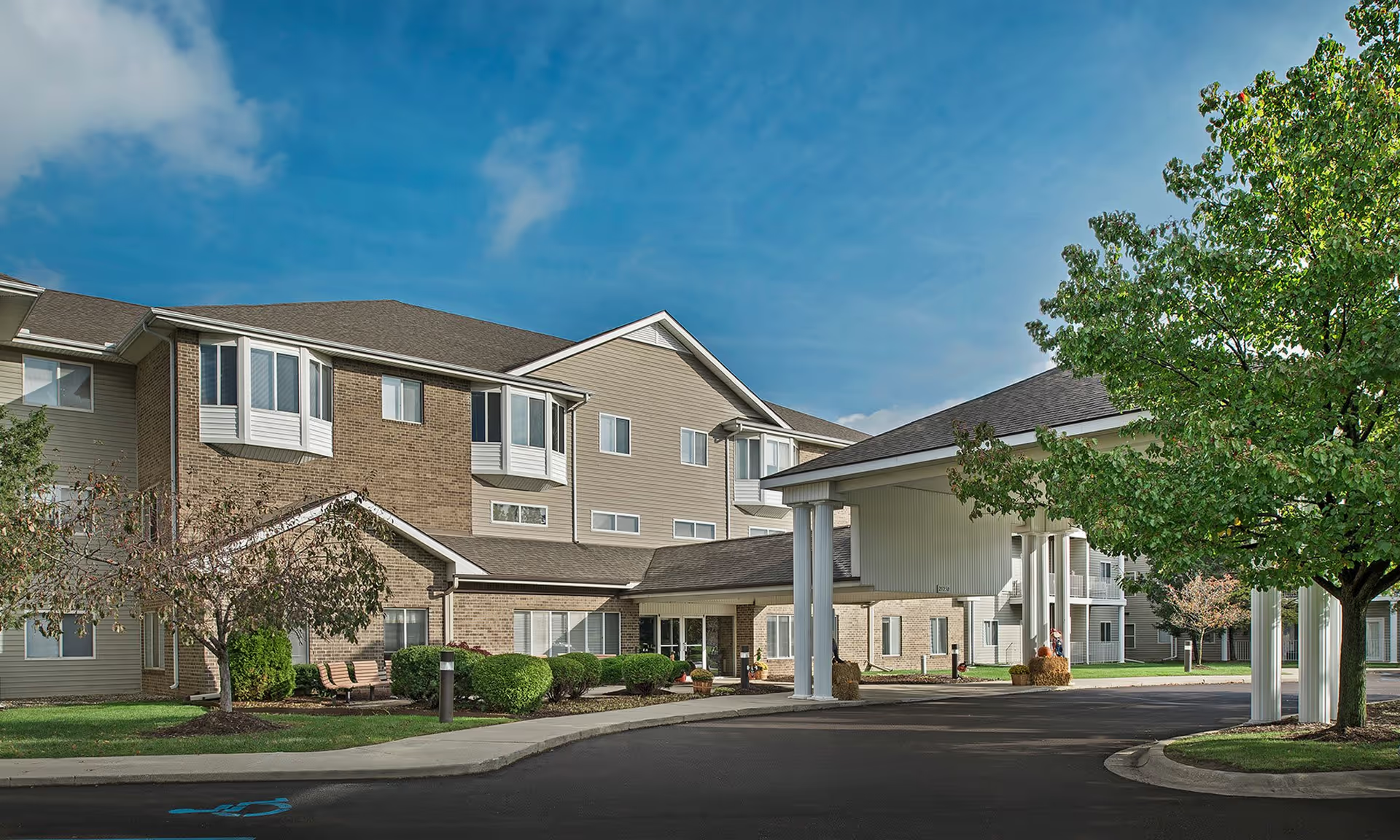
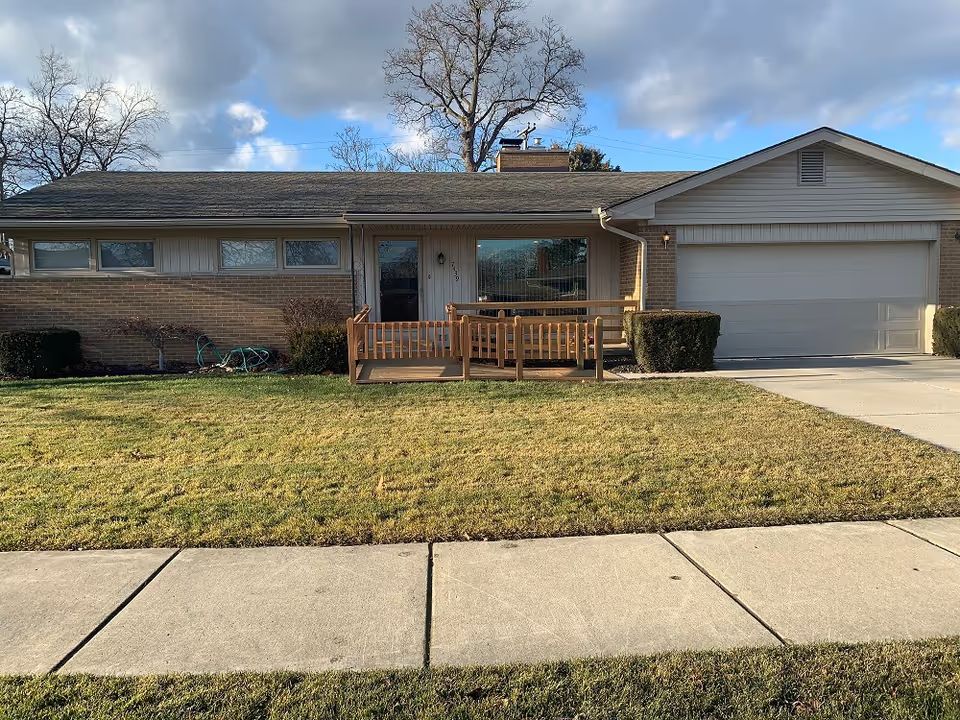
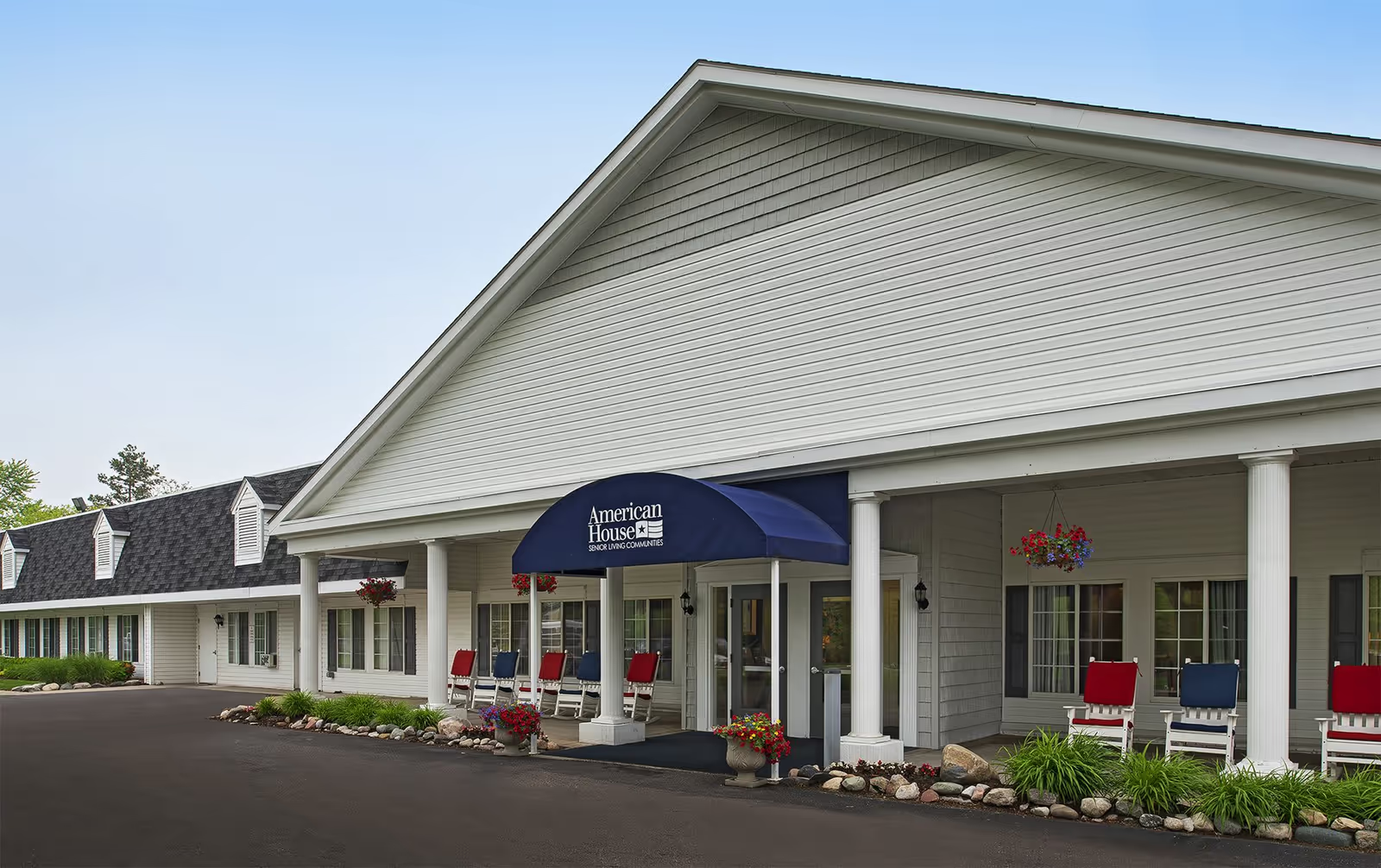
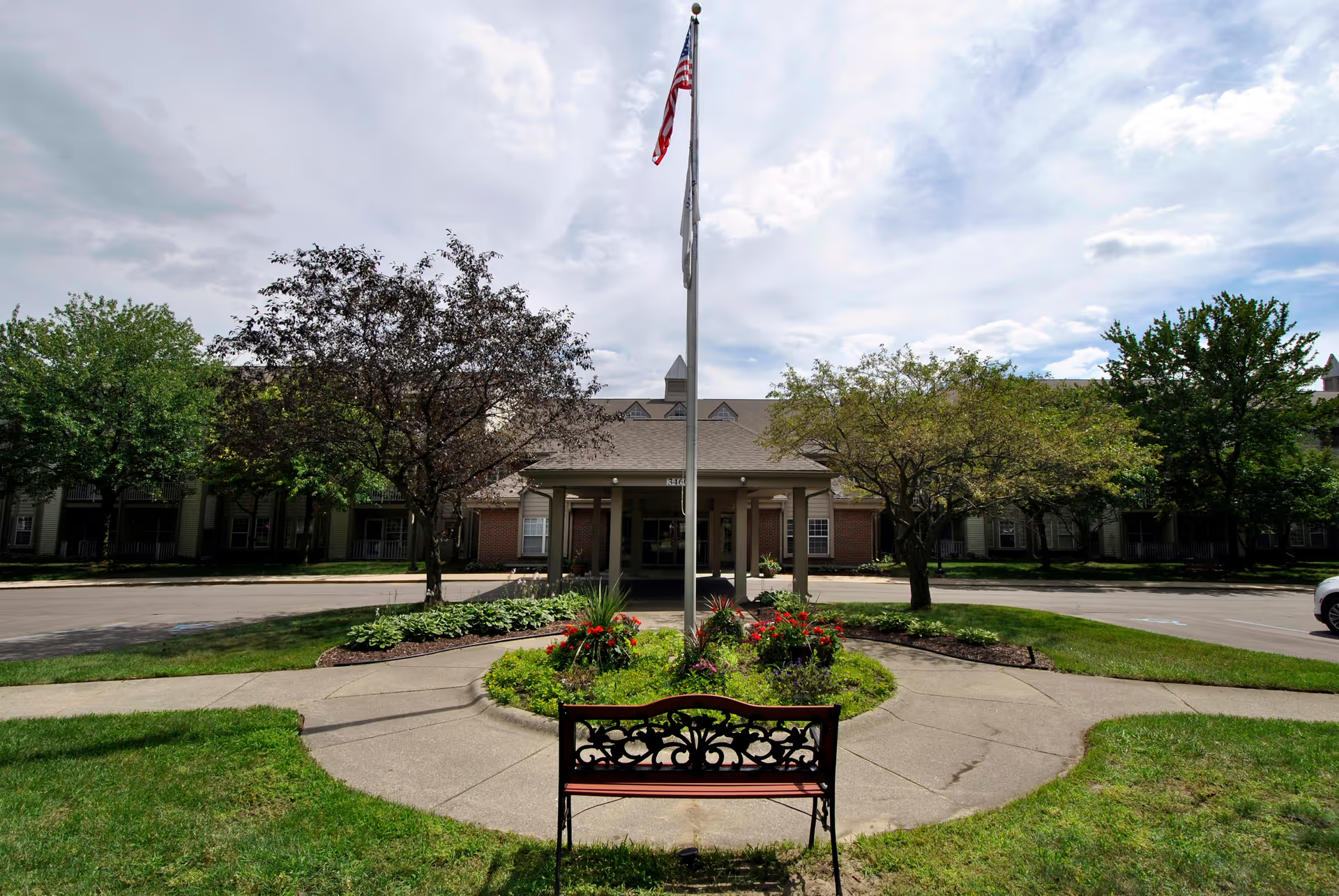
Facility condition and safety are variable by area and time. Some reviewers describe clean, well-kept public spaces, an attractive garden, and a functional rehab gym. Others cite sanitation and odor concerns in specific halls or rooms, deferred maintenance (damaged trim, heater problems, standing water), pest-control issues, and missing or malfunctioning room equipment. Safety practices raised concerns: missing bed-rail or pressure-relief equipment, disabled or unenforced alarms, and inconsistent fall‑prevention implementation.
Administrative patterns warrant attention. Reviews include allegations about missing personal belongings and a few statements suggesting property-control or documentation problems; a subset of comments raises questions about record-keeping, kitchen temperature/labeling practices, and HR/staffing policies. There are also isolated but serious accounts describing poor clinical outcomes and concerns following a resident's death, which families cite as reasons to request regulatory review.
Practical advice for prospective families: observe staffing levels on both day and night shifts, ask about reliance on agency staff, request current staffing ratios and turnover data, review medication-administration protocols, inspect how dietary restrictions are handled, and evaluate hygiene and sanitation practices on the unit where your loved one would reside. Confirm the availability of specific safety equipment (bed rails, pressure-relief mattresses, working call systems), ask to see recent state inspection results, and meet the social-work/care-management team to clarify communication expectations. Given the clear variability in experiences, an in-person tour with targeted questions and a review of current quality metrics will be particularly important when choosing this facility.