The reviews for Medilodge of East Lansing present a broad range of experiences that cluster around two clear themes: strong specialty clinical services and inconsistent operational performance. On the clinical side, the facility is frequently recognized for its ventilator-dependent unit, continuous respiratory-therapy coverage, and robust in-house rehabilitation services (PT/OT/speech). Families and clinicians report positive outcomes from ventilator weaning, effective respiratory-management, and skilled therapy teams. Social-work and discharge-planning staff are often described as proactive and helpful, and several commenters highlighted the availability of hospice, respite, behavioral-health, dialysis, and other onsite specialty services.
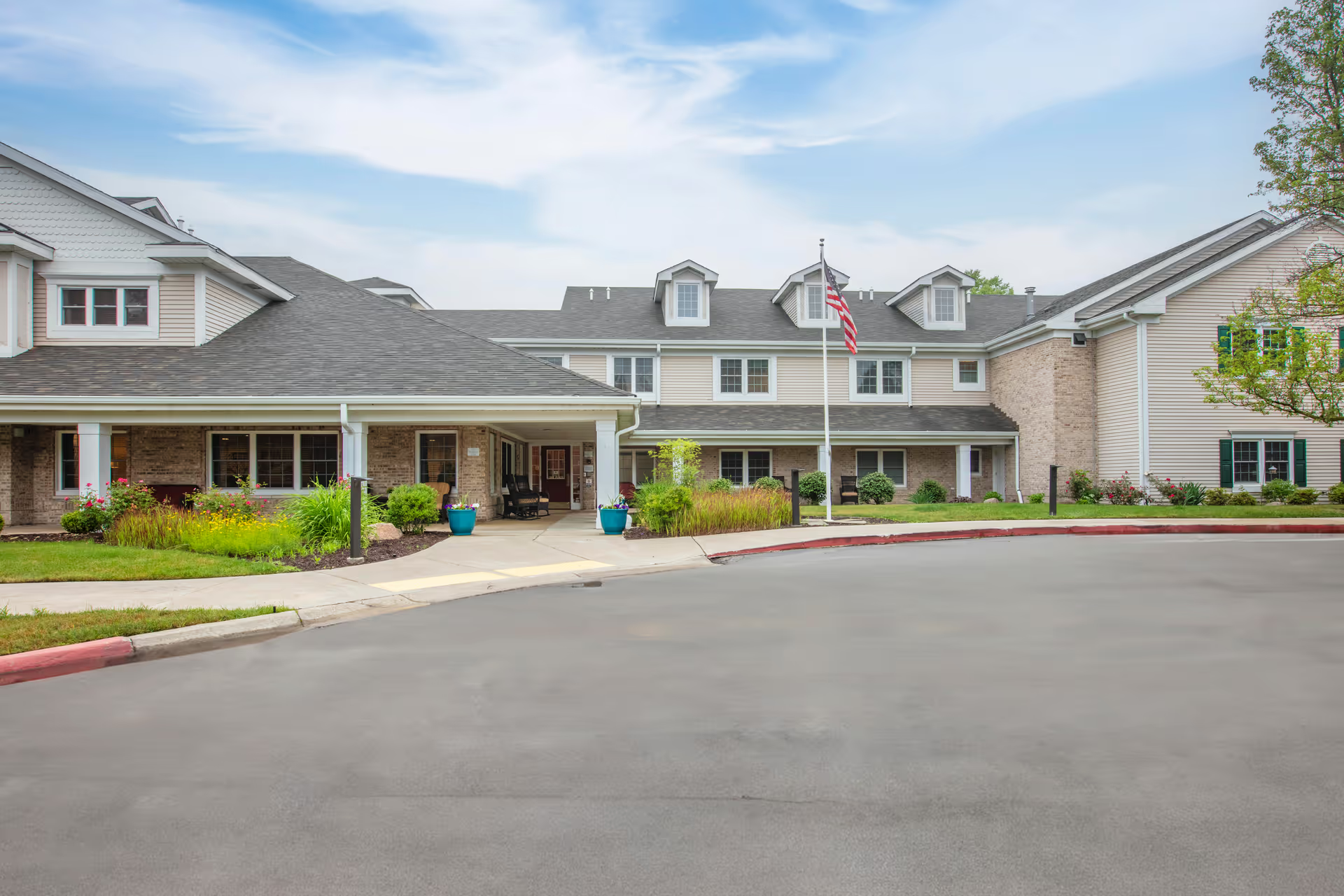
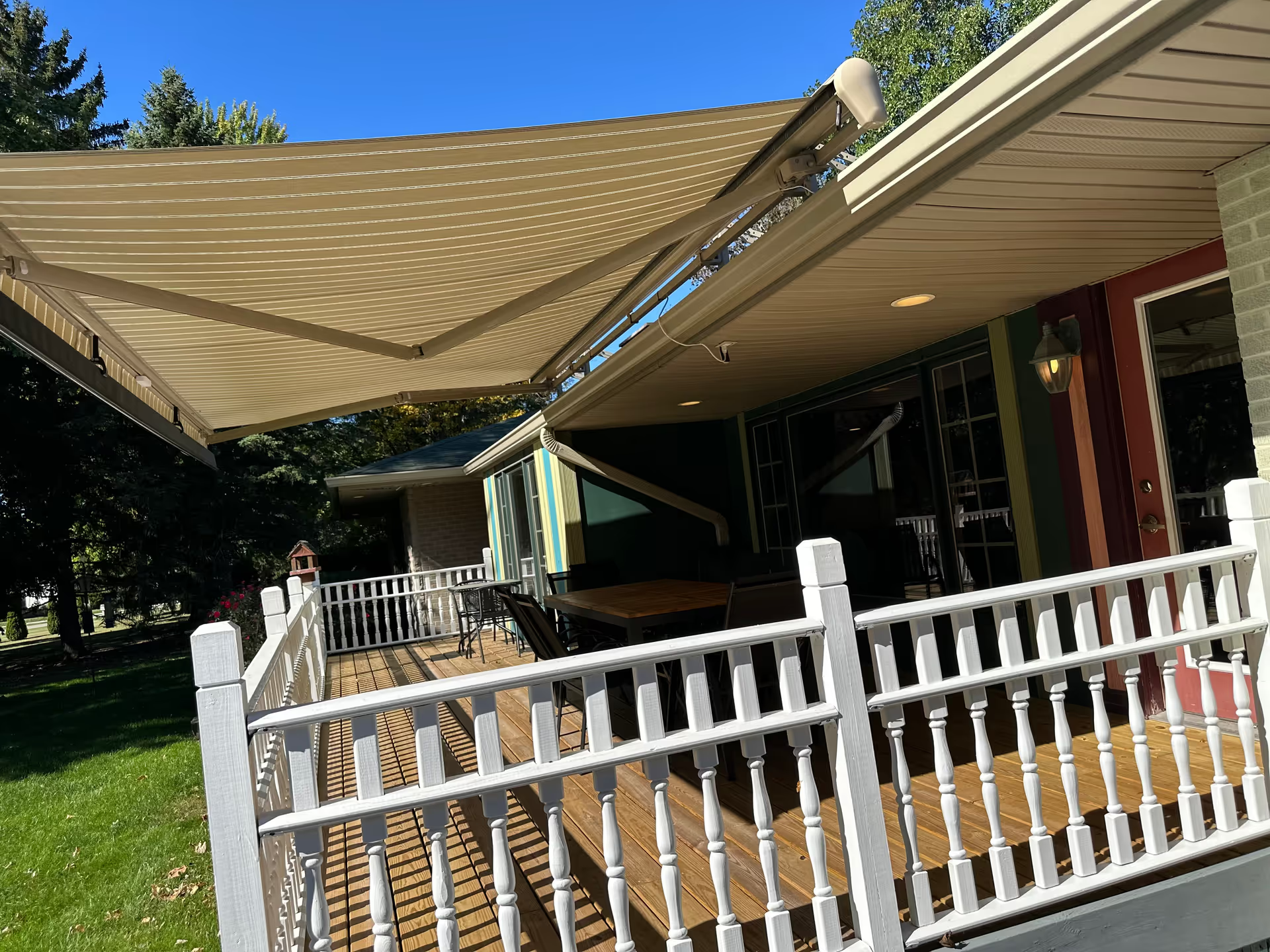
Direct-care staff are described in many accounts as caring and welcoming; multiple reviewers praised individual nurses, respiratory therapists, and therapy clinicians for attentive, family-focused care. The facility also receives positive remarks for community programming — outings, holiday events, and regular activities — and for recently updated/modeled areas including an enclosed courtyard that supports a more homelike atmosphere.
Counterbalancing those positives, a significant portion of commentary raises operational and safety concerns. Staffing consistency and turnover are recurring themes: reviewers describe periods of understaffing, slow call-bell responses, and variability in bedside care quality. Related operational weaknesses include maintenance and equipment reliability problems (broken beds, missing wheelchair parts), and gaps in transfer-safety and mobility-assist procedures that suggest uneven staff training or supervision. Several accounts identify issues with medication handling and med-cart processes, as well as instances of delayed clinical escalation or diagnostic follow-up.
Dining and nutrition receive mixed feedback. Some families praised homemade meals and themed dining events, while others reported inconsistent food quality and limited accommodation of therapeutic diets beyond documented allergies. Reviewers also raised sanitation and incontinence-care concerns in specific areas, indicating variability in cleanliness and direct-care practices rather than a uniform facility characteristic.
Communication and leadership emerged as another area of divergence. Positive experiences with responsive social-work staff and welcoming admissions/tour processes contrast with complaints about management availability, lengthy automated phone-system waits, and perceived lack of transparency. There are also serious, singular claims including allegations of punitive responses to complaints; these should prompt careful inquiry by prospective families and, if relevant, follow-up with regulatory records.
In summary, prospective residents and families are likely to find notable strengths in specialty respiratory and rehabilitation care, dedicated therapy teams, and community programming. At the same time, variability in staffing, maintenance, medication processes, diet accommodation, and cleanliness suggests the facility’s day-to-day performance can be uneven. When evaluating this facility, visitors should tour the specific unit of interest (especially if ventilator care is required), ask for current staffing ratios and recent maintenance records, request documentation of infection-control and medication-administration policies, clarify therapeutic-diet capabilities, and speak directly with social-work or nursing leadership about complaint-resolution procedures and recent quality-improvement efforts.