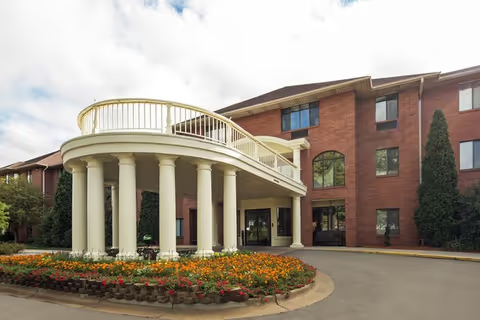
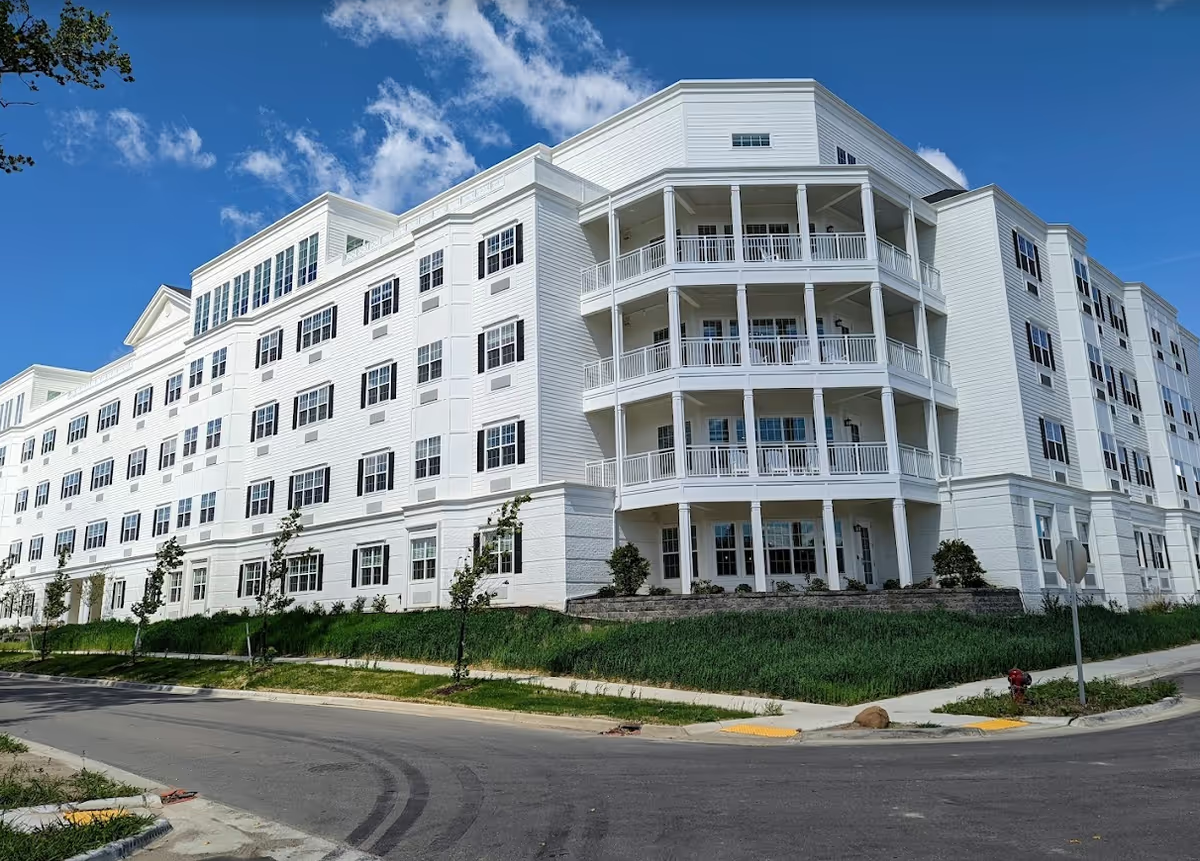
The Willows at East Lansing elicits strongly mixed impressions. Many accounts highlight a well-maintained, attractive facility with a homelike atmosphere, comfortable apartments, and active programming. Families and residents frequently commend specific staff members, the therapy/rehabilitation teams, and efforts by housekeeping and life-enrichment staff. Praises include responsive nursing when available, thoughtful activities (e.g., card groups, crafts, outings), family engagement events, transportation services, and a number of positive dining experiences attributed to a skilled culinary team.
Care quality and staffing present the clearest pattern of divergence. Numerous comments describe compassionate, invested caregivers and strong therapy services that support successful short-term rehabilitation and, in several cases, high-quality end-of-life care. At the same time, an ongoing operational issue is chronic understaffing and high resident-to-staff ratios; reviewers attribute this to delays responding to call lights, long waits for assistance, and inconsistent help with activities of daily living. Weekend coverage and therapy availability are recurring pain points, and several accounts describe variability in staff competence or experience across shifts.
Dining and nutrition emerge as mixed. Some families single out the chef and specific menu items as strengths, and others report meals that are nutritious and well-presented. Conversely, there are consistent complaints about late or missed meals, cold or delayed service—especially on weekends—and variability in food quality between shifts. Meal-service continuity and staffing in the dining room are operational weaknesses that affect resident experience.
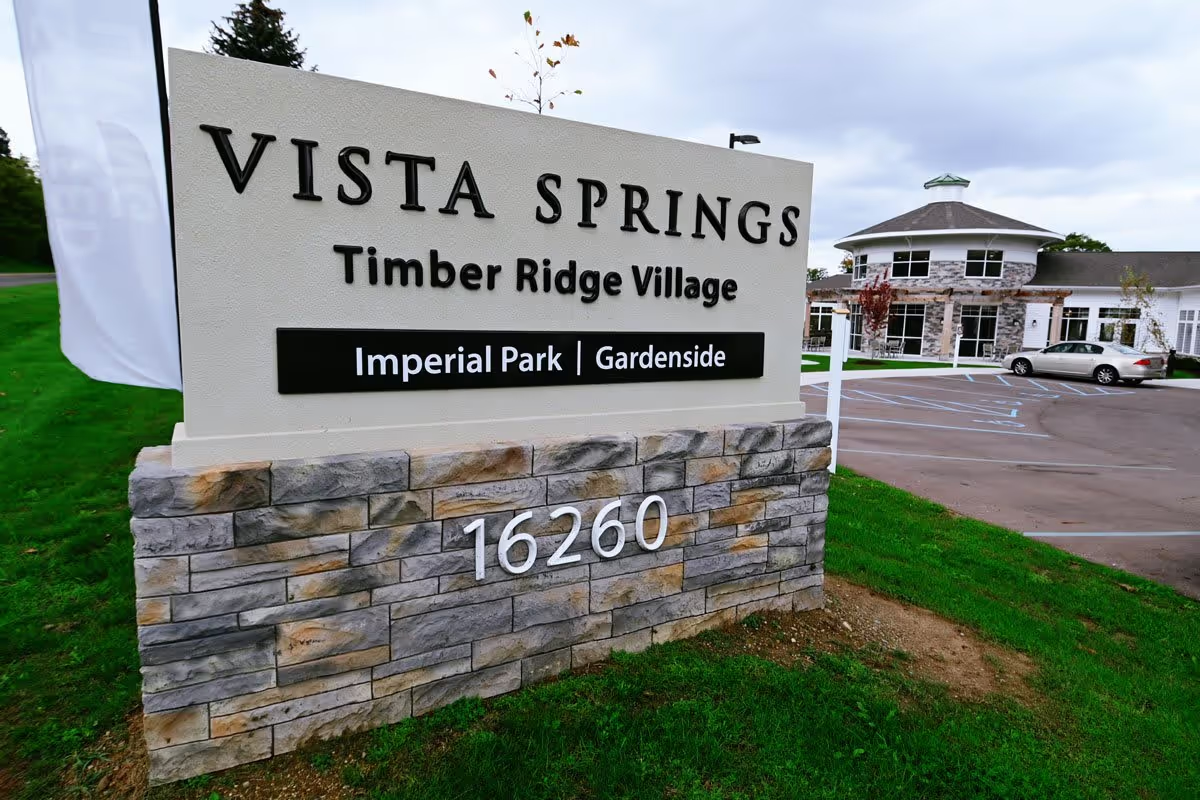
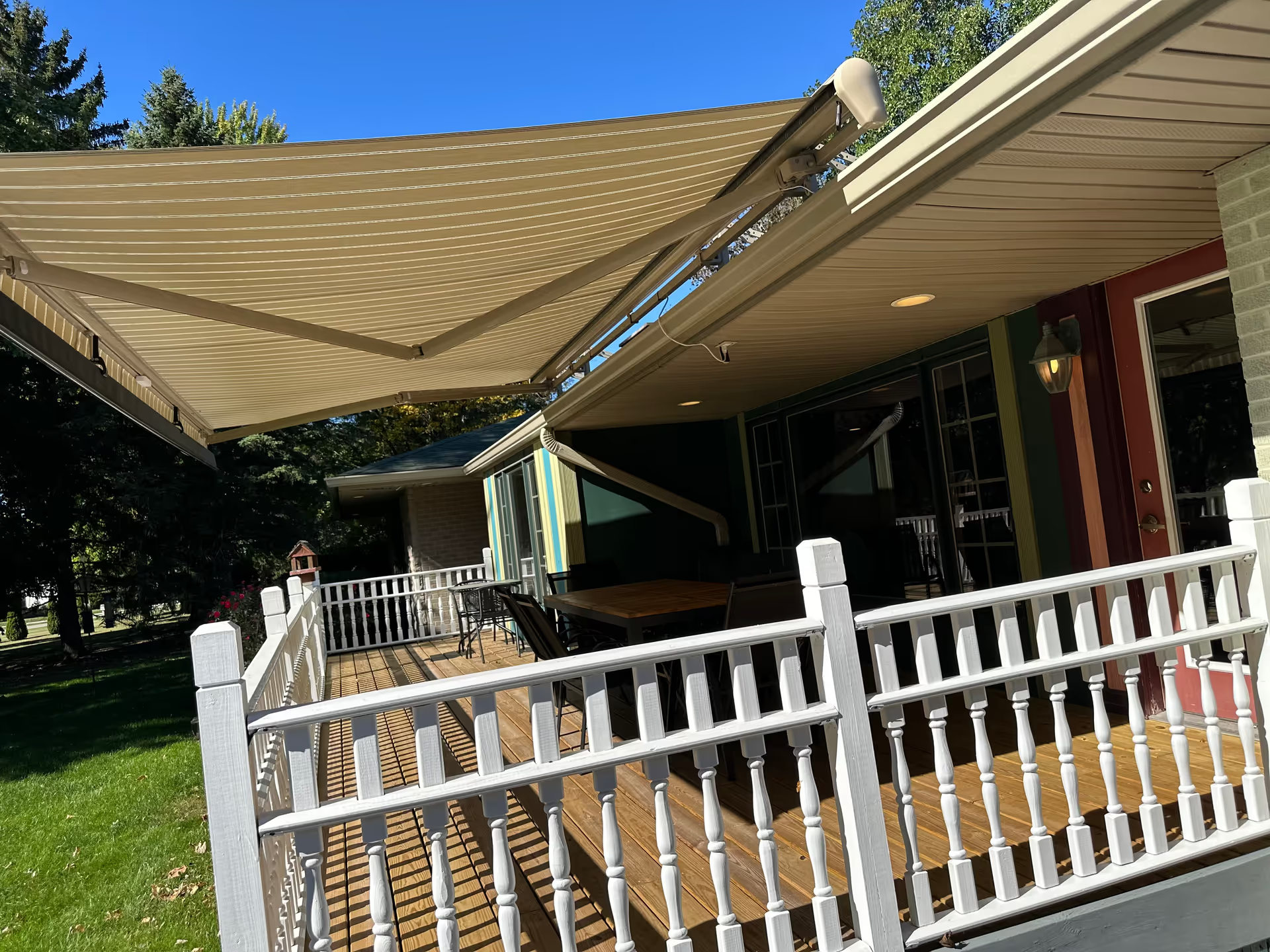
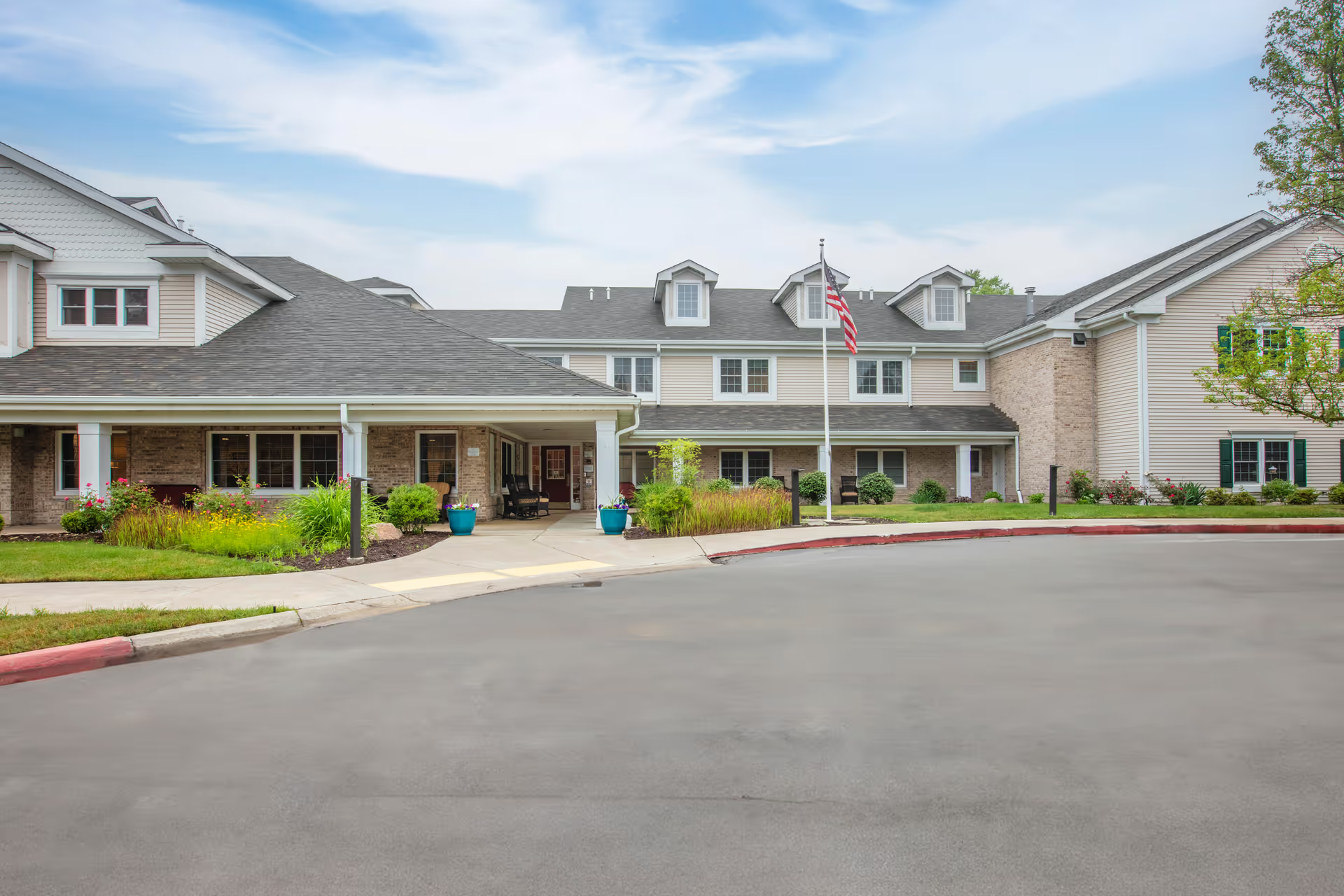
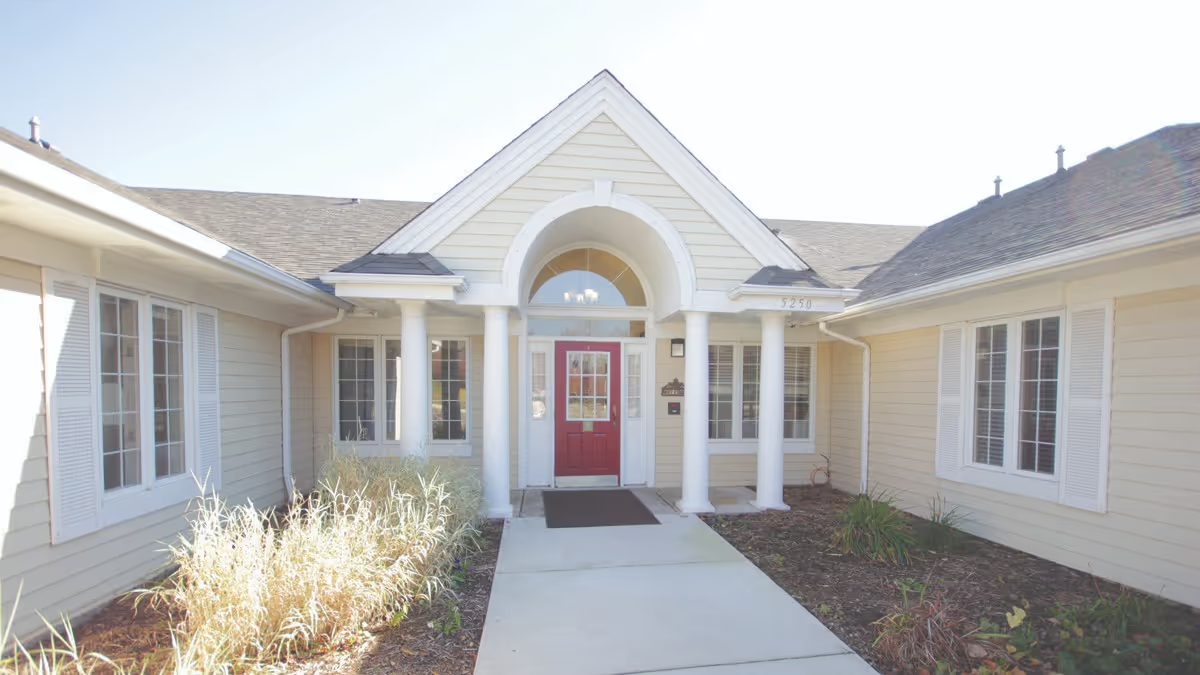
Activities and facility amenities are frequently praised: life-enrichment programming, gardens and courtyards, transportation, and social groups receive positive mentions. The physical environment is often described as clean, bright, and comfortable; housekeeping and facility maintenance earn favorable comments. However, the memory-care unit’s location in a separate building and limited adjacent-room options are logistical constraints for families wanting close placement or proximity between residents.
Management, communication, and clinical coordination show notable variability. Positive experiences include proactive staff and helpful front-desk interactions, but there are repeated complaints about slow or insufficient responses from leadership when families raise concerns. Issues cited include unclear intake/admission handling, incomplete follow-up for appointments or services, difficulties with insurance or paperwork, and perceived cost-driven medication decisions. More serious concerns raised by some families include allegations of theft and problematic staff conduct; these claims, while not universal, underscore the need for transparent investigation and communication when such matters are raised.
Overall, the facility displays clear strengths in environment, rehabilitation programming, and many individual staff members’ commitment. At the same time, systemic operational weaknesses—most notably staffing shortages, inconsistent responsiveness, variable dining service, and lapses in management communication—create risk for residents who require close supervision or complex, continuous clinical oversight. Prospective residents and families should weigh the facility’s positive therapy and activity offerings against the patterns of staffing and communication variability, and consider targeted questions about weekend staffing, memory‑care placement logistics, medication protocols, and leadership response procedures during tours and admissions discussions.