The reviews of Crestmont Nursing Care Center present a mixed but evolving picture, with a clear pattern of significant improvement attributed to new leadership and staff alongside persistent concerns rooted in prior staffing and management problems. A sizable portion of recent feedback is strongly positive: many families and residents praise physical and occupational therapy, describe nurses and CNAs as caring and attentive, and credit the new administrator and social worker with turning the facility around. Multiple reviews specifically call out exceptional food (including dentures-friendly meals), engaging activities (church services, bingo, movie nights), clean common areas and laundry service, and a welcoming admissions process. These positive reports frequently emphasize a resident-centered approach, timely issue resolution, and an upbeat environment where residents are thriving and staff build genuine relationships.
However, underlying the praise are numerous and sometimes severe negative accounts that cannot be ignored. Several reviewers describe chronic understaffing that led to missed personal care (missed showers, prolonged waits to be assisted with toileting, or being left on bedpans), poor coordination between CNAs and nursing staff, ignored call buttons, and long delays in reaching nursing staff by phone. In the most serious reports, there are allegations of clinical neglect (including an oxygen-care incident that nearly required ventilatory support and other accounts of a patient dying soon after admission). These incidents contribute to a narrative of inconsistent care quality — some residents receive excellent attention and therapy, while others experienced dangerous lapses.
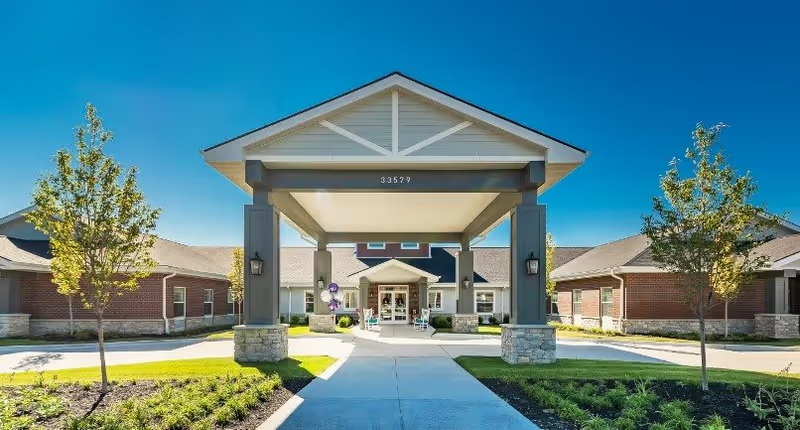
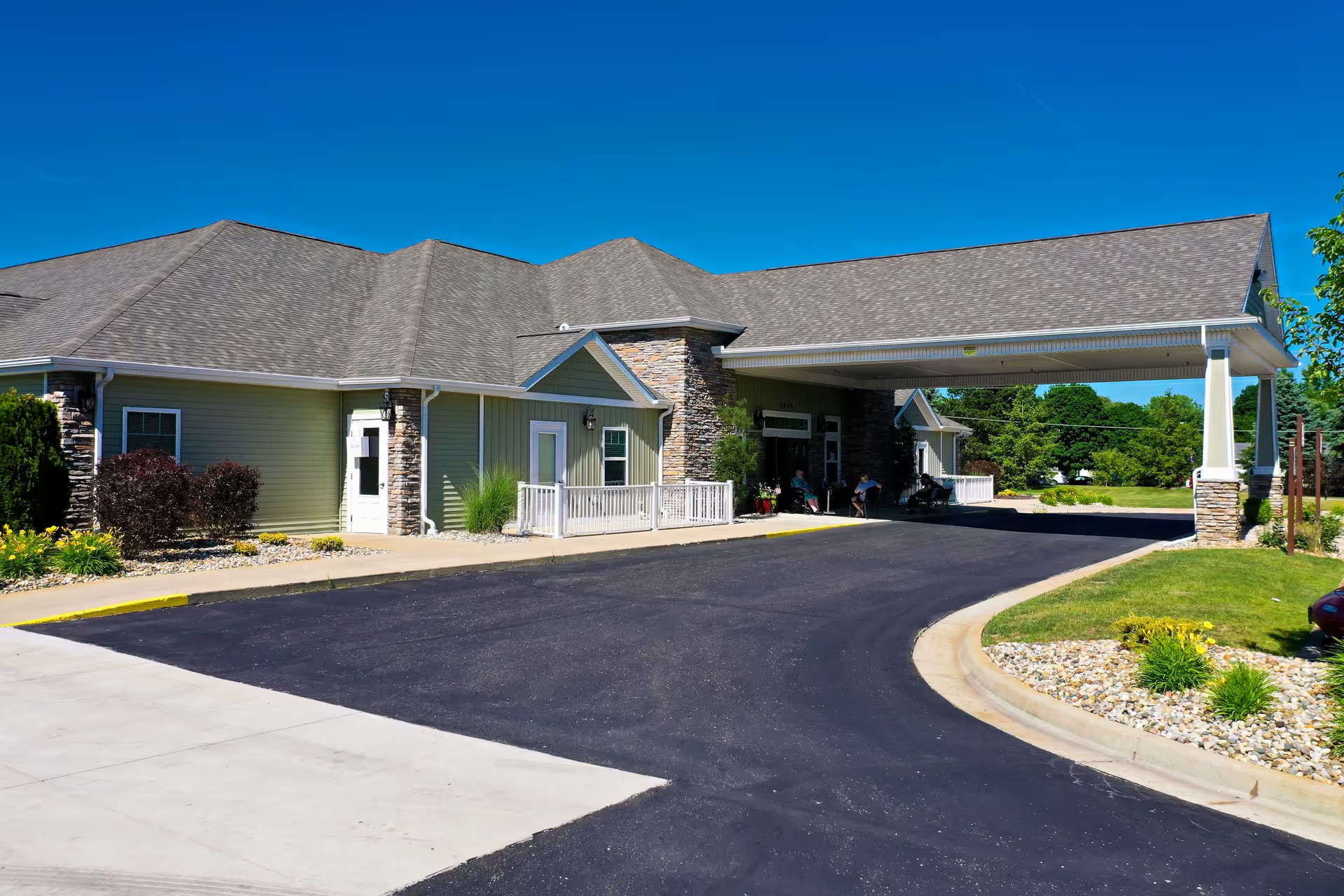
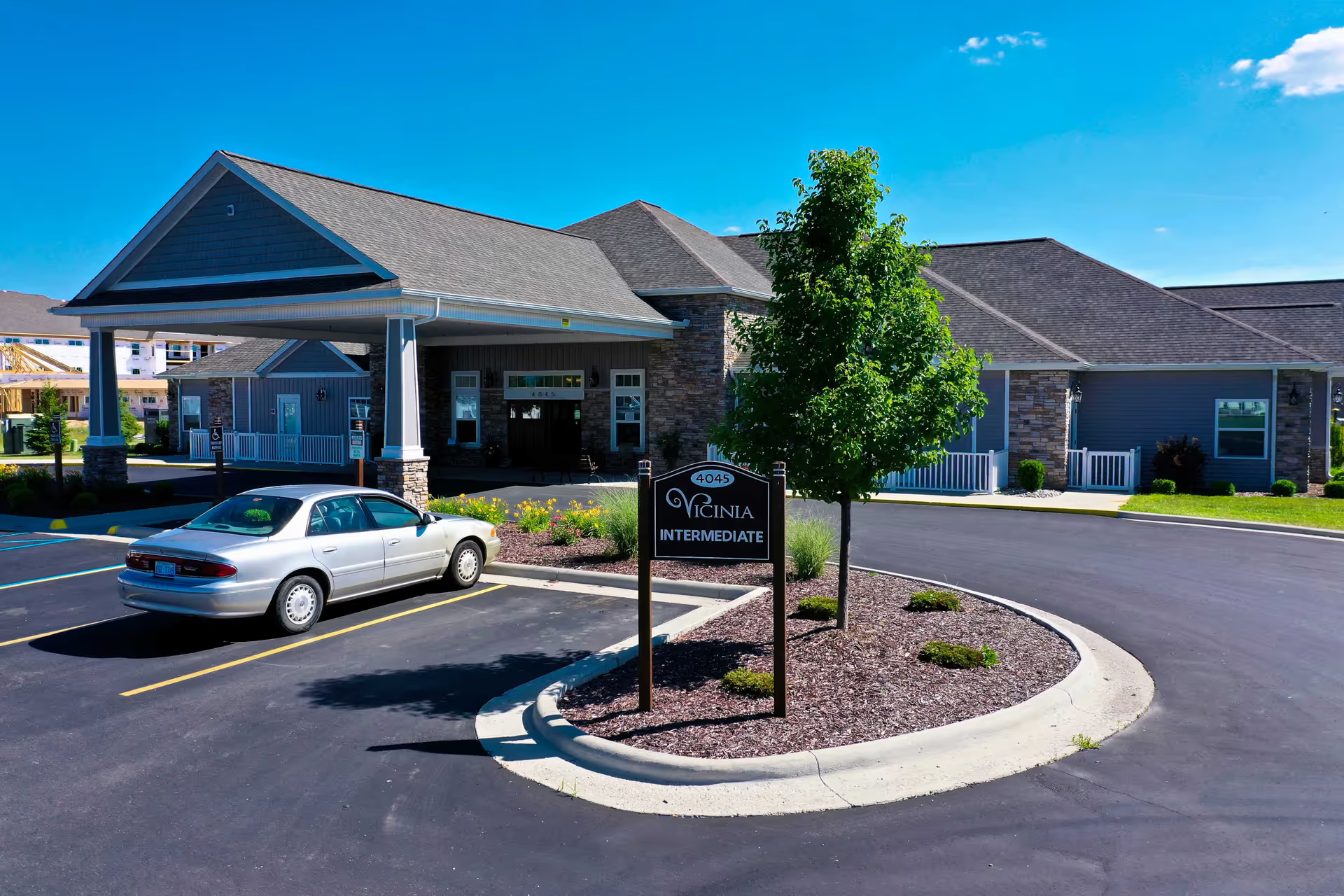
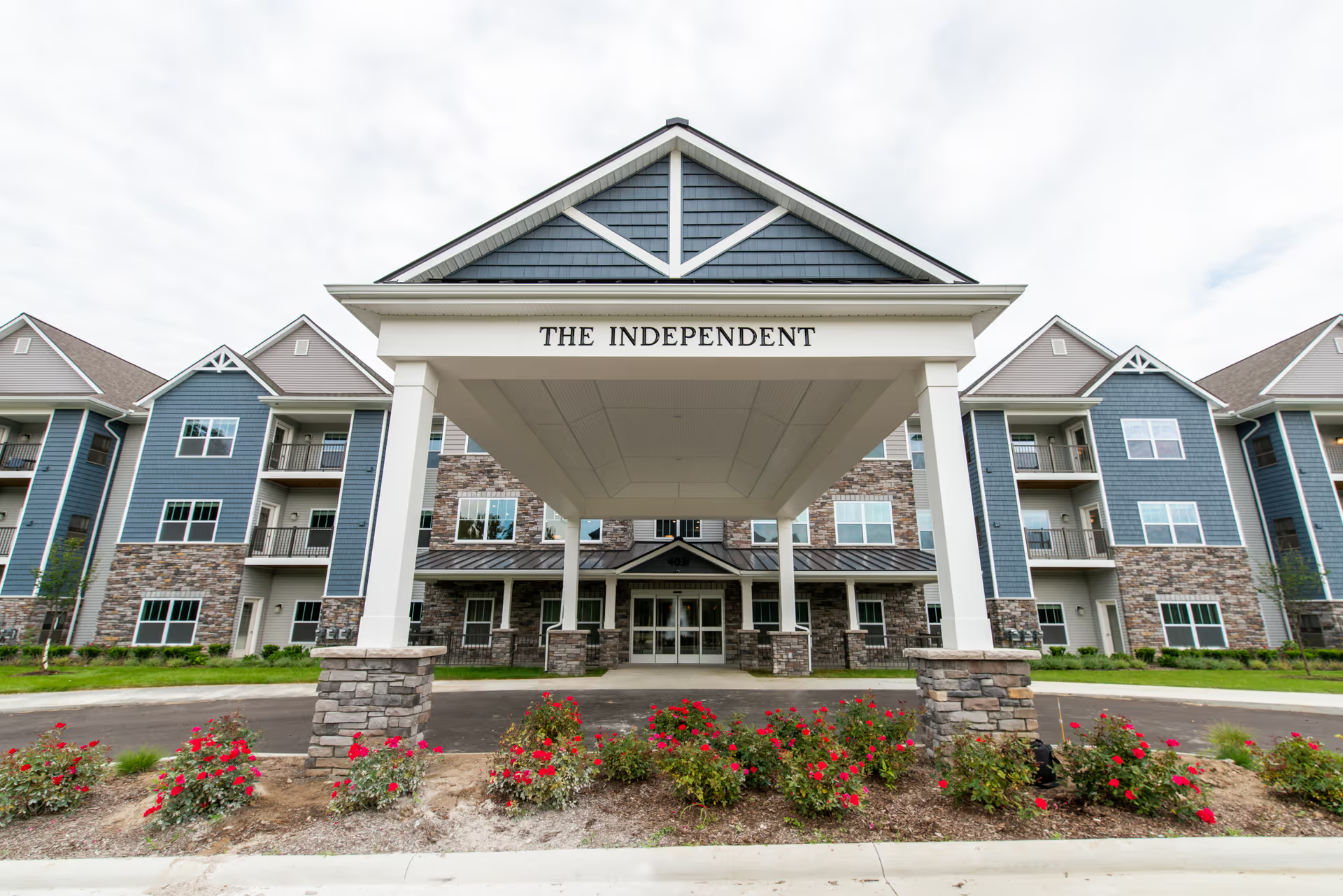
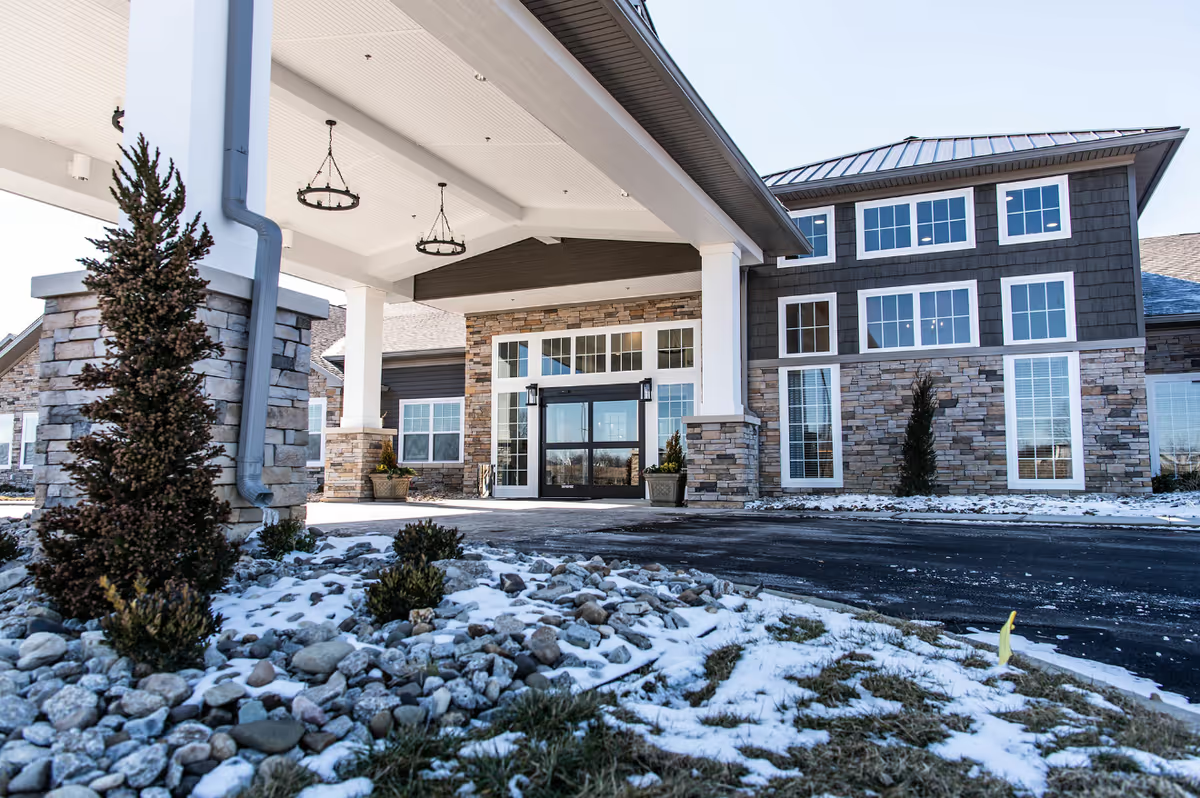
Facilities and dining impressions are polarized. Many families report clean, climate-controlled rooms, good housekeeping, and an attractive, decorated environment with a spacious dining area. Conversely, some reviews describe rooms as disgusting with bad smells, an “atrocious” dining room, incomplete laundry, and empty or insufficient food trays. This divergence suggests variability by unit, staff shift, or time period: while food service and dining are lauded by many, several reviewers experienced insufficient portions, empty trays, or diet orders not followed.
Management and oversight emerge as a major theme. Several reviewers credit a recent change in administration (named administrators and staff repeatedly praised) with substantial cultural and operational improvements — faster resolution of problems, increased staff empathy, and an overall transformation. At the same time, other reviews recount historical (and possibly ongoing) problems tied to corporate decisions, insufficient staffing budgets, and reports of regulatory scrutiny (mention of closure demands and an attorney general investigation). These contrasting perspectives indicate that the facility may be in transition: improved leadership is having a positive effect, but systemic issues stemming from prior management choices still appear in some experiences.
Communication and staff behavior show wide variation. Some families name specific staff members (nurses, CNAs, social worker, activities director) as highly supportive and personable; others describe misinformation from social work, unprofessional behavior (gossiping, giggling at a resident in pain), and even mean or violent language from nurses. Security and safety impressions are similarly mixed: multiple reviewers describe the facility as secure and safe, but others raise concerns about locked doors and general safety management. These contradictions reinforce the theme of uneven care and experience across different times, units, or staff teams.
Overall sentiment trends toward improvement, with many recent reviewers recommending Crestmont and expressing high satisfaction, citing therapy quality, compassionate staff, and better food and activities. Nevertheless, the presence of serious adverse reports — clinical neglect events, inconsistent hygiene, staffing shortages, and past regulatory concerns — indicates that potential residents and families should proceed with informed caution. Prospective families should verify current staffing levels and turnover, ask for details about recent corrective actions and regulatory outcomes, observe cleanliness and dining during a visit, inquire about call-bell response times and emergency protocols, and request references from recent families. The facility appears to be capable of excellent, resident-focused care under its new leadership, but variability remains significant and ongoing oversight and advocacy are advisable to ensure consistent, safe care for vulnerable residents.