Overview: The Oaks at Woodfield presents a mixed but actionable profile. Many families and patients praised the facility’s strengths in rehabilitation, dining, social programming, and the physical environment. At the same time, recurring operational weaknesses — primarily around staffing consistency, clinical processes, and communication — appear frequently enough to merit attention by prospective residents and families.
Care and clinical services: Physical and occupational therapy are consistently cited as a core strength; reviewers describe effective PT/OT staff and successful rehab outcomes for many patients. Nursing and caregiving are frequently described as compassionate and attentive, and the facility offers around-the-clock nursing coverage. However, reviews also describe variability in clinical competence between shifts and individual staff. Specific operational concerns cluster around medication handling and pharmacy coordination, inconsistent delivery of rehabilitation services (including premature discharge pressure), and gaps in wound care and incontinence-related practices. A few accounts raised serious clinical concerns following adverse outcomes; these underscore the importance of close family advocacy and clear communication about care plans and escalation protocols.
Staff, responsiveness, and communication: The facility earns praise for individual staff members who are caring, knowledgeable, and responsive. Recreational staff and kitchen teams are repeatedly singled out as strengths. At the facility level, there are repeated mentions of long call-button response times, aide staffing shortages during certain shifts, and uneven professionalism at reception and on some shifts. Families noted lapses in timely updates, difficulty reaching clinicians or administrators, and occasional billing or admission coordination problems. Prospective families should assess specific communication workflows and escalation contacts during tours and admissions discussions.
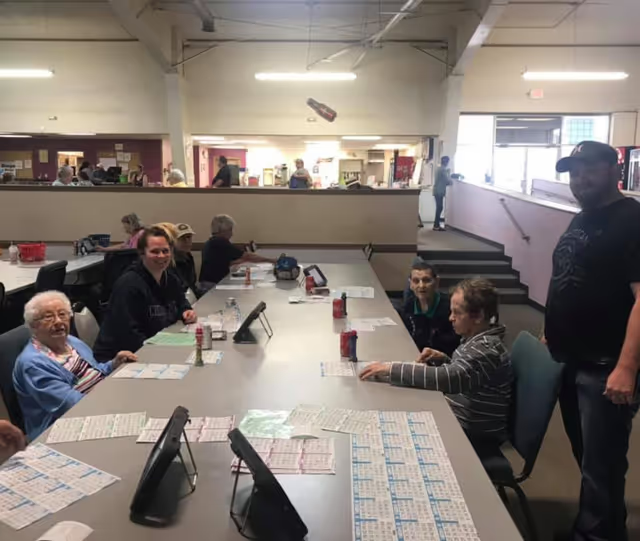
Dining and activities: Dining is often described as a positive feature — restaurant-style meals, skilled kitchen staff, and family-style dining events are common highlights. There are also multiple references to engaging activities (Wii bowling, storytelling, field trips, bingo, arts), regular social events, and therapy-led programming, which contribute to residents’ social engagement. Meal quality and temperature consistency were occasionally called out as variable; it may be helpful to sample meals and ask about meal-delivery protocols.
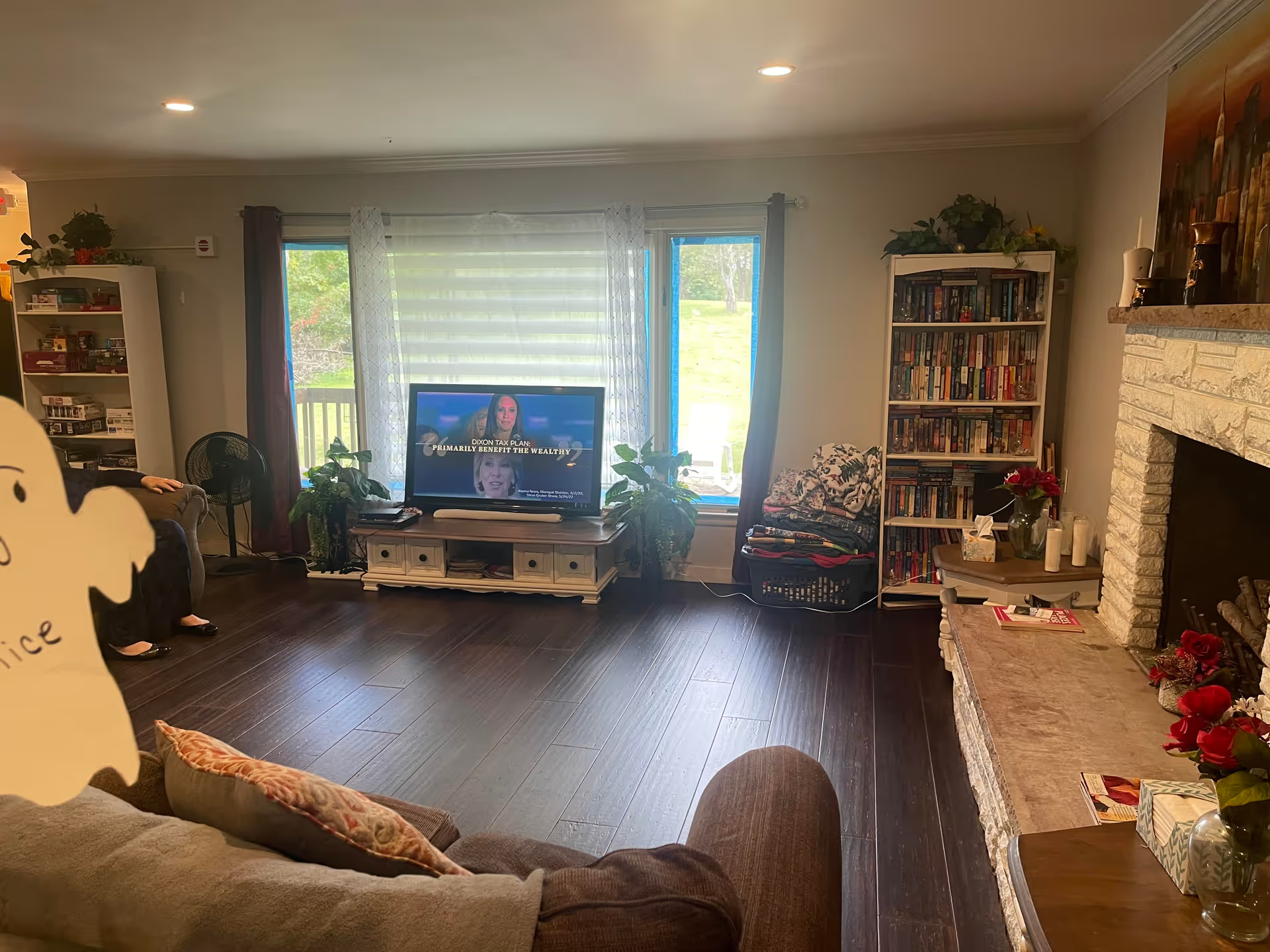
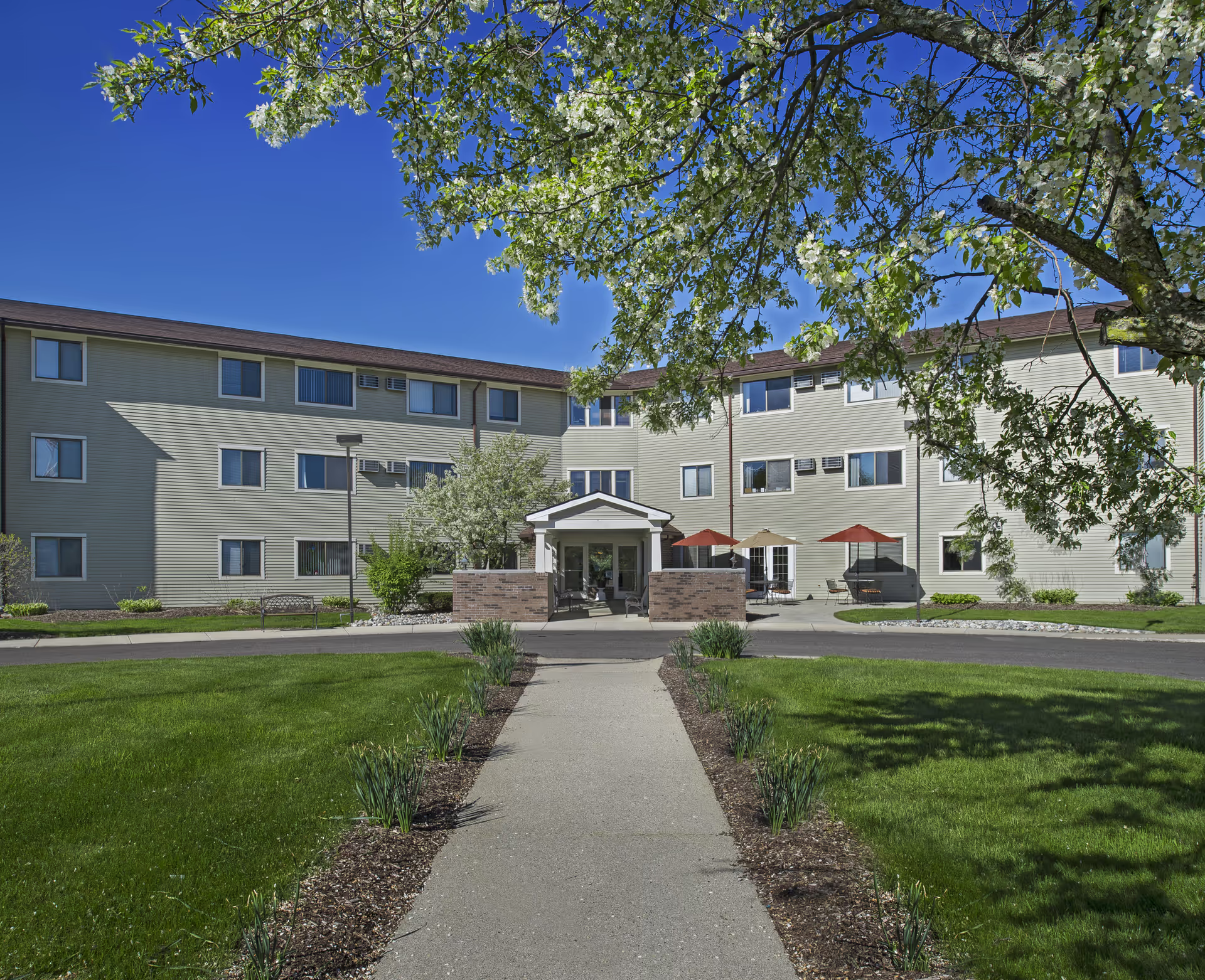
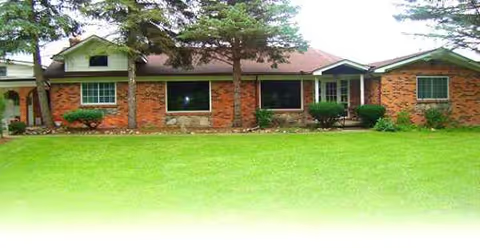
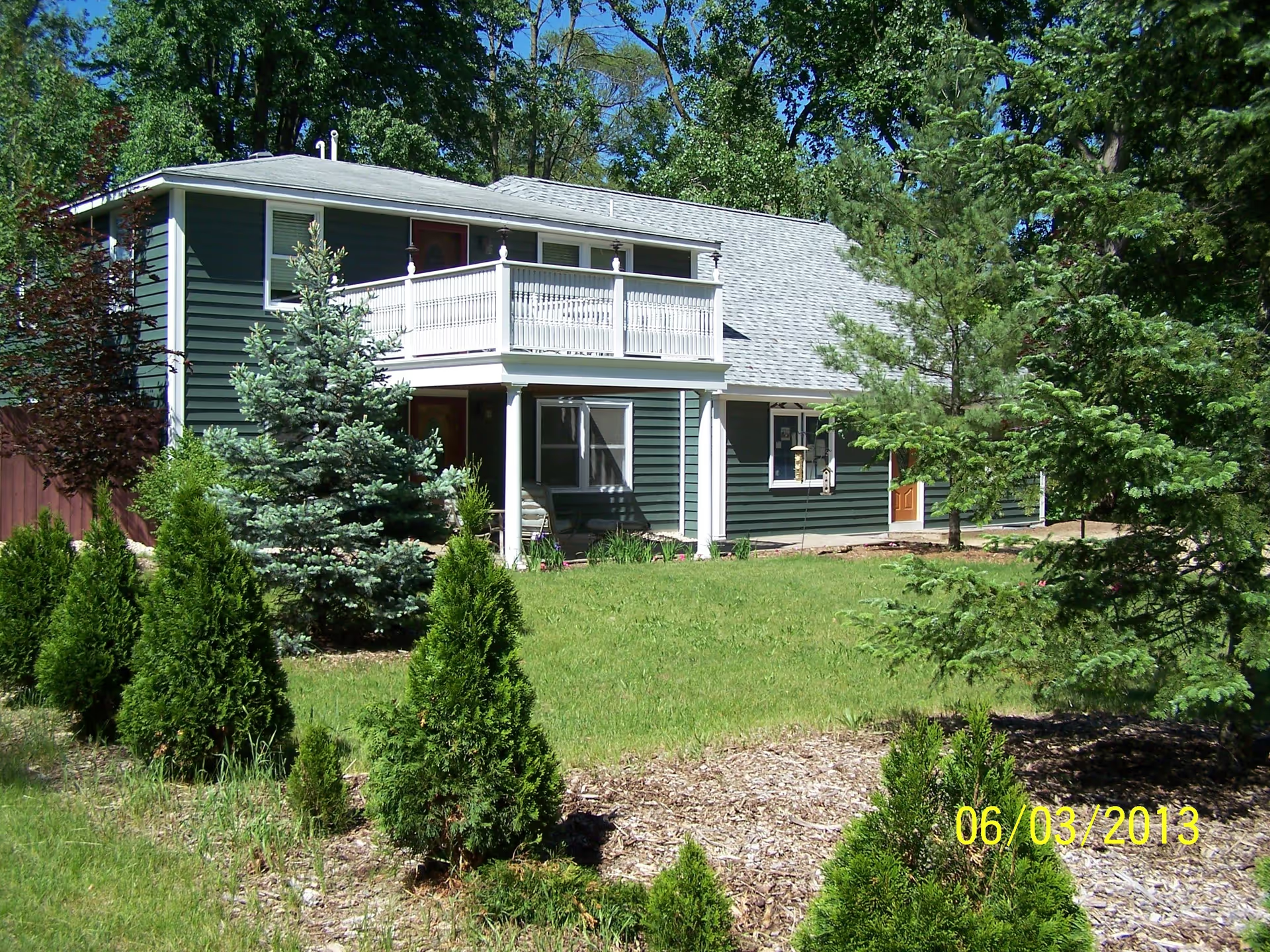
Facilities and safety: The physical environment is generally viewed favorably: clean, well-kept interiors, private and apartment-like rooms, pleasant courtyards, an inner garden, safe lighting, handrails, and grab bars. Memory-care features such as memory-jogging displays and a focused activities schedule were appreciated by many families, though some reviewers described older furnishings or a less-updated appearance in certain memory-care areas. Noted safety concerns relate to transfer practices and mobility assistance — families reported episodes where transfer-safety protocols appeared inconsistent. Prospective families should review transfer-assist procedures and staffing levels for mobility-dependent residents.
Management and notable patterns: There is a clear pattern of polarized experiences. Many families describe a warm, family-like culture with high-quality rehab and daily engagement; others describe operational lapses in responsiveness, medication/pharmacy coordination, housekeeping, laundry handling, and administrative follow-through. A few families perceived decision-making influenced by insurance or financial considerations, particularly around discharge timing and acceptance of higher-cost medications. Given this variability, it is advisable for families to confirm written care plans, medication sourcing, expected therapy cadence, and communication expectations before admission.
Bottom line: The Oaks at Woodfield offers strong rehabilitation services, appealing dining, and a well-maintained campus with engaging activities. These strengths are tempered by recurring operational issues — inconsistent staffing responsiveness, variability in clinical practice across shifts, and gaps in communication and logistics. Families considering the facility should weigh its rehab and social-program strengths against these operational risks, ask targeted questions about staffing, medication/pharmacy processes, transfer protocols, and housekeeping/laundry procedures, and establish clear communication and escalation pathways upon admission.