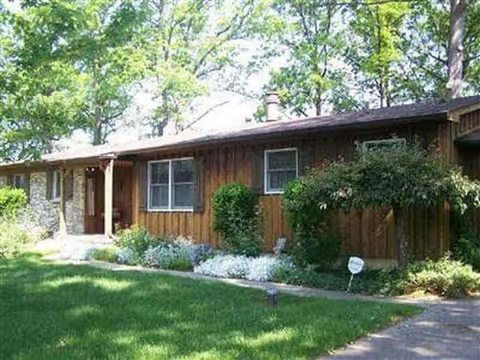
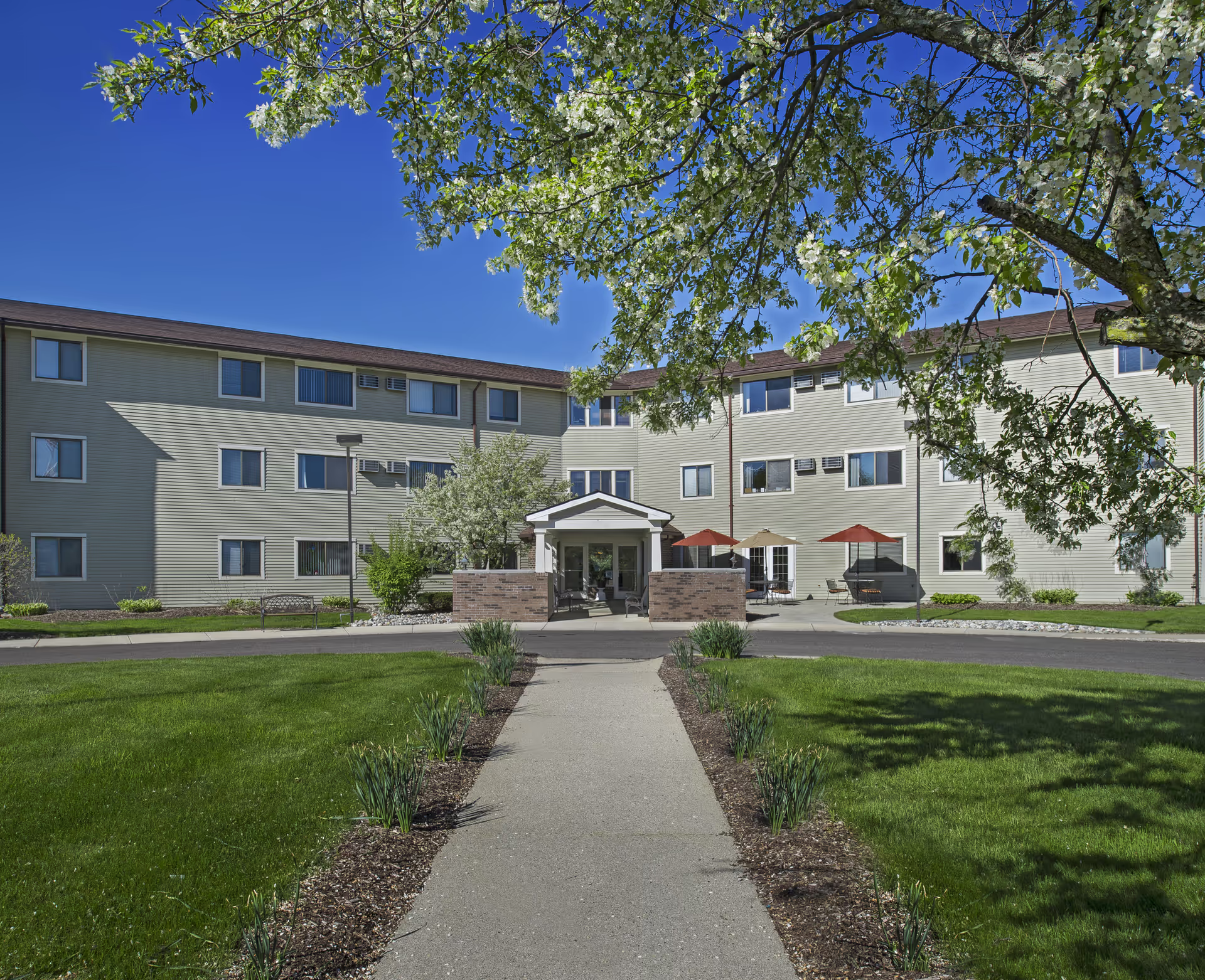
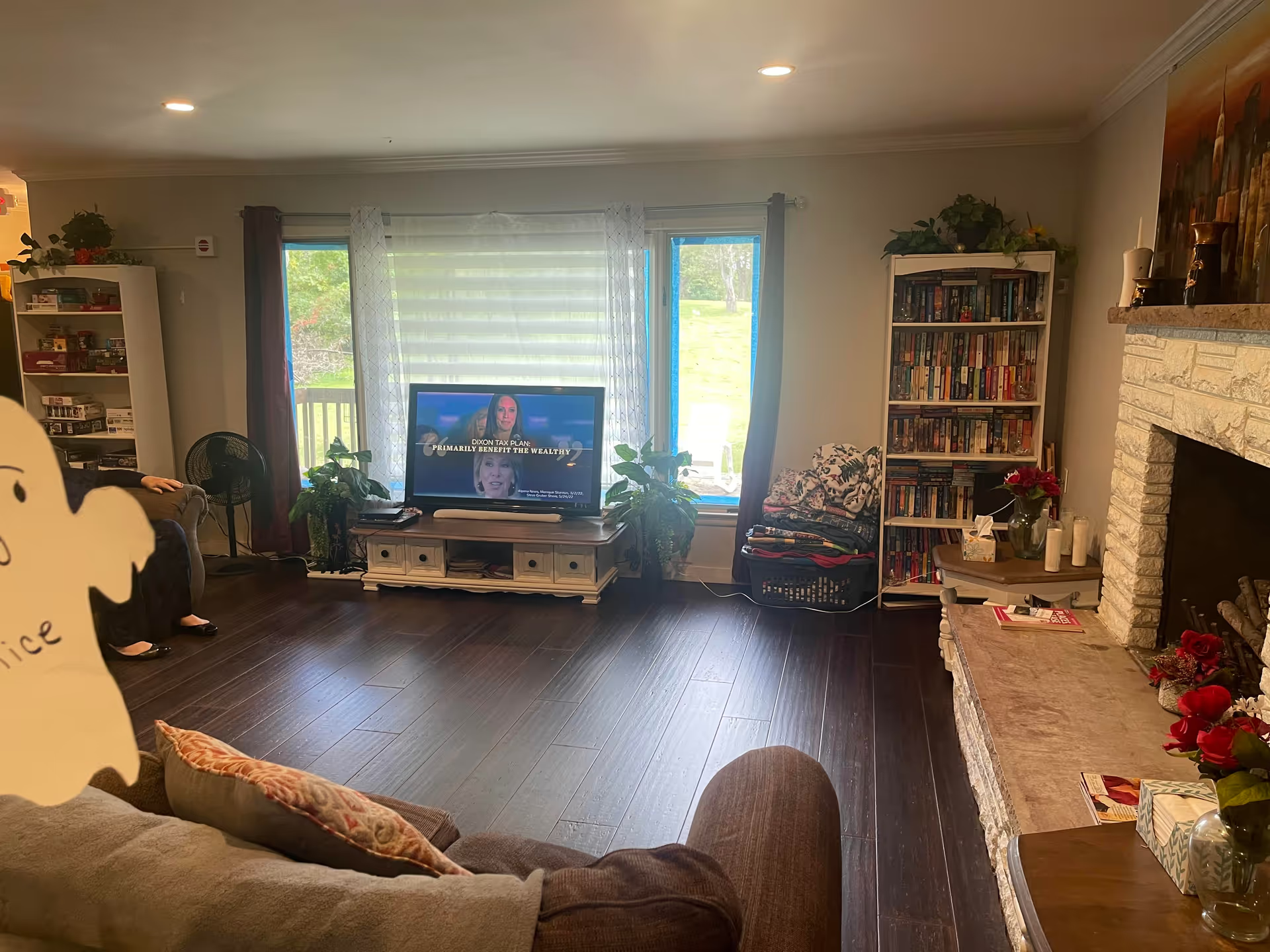
Tranquility Estates presents as a newly built, upscale independent-living community whose strongest and most consistent strengths are its physical environment, dining program, and broad amenity set. Reviewers frequently emphasize the elegant, hotel-like décor, open layouts, and accessible design (including two elevators), along with well-maintained grounds and convenient location. The facility offers a wide range of on-site amenities — movie theater, salon/barber, gym, sauna, library, chapel, and outdoor recreation — that support an active lifestyle and frequent social interaction.
Dining is a standout feature. The community offers restaurant-style meals with rotating monthly menus, seasonal buffets, generous portions, and low-sodium options. Dining staff and chefs are commonly described as cheerful and accommodating, and the large, airy dining room accommodates flexible dining times. Several accounts highlight the dining program as a principal reason residents and families are satisfied with daily life at the community.
Staff and direct care experience are mixed but lean positive in terms of compassion and resident rapport. Many families described caregivers and frontline employees as kind, attentive, and responsive; the presence of an in-building home health office and visiting clinicians adds a layer of clinical support that provides peace of mind. At the same time, recurrent operational concerns are evident: reviewers describe high staff turnover, periods of understaffing, and inconsistent staff conduct or responsiveness. These patterns appear to contribute to variable day-to-day experiences in care, activities engagement, and service delivery.
Activities and social life are emphasized as a core strength: planned activities, off-site outings, weekly events (for example, social happy hours), and an active schedule of crafts, games, exercise classes, and clubs. Multiple accounts praise the activities leadership and describe strong camaraderie among residents. However, changes in activity leadership and staff turnover have intermittently reduced engagement levels for some residents, indicating that program quality is sensitive to staffing stability.
Operational and management themes are mixed. Some families praise on-site directors and named staff for knowledgeable, compassionate leadership; others describe management instability, leadership turnover, and friction when an activities leader was reassigned. Reviewers also raise coordination concerns with contracted care vendors (for example, gaps in communication between the community and a contracted provider) and occasional front-desk coverage lapses. Pricing and fee transparency were called out by some families as an area for closer review prior to move-in. Importantly, the community is positioned primarily as independent living rather than a full assisted- or skilled-care facility; prospective residents with significant medical or assisted-care needs should confirm scope of services before committing.
Overall, Tranquility Estates is likely to be a strong fit for older adults seeking upscale independent living with robust social programming, extensive amenities, and high-quality dining. Families considering the community should weigh its advantages in environment and food against operational considerations: verify current staffing levels and turnover trends, ask how the community coordinates with contracted care providers, confirm housekeeping and front-desk coverage expectations, and clarify fee structures and the precise limits of on-site medical or assisted-care services. Doing so will help align expectations with the facility’s strengths and the operational areas that have shown variability.