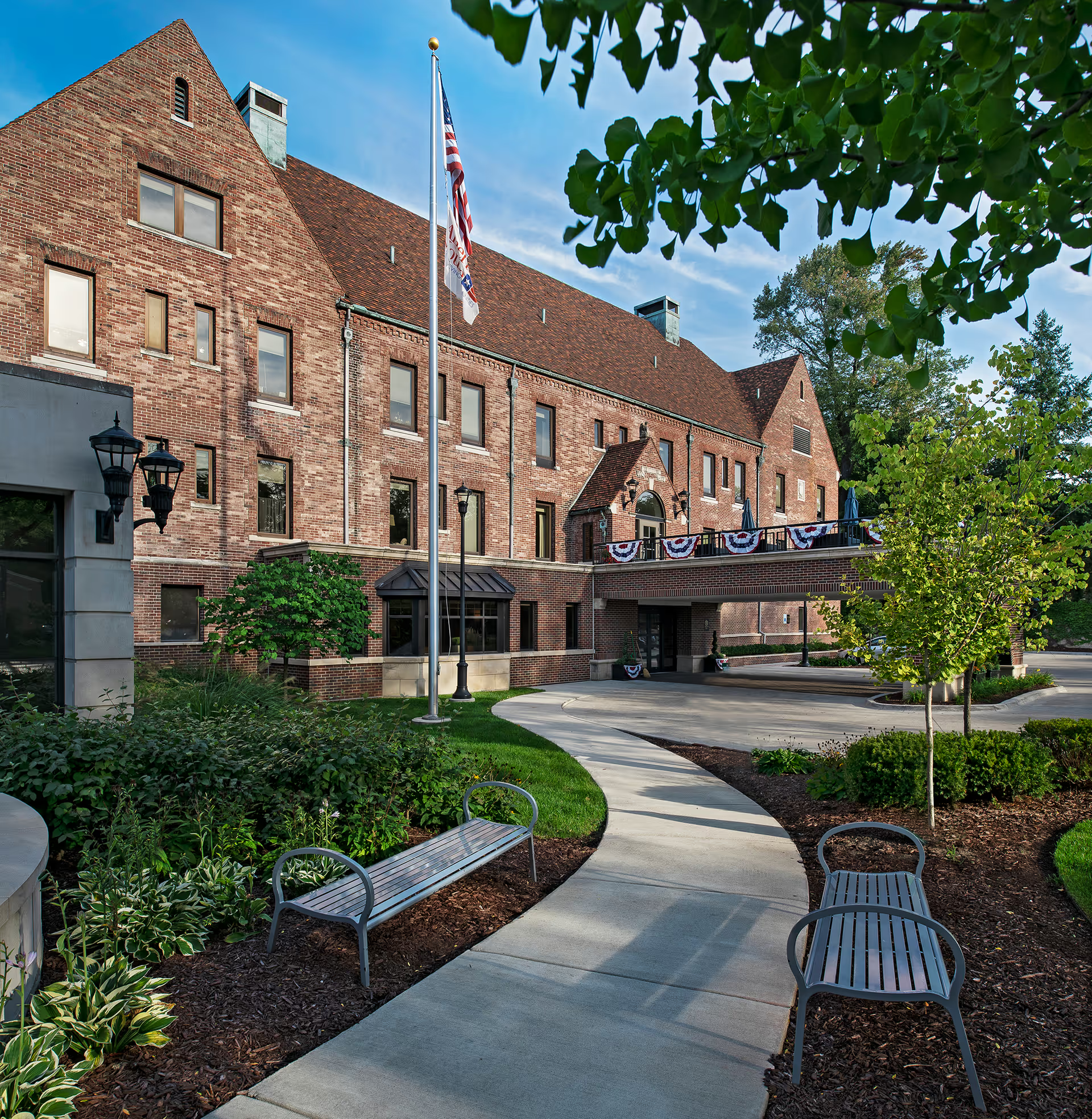
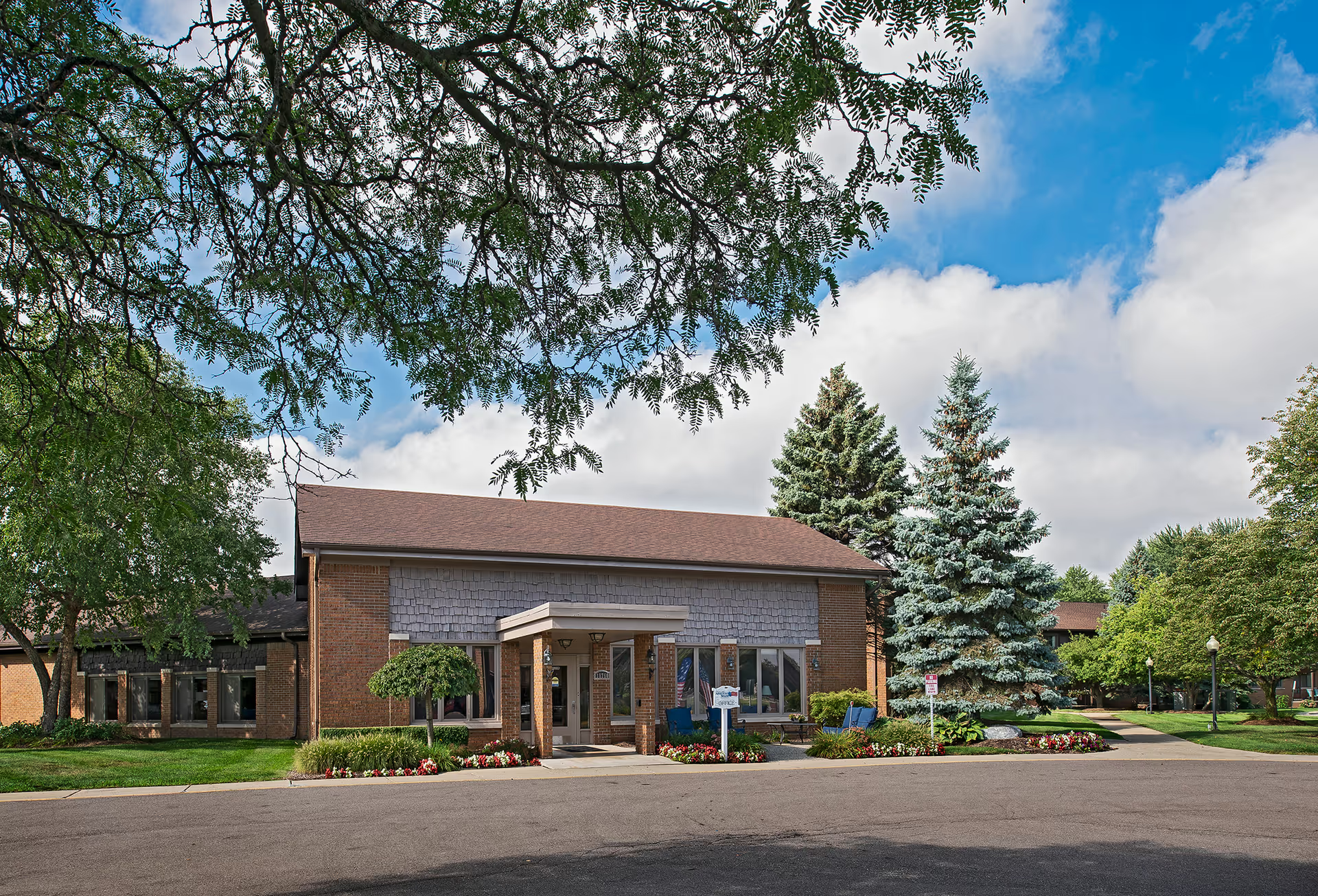
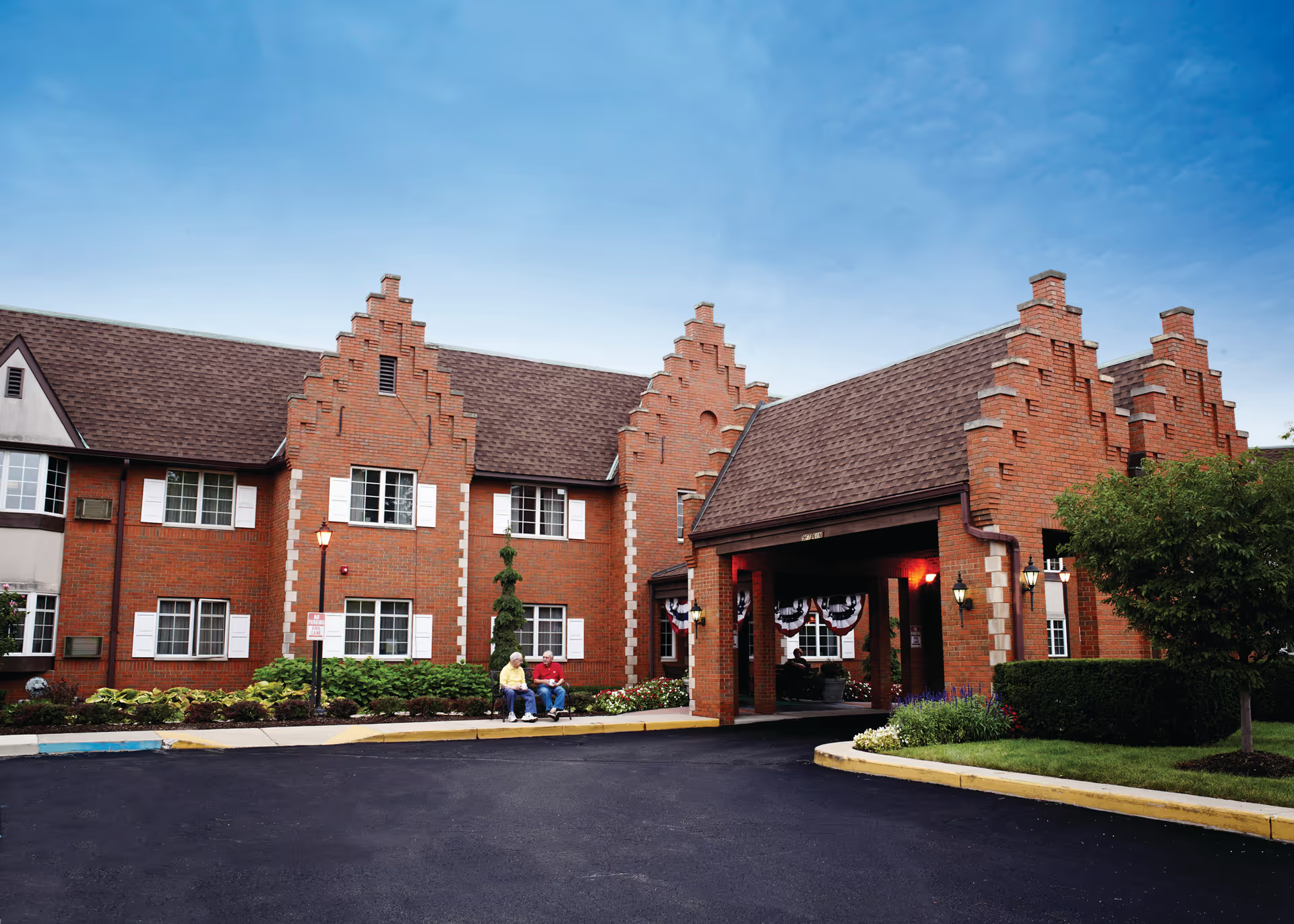
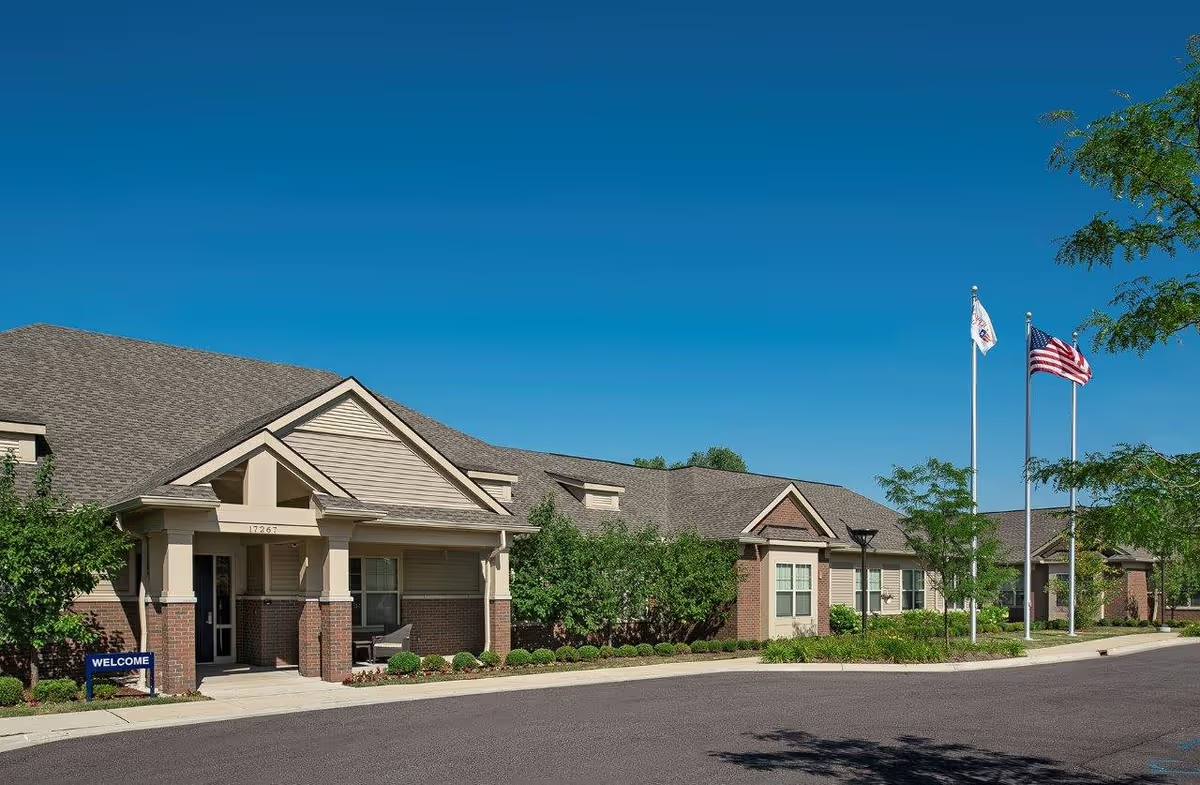
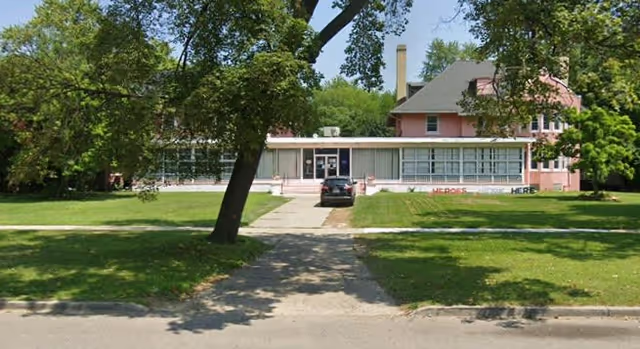
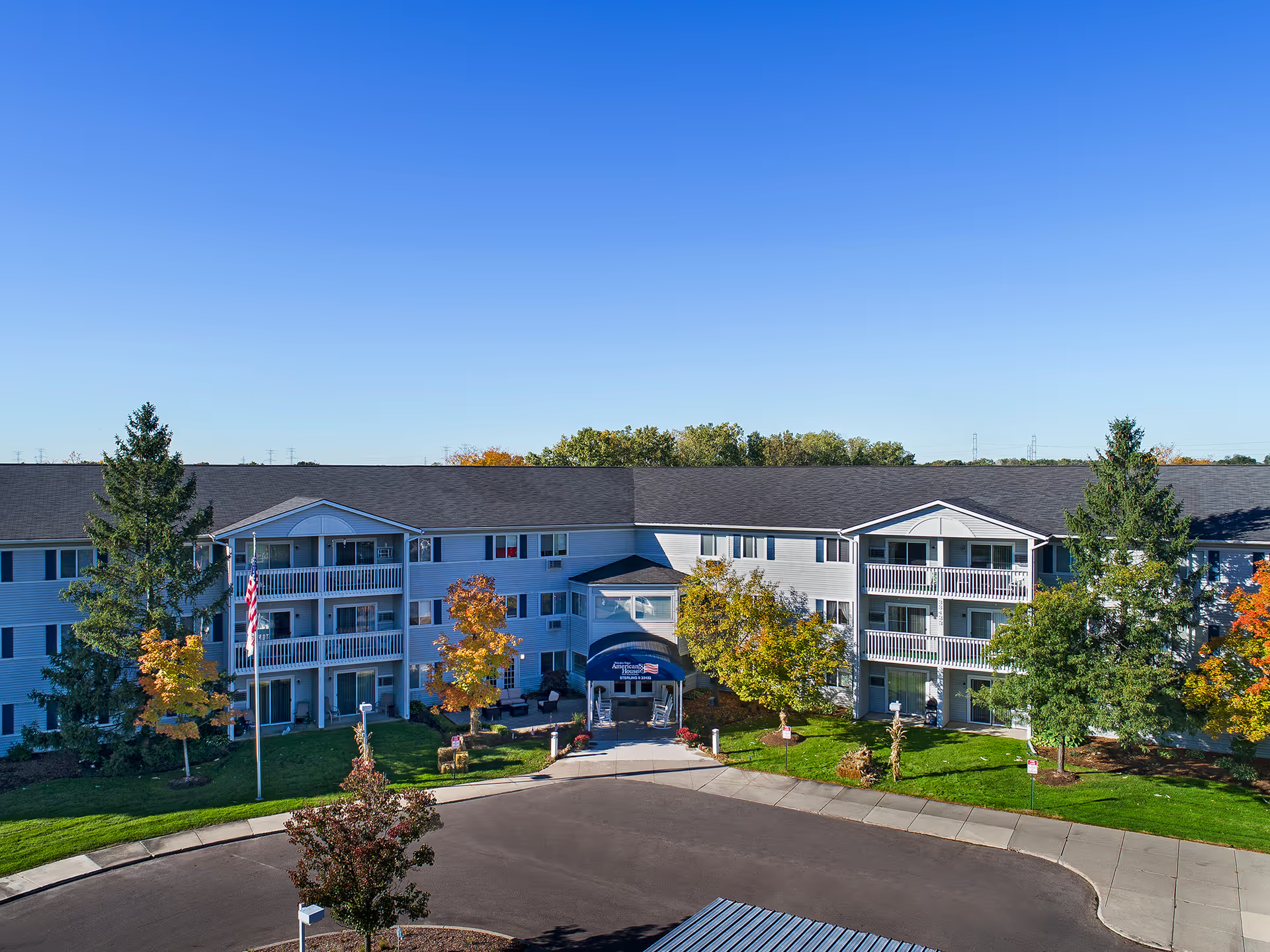
Sunrise on Vernier presents as a modern, well‑appointed memory‑care and assisted‑living community with many strengths in day‑to‑day resident life. Reviewers commonly describe a clean, bright facility with spacious rooms and thoughtfully maintained common areas. The community emphasizes memory‑care expertise, offers personalized hands‑on care, and maintains visible infection‑control measures. Families frequently cite compassionate, responsive caregivers, hospice collaboration at end of life, and staff willingness to engage residents through social touches such as birthday celebrations, holiday decorations, baking and other activities.
Dining and social programming are noted positively in many accounts: menus are varied with dietary accommodations, dining is flexible (in‑room or dining room), and the activity calendar includes outings, bus trips, crafts, and seasonal events. The community is pet‑friendly, provides good visitor parking, and offers conveniences such as easy communication with nursing staff and proactive admissions support. Several families described prompt attention from leadership during move‑in and strong front‑desk assistance during pandemic restrictions.
Alongside these strengths, a recurrent pattern of operational weaknesses emerges. Staffing instability and high turnover are the most consistent concerns, and reviewers linked this to uneven caregiver competency, longer wait times, and difficulty maintaining regular shift teams. Several accounts describe inconsistency in clinical coordination — including medication and psychiatric follow‑through — that creates variability in resident outcomes. Relatedly, some families reported weight loss or insufficient food intake when meal service varied, and a number of reviews raised issues with laundry handling and the tracking of personal belongings.
Facility upkeep and administrative management also receive mixed feedback. While main common areas are described as well kept, some resident rooms and bathrooms show wear and require maintenance; families reported delays in addressing heating/cooling or other resident‑room repairs. Communication and leadership stability were raised as concerns in multiple comments: management turnover and inconsistent oversight were associated with perceived declines in care quality over time. Financial concerns appear in a subset of reports, including perceptions of high and rising fees and at least one serious claim about billing and power‑of‑attorney handling; these are presented here as allegations that warrant further inquiry by prospective residents and their representatives.
In summary, Sunrise on Vernier offers many elements families seek in memory‑care and assisted living: a clean, secure environment, dementia‑focused clinical expertise, active programming, and a generally compassionate staff. Prospective residents should weigh those strengths against pattern‑level concerns about staffing consistency, care coordination, meal and laundry processes, room maintenance responsiveness, and cost transparency. Visiting the community, reviewing staffing ratios, asking for recent incident or quality reports, and discussing billing and clinical‑coordination practices with administration can help families assess fit for their specific needs.