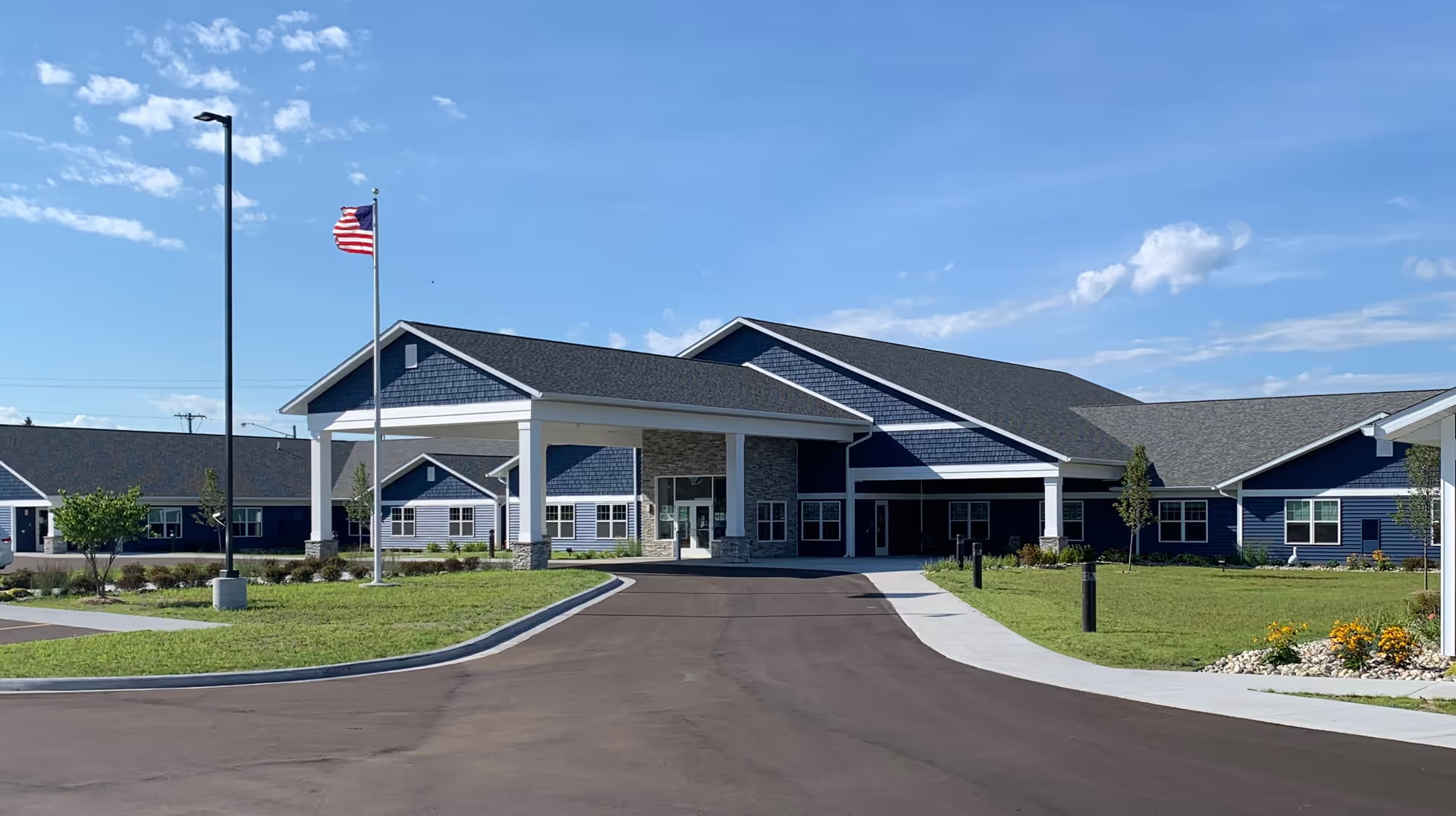
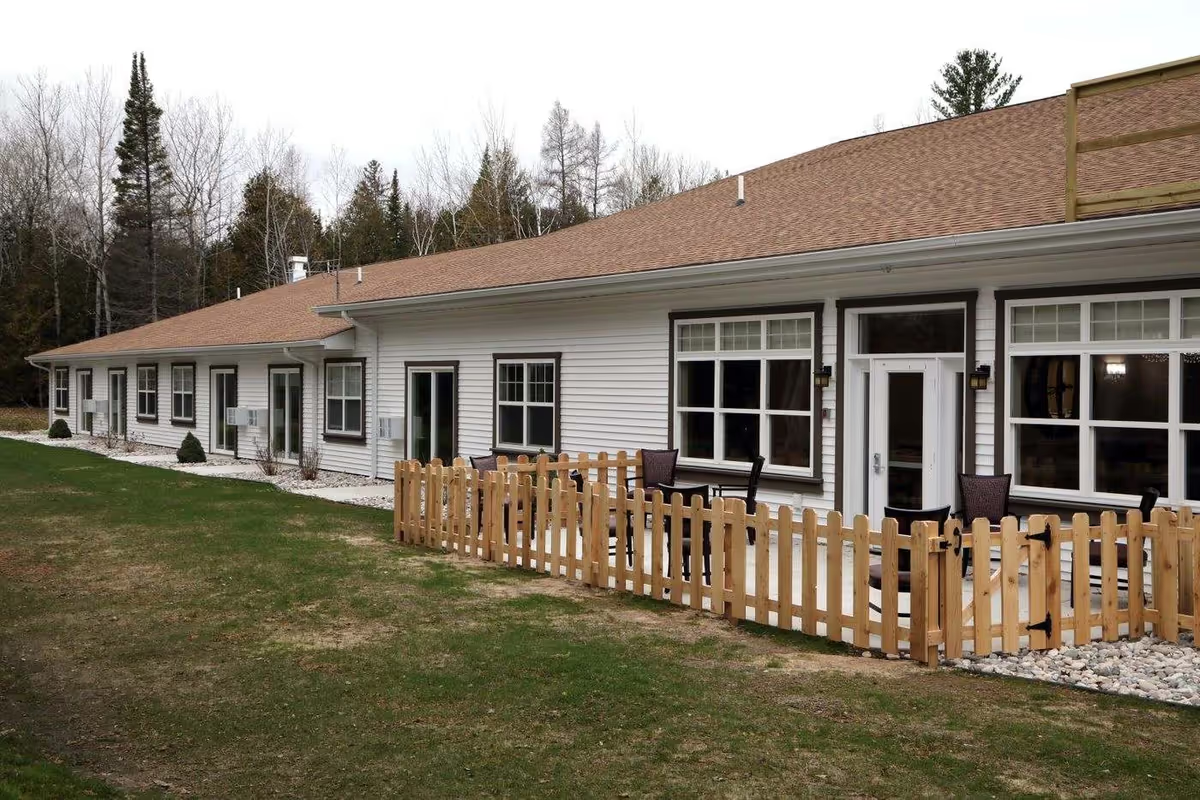
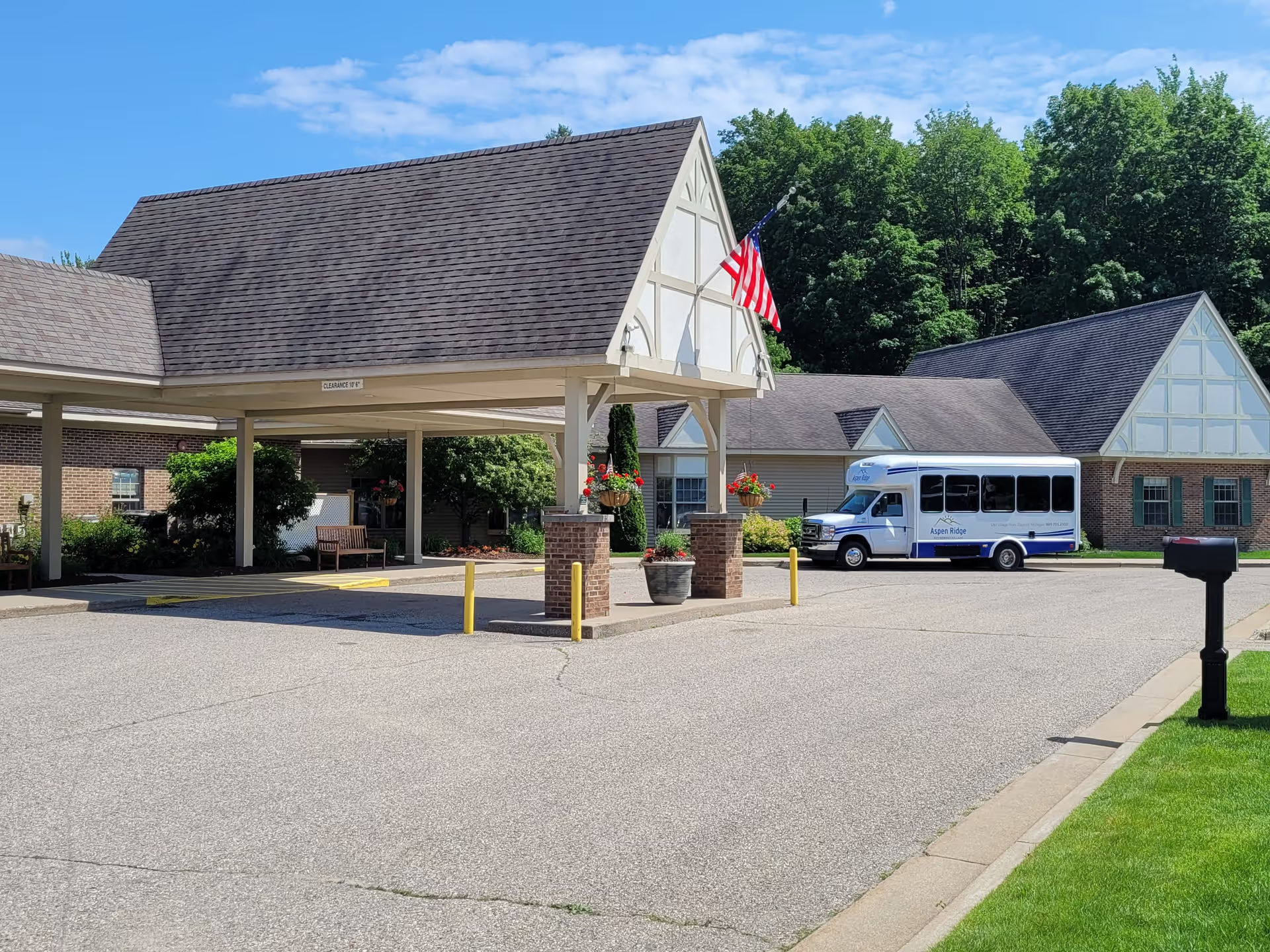
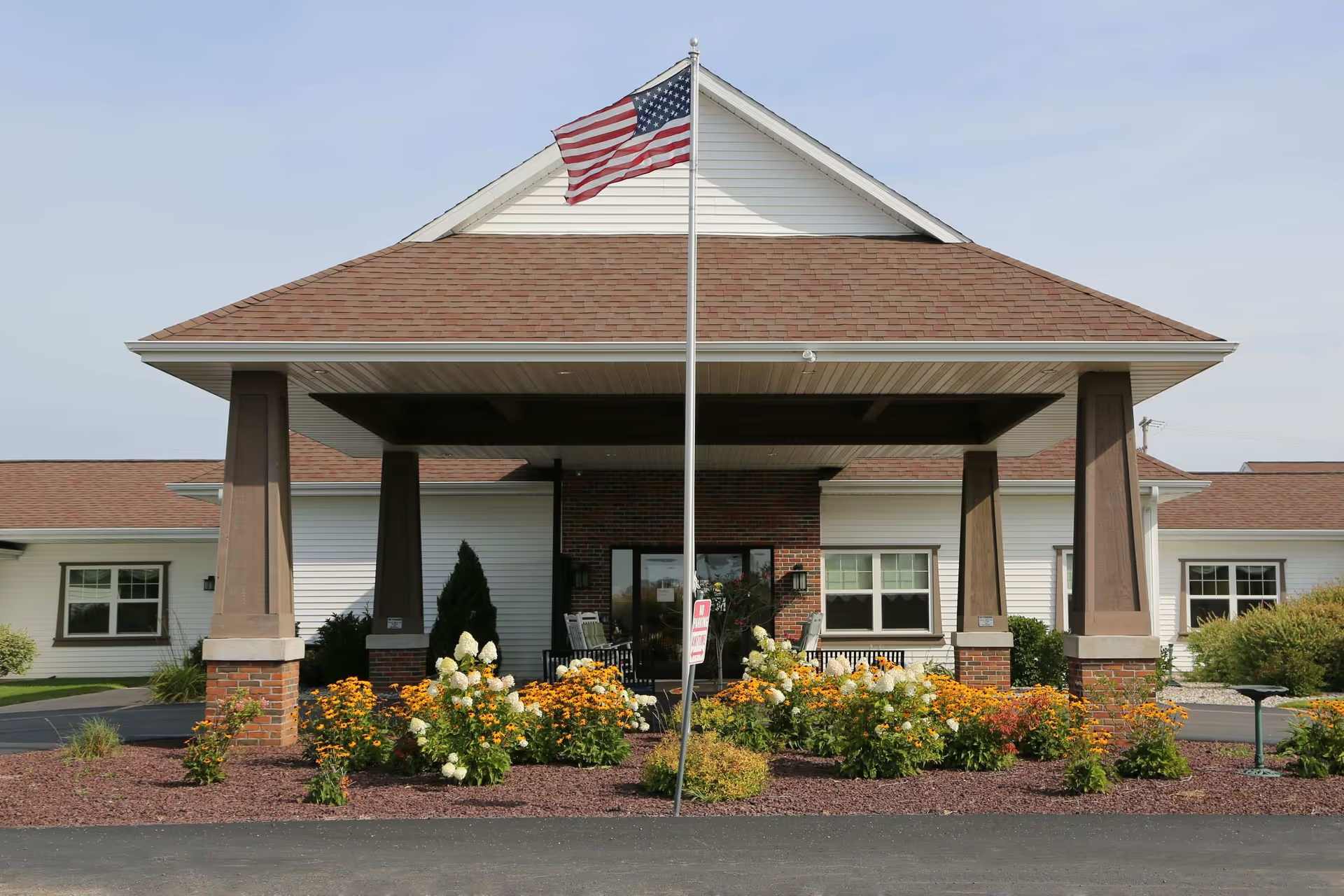
The reviews present a mixed but instructive portrait of Medilodge of Hillman. Many families praise the interpersonal side of care: staff are frequently described as compassionate, friendly, and family-oriented, with clinicians and therapy personnel characterized as knowledgeable and recovery-focused. The facility's rehabilitation department and regular physical therapy programs receive consistent positive mention, and reviewers often highlight engaging group activities, a welcoming dining room atmosphere, and private rooms. Several comments also emphasize efficient administration, frequent clinical updates to families, and an overall clean, well-maintained environment.
Care and staffing are the most prominent strengths. Reviewers describe respectful staff–resident interactions, attentive nursing and aide support, and a home-like culture that fosters resident socialization. Therapy services are viewed as a particular asset for short-term rehab or recovery-focused stays. At the same time, there are recurring operational concerns related to staff conduct, responsiveness, and staffing levels. Some families noted delays or tone issues when raising concerns, which suggests variability in how the facility handles escalation and complaint resolution.
Dining and activities are generally positive; families reported that residents enjoy the dining-room interactions and the activity schedule (including bingo and other group events). The facility's physical environment draws praise for being clean and well kept, with multiple mentions of private rooms and a pleasant therapy department. However, sanitation and odor-control issues are mentioned in a subset of reviews, and there are specific concerns about inconsistent personal-care routines, including bathing frequency.
Clinical operations show both strengths and weaknesses. While therapy and clinical competence are frequently commended, a few reviewers raised issues around medication timing and administration practices, indicating inconsistency in adherence to scheduled medication timing. Understaffing was also cited as a factor that may contribute to delays in routine care and to uneven responsiveness across shifts.
Management and expectations: some families perceive a gap between the facility's marketing and the care actually experienced, and there are noted inconsistencies in how complaints and promises are followed up. Prospective residents and families would benefit from targeted questions during a tour: ask about current staffing ratios, bathing and personal-care schedules, medication-administration procedures and timing safeguards, how the facility documents and follows up on family concerns, and opportunities to observe meals and activities in person.
Overall, Medilodge of Hillman appears to deliver strong, compassionate rehabilitation and long-term care for many residents, supported by engaged therapy and nursing staff and a pleasant physical setting. At the same time, there are operational patterns—sanitation/odor control, personal-care scheduling, medication timing, and complaint-resolution consistency—that warrant clarification before placement. A careful, on-site evaluation and direct questions to administration can help families weigh the facility's evident strengths against these operational concerns.