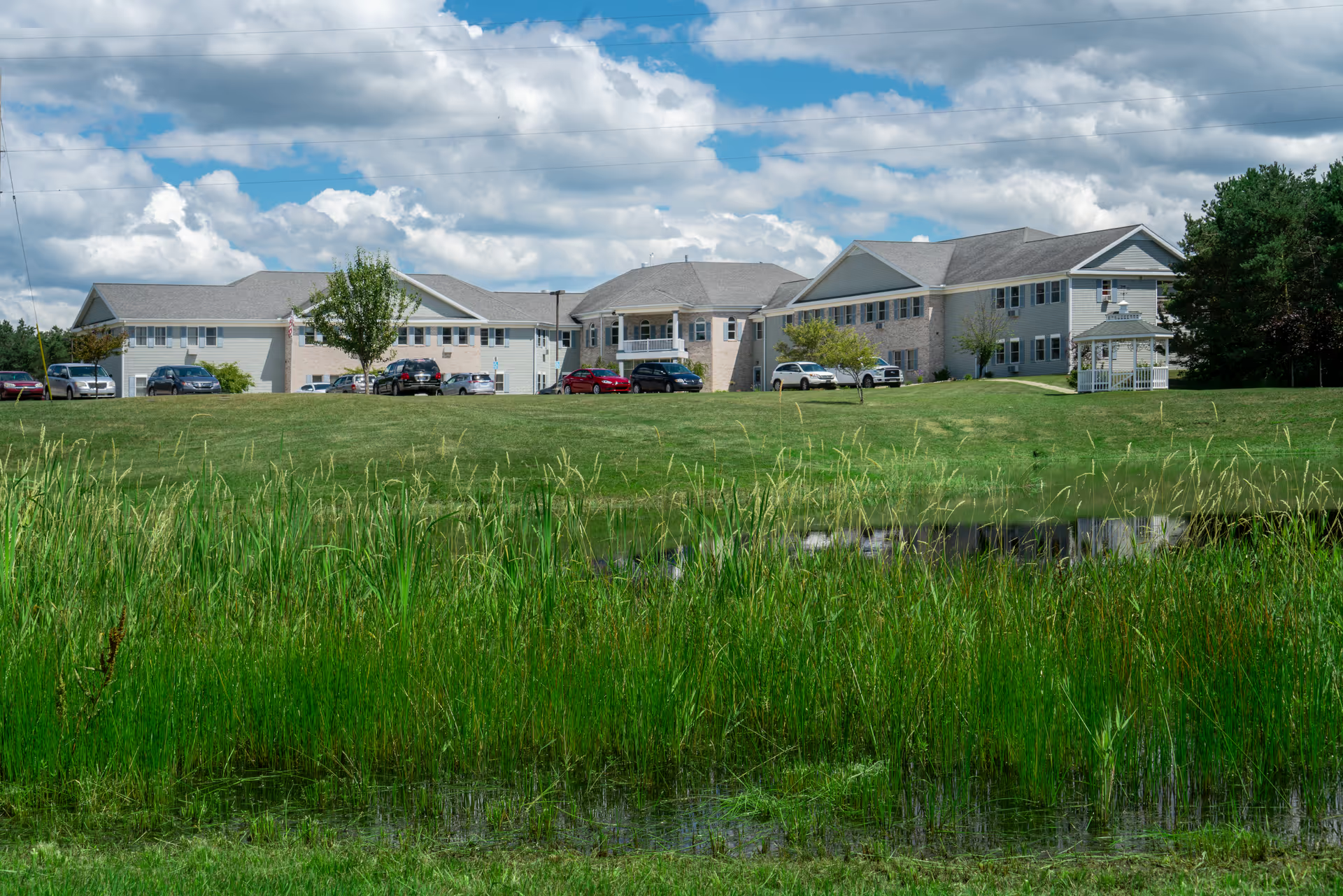
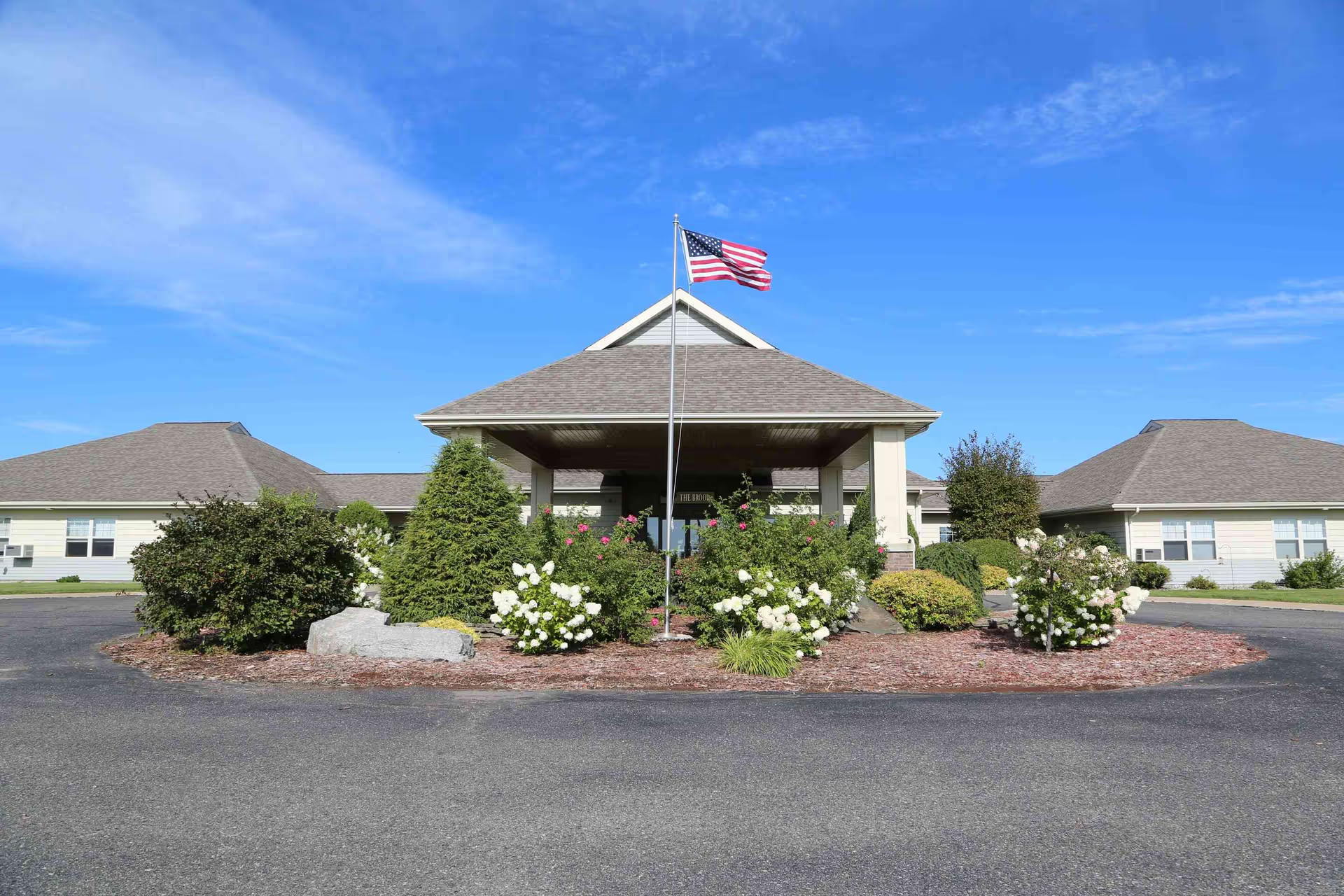
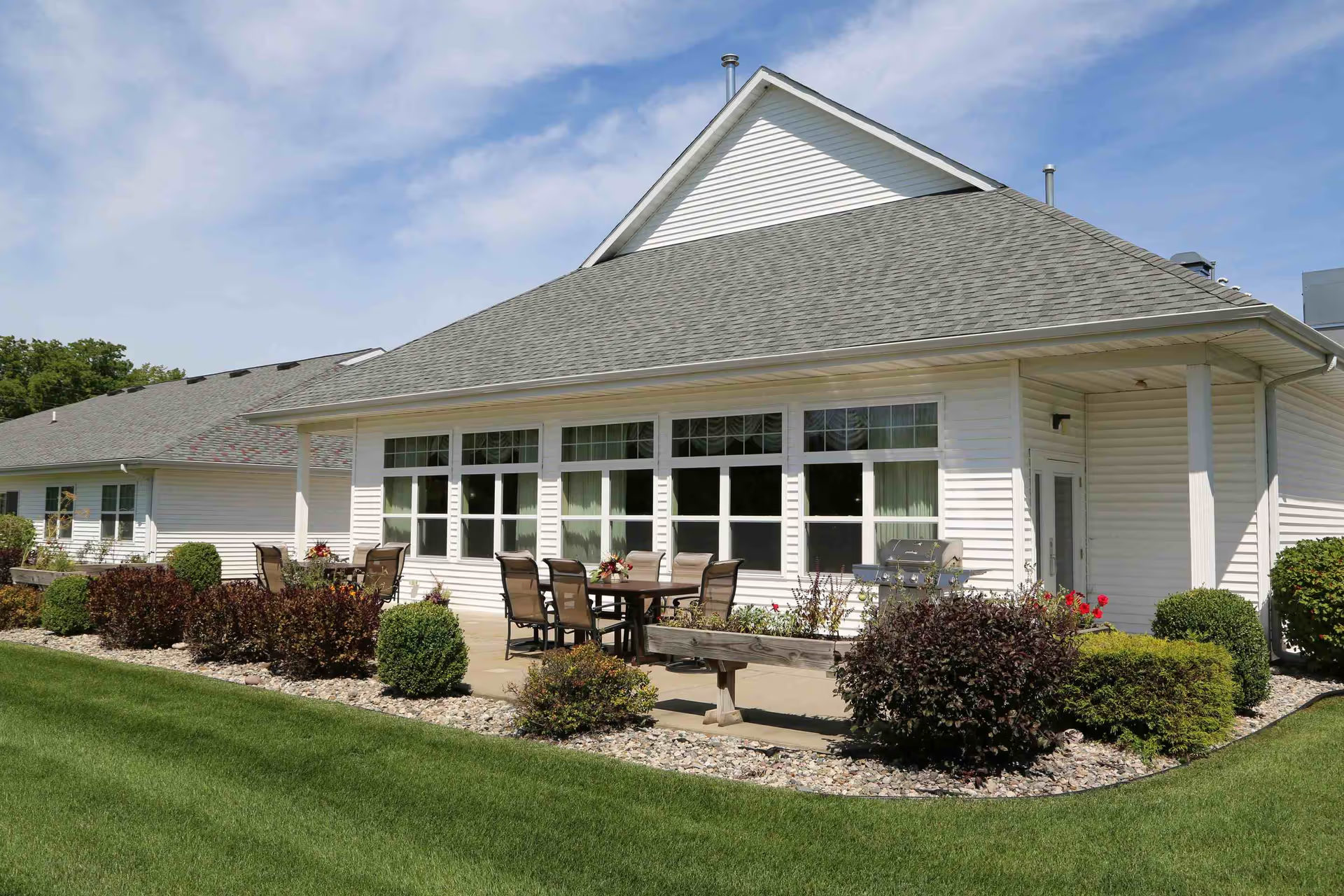
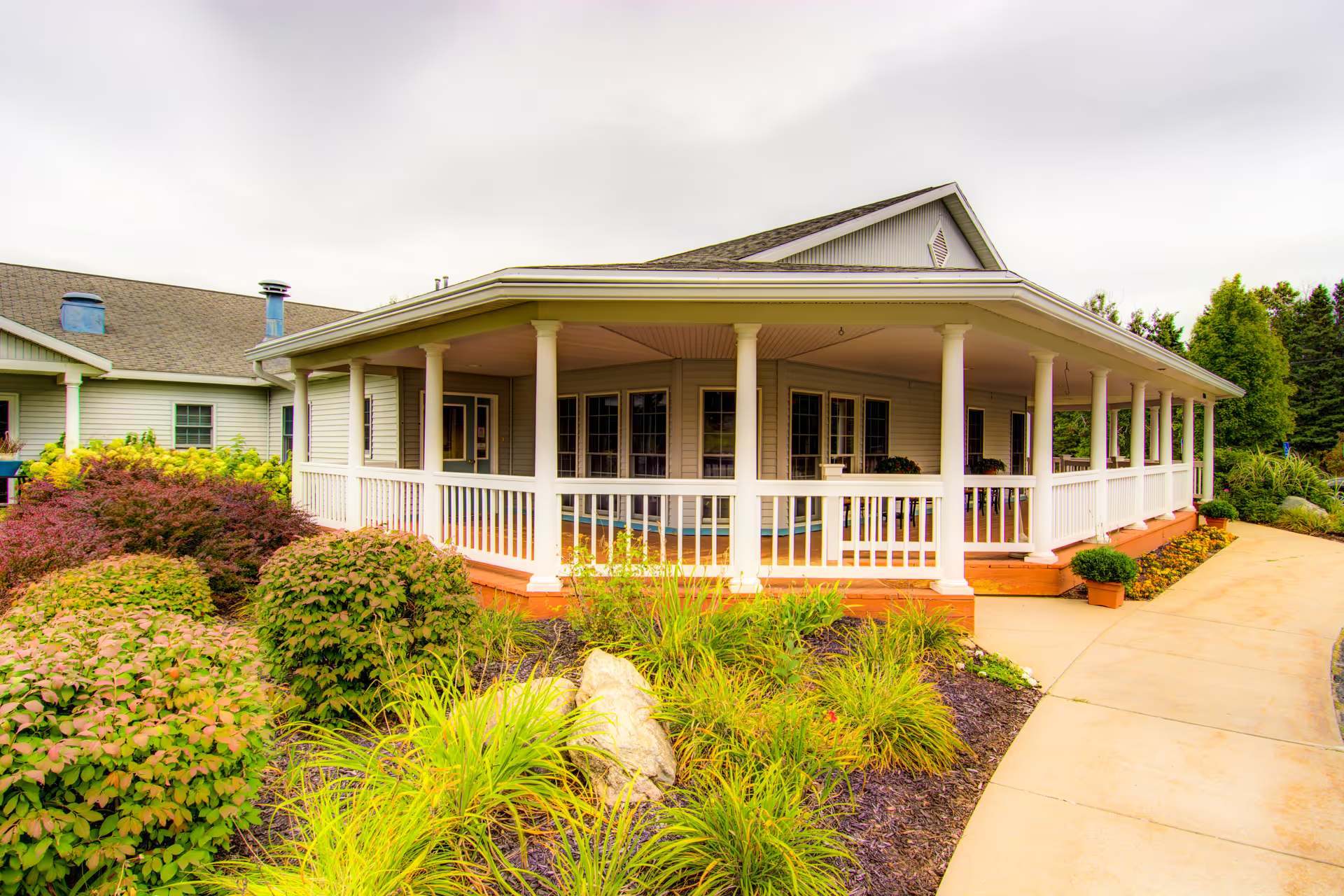
The Brook of Houghton Lake elicits strongly mixed but specific impressions. Many families describe a clean, modern building with well-kept common areas and a small, intimate community that supports social engagement. The activity calendar is a clear strength: reviewers noted regular church services, music groups, choir and singing events, crafts, exercise classes, Bingo, and seasonal activities that encourage participation. Physical spaces such as an exercise room, piano area, and restaurant-style dining contribute to a lived-in, welcoming environment for residents who are primarily independent or require light assisted living.
Staff and direct care are a frequent source of praise as well as concern. Numerous accounts highlight compassionate, attentive caregivers and named staff who provided strong support—particularly around hospice and end-of-life care. At the same time, there is a consistent theme of variability: families report understaffing on night shifts and at peak times, delayed responses to call bells, and differences in aide competency. These operational inconsistencies can affect day-to-day assistance (timely toileting, meal checks, or help getting to activities) and contribute to perceptions that the facility may not be prepared for higher-acuity residents.
Dining and clinical services show a similar pattern of strengths and limits. The facility offers restaurant-style dining and coordinated meal service, and some residents are reported to be happy with food and social dining. Other reviews describe uneven meal quality, delivery problems (cold meals, missed lunches), and limited diabetic or special-diet accommodations. Clinical concerns include variability in medication-management practices and family reports of consent or communication gaps related to medication decisions. Reviewers also raised issues about infection-control practices and staff vaccination adherence, which families should clarify during a tour.
Facilities and safety: overall the building is described as attractive and well-maintained, but several reviewers raised sanitation and odor concerns in specific common areas and noted limited surveillance/visibility (few or no cameras) that contributed to worries about resident safety and timely oversight. The community does not have an on-site memory-care unit and staff indicate they cannot accommodate residents who progress to higher levels of care, so transitions to other settings may be necessary. Some families also described unreliable processes for respite stays and late room readiness on arrival.
Management and administrative patterns merit attention. A number of reviewers described strained communication with management and corporate offices, opaque lease or billing changes, difficulties obtaining written confirmations (for lock changes or special requests), and disputable post-move charges or refund handling. A few serious allegations related to medication practices and staff conduct were raised by families; while these appear to be isolated in the overall dataset, they underscore the importance of reviewing policies and documentation carefully.
Bottom line: The Brook of Houghton Lake offers many qualities attractive to independent or lightly assisted residents—engaging activities, pleasant spaces, and a staff culture that can be very supportive. However, operational inconsistencies (staffing, responsiveness, medication-consent processes), limitations in higher-acuity and memory care, and administrative/communication issues are recurring themes. Prospective residents and families should observe staffing levels at different times of day, ask about call-response times and camera/visibility policies, review medication-consent and infection-control procedures, confirm dietary accommodations, and obtain clear, written terms for lease, billing, and respite arrangements before committing.