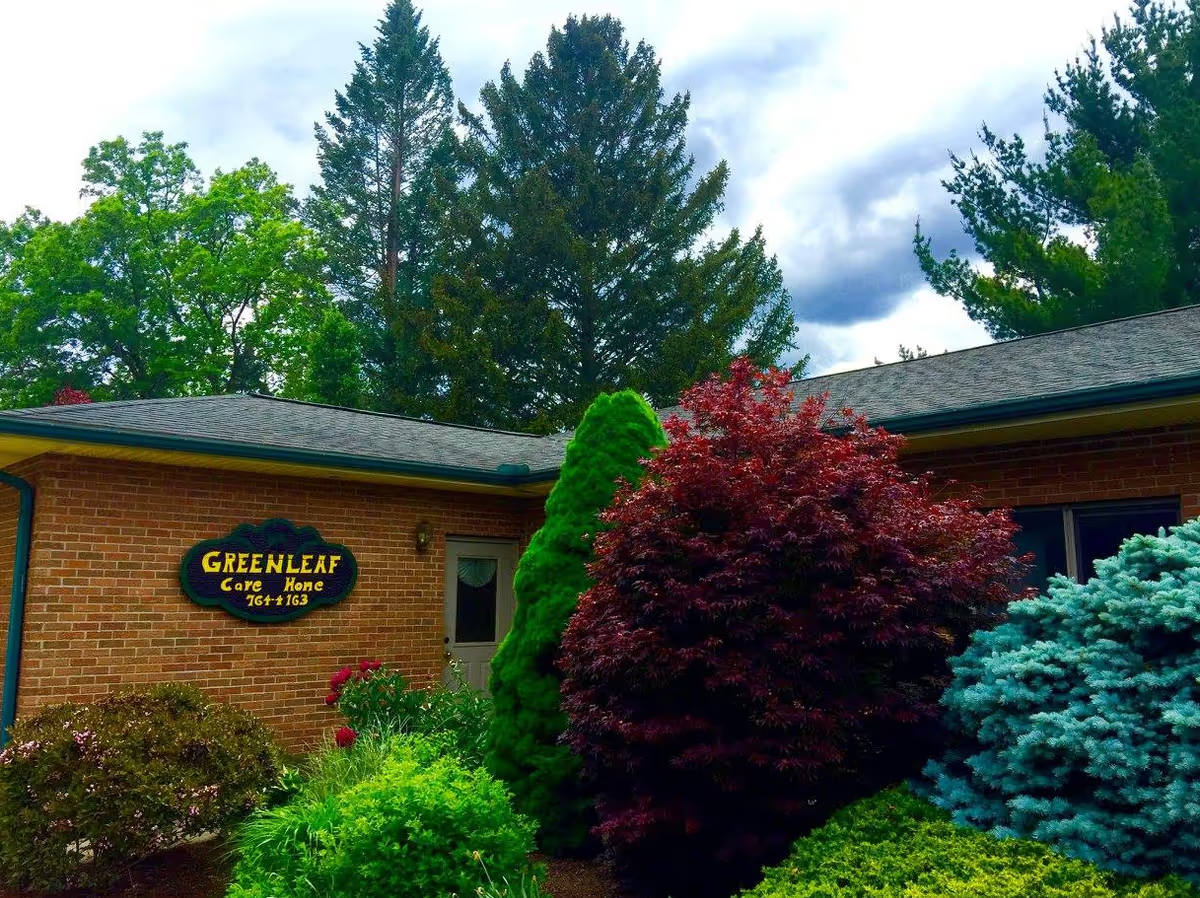
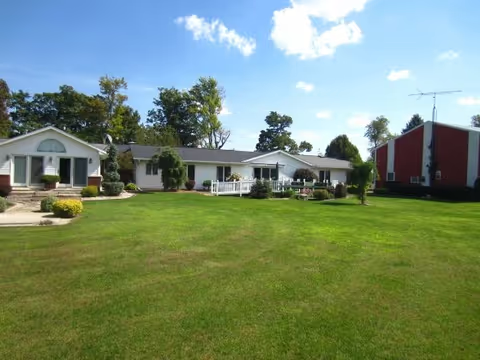
Overall impression: Reviewers provide a mixed but informative picture of the facility. Many families and patients praised the interpersonal aspects of care, especially the kindness and attentiveness of CNAs, nurses, and therapists, and they frequently credited the therapy team with motivating measurable rehabilitation gains. At the same time, there are recurring operational and safety concerns that prospective residents and families should evaluate when considering this facility for either short-term rehabilitation or longer stays.
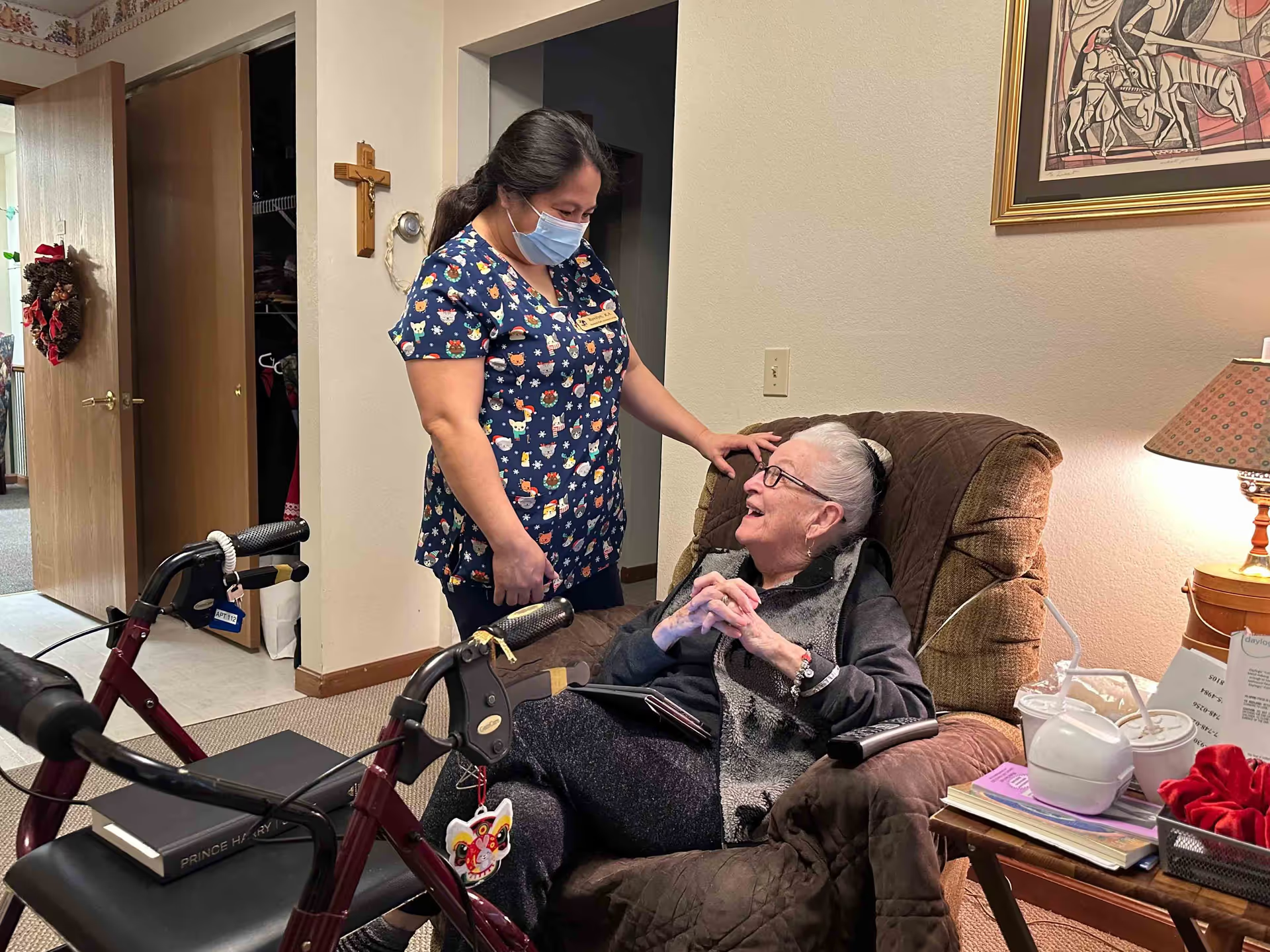
Care and staff: Strengths center on compassionate, family-style staff interactions and a therapy program that several families described as effective and encouraging. Physical and occupational therapists are repeatedly noted as knowledgeable and motivating, and reviews include examples of discharge-readiness progress such as improved ambulation. However, reviewers also described inconsistent clinical competency among staff, delays in responding to call lights and requests, and examples that point to gaps in clinical monitoring and escalation. These patterns suggest variable adherence to clinical protocols and uneven staff training or staffing levels at times.
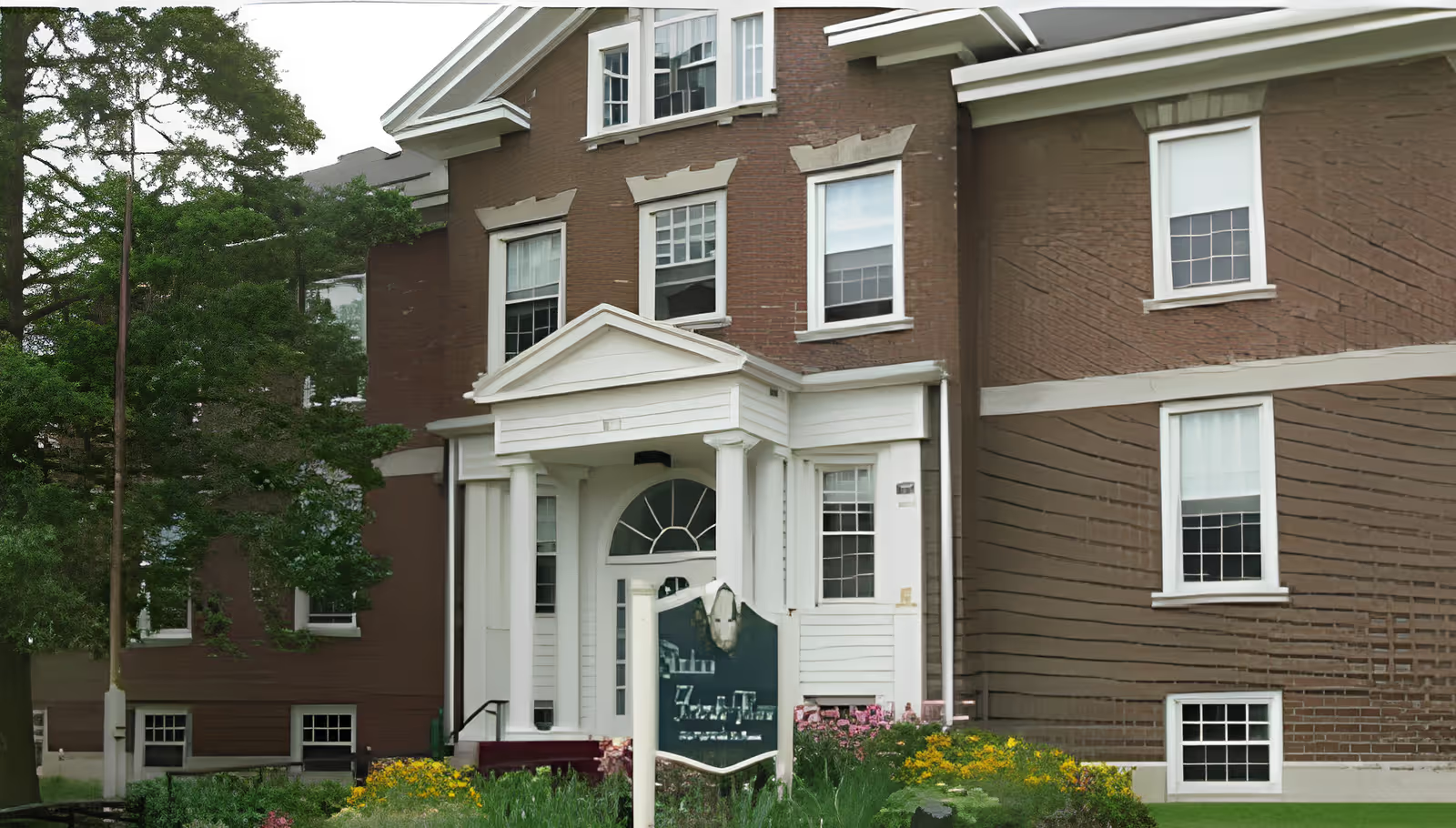
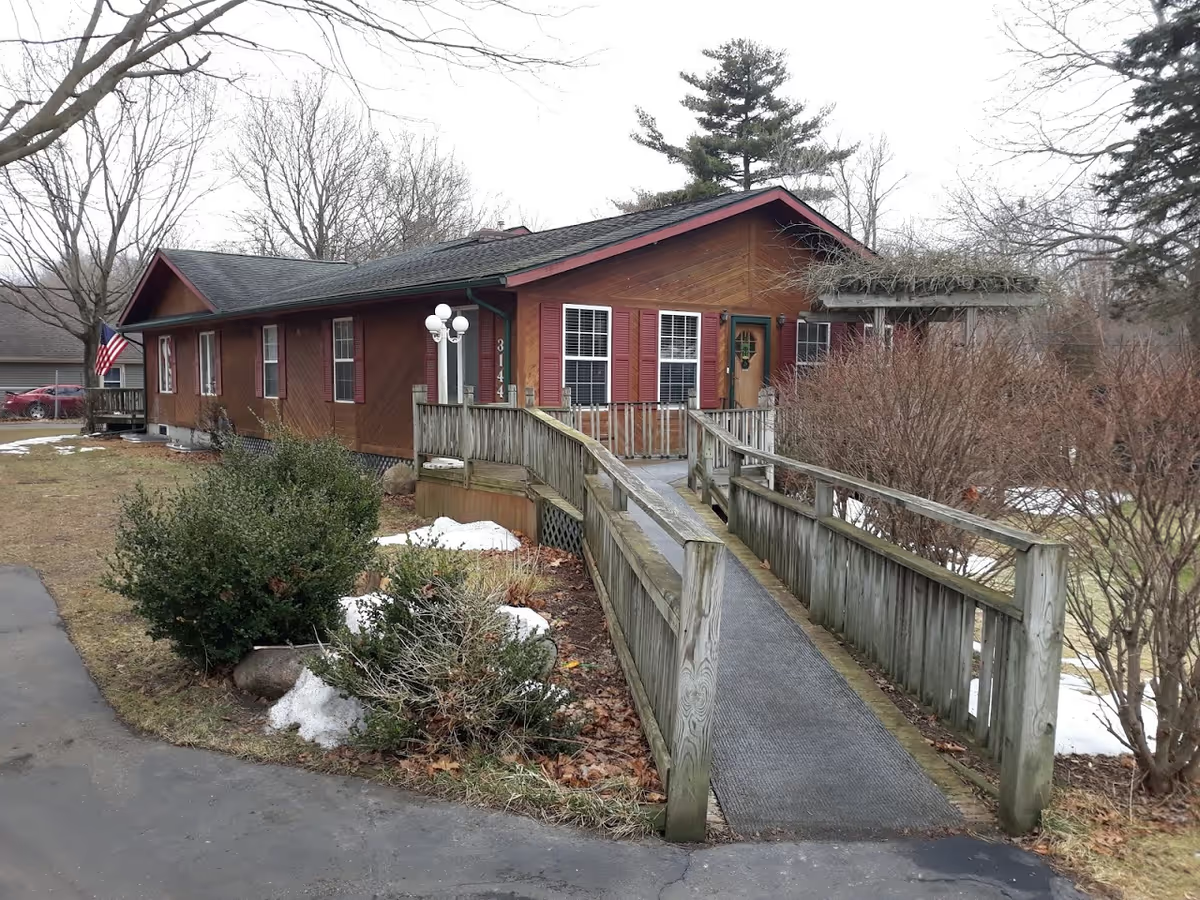
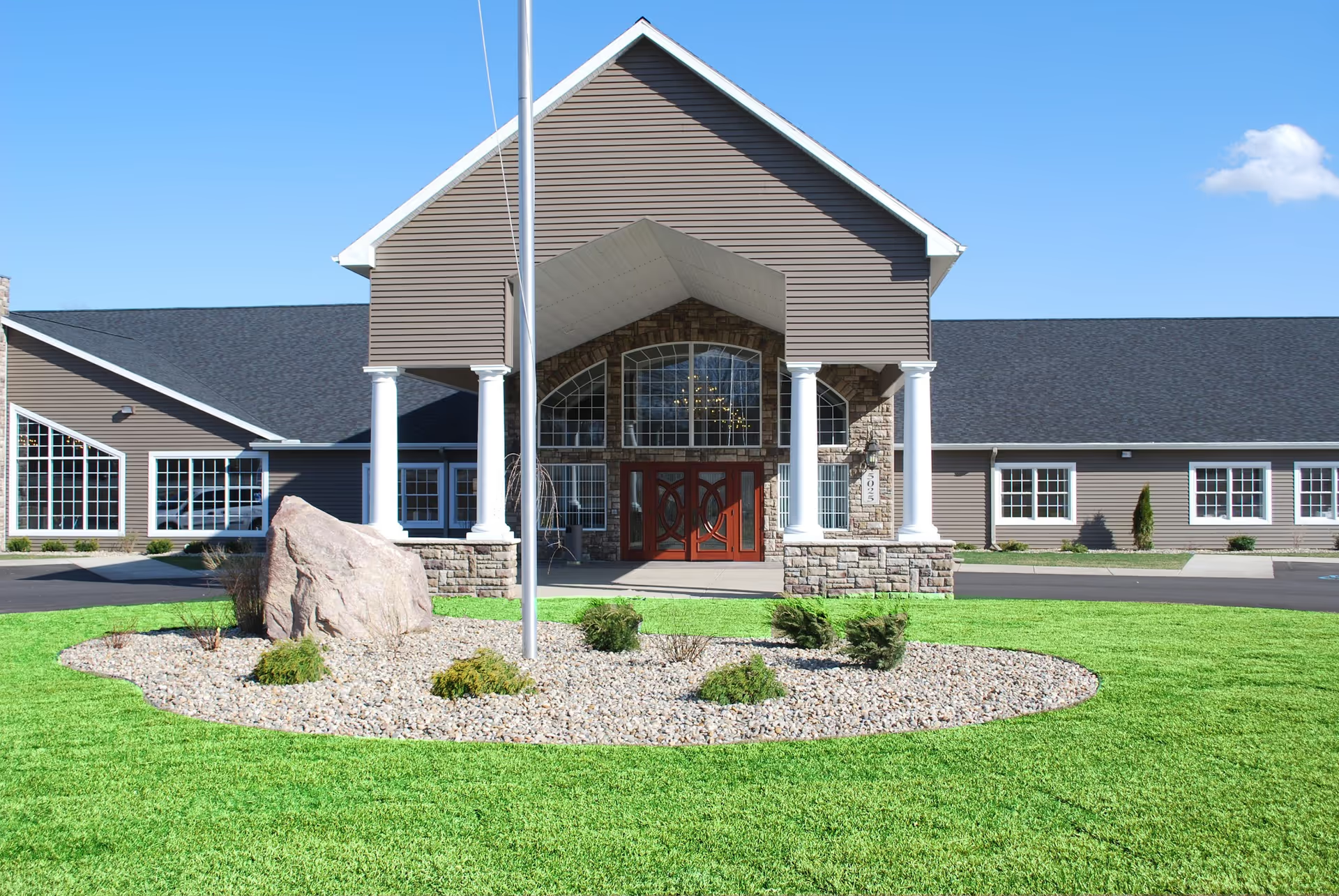
Dining, activities, and facilities: Positive comments highlight home-style, nutritious meals, occasional dining outings, a clean environment, roomy accommodations, and an active calendar of social and evening events that many residents enjoy. At the same time, meal quality appears inconsistent across stays, and a subset of families noted sanitation and odor concerns in certain areas. The facility accepts Medicare and Medicaid and uses safety monitoring tools such as ankle bracelets; large rooms and accessible common spaces were noted as strengths by multiple reviewers.
Management, communication, and operations: Management performance is described unevenly. Several families appreciated proactive discharge planning and administrative assistance for some patients, yet others experienced inadequate discharge follow-up and poor communication that left them dissatisfied after transition home. Common operational issues include lost or misplaced laundry and personal items, limited transparency about bed availability or readiness, and perceived lapses in privacy and documentation practices. There are also serious individual allegations regarding medication management and decision-making; these are not presented as facility-wide findings but are items families flagged as requiring careful inquiry.
Notable patterns and guidance: If you are evaluating this facility, weigh the strong short-term rehabilitation and therapy reputation and the generally compassionate bedside manner against documented operational weaknesses: response times to requests, consistency of clinical oversight, discharge follow-up, and personal-item management. For prospective residents with complex, long-term clinical needs, the reviews suggest exercising extra caution and confirming staffing levels, safety protocols, and communication practices. Families should ask facility leadership about call-response metrics, fall-prevention protocols, medication review processes, lost-item policies, and concrete examples of how discharge follow-up is managed to determine whether this facility matches their care expectations.