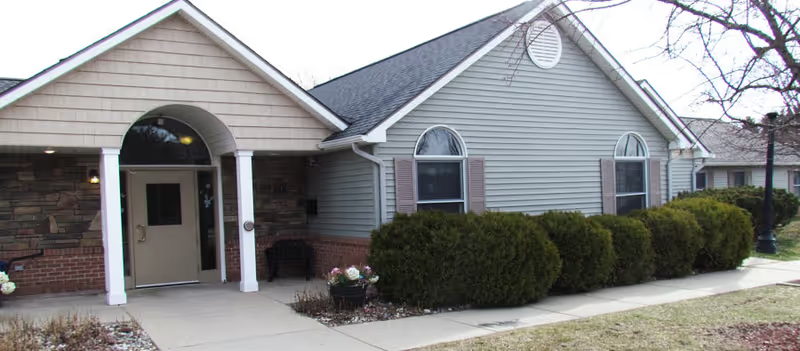
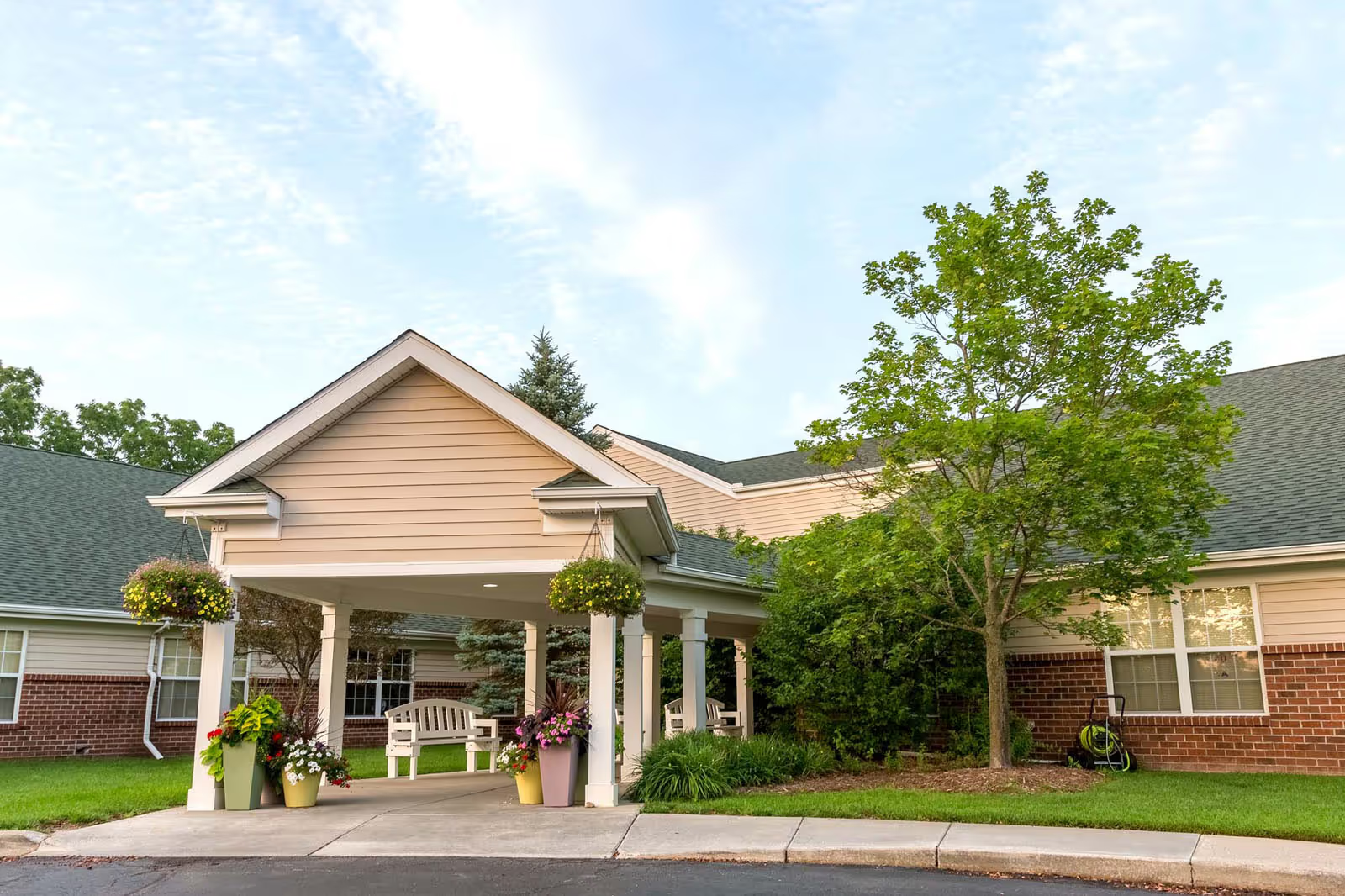
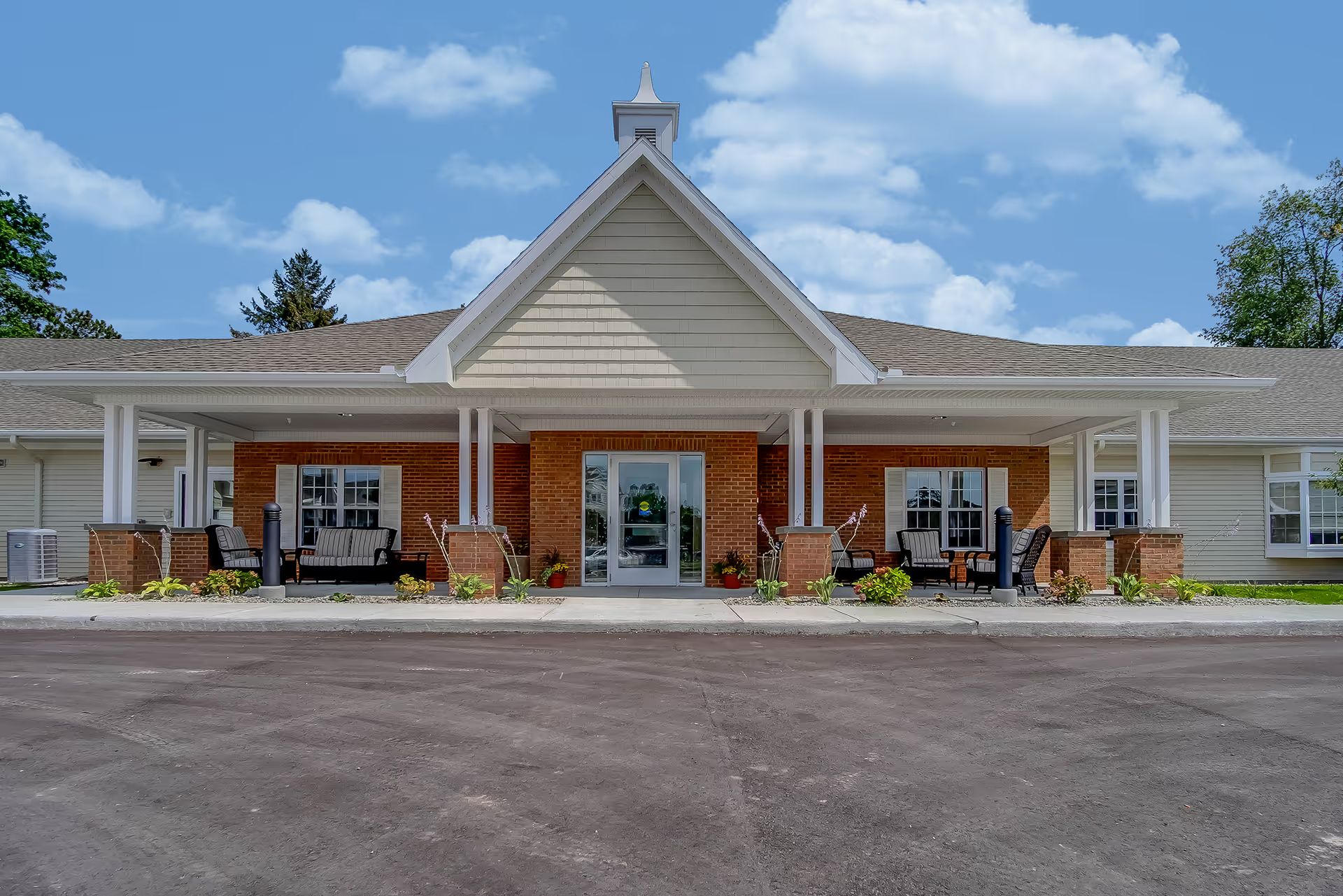
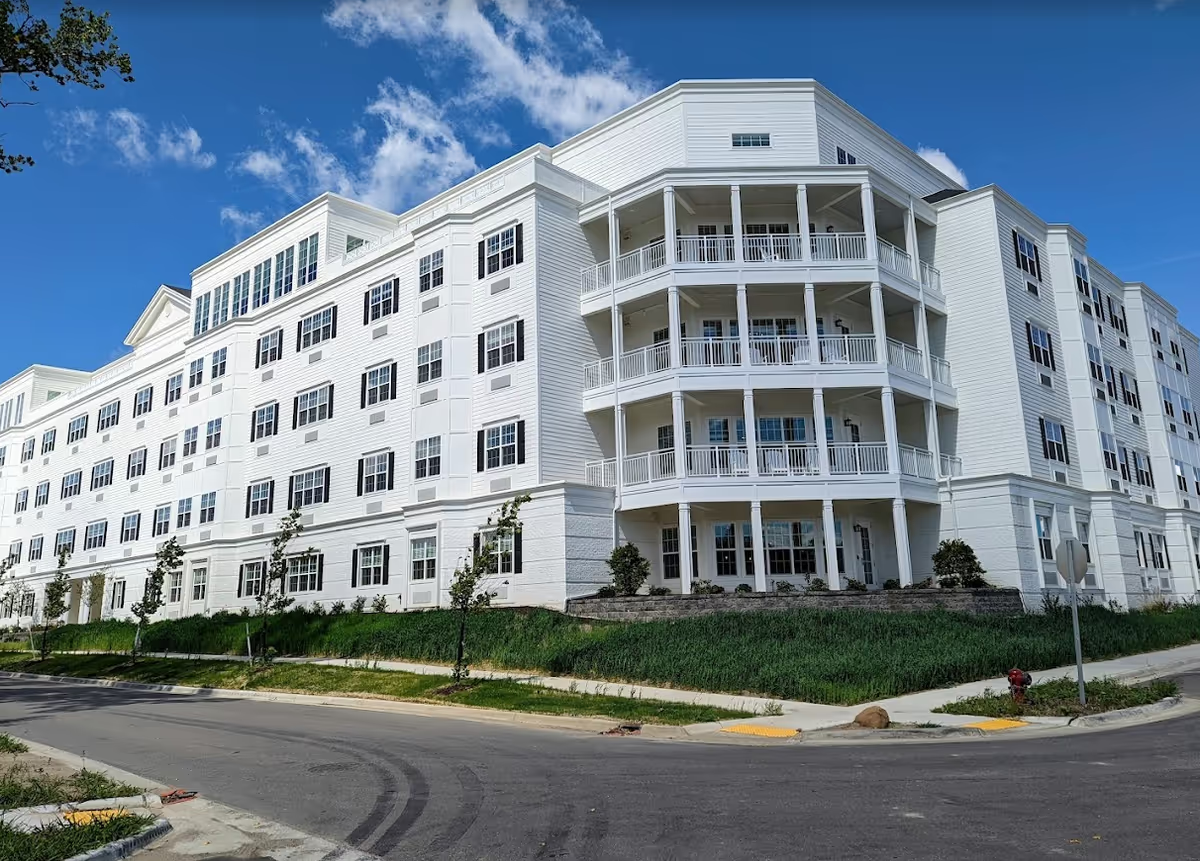
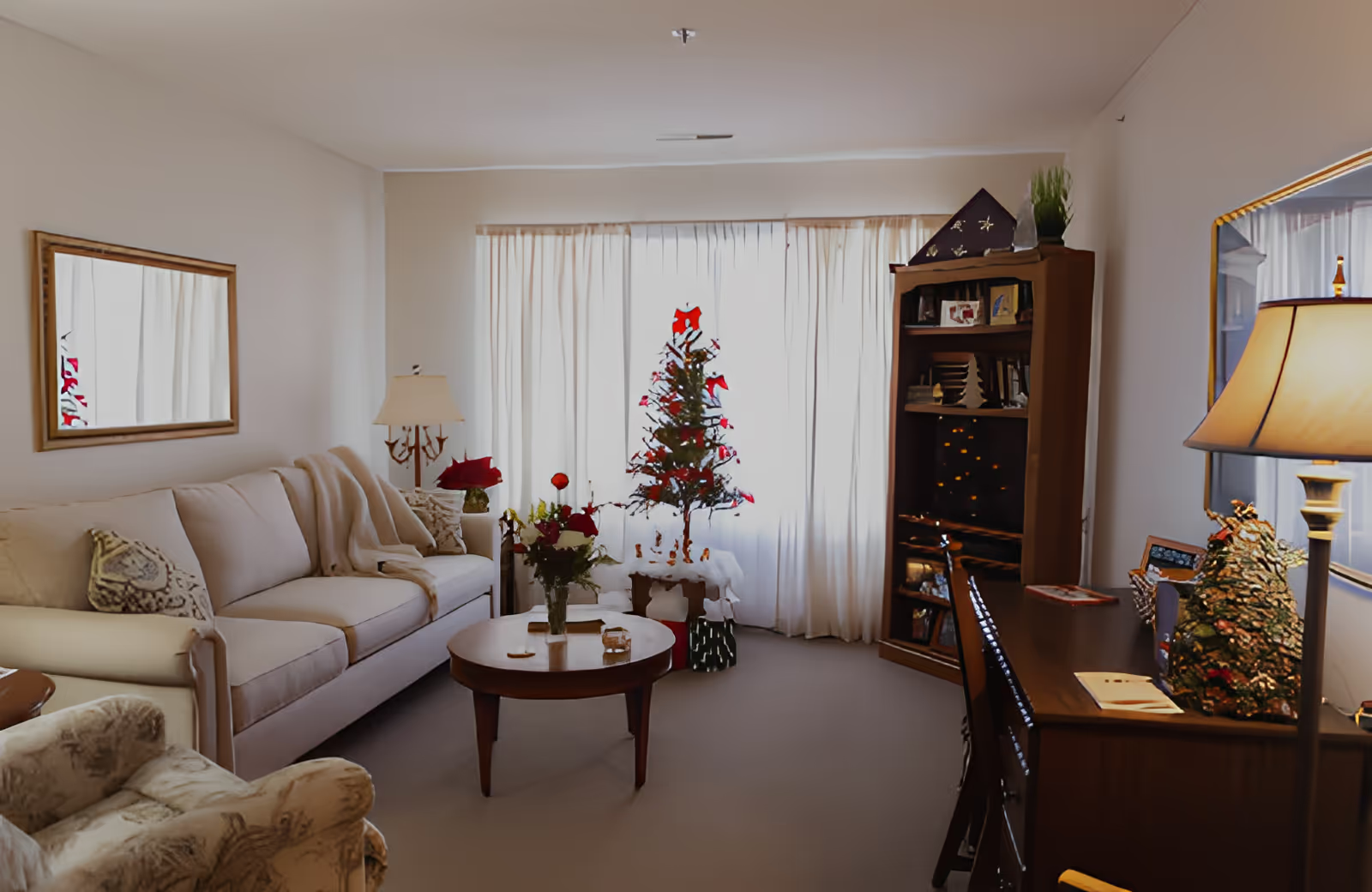
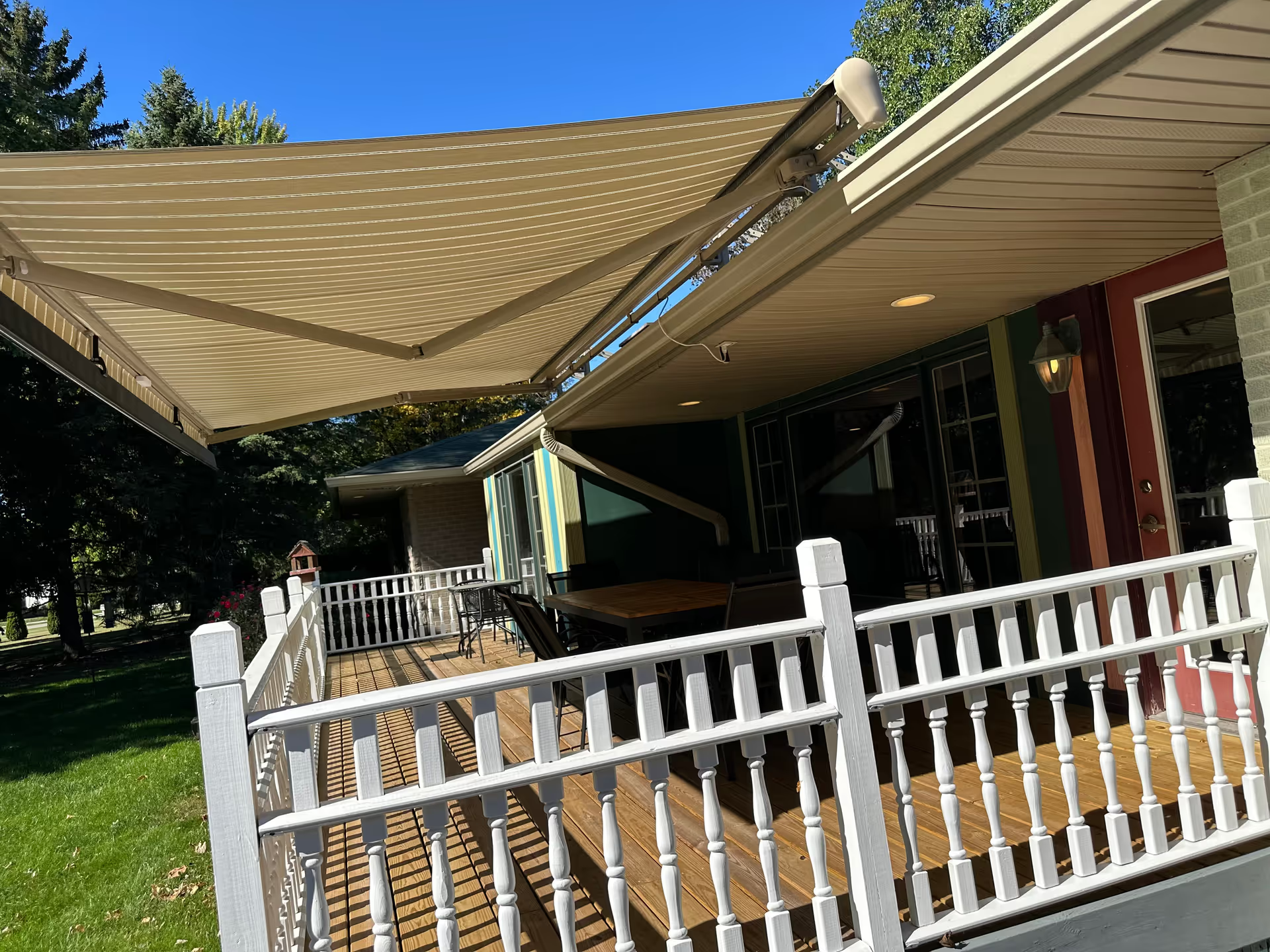
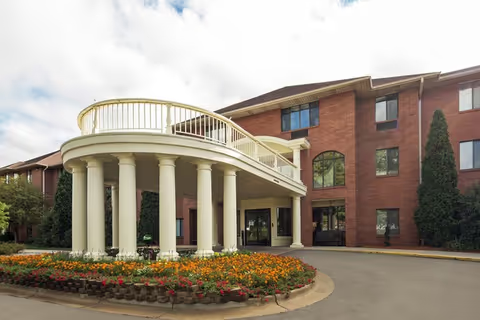
The review set for Regency at Lansing West is polarized, with many families and residents describing strong clinical rehabilitation, compassionate front-line staff, and an attractive, modern environment, while others describe operational shortfalls that affect day-to-day care. On the positive side, therapy services (physical, occupational, and speech) receive frequent praise for individualized programming and effective outcomes. Reviewers consistently highlight helpful therapists and aides who assist residents in recovering mobility and preparing for discharge. The facility’s physical plant and amenities are also commonly commended: reviewers note a clean, hotel-like building with private bathrooms, accessible showers, multiple small community rooms, outdoor seating, good lighting and views, and an organized admissions and rehab process.
Staff descriptions are mixed but lean positive for many reviewers. Numerous comments identify compassionate, professional nurses, CNAs, and administrative personnel who provide attentive, family-focused service. The activities program is often described as robust and engaging, with daytime programming, music therapy, and social events that contribute to resident well-being. Ancillary services such as podiatry and nutrition/food-therapy are also called out positively in multiple accounts.
Counterbalancing these strengths are recurring operational concerns that affect safety and resident experience. The most consistent patterns involve responsiveness and staffing: reviewers describe long waits for assistance, especially on night and weekend shifts, and variability in how quickly staff respond to call lights. Housekeeping and personal-care routines are described as inconsistent, including irregular linen changes, bathing schedules, and restroom/bathroom restocking. Several accounts raise concerns about medication-administration practices and clinical monitoring, including delays in physician contact for urgent changes, alarm-management practices, and perceived lapses in medication handling.
Dining receives mixed feedback: many reviewers praise restaurant-style meals and good nutrition therapy, but others describe bland or cold meals and limited accommodation for specific dietary needs (for example, diabetic or gluten-free requirements and cross-contamination control). Communication and family engagement emerge as another area of variability: some families describe proactive, informative administrative staff, while others report defensive or dismissive interactions and slow follow-through on complaints. Safety processes are an area of concern in several reviews, with examples suggesting weaknesses in fall-prevention protocols and continuous monitoring practices.
Taken together, the pattern suggests a facility with strong clinical rehabilitation capabilities and many staff who provide compassionate care, operating within organizational constraints that produce variability in routine assistance, housekeeping, meal execution, and clinical escalation. Prospective residents and families should weigh the facility’s therapy strengths, modern environment, and activity offerings against the documented variability in staffing responsiveness, housekeeping practices, medication/monitoring controls, and communication. Families who are considering Regency at Lansing West may wish to ask specific questions about staffing levels by shift, protocols for call-light response and alarm management, medication-administration safeguards, and procedures for addressing family concerns and lost/missing personal items prior to admission.