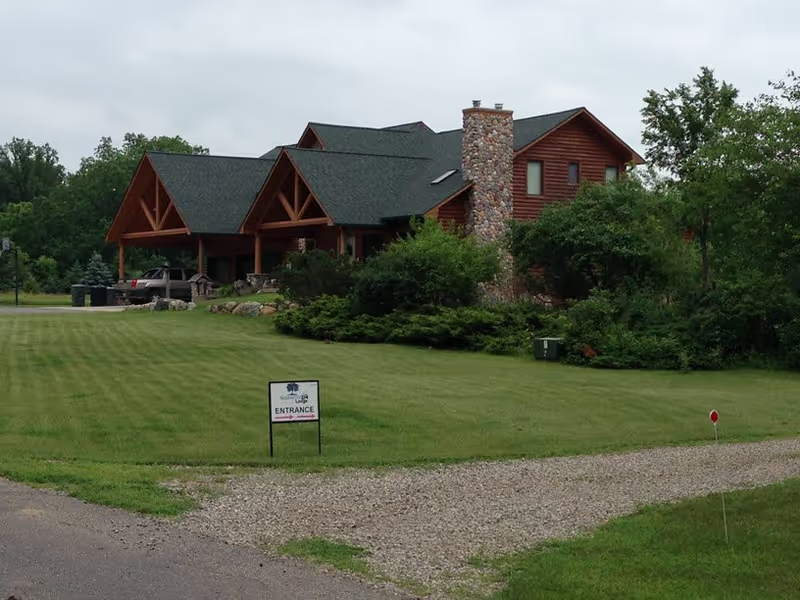
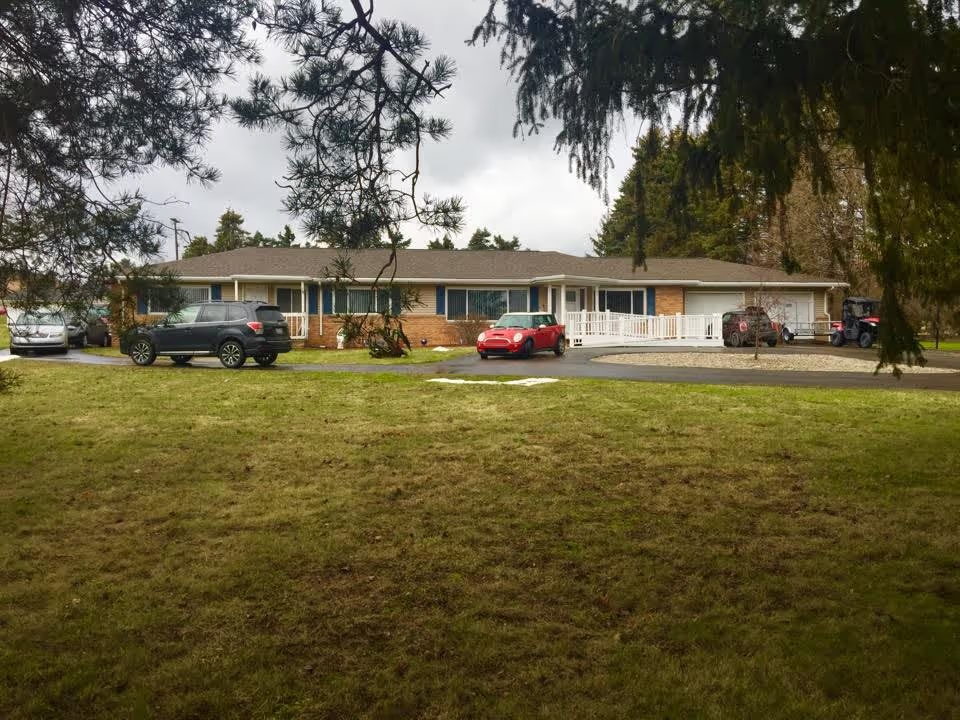
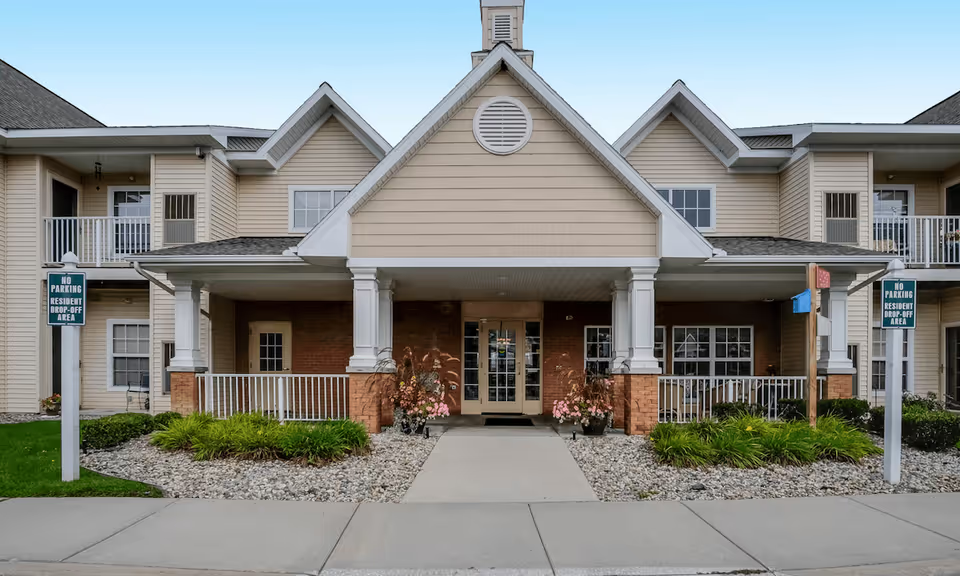
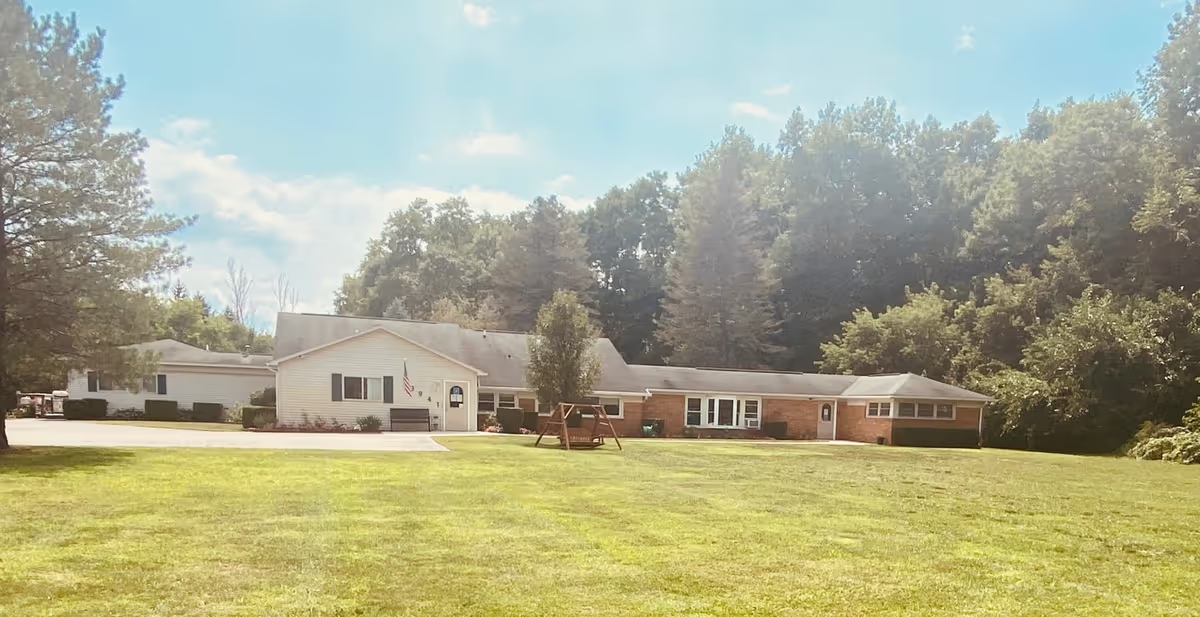
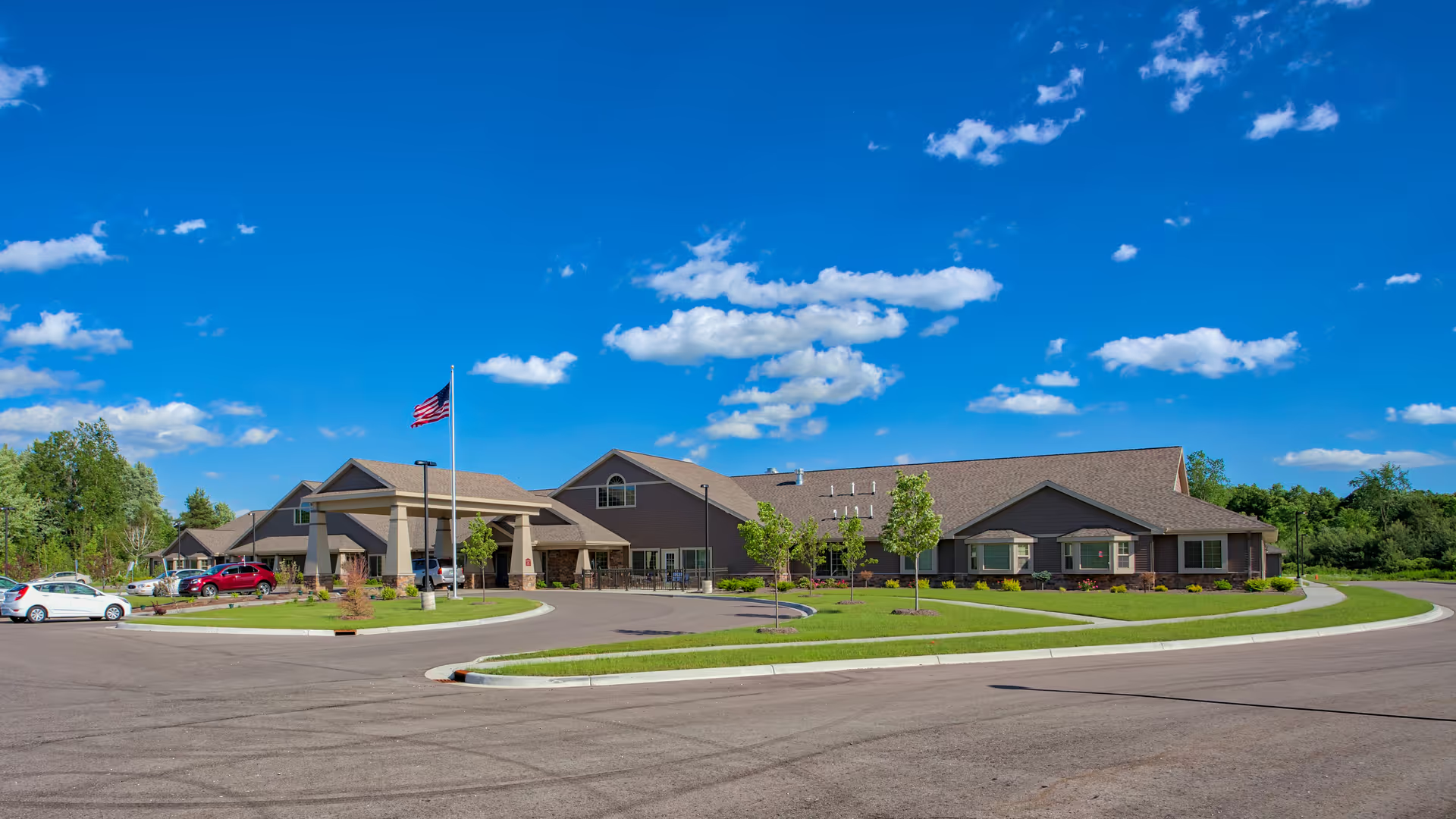
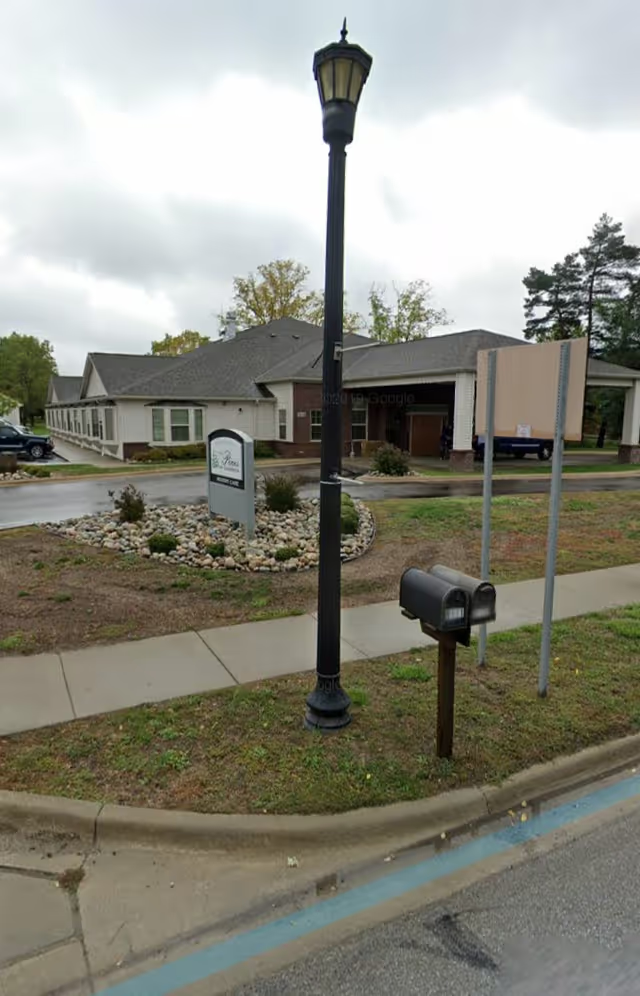
This facility operates as a very small, six-bed, family-style home that many families found to be clean, spacious, and comfortable. The physical environment includes accessible common spaces such as a sitting/family room and an outdoor deck with a pleasant backyard view. The size and layout appear to support a homelike atmosphere and frequent family presence, which aligns with its dementia-friendly approach and encouragement of social interaction.
Clinical and hands-on care are prominent features. The provider maintains 24/7 nursing coverage and on-site hospice availability, and reviewers highlighted coordinated communication with medical providers and professional handling of end-of-life situations. Staff are described as compassionate, affectionate, and attentive in many accounts, and families reported smooth transitions into the home and a welcoming atmosphere.
Dining and daily services are mixed. Meals are often characterized as wholesome and home-style, though some observers described food quality as average or inconsistent. Laundry and general sanitation were described positively or as adequate in the summaries. Activities and engagement are an area of divergence: socialization is encouraged, but the programmed offerings appear limited — with bingo cited as a primary activity — and evening options are sparse. There is a facility-level practice of enforcing quiet hours (television off at a set time) that may not suit residents who prefer later or more individualized stimulation.
Notable operational patterns for prospective families to weigh include limited structured recreational programming, occasional variability in meal consistency, and concerns about responsiveness during overnight hours. Shared-room arrangements and strict quiet-hour policies may affect privacy and compatibility for certain residents. Management strengths include clear family communication, medical coordination, and a personalized care approach; suggested areas for improvement are expanding activity options, reviewing nighttime staffing and responsiveness practices, and assessing meal-service consistency and privacy accommodations.
Overall, this setting is likely a good match for individuals who benefit from a small, close-knit, dementia-aware environment with consistent clinical coverage and strong family involvement. Families seeking extensive recreational programming, later-evening engagement, or single-occupancy privacy should evaluate those specific preferences during a visit and discuss staffing and schedule flexibility with management.