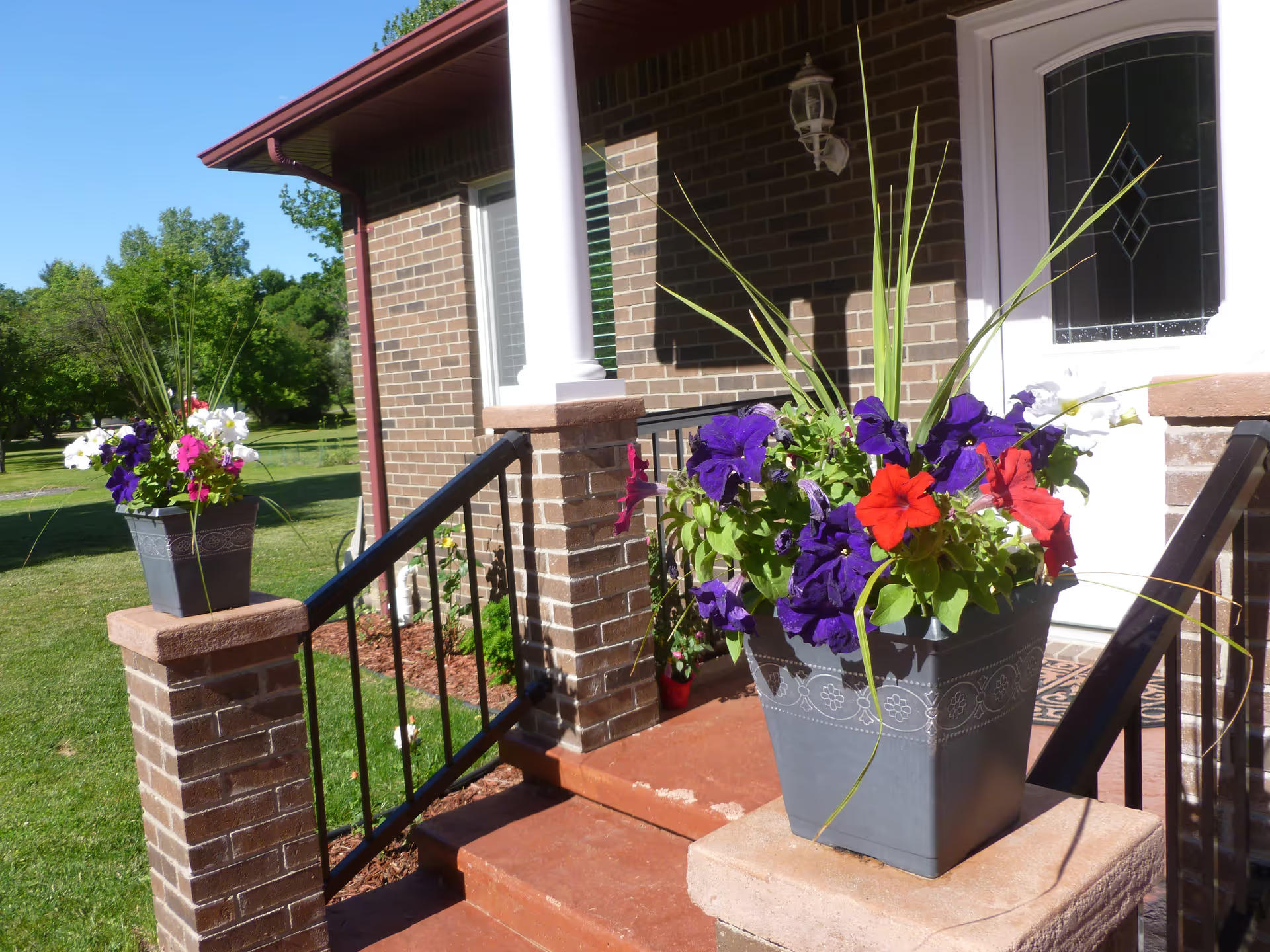
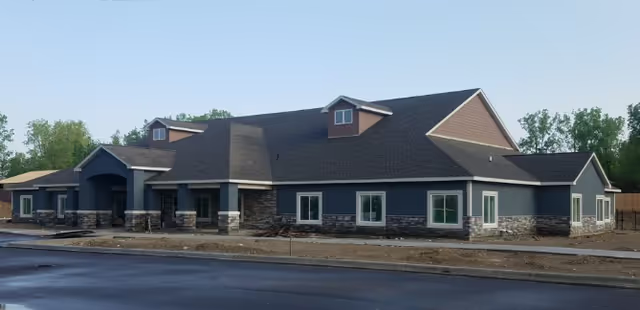
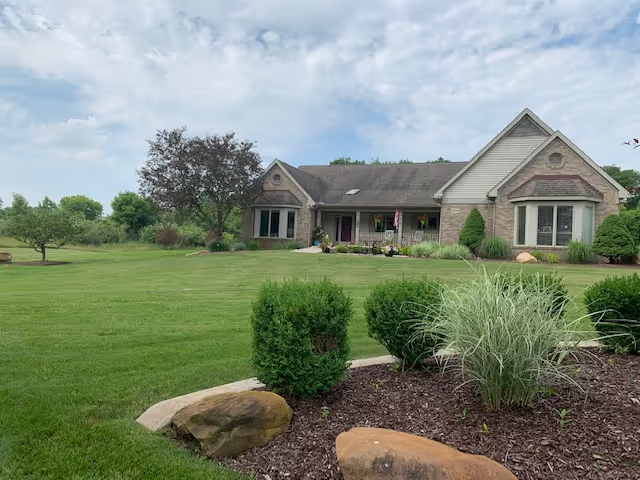
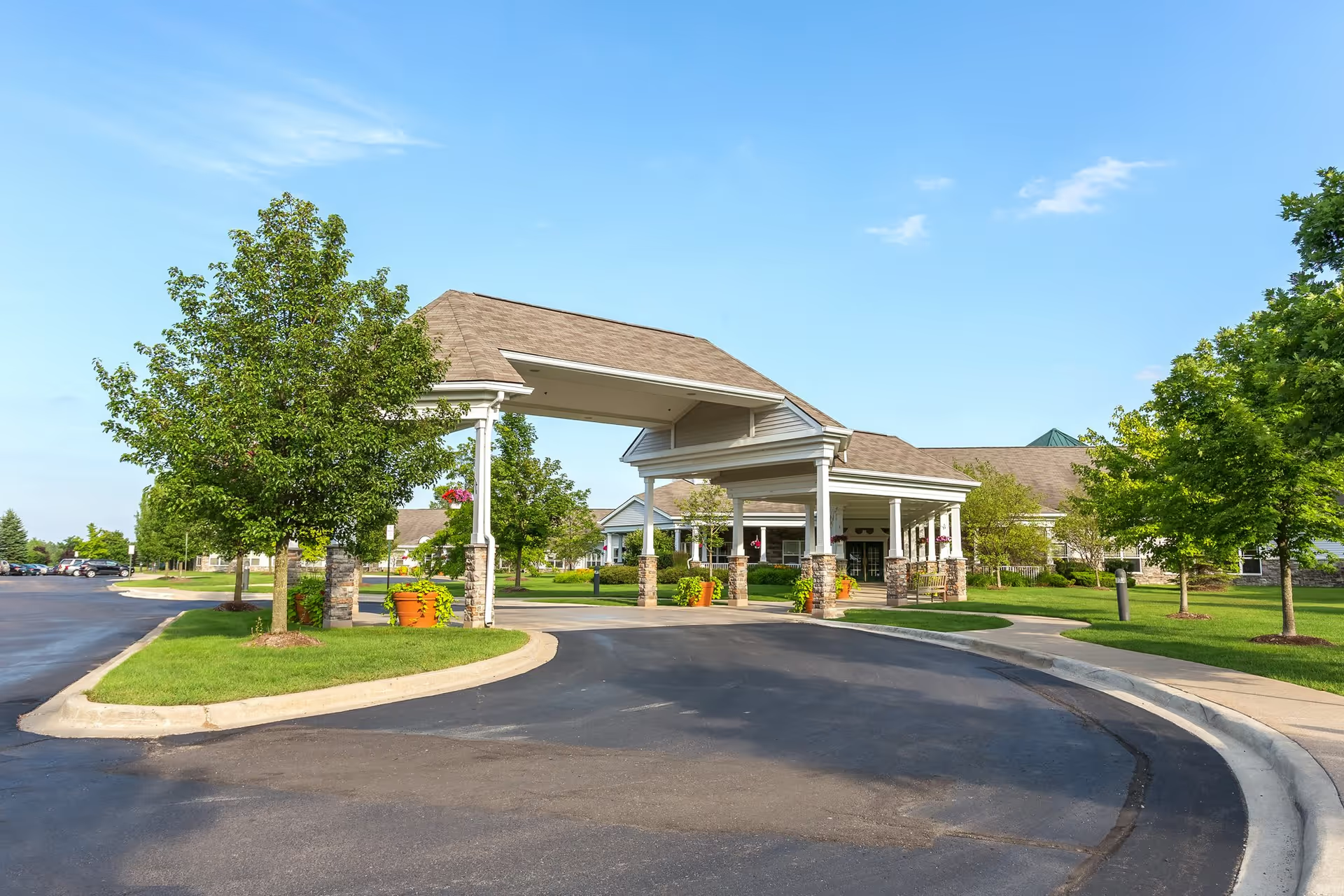
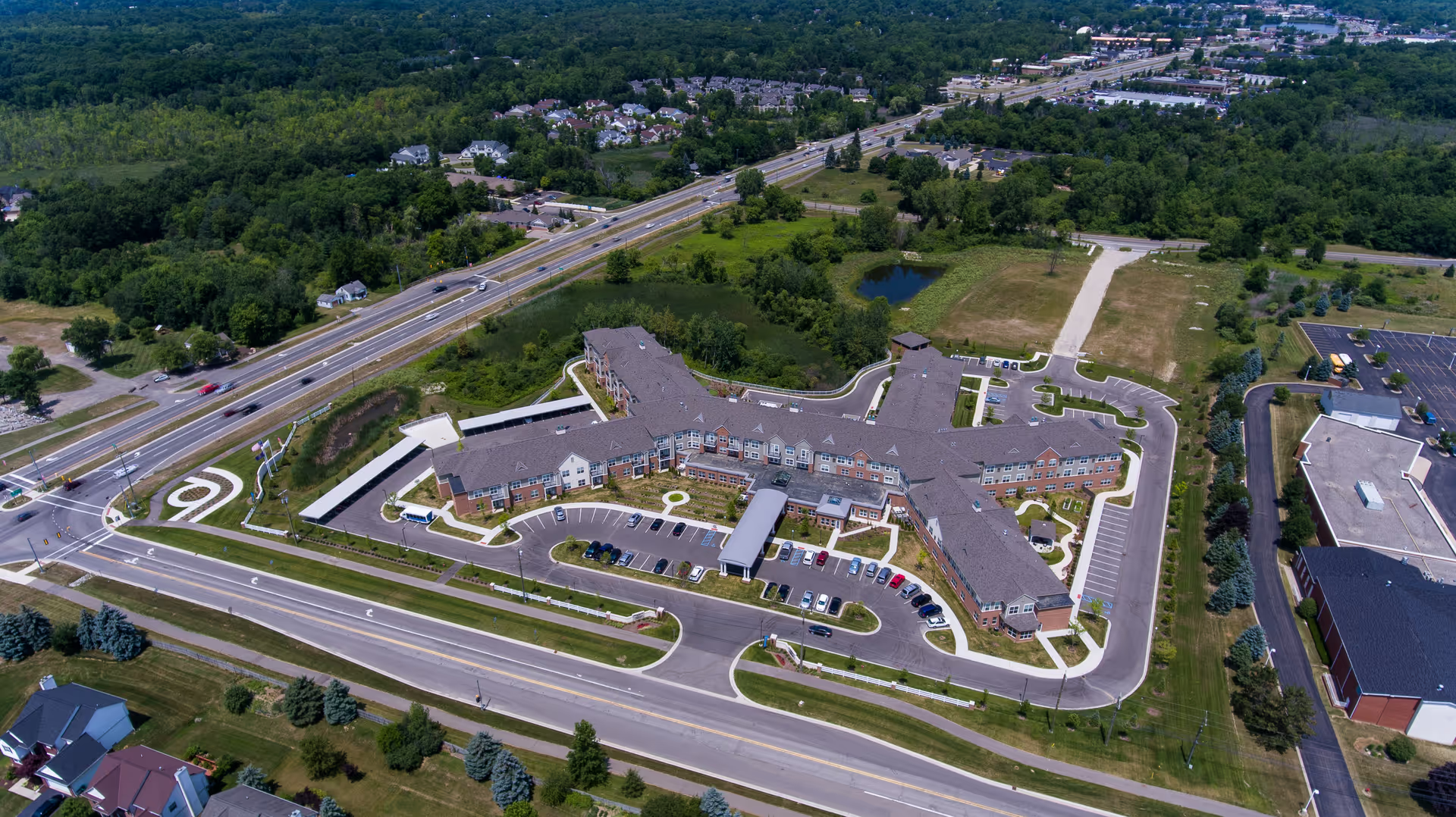
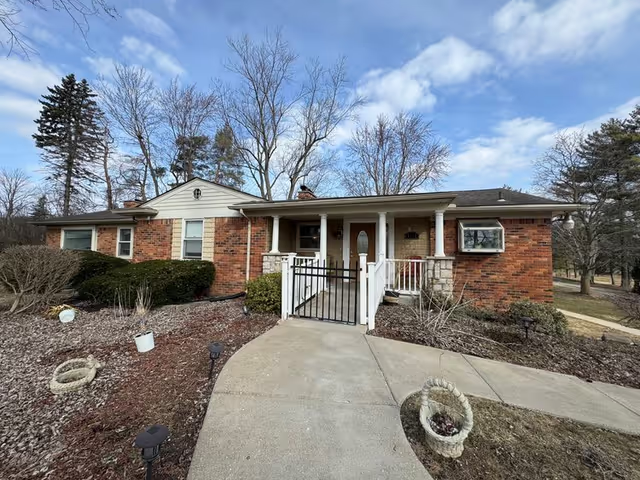
Caremore of Oxford elicits strongly divided impressions. Many families and residents describe warm, compassionate direct care delivered in a small, personal setting: staff are frequently characterized as attentive, accommodating, and engaged with residents, with a family-like culture that some find especially well suited to memory-care and end-of-life needs. The facility’s rural location, home-style dining with a posted daily menu, and small community size are commonly cited as strengths that support easy visiting, individualized attention, and a comfortable, homey atmosphere.
At the same time, a set of operational weaknesses recurs across accounts. Staffing consistency—notably overnight coverage—appears uneven, which reviewers link to delays in responding to resident needs and to broader safety concerns. Families describe variability in housekeeping and building upkeep; specific sanitation and pest-control concerns were raised for some resident and service areas. Reviewers also note limitations in private-room availability and an aging physical plant in need of periodic maintenance.
Clinical oversight and management are described inconsistently. Positive comments highlight an affiliated hospice nurse who is responsive and compassionate, good coordination during admissions for some residents, and staff who make transitions easier. Conversely, other accounts raise concerns about admissions screening, medication-management processes, and gaps in coordination for higher-acuity or hospice residents. Several reviews express frustration with perceived cost-containment measures and with uneven responsiveness from leadership; there is also mention of regulatory action that families should consider when evaluating the facility’s operational history.
Dining and activities are generally seen as strengths where present: meals are described as home-cooked and well liked by many residents, and the facility posts menus and offers recreational options such as crafts, games, and outdoor social spaces. The small scale allows staff to develop personal relationships and provide regular updates to families, which many families appreciate. Prospective residents and their families should weigh the benefits of the facility’s small, homelike environment and caring staff against reported variability in staffing, maintenance, clinical oversight, and regulatory stability. An in-person tour focused on current staffing patterns, sanitation and pest-control measures, clinical admission practices, and recent regulatory developments would be advisable before making a placement decision.